



Introduction to Training for Mr. Olympia
A high degree of dedication, self-control, and thorough comprehension of the sophisticated bodybuilding techniques are necessary for Mr. Olympia’s training. In addition to general fitness or even other bodybuilding competitions, Mr. Olympia’s training calls for specific techniques related to reaching peak muscularity, definition, and symmetry. To perform at his peak on stage, a competitor must maximize every aspect of his preparation, nutrition, and recuperation.
Contestants on Mr. Olympia often follow a periodized training schedule to improve their strength and muscular density. To ensure that athletes perform at their best, each stage of preparation has a specific goal, such as muscle building, cutting, or peak-week preparation. To manage the mental and physical demands of competition preparation, elite athletes rely on coaches, dietitians, and even psychologists. However, there are the main advantages of Mr. Olympia’s training that you can find interesting:
- Peak physical conditioning
Reaching the pinnacle of physical fitness was possible via Mr. Olympia training. It describes skilled, well-trained athletes who have extremely low body fat percentages, high muscular mass, and sophisticated conditioning to showcase their bodies’ full potential.
- Enhanced mental resilience
The rigorous training, severe dieting, and ongoing performance reviews create extremely high levels of mental toughness that are transferable to other aspects of life.
- Improved understanding of body mechanics
They have the finest training methods and are adept at working with their muscles and body mechanics, which helps them tone every aspect of their body.
- Influential and inspiring
This kind of competition frequently serves as an inspiration to others, and Mr. Olympia’s competitors serve as role models in the bodybuilding and fitness communities by setting an example of dedication and fitness.
- Opportunities for career advancement and sponsorships
A successful Mr. Olympia will give the winner access to worldwide career and sponsorship opportunities, which are crucial for athletes’ personal brand development in the fitness sector.
For Mr. Olympia, training is more than simply a physical experience. It’s a chance to inspire others, develop personal resilience, and open up career opportunities. The advantages for athletes go beyond the actual competition day and include information and abilities that they may use both inside and outside of the gym.
Common Training Routines Among Winners
The top Mr. Olympia competitors also undergo highly specific training regimens that are vital for maximizing the growth of muscular mass, symmetry, and definition. This program might have its elements precisely arranged, with distinct stages based on the athlete’s objectives, such as maintaining peak conditioning, improving muscle detail or gaining mass. The champion concentrates on high-volume exercises, periodized phases, and split training since these methods give him a considerable deal of muscularity and balance that few other athletes can match.

One important factor that many workouts incorporate is recovery. Many champions say they spend a lot of time attempting to improve their rest and recuperation techniques. To ensure your body is fully healed between workouts, this may involve active recovery days, stretching, massage therapy, and even sleep monitoring. Let’s consider the essential elements of successful training plans:
- Programs for split training
Most champions follow some kind of split regimen that involves working out particular muscles every day. If each group is allowed to have a complete session, they may push each muscle to its limit without overtaxing the entire body. The possible weekly schedule is as follows:
- Day 1
Chest and triceps. To give you a truly heavy-looking upper body, the major emphasis will be on bench presses and dips.
- Day 2
Biceps and back. Increase the breadth and thickness of the back with exercises like barbell rows and deadlifts.
- Day 3
Shoulders and core. To achieve stability and shoulder definition, you may want to try exercises that target your core, such as lateral lifts and overhead presses.
- Day 4
Legs. To increase lower body strength and muscle, perform complex movements like leg presses and squats.
- Day 5
Active recovery or rest, which allows the muscles to recuperate through stretching or mild aerobic exercise to prevent pain and exhaustion.
- Days 6–7
Depending on the athlete’s stage of training, repeat the program or take more time off.
- Heavy weights with high volume
To get the thick muscular mass outlined by Mr. Olympia’s physiques, champions mix high-volume, high-weight routines. Actually, this often entails many sets of complex exercises that target key muscular areas, such as squats, deadlifts, and bench presses. For hypertrophy, they typically perform 8–12 repetitions per set, striking a balance between strong lifting and sufficient repetitions to promote optimal muscle growth.
- Periodized phases for muscle growth and definition
Champions use periodized training programs, going through bulking and reducing stages, to grow and define muscles. Increased food consumption, greater lifting to gain muscle mass and size development are all necessary during the bulking phase. To reduce body fat and make the muscles seem thin and defined, the second phase, known as the cutting phase, involves calorie restriction combined with aerobics.
We want to show you a sample training routine of a Mr. Olympia champion. You can try this workout plan and decide if it matches your goals and insert it into your training program:
| Day | Muscle group | Sample exercises | Sets x reps |
| 1 | Chest and triceps | Bench press, incline dumbbell press and tricep pushdowns. | 4 x 8–10 |
| 2 | Back and biceps | Deadlift, pull-ups, barbell rows and bicep curls. | 4 x 8–10 |
| 3 | Shoulders and core | Military press, lateral raises, weighted crunches. | 4 x 10–12 |
| 4 | Legs | Squats, leg presses, hamstring curls and calf raises. | 4 x 8–10 |
| 5 | Active recovery | Light cardio, foam rolling, stretching. | Duration: 30–45 minutes |
| 6–7 | Rest or repeat | Rest or begin a new cycle, depending on the training phase. | – |
Bulk and balance are provided by consistency in the gym as the athlete strengthens their weak areas and meets Mr. Olympia’s judging standards. In addition to physical discipline, these routines include mental toughness, scientific accuracy, and strategic preparation to enable the winner to compete at the highest level of bodybuilding.
The Importance of Periodization
At the highest level of Mr. Olympia’s preparation, periodization is essentially defined as the methodical process by which training cycles are structured to bring peak athletic performance, preventing overtraining. This is why periodization is such a fundamental principle of elite bodybuilding and powerlifting training. To achieve the best possible peak on competition day, athletes will be able to balance out periods of muscle building, conditioning, and recuperation thanks to this periodization.
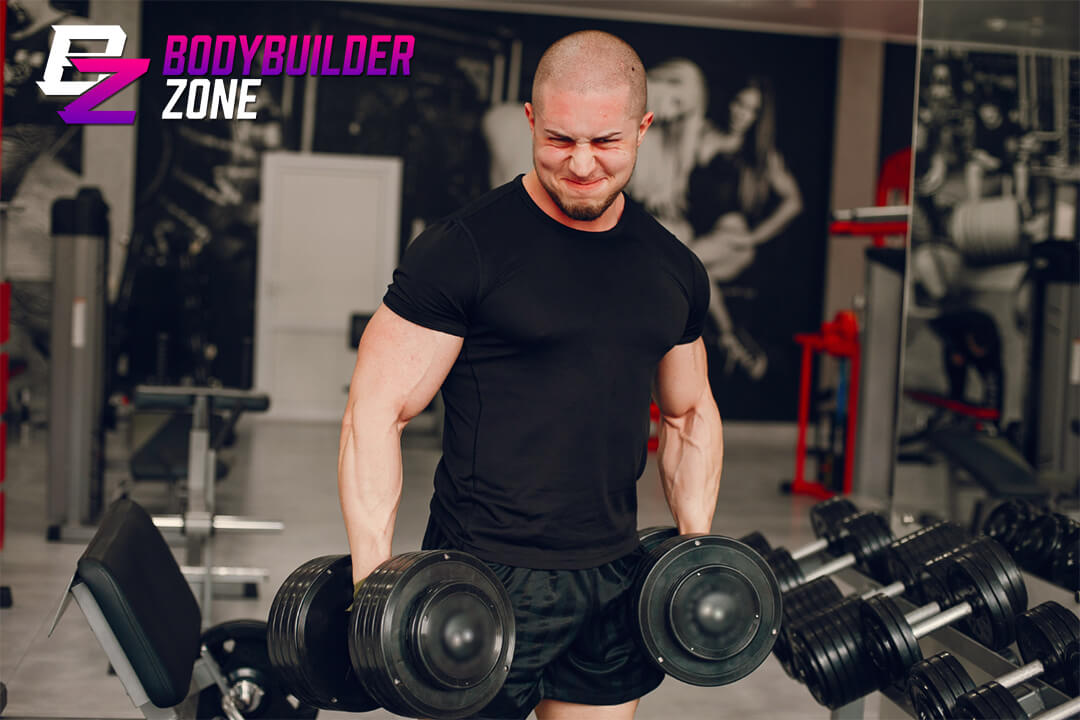
By breaking up training into bulking, cutting, and peaking cycles, periodization allows the athlete to concentrate on goals. It could be building muscle mass, losing body fat, and fine-tuning conditioning phase by phase. Below are the principal advantages of periodization:
- Maximum growth of muscle
Athletes focus on hard lifting and consuming a lot of calories during the bulking phase to aid in the process of developing muscle. In preparation for a cutting stage later on, it allows them time to gain as much bulk and strength as they can.
- Definition and conditioning
During the cutting stage, calorie adjustments and greater cardiovascular training are permitted due to the lowering of body fat without resulting in muscle loss. When developing the slim, defined appearance needed for the competition is a crucial stage.
- Mental and physical adaptation
By keeping athletes engaged and presenting them with fresh challenges rather than monotonous routines, shifting emphasis during training stages helps athletes avoid mental and physical burnout.
Periodization enables athletes to peak at the ideal moment and consistently display their best body on the court. These are typical periodization phases in bodybuilding training:
| Phase | Duration | Focus | Primary goals |
| Bulking | 8–12 weeks | High-volume and heavy lifting. | Increase muscle mass and strength. |
| Cutting | 6–10 weeks | Caloric deficit, higher cardio. | Reduce body fat and maintain muscle mass. |
| Peaking | 1–2 weeks | Low volume, high precision, posing. | Refine muscle definition and prepare for the stage. |
| Recovery | 1–2 weeks | Light, low-intensity workouts. | Allow full recovery and prevent overtraining |
The athlete can meet the enormous demands of competitive bodybuilding at the highest level thanks to this disciplined technique. Periodization is therefore one of the primary factors that sets the professional elite apart from the rest and transforms rigorous training into excellence that is ready for competition.
Conclusion and Training Tips
There is much more to preparing for such high-level, elite bodybuilding competitions like Mr. Olympia than merely having a physically fit physique. Mental toughness, preparation, and unwavering resolve in training and recuperation will all be necessary for this. It would cover periodization and the targeting of all main muscle groups in scheduled training sessions.
A few training tips that might help you reach peak fitness levels are as follows:
- Concentrate on compound movements
The big 3 – the squat, deadlift, and bench press must be followed exactly. This is because these exercises are the cornerstone of building muscle and strength.
- Training should be periodized
Divide your training into stages for bulking and trimming, peaking at the appropriate periods. This minimizes the chance of burnout or damage while guaranteeing steady improvement.
- Form overweight
As the intensity increases, the form takes precedence. Lifting greater weight should never come at the expense of proper technique since doing so reduces attention to the target muscles and raises the risk of injury.
It takes a lot of perseverance, dedication, and flexibility to train for elite events. A more substantial and long-lasting result is achieved by adhering to these guidelines, staying on each training level, and continuously improving.










Leave a comment