



Overview of Muscle-Building Foods
A type of diet that incorporates essential nutrients that aid in strength development, growth, and recuperation is necessary for muscle building. Foods high in proteins, good fats, and complex carbs are crucial for building muscle. They give sustained energy, support intense exercise, and aid in muscle regeneration. You can get the most out of your workout if you know which meals promote this process.
The key to effective muscle gain is to focus on meals that provide high-quality protein, necessary amino acids, and other nutrients that support general health and performance. The following lists some of the top foods for muscle growth that one may incorporate into their diet:
- Proteins
Lean poultry meats like turkey, fish, and chicken breast are examples of lean proteins. These great sources of high-quality protein contain all the necessary amino acids for muscle growth and repair. Greek yoghurt, eggs, and cottage cheese are additional excellent protein sources with additional health advantages.
- Complex carbohydrates
Foods like sweet potatoes, quinoa, brown rice, and oats provide you the energy you need for intense exercise and recuperation. They maintain energy levels and endurance by replenishing glycogen reserves, which have been used up throughout the activity.
- Healthy fats
The hormones required to promote muscle growth and more sustainable energy are often produced by healthy. They can be found in avocados, nuts, seeds, and olive oil.
By including a range of muscle-building items in your diet, you will see a significant improvement in your training. With a variety of lean proteins, complex carbohydrates, and healthy fats, this is a more balanced approach. It gives your body the fundamental building blocks it needs for muscle growth and repair.
High-Protein Foods
Foods high in protein are crucial for muscle development and repair. Protein essentially supports nearly every bodily function, from energy synthesis to immunological response. It is essential for anyone trying to maintain a balanced diet or gain muscle. By experimenting with different high-protein foods, you can ensure that your body gets all the protein it needs. Let’s start by discussing lean meats and dairy products as some of the greatest high-protein sources.

Lean Meats
Because lean meats have a greater protein-to-fat ratio and are therefore more efficient at building muscle with fewer calories, they are among the best sources of protein. These meats include complete proteins, which include all the critical amino acids needed for muscle development and repair.
| Type of lean meat | Protein per 100g | Key benefits |
| Chicken breast | 31g | High in protein, low in fat; versatile in recipes. |
| Turkey | 29g | Low-fat source of protein with a mild flavour. |
| Lean beef cuts | 26g | Provides iron and B vitamins, supporting energy levels. |
| Pork tenderloin | 23g | Lean and rich in key nutrients like thiamine. |
Because lean meats may be prepared in a variety of ways, including grilling, baking, or sautéing, they can be readily included in any kind of meal to help develop muscle or just maintain meal balance.
Dairy and Alternatives
Dairy products and their substitutes are also great sources of protein and provide a number of essential elements, including calcium and vitamin D. Achieving optimal bone growth and preserving bone and muscular strength throughout life depend heavily on these nutrients. Higher protein options include Greek yoghurt and cottage cheese, while individuals who avoid dairy products have options with plant-based dairy substitutes.
| Type of dairy product | Protein per 100g | Key benefits |
| Greek yoghurt | 10g | High protein, and probiotics for gut health. |
| Cottage cheese | 11g | High protein, low fat; rich in calcium. |
| Milk (cow’s) | 3.4g | Balanced protein and carbs contain calcium and vitamin D. |
| Soy milk (dairy-free) | 3.3g | High protein for a plant-based milk alternative. |
Dairy products and their substitutes can be used to make smoothies or give distinctive flavours to snacks, but they can also be used in cooking. These high-protein meals, whether they come from dairy or plant-based substitutes, help to strengthen bones, increase muscle mass, and provide diversity to your diet.
Lean meats and dairy products are examples of foods high in protein because they include essential elements that maintain healthy muscles and ensure general well-being. These might readily assist you in satisfying your dietary demands for variety and protein.
Carbohydrates for Energy
Carbs aid in the storage of glycogen in the muscles, they are a vital source of energy for both daily tasks and exercise. For athletes, carbohydrates are crucial since they provide the strength and endurance they need to perform at their best. Consuming carbs in moderation can help maintain energy levels, promote muscle recovery, elevate mood, and sharpen attention. Some significant forms of carbohydrates and how they contribute to energy are as follows:
- Simple carbs
These are sugars that are quickly digested and found in meals like milk, honey, and fruits. They may provide you with a rapid energy boost, which makes them a great pre-workout nutrition or post-workout recovery aid.
- Complex carbs
Complex carbs, which take longer to digest than simple sugars, are stored in whole grains, legumes, and starchy vegetables. They assist in regulating blood sugar levels throughout the day and maintain steady energy levels, which prolong feelings of fullness.
- Fiber-rich carbs
Carbohydrates are high in fibre aid in digestion and give the body sustained energy, whereas grains, fruits, and vegetables are high in fibre. By generating more sustainable energy sources and sating cravings, they also have a tendency to control blood sugar levels.

Generally speaking, eating a diet rich in carbs can have several significant benefits for one’s energy levels and athletic performance:
- Improved endurance at the gym. By replenishing glycogen, carbohydrates increase energy storage, enabling muscles to withstand strenuous physical activity.
- Enhanced focus and mood. Serotonin, which is produced in large quantities by carbohydrates, has been shown to enhance focus and mood.
- Improved recovery. Immediately following exercise, carbohydrates raise glycogen levels, accelerating muscular recovery for the following session.
To guarantee adequate energy, enhanced performance, and overall health, a range of carbohydrate sources should be consumed. Maintaining a healthy balance between nutrients and energy requires consuming the right quantity of basic, complex, and fiber-rich carbs.
Healthy Fats and Their Role
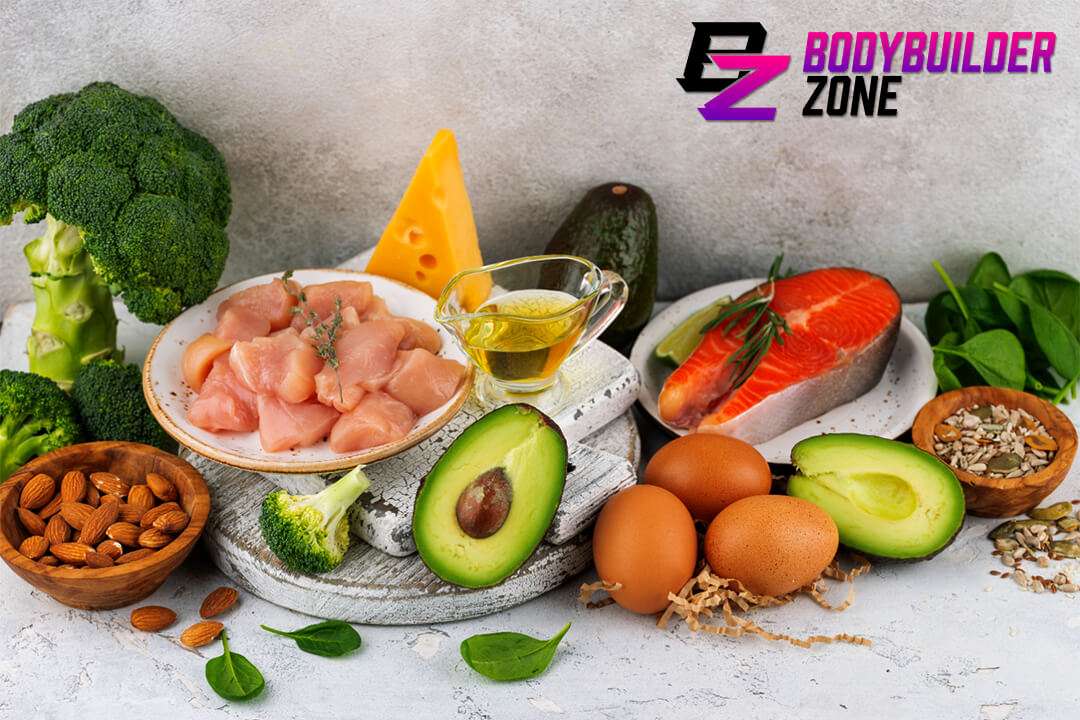
From hormone regulation to energy generation to maintaining brain function, healthy fats are extremely beneficial to the body. The 3 categories of healthy fat – monounsaturated, polyunsaturated, and omega-3 fatty acids. Each has unique methods of helping the body. In addition to supporting other objectives including cardiovascular health, energy maintenance, and muscular growth. These good fats can be matched with general well-being:
- Monounsaturated fats
They may be found in foods including almonds, avocados, and olive oil. They support heart health by lowering blood levels of LDL, or bad cholesterol. They also support cell function and have anti-inflammatory properties.
- Polyunsaturated fats
Flaxseeds, walnuts, and sunflower seeds are good sources of polyunsaturated fats. In essence, polyunsaturated fats contain important fatty acids (omega-6 and omega-3), which the body cannot produce on its own, which are necessary for brain function, immune system function, and reducing inflammation.
- Omega-3 fatty acids
Flaxseeds, chia seeds, and fatty fish are good sources of omega-3 fatty acids, which are polyunsaturated fats. They have been linked to better heart and brain health and have strong anti-inflammatory qualities. Omega-3 fatty acids are very helpful for maintaining healthy joints and reducing muscular discomfort.
Beyond simply providing energy, there are also more advantages to including healthy fats in the diet:
- Improved nutrient absorption. Fats help the body absorb fat-soluble vitamins like A, D, E, and K which are important for healthy skin, bones, and the immune system.
- Sustained energy. Unlike carbs, fat releases its energy more gradually and is a concentrated source of energy. It provides stamina for longer activities and events.
- Hormone balance. Hormone synthesis is promoted by healthy fats and they control development, metabolism, and recuperation.
You may incorporate a range of healthy fats into your meals to make sure your body has the essential components it needs to perform at its best at work or during strenuous exercise.
Conclusion and Meal Suggestions
One might support fitness objectives, such as weight loss, muscle growth, or overall health improvement, by eating full, nutritious meals that are high in proteins, carbs, and good fats. Understanding the role of each macronutrient allows one to intentionally consume the nutrients that will support the body, improve performance, and accelerate the healing process.
To provide your body with the energy and nutrients it needs for an active lifestyle, these meal ideas balance nutrition:
| Meal | Option | Ingredients | Benefits |
| Breakfast | Avocado toast with eggs | Whole-grain toast, mashed avocado, poached egg, seeds. | Healthy fats, fibre, protein. |
| Greek yogurt parfait | Greek yoghurt, berries, chia seeds, honey. | Protein, antioxidants, omega-3 fatty acids. | |
| Lunch | Salmon and quinoa bowl | Grilled salmon, quinoa, steamed broccoli, nuts. | Omega-3s, fibre, essential vitamins. |
| Chicken salad wrap | Whole-wheat wrap, grilled chicken, mixed greens, avocado, vinaigrette. | Lean protein, healthy fats, and greens. | |
| Dinner | Stir-fried tofu and vegetables | Tofu, mixed vegetables, brown rice, sesame seeds. | Balanced vegan protein, fibre, and healthy fats. |
| Turkey and sweet potato | Ground turkey, roasted sweet potatoes, spinach. | Lean protein, complex carbs, essential nutrients. |
These choices make excellent pre- and post-workout food when they have a decent combination of protein, carbohydrates, and healthy fats, which promotes general health.















Leave a comment