


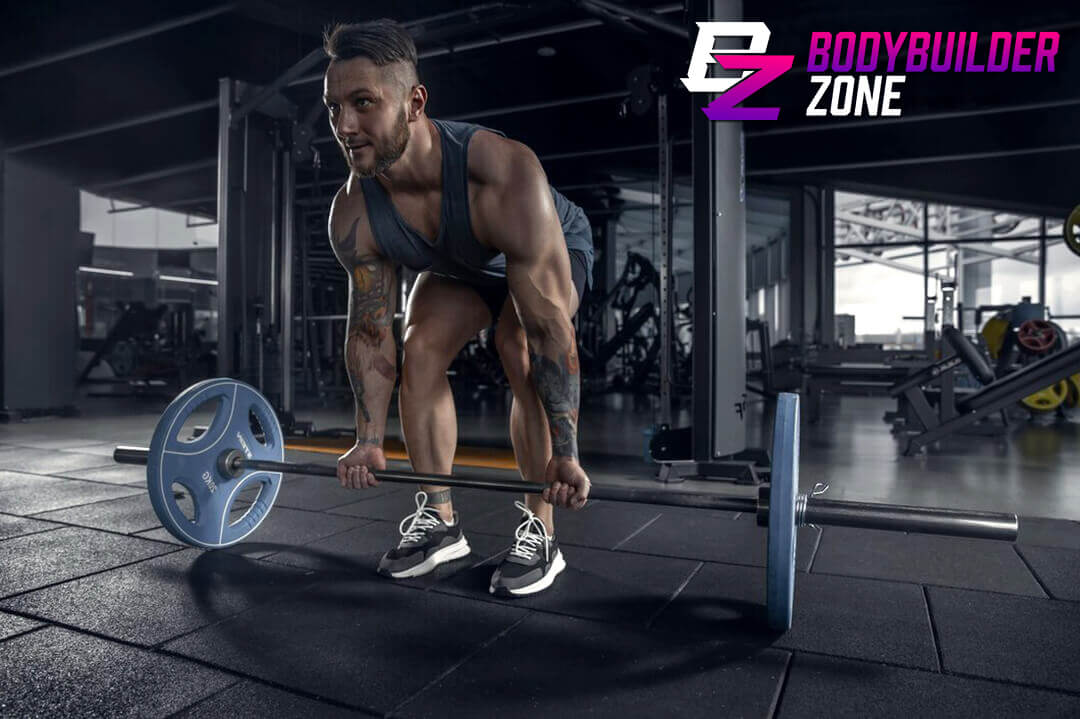
Strength training is the cornerstone for increasing muscular growth and strength. It improves better performance, body composition, and functional mobility in daily life. Strength training, which includes resistance exercise, may enhance not just your fitness but also your strength, endurance, and agility. Strength training is essential for a well-rounded fitness regimen, whether you want to enhance sports performance or gain definition.
Strength training, which focuses on compound exercises, increasing overload, and correct recovery, may push your body beyond its comfort zone. This promotes muscle development and boosts force generation. This form of exercise is good for people of all fitness levels and offers several physical and mental health advantages.
- Benefits of Strength Training
- Enhancing Muscle Mass
- Improving Functional Strength
- Key Strength Training Exercises Everyday
- Compound Movements
- Isolation Exercises
- Techniques and Form for Effective Training
- Proper Technique for Each Exercise
- Avoiding Common Injuries
- Structuring Your Strength Training Program
- Frequency and Recovery
- Progression and Overload
Benefits of Strength Training
The main advantage of strength training is in the name itself. It is not difficult to guess that with its help you will increase your strength, which will simplify many movements and exercises. The more strength you have, the easier it is to lift heavy weights and perform any physical activity.
Enhancing Muscle Mass
One of the most effective ways to increase muscle mass, also known as hypertrophy, is through strength training. By regularly using heavier weights and/or increased muscular resistance, muscle fibres are damaged and rebuilt. This results in increased muscle size and strength. Increasing muscle mass has several important benefits, including:
- Faster metabolism. Your body burns more calories at rest when it has more muscle.
- Perfect your body by increasing performance. Strength training will help you gain weight and muscle mass.
- Improve athletic performance. Increasing muscle mass improves your performance in activities and sports that require power and strength.
Over time, you can build as much muscle as possible through exercises such as squats, deadlifts, bench presses, and push-ups.
Improving Functional Strength
Strength training, in addition to looking good, can improve functional strength, or the ability to effectively perform everyday tasks. Movements used in daily life and sports, such as lifting, carrying, pushing, and pulling, rely on functional muscle strength. Improving functional strength has several important benefits, including:
- Injury prevention. Stronger muscles support joints, reducing the risk of strains and injuries.
- Improved posture and stability. Core and back exercises during strength training help maintain healthy posture and prevent lower back pain.
- Better coordination and balance. Compound, multi-joint movements such as lunges, weightlifting, and push-ups help your body maintain balance and coordination.
You can improve your athletic performance and ability to move effectively in everyday activities by focusing on functional strength. You will be able to see the first results after a month of active training, following the training program schedule.

Key Strength Training Exercises Everyday
To increase the strength indicator, you can use a set of the most effective exercises for this. Below are the best options that will help an athlete achieve great strength.
Compound Movements
Movements that involve multiple muscle groups at the same time are known as compound exercises. These exercises build strength and burn calories by using a large number of muscles. Here are the basic compound movements:
- Squats. Your quads, hamstrings, glutes, and core should be targeted for the work. Squats are essential for developing lower body strength and power.
- Deadlifts. This exercise targets the entire posterior chain – hamstrings, glutes, back, and core. Deadlifts improve overall strength and posture.
- Bench press. By training your chest, shoulders, and triceps, you help increase upper body strength and muscle mass.
- Push-ups or rows. This exercise targets your back, shoulders, and biceps to maintain balanced upper body development.
- Overhead press. It engages the core to maintain balance, making it a great movement for both strength and posture improvement.
With compound movements, you can work more muscles during your workout, making your strength training program more effective and efficient.
Isolation Exercises
Isolation exercises focus on specific muscle groups, allowing you to concentrate on specific areas of the muscle that need to be developed and defined. Typically, these exercises are done to target weak or small muscles and to complement compound movements. Isolation drills include the following:
- Biceps curl. This exercise promotes isolation of the biceps, increasing the strength and size of the arm muscles.
- Tricep extensions. Works the triceps, maintaining balance and definition in the arms.
- Calf raises. They focused on the lower legs, which help build and define the calf muscles. Strong calves are necessary for support in movements like running and jumping.
- Leg extensions. These exercises work the quadriceps. They can also target the front of the thigh more effectively.
- Opposite elevation. Widens the spacing of the deltoids, increasing the width and definition of the shoulders.
Isolation exercises are important for targeting specific muscle groups and improving overall balance and muscle symmetry, but they don’t work as many muscles as compound movements.
Techniques and Form for Effective Training
Technique is a key aspect of performing any exercise. If you do not adhere to it, then all efforts will be in vain. With incorrect technique, the muscles do not work as they should, and the risk of injury increases.
Proper Technique for Each Exercise
It is very important to follow the correct exercise technique. This will determine the degree of muscle involvement and the effectiveness of the workout. Below we have provided steps for the correct technique for different types of exercises:
| Exercise | Proper technique |
| Squats | ● Keep your chest up and back straight. ● Drive your hips back as if sitting in a chair. ● Ensure knees track over toes without collapsing inward. ●Press through your heels to stand back up. |
| Deadlifts | ● Maintain a neutral spine with your chest lifted. ● Hinge at the hips rather than rounding the lower back. ● Keep the bar close to your shins and drive through your heels. ● Engage the core throughout the movement for stability. |
| Bench press | ● Keep your feet flat on the ground and your back slightly arched. ● Lower the bar to your chest, keeping elbows at a 45-degree angle. ● Push the bar up while maintaining a tight grip and engaged shoulders. |
| Bicep сurls | ● Keep elbows stationary and close to your sides. ● Curl the weight upward using only your biceps, avoiding shoulder involvement. ● Lower the weight with control, maintaining constant tension. |
| Lateral raises | ● Lift the weights to shoulder height with elbows slightly bent. ● Avoid swinging or using momentum. ● Keep the movement slow and controlled to fully engage the shoulder muscles. |
This was a table with the most popular exercises that many athletes unfortunately do incorrectly. Following all the steps and tips, you will be able to perform the workout in the correct technique and get the desired results.
Avoiding Common Injuries
As mentioned above, if you do not follow the technique, there is a risk of injury. This should not be allowed under any circumstances if you do not want to lose progress in training and preserve your health. The main tips that we want to share with you to avoid common mistakes are these:
- Warm up properly. To improve blood flow and loosen up your muscles, start with dynamic stretching and light aerobic exercise.
- Use the right weight. Avoid lifting heavy objects, as this can cause poor form, muscle strain or tears.
- Strengthen your core. A strong core helps you stabilize during exercise and prevent lower back injuries.
- Control your movements. Avoid making quick, jerky movements, as these movements increase the risk of sprains and joint injuries.
- Cool down and recover. It’s important to give your muscles a chance to recover and avoid overuse injuries, such as tendonitis.
The main thing is to focus on your breathing, proper technique and not to rush anywhere. Remember that if you get injured, it will take a long time to heal and will slow down your progress. It is better to first understand the typical mistakes and learn how to avoid them.
Structuring Your Strength Training Program
The final important aspect of increasing strength through exercise is structuring your training program. It should be balanced and target different muscle groups without causing overexertion.
Frequency and Recovery
It is necessary to maintain a golden mean between the two indicators of frequency and recovery. If you exercise too often, your muscles will be in constant tension, which will slow down their growth. With too long rest periods between workouts, the muscles will relax and strength will not grow.
| Experience level | Training frequency | Recovery time | Example routine |
| Beginner | 2–3 sessions per week | 48–72 hours between sessions | Full-body workouts on alternate days: Monday, Wednesday, Friday |
| Intermediate | 3–4 sessions per week | 48 hours between muscle groups | Upper/lower body split: Monday – upper Tuesday – lower Thursday – upper Friday – lower |
| Advanced | 4–6 sessions per week | 24–48 hours between muscle groups | Push/pull/legs split: Monday – push Tuesday – pull Wednesday – legs, repeat with a rest day |
This table is an example, but if it suits you, you can use it as your workout plan. Do not forget that all exercises need to be adjusted to your capabilities and goals. Maintain a balance between loads and rest, at least 1-2 days for muscle recovery.
Progression and Overload
To ensure consistent growth and progress, the most important principles of strength training are progression and overload. Here’s how to achieve progression and overload in your program.
- Increase the weight. Gradually increase the weight of the exercise as your strength increases. This is the simplest way to overload.
- Increase the number of reps. Try increasing the number of reps and sets until you feel comfortable with a certain number of reps. For example, if you can do three sets of eight reps, try increasing that number to ten or four.
- Shorten the intervals. Reducing the rest time between sets forces your muscles to work harder, thereby increasing the resistance and increasing the load.
Progressive overload is an important component of strength training. You can avoid plateaus and continue to increase strength and muscle mass by consistently challenging your muscles.















Leave a comment