


Benefits of Meal Prep for Weight Loss
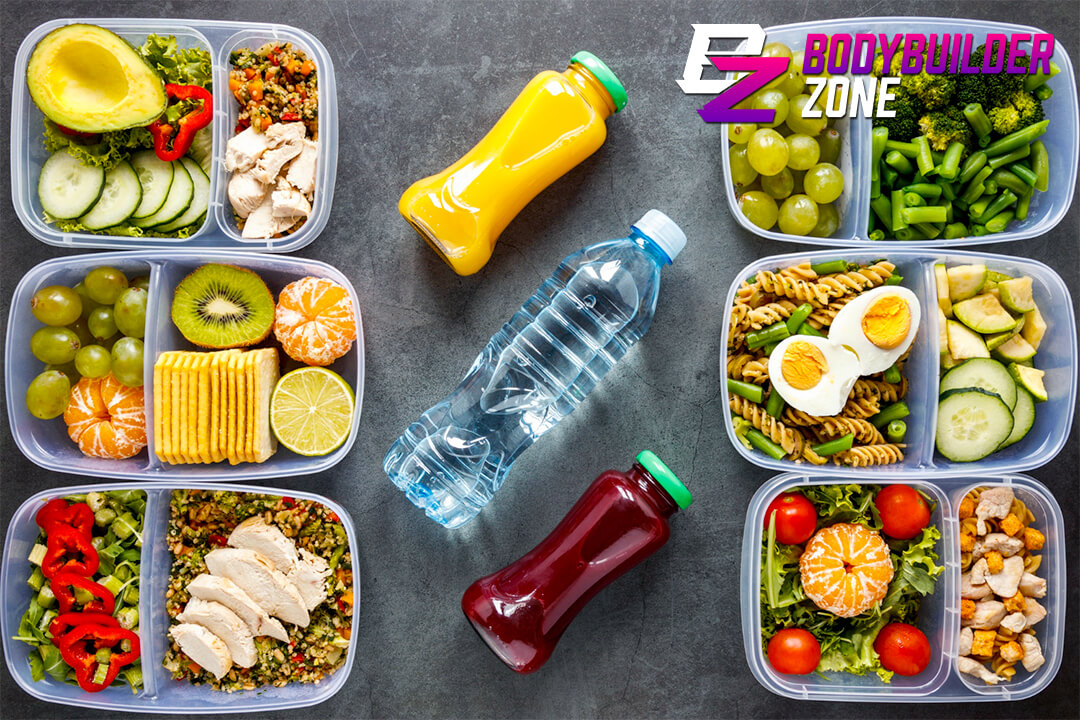
Anyone who wishes to efficiently control their weight may use meal planning, which is a great technique. In order to maintain a healthy diet without having to make impulsive choices, it involves planning meals ahead of time. This proactive strategy will undoubtedly promote better eating, more balanced meals, and weight loss.
The ability to regulate portions, which is the primary determinant of caloric intake, is one of the many advantages of meal planning. Meal planning and portion control will help you avoid overindulging while maintaining the ideal calorie intake for weight loss. Important advantages of meal prep for consistent weight loss:
- Supports consistency
A person tends to make fewer impulsive, unhealthy food choices when meals are prepared ahead of time because there is less incentive to stray from the diet. The secret to long-term weight control may lie in this persistence in eating healthier.
- Saves time
Preparing a single meal that will last for a week helps people avoid daily tension when choosing what to eat and save time on hectic days. This will also lessen the tendency to make rash, poor decisions since you don’t have time to cook.
- Portion control
It enables pre-measured servings that limit overindulgence and establish caloric intake. Maintaining a calorie deficit for weight reduction is made easier by measuring out and portioning meals in advance, which lessens the temptation to consume more than is necessary.
- Minimizes nutritional deficiencies in meals
Because components are chosen in advance, meal planning helps maintain a nutritious balance in meals. This helps you stay energized throughout the day and steer clear of foods that are lacking in nutrients.
- Affordable
Meal planning saves money by preventing impulsive purchases and enabling the purchase of certain products in bulk. This is beneficial not just for your health but also for your finances since it allows you to continue using high-quality foods.
For people who are attempting to lose weight, meal planning may help you think about your eating habits in a more structured way. It makes dieting and calorie monitoring much simpler by promoting healthier eating, greater portion control, and a decreased dependence on convenience foods.
Easy Meal Prep Ideas
Effective meal planning doesn’t require elaborate preparation. Simple, quick meals can help you reduce stress, save time, and maintain a consistent nutritional scale throughout the week. These breakfast, lunch, and supper suggestions make meal planning easy, wholesome, and enjoyable.
Breakfast Options
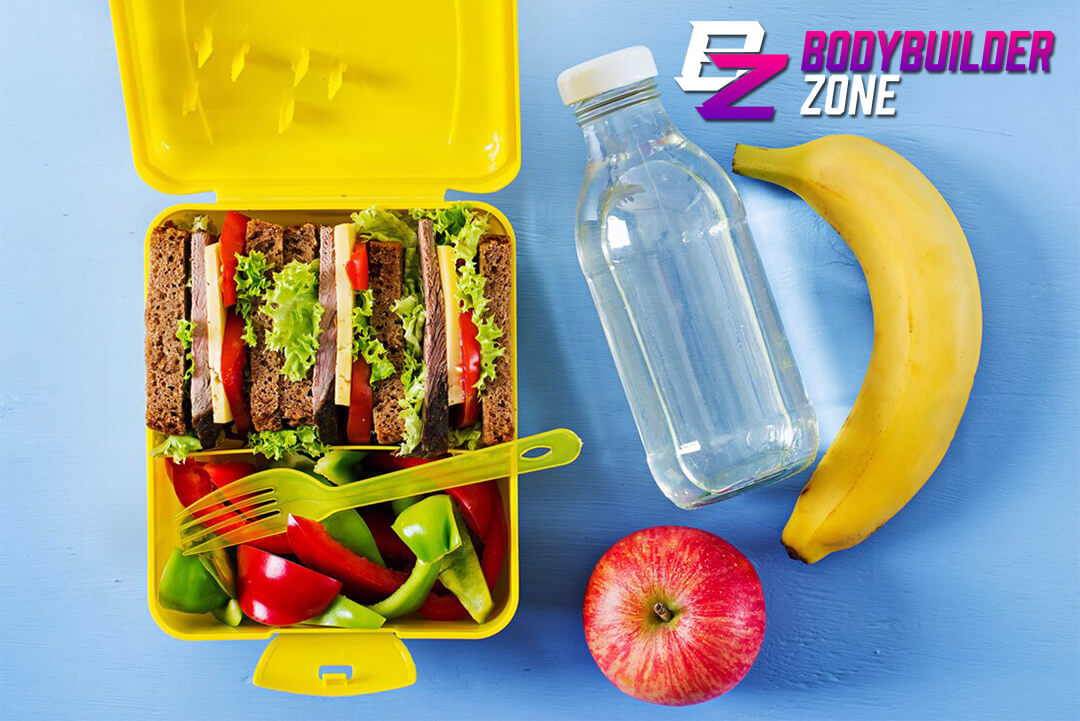
Eating a healthy meal in the morning might help you make better decisions throughout the day. Here are some simple breakfast options to think about:
- Overnight oats
Fill a jar with oats, milk or a milk substitute, and any preferred garnishes, such as chia seeds, berries, or nuts. Put it in the fridge and you’ll have a ready-to-eat supper in the morning.
- Egg muffin cups
Whisk eggs with cheese, vegetables, and seasonings to make egg muffin cups. For a quick, high-protein breakfast that can be reheated in the morning, bake in a muffin pan and store in the refrigerator.
- Greek parfaits with yoghurt
This easy, high-protein breakfast dish is balanced with traditional Greek yoghurt, granola, and fruit parfait.
Making a nutritious breakfast at home shouldn’t take a lot of time. It should be simple and portable, something you can grab on the way out:
| Breakfast option | Ingredients | Preparation time |
| Overnight oats | Oats, milk or milk alternative, toppings. | 5 minutes |
| Egg muffin cups | Eggs, veggies, cheese and seasonings. | 15 minutes |
| Greek yogurt parfaits | Greek yoghurt, granola and fruit. | 5 minutes |
Maintaining a balanced diet is a little bit simpler with these easy meal prep ideas. Yoghurt parfaits and overnight oats are satisfying and quick meals to start the day.
Lunch and Dinner Ideas
Meal preps for lunches and dinners should include a variety of veggies, carbohydrates, and protein to provide balance. Here are some suggestions for quick and nutritious lunches and meals:
- Grilled chicken with vegetables
Add your preferred vegetables, including broccoli, zucchini, or bell peppers, to seasoned chicken breasts. After that, divide them among containers along with a quantity of quinoa or brown rice.
- Turkey or vegetable chilli
Combine ground beans or turkey, chopped tomatoes, and a variety of seasonings to make a large, filling pot of chilli. After that, dish it out into containers for a satisfying protein-rich supper.
- Stir-fry bowls
Serve a bed of rice or noodles after stir-frying a variety of veggies with a lean protein of your choosing, such as shrimp or tofu. These bowls are quite adaptable and may be readily customized to your flavour.
These meals may be prepared in bulk, stored in containers, and reheated as needed:
| Breakfast option | Ingredients | Preparation time |
| Grilled chicken and veggies | Chicken breast, vegetables, rice or quinoa | 25 minutes |
| Turkey or veggie chilli | Ground turkey or beans, tomatoes, spices. | 30 minutes |
| Stir-fry bowls | Vegetables, protein (tofu or shrimp), rice or noodles. | 20 minutes |
Save time during the week and maintain your dietary goals by preparing these simple breakfast, lunch, and supper options ahead of time. These meals, which are all low prep yet high in taste and nutrients, will make eating healthily enjoyable and simple.
Tips for Successful Meal Prep
When individuals want to be organized, have healthy foods, and save time, meal planning frequently changes the game. There should be a strategy in place while creating this meal preparation:
- Plan your meals ahead of time
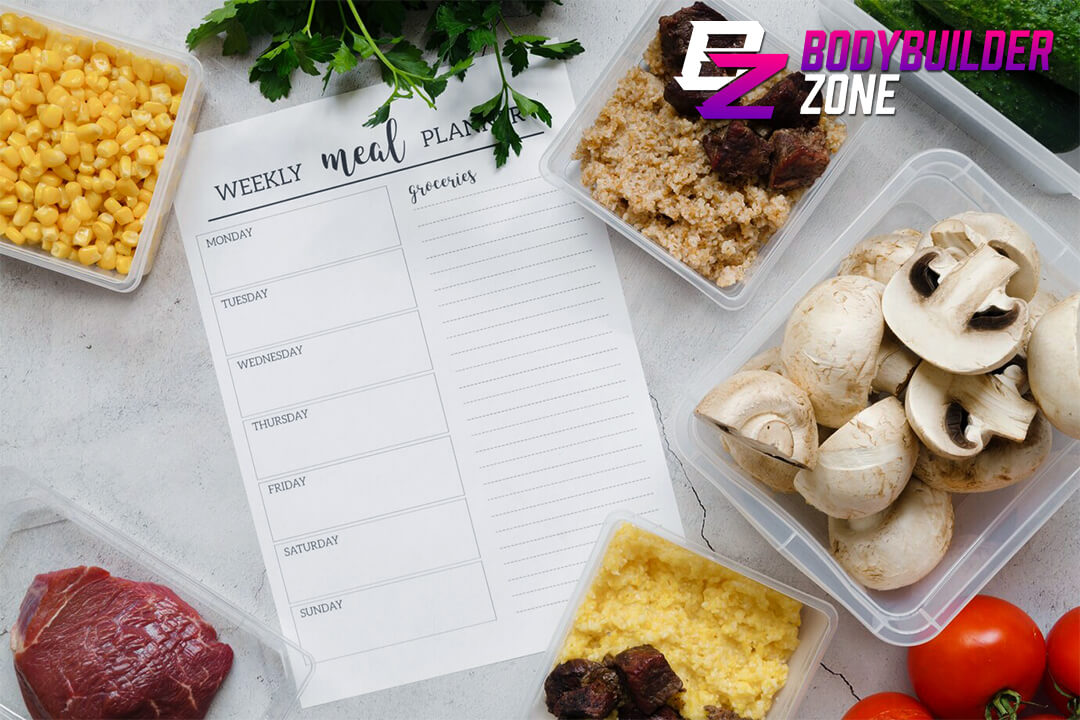
Planning meals you want to prepare for the week should be your priority. You might design a straightforward dinner with a balanced selection of veggies, meats, and nutritious carbohydrates.
- Write a shopping list
After you have organized your meals, write a thorough list of the items you intend to buy. Following the list helps you prevent impulsive purchases that might not align with your goals, save time, and cut down on food waste.
- Pick dishes you enjoy
Select dishes you genuinely enjoy and look forward to eating to avoid meal prep burnout. To make meals exciting and anything but dull, add a little variation in the cuisine and flavour.
- Purchase high-quality containers
Sturdy and leak-proof containers that work well in the freezer and microwave are important. They keep your food fresh and make it easy to store and reheat, especially if you are preparing in large quantities.
- Batch cook where possible
Make big quantities of foods that can be used in several different meals, such as quinoa, rice, or roasted vegetables. This allows you to prepare many meals with minimal effort and saves time.
| Tip | Details |
| Plan meals weekly | Outline your meals in advance to stay organized and make grocery shopping efficient. |
| Batch cook staples | Cook larger portions of basics like grains, roasted veggies, and proteins to use throughout the week. |
| Use quality containers | Invest in microwave- and freezer-safe containers to store meals and keep them fresh. |
| Experiment with flavours | Include diverse flavours and cuisines to keep meals interesting and prevent boredom. |
| Set aside prep time | Dedicate a specific day or time for meal prep to make it a consistent, manageable habit. |
It may have a significant impact on your health goals because it truly saves so much time and stress during the week. Other strategies to simplify meal preparation include pre-planning meals, creating a shopping list, and scheduling prep time.
Conclusion and Next Steps
Meal planning is an excellent method to manage your diet, save time, and achieve your long-term health objectives. If you plan, select wholesome ingredients, and dedicate a few hours each week to meal preparation, your meal prep will be sustainable. Consistency is essential because every little effort creates habits that support overall health and make everyday food choices easier.
As you proceeded with dinner preparation, you adjusted your strategy to suit your needs. Try new recipes, continue to experiment with portion sizes, or use in-season foods to keep meals interesting and fresh.
Start with small steps if you’re new to meal prep, prepare 1–2 meals each week at first, then increase your efforts as you gain confidence:
- Establish reasonable goals. To avoid becoming overwhelmed by the idea of meal planning, start with a very basic plan.
- Try new recipes frequently. Variety keeps you from growing weary of the same old foods and guarantees that you are getting a wide range of nutrients.
- Evaluate and modify. Review your practice on a regular basis to determine what works and what doesn’t, and make any necessary changes to streamline.
By following these guidelines, meal preparation will become a fun part of your daily routine that will help you maintain your long-term wellness and nutrition objectives.















Leave a comment