

Introduction to Powerlifting
Powerlifting focuses on achieving maximum strength in the deadlift, bench press, and squat. It differs greatly from bodybuilding, where a significant portion of the focus is on muscular appearance. It is a sport in which competitors display their natural strength and skill. Athletes compete to see who can do each of these disciplines with the biggest weights.
Since each lift requires a unique combination of mechanics and skills, the technique is crucial to success in the sport of powerlifting. Hours upon hours of practice help athletes improve their skills and build strength. These are the key aspects of powerlifting that you can be interested in:
| Aspect | Description |
| Core lifts | The three main lifts are squat, bench press, and deadlift, which test maximal strength. |
| Technique and form | Mastery of proper lifting techniques is essential for safety and optimal performance. |
| Competitive environment | Powerlifting fosters a strong community where athletes support each other during training and events. |
| Mental toughness | Developing resilience and focus is crucial for managing competition pressure and achieving goals. |
| Global participation | Powerlifting is practised worldwide, with events for athletes of all levels and backgrounds. |
This summary identifies some of the key elements that contribute to powerlifting’s distinctiveness, difficulty, and rewards as a sport. Powerlifting offers excellent opportunities for development, strength training, and social engagement for every athlete, regardless of experience level.
Understanding the Basics
Powerlifting is built on three fundamental lifts: the squat, bench press, and deadlift. Because each of these exercises uses a distinct group of muscles, a varied lifting technique is needed to maximize performance and ensure safety. Because good technique directly affects lifting results and injury avoidance, any aspiring powerlifter should be well-versed in the fundamentals of each of these exercises.
- Squat
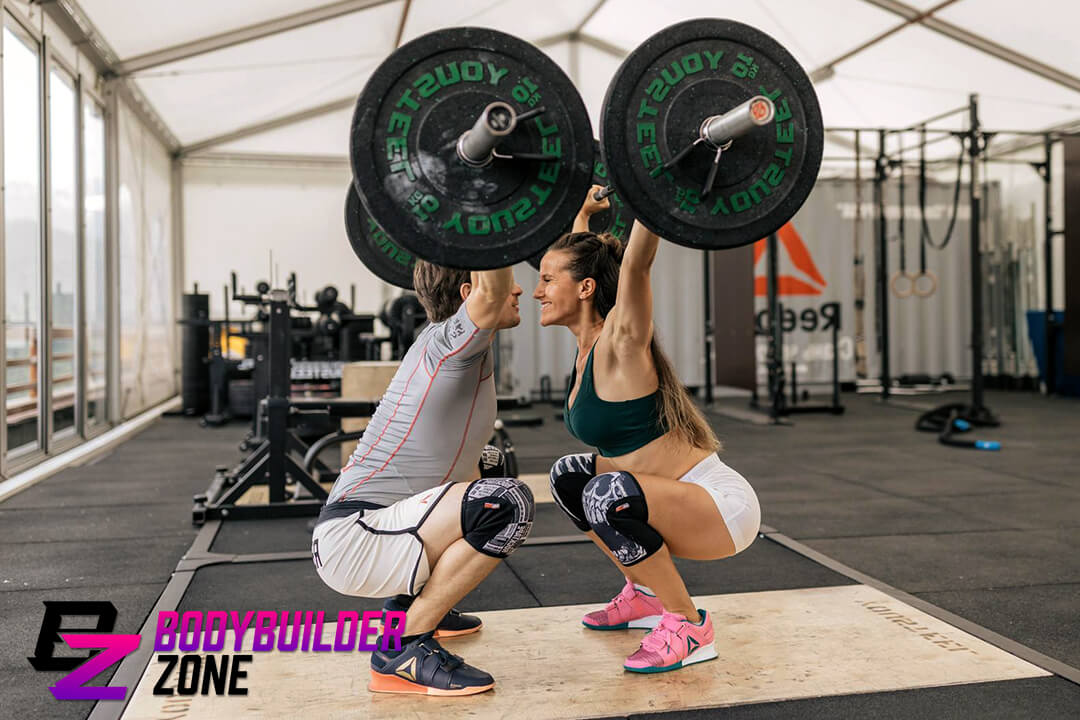
The quadriceps, hamstrings, glutes, and lower back are the main muscular groups targeted by this challenging exercise. The proper form is sitting with the back straight and the chest up, with the feet shoulder-width apart. Then, drive through the heels to go back to the beginning position. The spine should remain in a neutral posture during the action.
- Bench press
This exercise works the upper body, including the triceps, shoulders, and chest. The workout known as the bench press involves the participant lying on a flat bench, lowering and raising a barbell onto their chest. It’s important to note that the feet should be flat, the back should be arched but not off the bench, and the grasp should be firm but not too tight on the bar.
- Deadlift
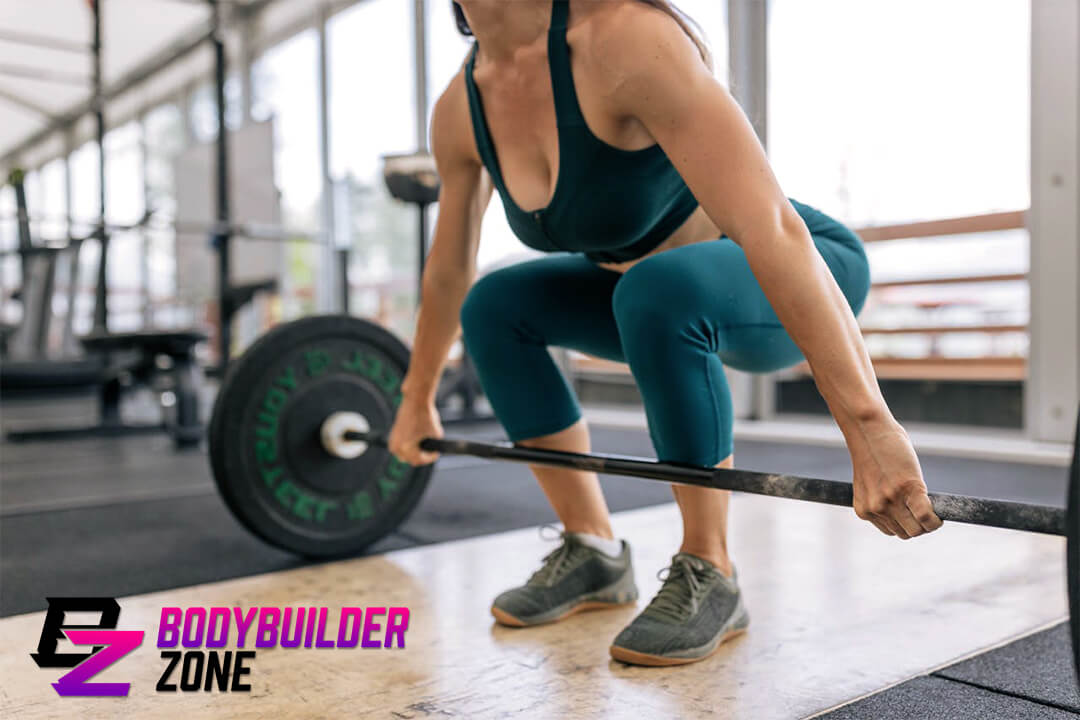
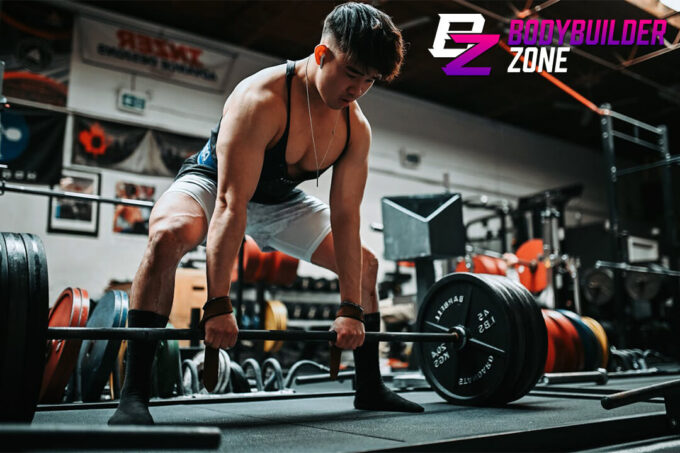
Another complex exercise that works many muscular groups, such as the back, glutes, hamstrings, and core, is the deadlift. An athlete begins by placing the barbell on the floor with their feet hip-width apart. They then raise the bar off the ground by extending their hips and knees. Maintaining a straight back, bracing the core, and putting weight through the legs are all part of the appropriate technique for this movement.
A strong foundation in powerlifting concepts is crucial for athletes who want to continue in the sport for a longer period, both from a competitive and personal fitness standpoint. The following are fundamental guidelines for powerlifting training:
- The idea of gradually increasing the weights used over time in order to increase strength is known as progressive overload.
- To master the technique and build muscle endurance, one must practice frequently.
- During training, give yourself time to recuperate; this helps you avoid injuries and encourages muscular growth.
- To keep athletes fuelled for intense sessions, a proper diet supports both training and recovery objectives.
Powerlifting is based on mastery of the 3 primary lifts, appropriate training techniques, and appropriate performance approaches. A strength athlete may work toward their strength objectives with the least chance of harm if the fundamentals are thoroughly understood.
Finding a Powerlifting Coach or Gym
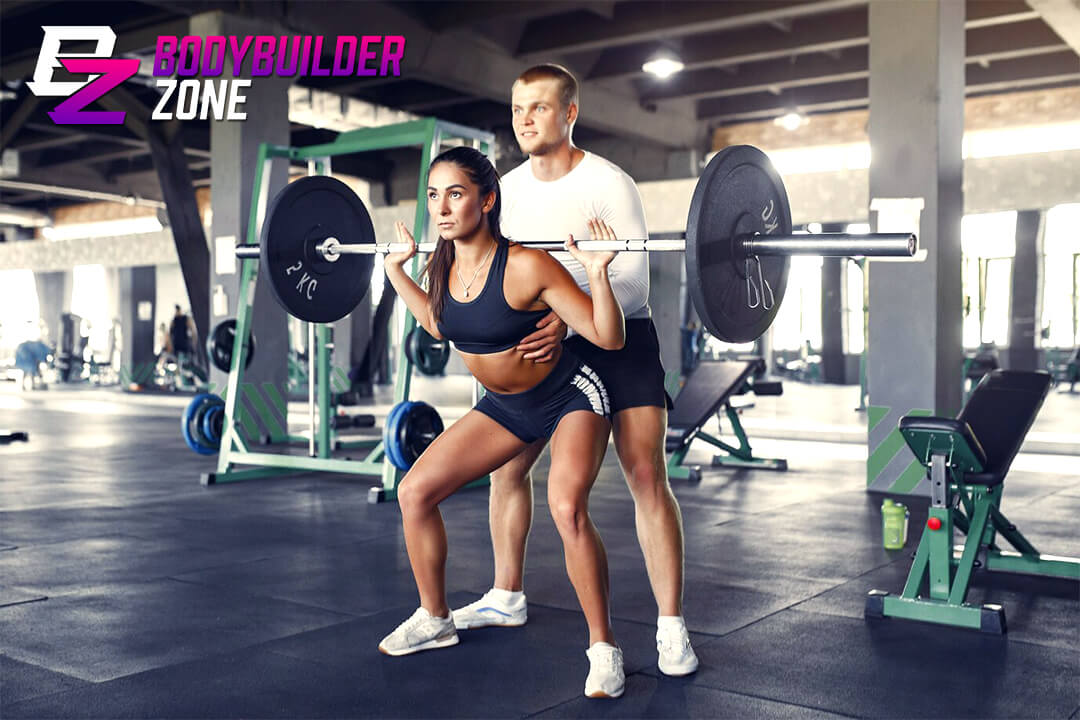
A competent coach will support you in achieving your objectives by offering you individualized training plans. A positive environment at a friendly gym is already tailored to powerlifting, so you can be sure that there is support from the community while you train. When looking for a coach and a reputable gym, the following factors should be taken into account:
- Experience and qualifications
The coach should possess well-known credentials and possess a solid foundation in powerlifting mechanics and strength conditioning.
- Training philosophy
Whether your goals are technique, competition readiness, or strength development, the coach’s training philosophy should align with your objectives.
- Personal rapport
For a positive connection to thrive, you need to be able to locate a coach who is encouraging, talkative, and approachable enough.
- Verified success record
An analysis of previous customers and endorsements about the coach’s efficacy.
- Equipment availability
Good barbells, squat racks, benches, and deadlift platforms are essential pieces of equipment in a powerlifting facility.
- Gym atmosphere
The gym you’ll be going to is going to be encouraging, essentially a place where people encourage one another.
- Location and convenience
To make working out regularly and effortlessly, select a gym that is easily accessible.
- Trial membership
Take advantage of day passes or trial memberships to evaluate the gym’s amenities and ambience.
You are now on your path to becoming a stronger version of yourself if you choose the best powerlifting instructor or gym. With the correct direction and encouragement, you will have developed strength, learned technique, and experienced the camaraderie of like-minded people.
Building Your Training Program
For every powerlifting trainee, creating an appropriate training program is essential to achieving the best possible outcomes. This customized program will take into account your goals, time constraints, and present strength level. Because everything will be carried out according to a well-thought-out strategy, it will be simpler to monitor your progress regardless of your level of experience.
| Day | Focus | Main lifts | Accessory exercises |
| Monday | Squat day | Squat | Lunges, leg curls, plank variations. |
| Tuesday | Bench press day | Bench press | Dumbbell press, bent-over rows and tricep extensions. |
| Wednesday | Recovery/rest day | – | Light cardio, mobility work, stretching. |
| Thursday | Deadlift day | Deadlift | Pull-ups and ab rollouts. |
| Friday | Dynamic effort day | Speed squats/bench press | Plyometrics, resistance band work. |
| Saturday | Accessory focus | – | Snatch grip deadlifts, front squats and core work. |
| Sunday | Recovery/rest day | – | Active recovery, yoga or foam rolling. |
You must carefully consider your objectives, lifting frequency, and recuperation while designing a powerlifting training program. Consequently, concentrating on the primary lifts and monitoring your improvement may all work together to provide a useful and efficient training program.
Conclusion and First Steps
Starting a powerlifting adventure may be both thrilling and demanding since it involves a lot of learning, technique consolidation, and strength growth. Powerlifting is not about lifting more weight; rather, it’s about a commitment to enhancing one’s general fitness via the development of mental toughness and perseverance over time. Everyone may make progress and benefit from organized instruction in reaching reasonable strength training goals.

There are a few easy steps to follow while beginning powerlifting that can greatly increase your chances of success and pleasure. Here are some fundamental actions to think about taking to get you started:
- Establish specific goals
These might be to compete, gain strength, or just learn the fundamentals. Setting clear objectives can help you stay motivated and on track. Divide those overarching objectives into more manageable benchmarks at which advancement may be tracked.
- Technique first
Learn the proper form for deadlifting, bench pressing, and squatting before you start lifting large weights. Both performance and injury prevention depend on using proper technique. To lay solid foundations, think about starting with a coach.
- Choose the right environment
Look for a gym that meets your specific needs in a welcoming and supportive setting. A welcoming powerlifting gym with good equipment and encouraging staff may make all the difference in your motivation and training.
- Start with a basic program
For the novice, stick to a barbell program consisting of the three primary exercises (squat, bench, and deadlift) and then incorporate some accessory training. As your strength and confidence grow, the intensity should gradually rise.
- Monitor your progress
Record your lifts, sets, and repetitions in a training journal. Regularly monitoring your performance helps you stay accountable for your objectives and supports the required adjustments to get even better.
If the proper attitude and preparation are in place, powerlifting can be incredibly fulfilling. Through a circle of positivity, from modest beginnings to positive habits, let this serve as the cornerstone for future growth and enjoyment. You will be a strong advocate for the ongoing development and success of powerlifting if you are patient, dedicated, and honest with yourself about your objectives.










Leave a comment