


Overview of Mr. Olympia History
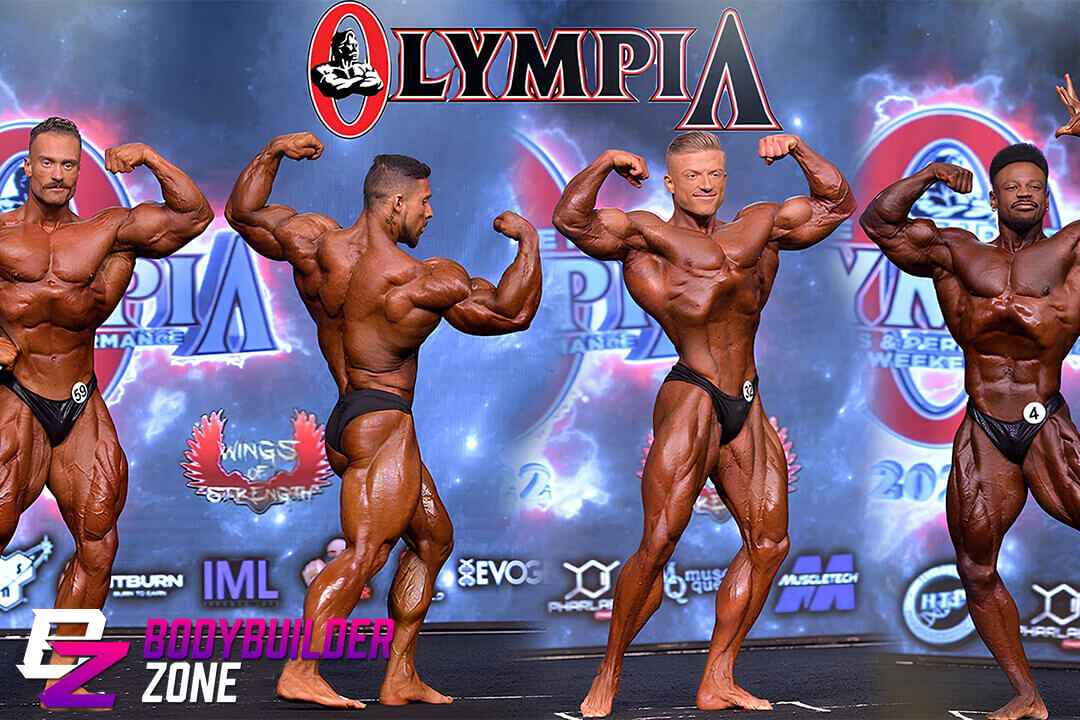
In the highest bodybuilding division known as Mr. Olympia, the best physiques compete and serve as role models for other bodybuilders. Joe Weider founded Mr. Olympia in 1965 as a tournament that has become a global sensation and draws only the top athletes from across the world. Mr. Olympia would soon be “the title to beat.” This was done to provide professional bodybuilders with a platform to compete in competitions other than national ones.
Bodybuilding history is reflected in this competition, with training regimens, physiques, and judging standards evolving with each decade. Legendary people like Jay Cutler, Ronnie Coleman, Lee Haney, and Arnold Schwarzenegger have graced it; their incredible triumphs have left an enduring impression. In addition to pushing the boundaries of physical growth, each of these champions had an impact on popular culture, diet, and training techniques.
- The 1960s–1970s golden era
This was the period that gave sportsmen like Sergio Oliva and Arnold Schwarzenegger their attractive bodies. Bodybuilding was becoming more popular, and Arnold’s six consecutive Mr. Olympia victories from 1970 to 1975 contributed to the sport’s rise to prominence.
- The 1980s–1990s mass era
Champions like Lee Haney, who held the title of largest of them all for an unprecedented eight years, from 1984 to 1991. Although it varied in size, this age kept everything in balance. In order to push the boundaries of size and muscularity, Dorian Yates created what are often known as “mass monsters.”
- Modern era
With Coleman matching Haney’s record of eight Mr. Olympia victories, the 2000s and beyond have been characterized by an even more recent level of muscle growth and definition. These days, Mr. Olympia is at the top of the sport thanks to champion bodybuilders like Phil Heath and Big Ramy, who are just two examples of men who keep pushing the boundaries of muscular growth and fitness.
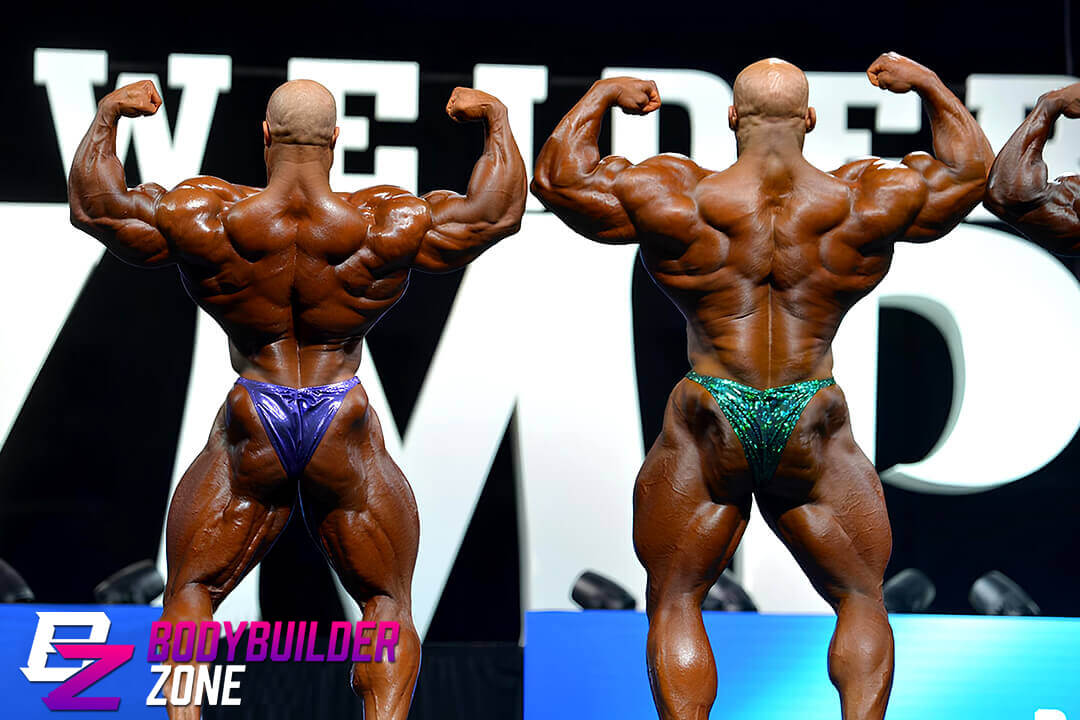
Mr. Olympia evolved into several subcategories that were added to the conventional bodybuilding title throughout time and these consist of:
- 212 Olympia
This class, which is made up of participants weighing 212 pounds or less, gives smaller-framed athletes an equal opportunity to participate.
- Classic physique
In line with the principles of the Golden Era, this category emphasizes symmetry and beauty.
- Men’s physique
Focusing on a general physique and stage presence, this section was established to accommodate more accessible bodies.
- Women’s divisions
With a greater emphasis on women’s strength and fitness, the women’s divisions have advanced significantly and now include Women’s Physique, Bikini, and Figure classes.
Mr. Olympia’s history reflects shifts in the sport’s and bodybuilding’s broader development aspirations. New categories and winners ensure that it remains a legendary event that inspires bodybuilders and fitness lovers worldwide as it progresses into the future.
Key Changes in Competition Format
In fact, bodybuilding contests changed over time to accommodate the increasing diversity of the participants, new judging criteria, and audience preferences. Every modification has had an impact on the sport’s trajectory, from new weight classes to modifications in the judging standards. The most significant modifications to bodybuilding competition formats are listed here, along with an explanation of how each has influenced the sport:
| Year | Change in format | Description | Impact on the competition |
| 1974 | Introduction of weight classes | In order to provide athletes with different body types a fair chance to participate, the participants were split up into weight groups. | Enabled smaller bodybuilders to be judged fairly and paved the way for diverse physiques. |
| 1922 | Scoring system changes | To fairly award bulk, symmetry, and condition, the judging procedure was changed. | Judges placed more emphasis on balanced development and overall conditioning. |
| 2008 | Creation of the 202 Olympia division | Only competitors weighing 202 pounds or fewer were eligible for the new division. Later on, the maximum weight was raised to 212. | Provided a stage for lighter athletes to compete without being overshadowed by heavier competitors. |
| 2016 | Addition of the classic physique division | The look and dimensions of the Golden Era physiques serve as the foundation for this class. | A revived interest in the “classic” bodybuilding look, drawing competitors with an aesthetic focus. |
| 2018 | Updated judging criteria for women’s divisions | For both Bikini and Figure, the judges in the women’s events gave more weight to muscle tone than bulk. | Made competitions more inclusive and accessible, appealing to a broader range of athletes. |
| 2019 | Introduction of onstage comparisons in men’s physique | Like their more conventional counterparts in other bodybuilding divisions, Men’s Physique competitors started posing next to each other. | Improved the fairness of judging by allowing direct comparison of competitors’ physiques. |
| 2021 | Expanded prejudging and finals for women’s physique | Compared to prior years, the prejudging rounds were more extensive and well-structured, particularly for the women. | Increased visibility for women’s divisions, promoting inclusivity and gender parity in the competition. |
| 2022 | Emphasis on athleticism and functionality in judging | In addition to visual appeal, modern scoring systems now provide points for overall physical conditioning. | Encouraged competitors to focus on conditioning and functional fitness, leading to healthier athletes. |
Therefore, each of these modifications reflects the way bodybuilding contests have been changing, with a focus on size, symmetry, fitness, and health. All of these advancements will significantly contribute to bodybuilding’s continued status as an open, thrilling activity for both competitors and spectators in this rapidly expanding sport.
Influence of Trends on Competitions
Over the years, fitness and cultural trends have influenced bodybuilding competitions like Mr. Olympia. These are the most important patterns that Influenced the mass and size era of competitions:
- Rise of mass and size
The “mass monster” movement gained traction in the 1990s and 2000s. Extreme mass was the standard set by champions like Dorian Yates and Ronnie Coleman, which put pressure on others to reach previously unheard-of levels of muscularity.
- Focus on definition from the 2000s
As the sport developed, increasing attention was paid to muscle definition and body conditioning. More lean muscular mass – that is, minimal body fat, well-developed vascularity, and muscle separation. It was first displayed by the participants when they entered the competition.
- Classic physique
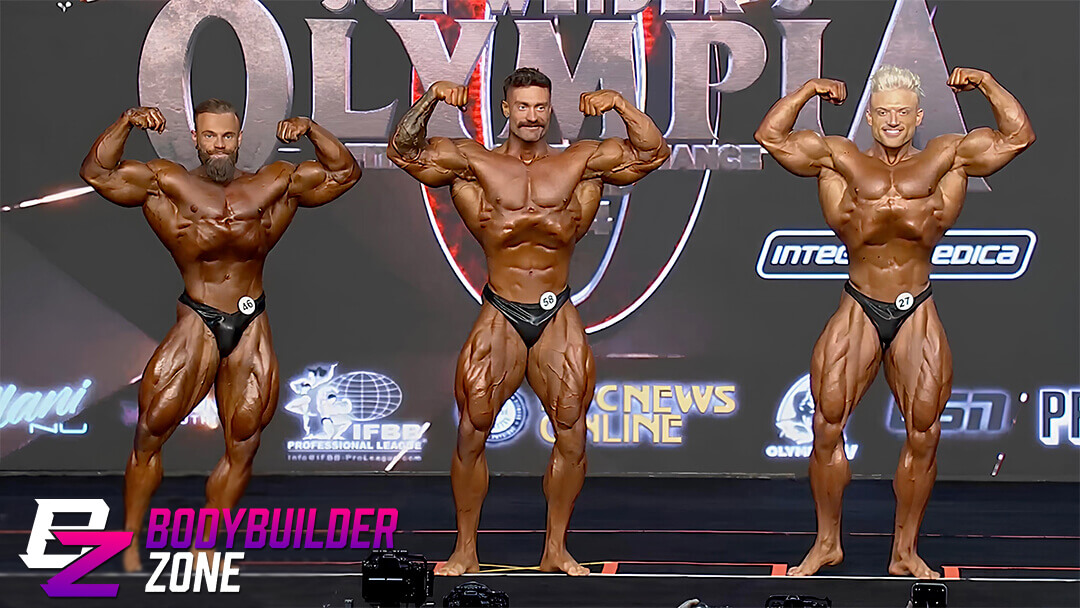
From the 2010s following several requests for bodies more reminiscent of the “Golden Era,” the Classic Physique division was established. It increased the requirements for proportion, symmetry, and aesthetic appeal. The shift in focus once more sparked curiosity in a more balanced appearance.
- Functional and holistic fitness
More recently from 2020, bodybuilding has placed a strong emphasis on athleticism, health, and utility. Functional training, which emphasizes cardiovascular health, flexibility, and mobility, is becoming more and more popular among athletes.
Trends influence judging standards as well as modifications to training methods. As preferences shift, contests also modify the score to take into account new criteria for, say:
- With the rise in popularity of the сlassic зhysique class, it is evident that the judging standards have changed to emphasize overall balance and symmetry.
- In response to athletes who can gain muscle and definition without compromising functional fitness, health-based judging continues to rise.
- Instead of focusing on excessive bulk, divisions like Men’s Physique and Women’s Bikini are designed for the general public who have broader interests in fitness that look adequately sporty.
In other words, bodybuilding competitions are closely linked to societal trends, not only in the fitness sector. As new trends emerge, they influence competitors’ on-stage physiques as well as their tactics, methods, and expectations to stay competitive.
Conclusion and Future of the Competition
Bodybuilding contests like Mr. Olympia have evolved from a few fitness enthusiasts banding together to become internationally renowned events. Over the decades, they inspired millions of people across the world. Since the sport is still in its infancy, it is presently primarily focused on diversity, health, and aesthetics to make sure that the platform is inclusive of all body types and goals.
In light of shifting cultural expectations, health awareness, and fitness concepts, bodybuilding competitions are probably going to keep changing in the future. This kind of evolution might involve the following:
- Additional divisions
It is possible to imagine the addition of new classes that really represent a broader concept of fitness, catering to athletes who have an interest in different performance levels or aesthetics, such as functional strength divisions or hybrid fitness.
- Increased focus on health and longevity
For health-related reasons, competitions are probably going to keep placing an increasing amount of emphasis on the sustainability of training. In addition to exhibiting the best physical form, the judges may increasingly give preference to individuals who exhibit adaptability and general well-being.
- Global participation and inclusivity
Increased interest in and engagement in bodybuilding worldwide can help to promote diversity and global participation by celebrating fitness goals and physiques of all kinds.
The sport’s innovation will keep pushing events like Mr. Olympia to attempt to strike a balance between traditional ideas of bodybuilding and contemporary approaches to wellness and health. As a result, the sport will continue to develop into new, inclusive, and healthful forms that motivate athletes in the future.











Leave a comment