



Understanding Core Strength
Given the involvement of your abdominal, lower back, hip, and pelvic muscles, core strength is one of the most important aspects of physical fitness. An established core serves as a foundation for balance and control whether lifting weights, participating in sports, or simply doing everyday tasks.
In addition to improving athletic performance, core strength also improves health and reduces the risk of injury. Lower back ailments or aches affect a lot of people, and they always start in the core. Understanding the significance of core strength can help you better comprehend how it benefits your body and, consequently, your overall health. These are the key benefits of core strength for athletes:
- Enhanced balance and stability
Strengthening one’s core muscles improves stability and lowers the chance of injury from falls and other physical activities.
- Improved athletic performance
To increase the efficiency of locomotive motions like running, leaping, and throwing, most athletes depend on core strength for momentum.
- Injury prevention
By protecting the spine and pelvis, a strong core lowers the chance of strain or injury from physical activity.
- Improved posture
Proper spinal and pelvic alignment, improved posture, and the avoidance of pain are all facilitated by strong core muscles.
- Enhanced functional strength
Core workouts improve functional strength, which is highly helpful in day-to-day tasks and may facilitate, speed up, and improve the efficiency of chores.
In conclusion, core strength is a component of healthy living that either stems from or exposes a person to general fitness. Through this type of exercise, one may improve posture, avoid injuries, and even increase athletic performance.
Best Core Exercises
The goal of core workouts is to develop a strong, solid midsection for overall fitness and functional mobility. For stability, strength, balance, and better posture, these exercises work the hips, lower back, and abdomen, three important muscle groups. The following describes two of the best core exercises – Russian twists and planks.
Planks
Planks are a traditional, basic core exercise that works the big muscles in your shoulders, back, glutes, and abdomen. It is a truly great workout for building core endurance and stability. The fundamental stages for performing a plank are as follows:
- Place your elbows beneath your shoulders and assume a push-up stance.
- Next, maintain a straight body alignment from head to heels by using your core.
- Finally, as long as possible, hold the posture for 20–60 seconds.
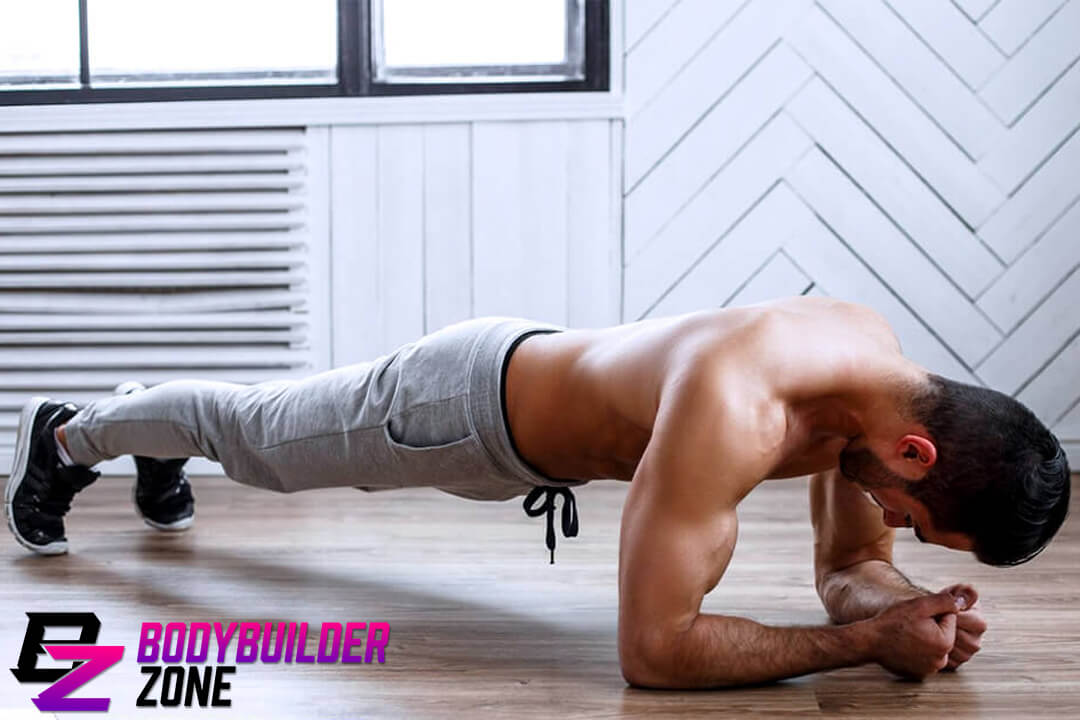
As we move on to training ideas, keep in mind that technique and consistency are key to getting the most out of planks:
| Workout | Duration | Sets | Rest |
| Standard plank | 60 seconds | 3 | 30 seconds |
| Side plank (each side) | 30 seconds | 3 | 30 seconds |
| Plank with shoulder taps | 60 seconds | 3 | 30 seconds |
Gaining core strength and stability via mastery of these plank variations can help you perform effectively in the majority of other physical pursuits.
Russian Twists
One of the best exercises for targeting the obliques, which are crucial for rotational motions, is the Russian twist. In addition to optimizing functional fitness, this exercise will strengthen and stabilize your core. Let’s start with the Russian twist exercise to show how it’s done:
- With your feet flat and your knees bent, take a seat on the floor. Maintain a straight back while bending gently.
- Using both hands, hold a medicine ball or weight in front of you.
- Pull the weight next to your hip while you rotate your body to one side, then the other.
- For as many repetitions as you like, keep switching sides.
Make careful you maintain good form before starting the workout and throughout it to prevent strain. This table serves as an example of a Russian twist exercise:
Gaining proficiency in these Russian twist exercises can assist improve core strength, stability, and functional movement while also adding variation to one’s training routine.
| Workout | Repetitions | Sets | Rest |
| Russian twists | 15–20 | 3 | 30 seconds |
| Weighted Russian twists | 10–15 (each side) | 3 | 30 seconds |
| Medicine ball Russian twists | 12–15 | 3 | 30 seconds |
Russian twists and planks both target the core in a way that makes them a great combination for strengthening the midsection. When combined with other training modalities, consistent usage of these exercises will strengthen the core, improving balance, athletic performance, and reducing the risk of injury.
Importance of Core Strength in Daily Life
Ignoring core strength frequently results in subpar physical performance, which is mostly manifested in bad posture, back discomfort, and an increased risk of injury. Nonetheless, improving one’s core strength may improve one’s quality of life in addition to their physical performance. Core strength is crucial for daily functioning for the following reasons:
- Improved stability and balance
A strong core is the foundation of stability and balance. This becomes crucial while doing tasks that call for abrupt direction changes or on uneven terrain to reduce the risk of falls and injury.
- Better posture
Preserving the correct spinal alignment requires core strength. The pull of slouching is lessened by a strong core, which also supports the back. In addition to reducing pain, improved posture promotes easier breathing and digestion.
- Injury prevention
By strengthening the core, it helps to prevent injuries to the spine and surrounding muscles during everyday activities. By providing stability to the pelvis and lower back, a strong core can lessen the pressure on these areas and limit the risk of injury.
- Enhanced functional fitness
Having a strong core is very beneficial for daily tasks. It is easier to do tasks like reaching for something on a high shelf and even getting in and out of a car with less discomfort.
- Improved athletic performance
People who have a strong core perform better in a variety of sports and fitness activities. It produces the power required to improve agility, maintain balance, and carry out running, leaping, and throwing tasks with ease.
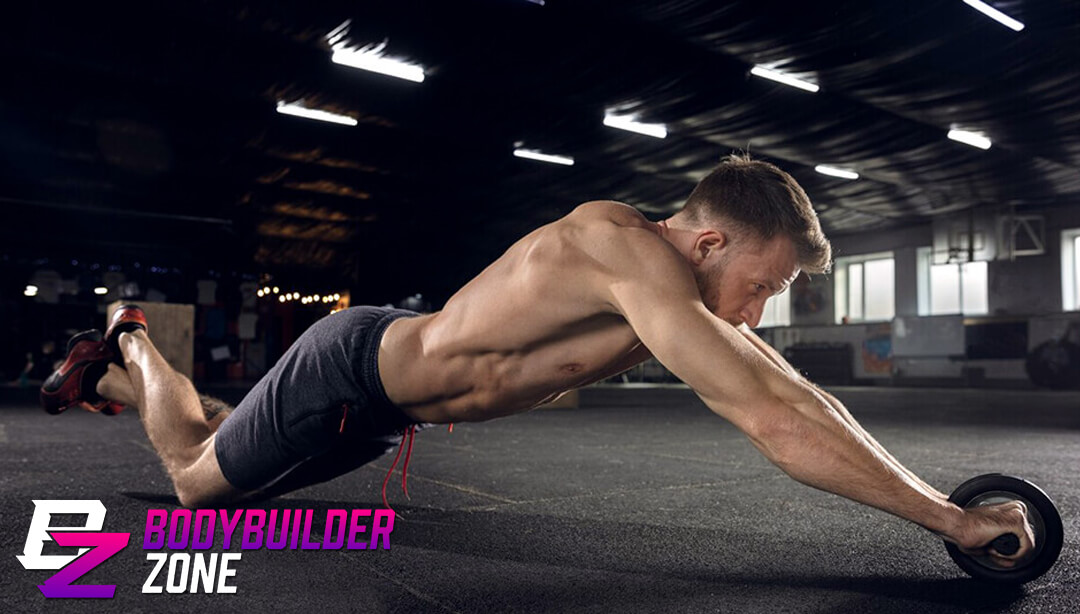
You will see how core strengthening has a big influence on your general health and functionality in that way. Understanding what your core accomplishes for you on a daily basis will give you the knowledge you need to make the right decisions that will start the change.
Frequency and Volume for Core Workouts
To optimize strength development, a suitable exercise volume and frequency must be chosen. Since the core often stabilizes the body during the majority of exercise activities, it can generally withstand greater training frequencies. However, if you want to make the most improvement, you must strike a delicate balance between rest and effort to prevent overtraining.
- Frequency
Most people find that doing core exercises 2 or 4 times a week improves their fitness. When strength and endurance improve, a novice might increase to three or four sessions per week from the initial two.
- Volume
Depending on one’s fitness objectives and ambitions, the volume of the core workouts might change. Static exercises, like planks, should be held for 20–60 seconds, or up to 2–4 sets of 10 to 15 repetitions each. Exercises that target various parts of the core, including the rectus abdominis, obliques, and lower back, are also beneficial.
You may create your exercise regimen, but pay attention to your body by varying the amount and frequency. The suggested volume and frequency for core exercises are summarized in the table below:
| Training aspect | Beginner | Intermediate | Advanced |
| Frequency (per week) | 2 sessions | 3 sessions | 4 sessions |
| Sets per exercise | 2–3 sets | 3–4 sets | 4–5 sets |
| Repetitions | 10–15 reps | 15–20 reps | 20–25 reps |
| Static holds (planks) | 20–30 seconds | 30–45 seconds | 60 seconds+ |
It is simple to build a highly strong and stable core, which improves functional mobility and athletic performance. Workouts should be consistent and gradually increased in intensity.
Conclusion and Tracking Progress
Building core strength is essential for improving overall fitness, and athletics, and providing a healthy lifestyle. It is essential for keeping balance, avoiding accidents, and having proper posture. It is also a fundamental component of any workout program. Improvement tracking will guarantee that you achieve real improvement and maintain your motivation throughout your core training journey. There are several efficient methods for tracking progress, including:
- Workout log
By recording the exercises you’ve finished, the amount of sets, repetitions, and hold times, you can keep track of your core workouts. This will make it easier to spot any patterns and/or potential areas for development.
- Visual progress
Throughout the procedure, record your posture and form using photos and videos. The illustration will aid in outlining definitional modifications and a general strengthening of the text.
- Feedback from others
To hold yourself responsible, work with a personal trainer or a workout partner who may provide you with ideas regarding technique and advancement.
Combining frequent progress tracking with planned core workouts, helps you stay motivated as you work toward your fitness objectives. It takes time to develop core strength, but perseverance and dedication will pay off in the long run.













Leave a comment