


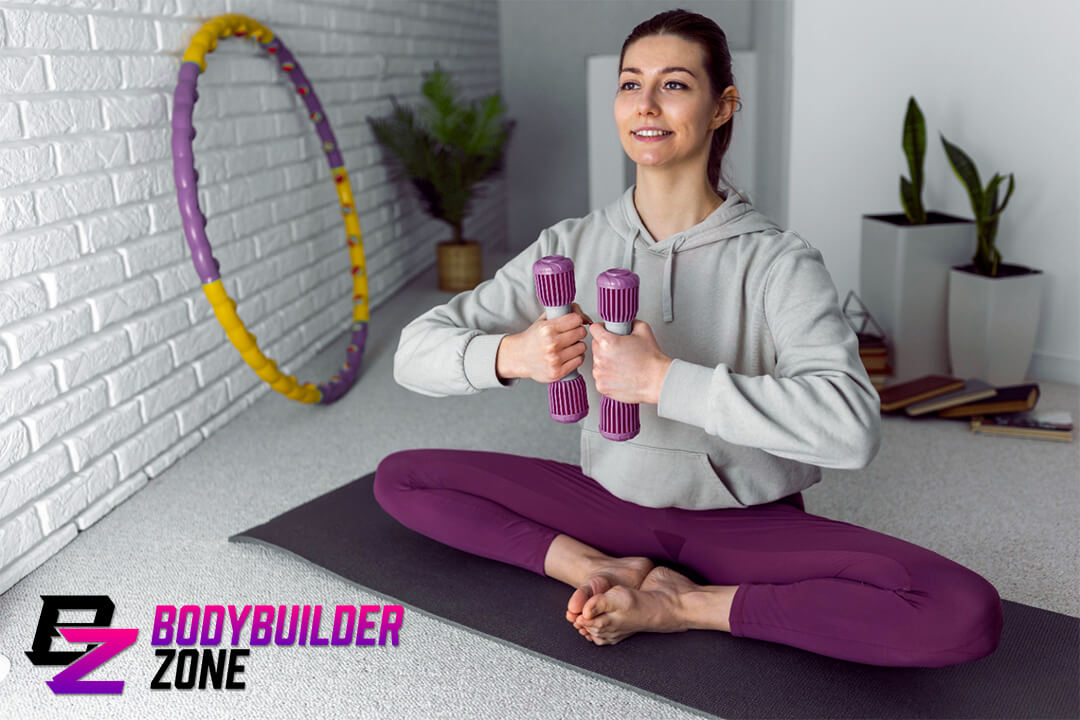
- The Connection Between Fitness and Mental Health
- Scientific Insights
- Personal Testimonials
- Types of Exercise Beneficial for Mental Well-Being
- Aerobic Activities
- Strength Training
- Incorporating Mindfulness into Fitness Routines
- Yoga and Meditation
- Breathing Exercises
- Setting Fitness Goals for Mental Wellness
- SMART Goals
- Tracking Progress
- Conclusion: A Holistic Approach to Health
The Connection Between Fitness and Mental Health
In today’s environment, physical and mental health are intimately related; exercise improves mood, reduces stress, and enhances mental health overall. Exercise is becoming increasingly about the mind as much as the body as more individuals realize the mental benefits of maintaining a healthy lifestyle.
Scientific Insights
Conversely, it has been repeatedly demonstrated that exercise has significant positive effects on mental health. You may be better able to understand how exercise might improve your mood if you understand the mechanics behind it:
- Releases mood-improving chemicals
Exercise tends to release serotonin and endorphins, which are linked to better moods and a decrease in anxiety and depressive symptoms.
- Lowers stress levels
Exercise lowers cortisol and other stress hormone levels. Among other things, yoga and aerobic workouts have been shown to lower stress.
- Enhances cognitive skills
Regular physical activity increases blood flow to the brain, which enhances memory and focus and aids in problem-solving.
- Builds resilience
With consistent practice, the body and mind can adjust to difficult situations and react appropriately to obstacles.
All of these results suggest that exercising while living is likely one of the greatest ways to preserve emotional equilibrium and mental clarity.
Personal Testimonials
Some people say that fitness has improved their mental health in unexpected ways; many even say that exercising makes them feel more resilient, upbeat, and grounded. Others emphasize how fitness helped them face difficult situations and feel more confident, while others claim that regular exercise has become a “mental reset” that helps them manage stress better.
Hearing about these psychological advantages from those who have already benefited from them sometimes occasionally be all the motivation someone needs to consider exercising for both physical and mental health.
Types of Exercise Beneficial for Mental Well-Being
Different types of exercise may indeed benefit mental health in different ways, whether it’s through stress management or mood enhancement. Therefore, you may profit from the many activities you are doing, including strength training and cardiovascular workouts, to attain a variety of mental health advantages that cater to different wants and objectives.

Aerobic Activities
Running, swimming, and cycling are examples of aerobic workouts that have long been linked to increased energy and mood. These are the key benefits of aerobic activities for athletes:
- Mood enhancement
Exercises that raise heart rates cause the body’s natural mood-enhancing chemicals, endorphins, to be released.
- Stress reduction
Regular cardiovascular exercise reduces cortisol levels, the stress hormone, thus after working out, people tend to return to their jobs with a much more composed and cool demeanour.
- Better sleep
Regular aerobic exercise improves sleep patterns, which are essential for mental clarity and emotional stability.
Attending each session of an aerobics dancing class or going for a brisk walk would undoubtedly result in a change in one’s overall well-being.
Strength Training
Less well-known are the numerous psychological advantages of strength training, which include the following:
- Enhanced self-esteem
Seeing physical improvements and gaining strength may boost one’s confidence and overall body image.
- Stress reduction
Bodyweight and weight-bearing activities are excellent strategies for managing stress and even rage.
- Cognitive benefits
According to some studies, lifting weights may even improve memory and reduce the chance of cognitive deterioration in later life.
It is a comprehensive approach to mental health as incorporating both workouts into one’s life enhances both the body and the mind.
Incorporating Mindfulness into Fitness Routines
Including mindfulness in your exercise routine will increase your mental and physical benefits. During training, these techniques, such as yoga and meditation, help you develop a deeper connection with the body.

Yoga and Meditation
Yoga and meditation are excellent ways to integrate mindfulness and physical health. The following are the main advantages of adding yoga and meditation to your exercise regimen:
- Encourages relaxation
Yoga encourages relaxation via deliberate movement and breathing control. By revitalizing your body and mind, it aids in the removal of stress and worry.
- Improves concentration
Yoga and meditation enhance concentration, which helps you stay focused and in the moment when working out. Increased awareness will result in improved alignment and posture, which will lower your risk of injury.
- Enhances flexibility
The various yoga poses strengthen and stretch the muscles, which increases flexibility. With time, this can result in an increased range of motion and make it easier to conduct other physical activities.
| Benefit | Description |
| Stress relief | Helps manage and reduce stress levels through relaxation. |
| Improved focus | Enhances concentration and awareness during workouts. |
| Physical benefits | Increases flexibility and strength through varied poses. |
| Emotional balance | Promotes a sense of calm and emotional stability. |
In addition to improving one’s physical strength and flexibility, these two disciplines aid with silent mental concentration.
Breathing Exercises
A simple and efficient method to incorporate mindfulness into your training regimen is to do breathing exercises. These workouts concentrate on regulated breathing patterns, which have several advantages for both mental and physical performance.
- Improves performance
Concentrated breathing increases the amount of oxygen that reaches your muscles, which enhances your overall performance throughout a workout. Controlling your breathing will help you stay energized during your workout.
- Lessens anxiety
Before or during exercise, deep breathing exercises might help you relax and feel less anxious. Individuals who suffer from pre-workout nerves or performance anxiety will find this particularly beneficial.
- Fastens recovery
Relaxation and recuperation following exercise are facilitated by controlled breathing. Your heart rate may be lowered by concentrating on your breathing, which will help your body relax more deeply.

It involves integrating mindfulness practices like yoga, meditation, and breathing techniques into a fitness regimen. As a result, it provides a highly well-rounded approach to nourishing the body and mind.
Setting Fitness Goals for Mental Wellness
Establishing fitness objectives will significantly improve your mental health. A clear and attainable goal inspires drive and a feeling of purpose, which often improves mood and mental health in general. Focusing on your fitness goals will help you develop a positive outlook, increase your sense of self-worth, and manage stress more effectively.
SMART Goals
SMART stands for Specific, Measurable, Achievable, Relevant, and Time-bound, and it is likely one of the best criteria for goal-setting. It enables you to specify exactly what you hope to do, how you plan to accomplish it, and when you must accomplish it. Below is a summary of the SMART criteria:
| SMART element | Description |
| Specific | Define your goal clearly. For example, instead of saying “I want to get fit,” specify “I want to run 5 kilometres.” |
| Measurable | Make sure you can track your progress. For instance, set a target to exercise three times a week. |
| Achievable | Set realistic goals that are within your reach, taking into account your current fitness level. |
| Relevant | Ensure that your goals align with your overall mental wellness objectives, like reducing stress. |
| Time-bound | Establish a deadline to create a sense of urgency. For example, aim to complete your goal within 3 months. |
One might create structured and purposeful fitness objectives by adhering to the SMART criteria, which would aid in the process of achieving mental health.
Tracking Progress
A crucial component of reaching one’s goals, whether they be improving mental health or physical fitness, is tracking one’s progress. Here are a few simple methods to monitor your progress:
- Keep a journal of your exercises, emotions, and difficulties. Examine past experiences to identify trends and acknowledge accomplishments.
- Make use of technology to monitor your exercises, caloric intake, and accomplishments. Many of them include helpful reminders and insights to help you stay motivated.
- Break down your large goals into more manageable ones. Reaching these benchmarks might be seen as one of the successes that can inspire motivation to keep going.
By using these techniques, you will take responsibility for your physical health as well as improve your mental state by thinking critically and acknowledging your accomplishments.
Conclusion: A Holistic Approach to Health
For someone to become physically and psychologically healthy, it is crucial to incorporate a regular exercise regimen into their daily schedule. Setting measurable objectives, tracking your progress, and using various training techniques will help you develop both mental and physical fortitude. Every step leads to a more balanced and healthful life, whether it’s strengthening muscles, concentrating on cardiovascular activity, or calming the mind with meditation.
You become aware of the close relationship between the mind and body adopting a holistic approach to health. While diversity in activities keeps you interested and motivated, consistency in achieving goals puts your mind in a good position. To put it briefly, it is figuring out what works for you and keeping going in the direction of a better, healthier version of yourself.
















Leave a comment