


The Role of Mental Toughness
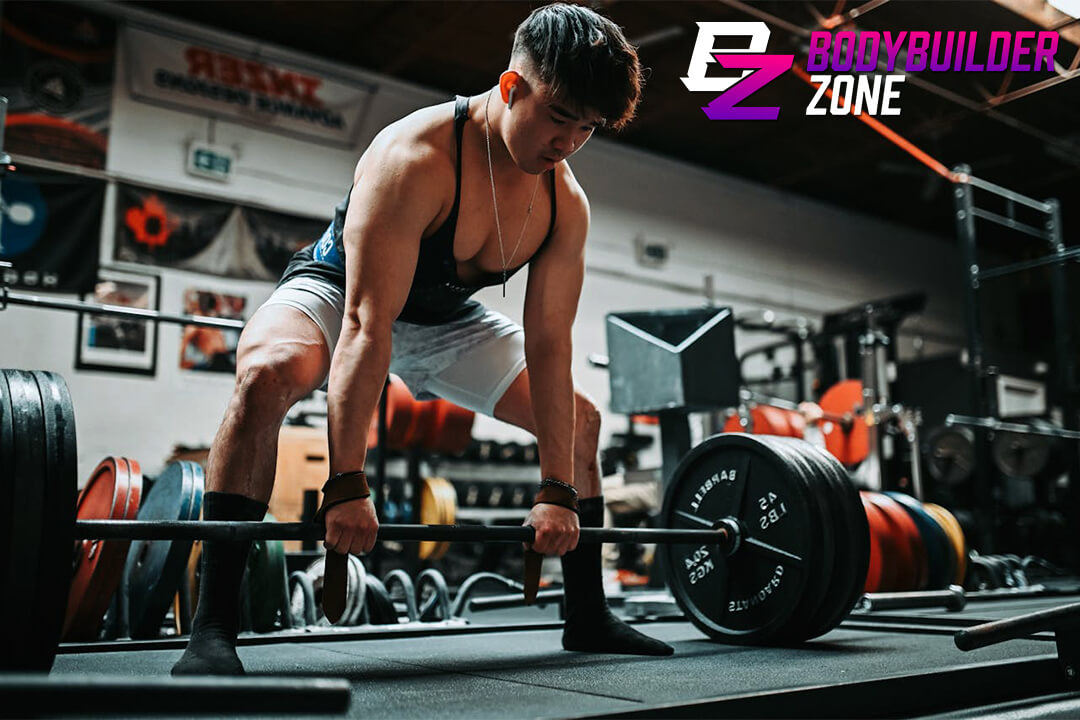
Mental toughness is crucial in powerlifting since the discipline demands something very distinct from just physical strength. An athlete’s mental toughness will enable him or her to endure discomforts, control stress, and maintain concentration on their goals. Lifters who participate in competitions are tested physically, and those who possess mental fortitude can persevere through losses.
When it comes to handling anxiety and maintaining concentration on competition day, this helps build mental toughness. Strict regulations, performing in front of an audience, and competing against other opponents may all put pressure. Lifters with a good mental game may be able to stay composed, avoid frustration after a failed attempt, or even feel confident about each lift. Why powerlifting requires mental toughness to support consistent training:
- Supports consistent training
Mental toughness keeps athletes on track with their training schedule even during challenging or disappointing times.
- Better performance under pressure
A lifter’s strong mentality enables them to manage anxiety and high expectations with calm and composure on competition day.
- Supports reaching set goals
Mentally strong athletes can set high standards for themselves and work tirelessly toward them by overcoming setbacks and achieving gradual development.
- Positive adaptation
Mentally strong athletes who see challenges as chances for growth are more likely to be inspired to work hard and strive for long-term progress.
- Recovery and injury management
Resilience keeps the athlete focused on recuperation while making timely, safe progress in the face of obstacles like injuries.
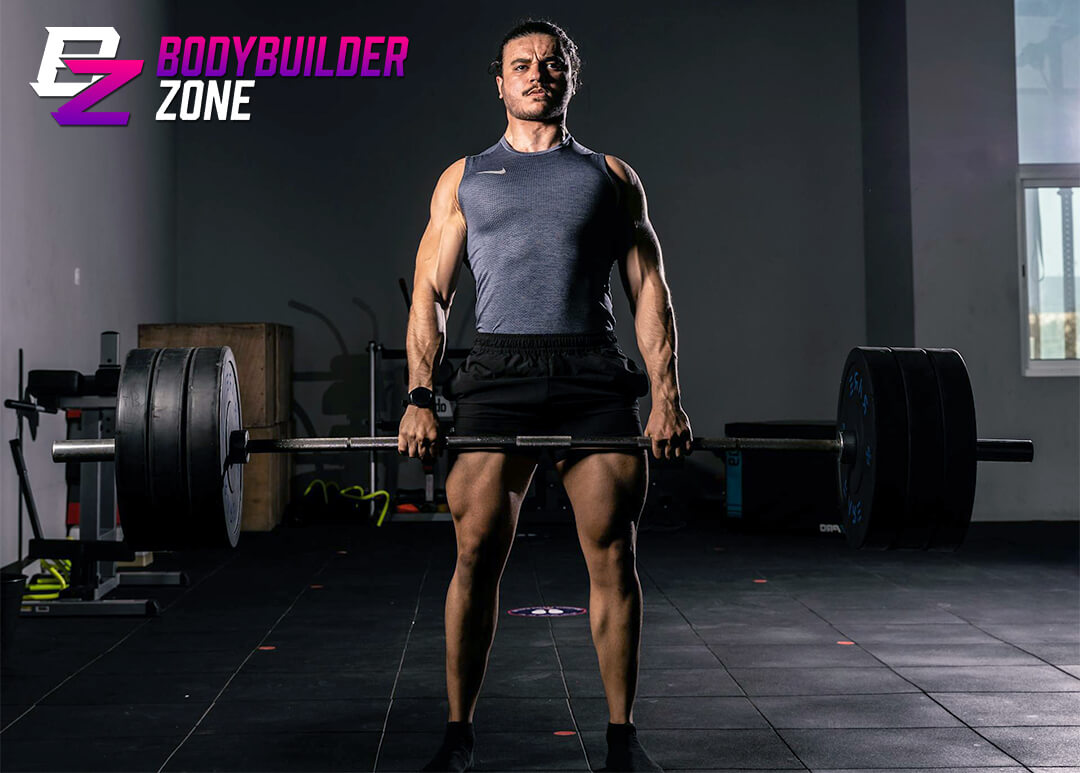
Building mental toughness is just as crucial to powerlifting as developing physical strength because it gives the athlete the concentration and attitude they need to consistently meet and exceed their goals.
Techniques for Improving Focus
Enhancing one’s degree of attention is crucial for powerlifters since success or failure is mostly determined by one’s ability to focus. Powerlifters will be able to perform at their best and accomplish their objectives by using these tactics to increase their level of attention:
| Technique | Description | Benefits |
| Pre-lift routine | Consistent warm-up and mental preparation sequence. | Signals readiness and enhances performance. |
| Mindfulness and meditation | Practices that promote present-moment awareness and reduce anxiety. | Improves mental clarity and concentration. |
| Clear goal setting | Establish measurable goals for training sessions. | Provides a target for focused effort. |
| Positive self-talk | Affirmations or encouraging phrases to boost confidence. | Helps manage distractions and self-doubt. |
| Limit distractions | Reducing external noise and interruptions during workouts. | Enhances sustained attention on lifting. |
During training and competition, an athlete with strong attention may execute lifts precisely, adhere to his plans, and block out unimportant ideas. Among the successful methods for increasing attention are:
- Establish a pre-lift schedule
By teaching the brain to understand that it’s time to focus, a pre-lift routine can aid. A regimen like this may involve a variety of targeted warm-ups, visualizing good lifts, or even just listening to inspirational music.
- Meditation and mindfulness
This will assist the mind to learn how to focus and be in the now. Frequent mindfulness practices reduce anxiety and improve focus. Before training or competition, a quick meditation helps to clear the mind.
- Clearly defined objectives
Focus is maintained by having well-defined objectives for each training session or competition. Knowing what you want to accomplish, whether it’s achieving a specific weight or honing your techniques will allow you to focus on it.
- Make use of positive self-talk
Positive self-talk improves attention and boosts confidence. The best affirmations or words of encouragement for them should be practised.
- Steer clear of distractions
This might entail lowering the volume, disabling phone notifications, or picking a quiet training area. The athlete will be able to stay concentrated throughout training sessions if an environment conducive to concentration is created.
To reach one’s full potential in the activity, the sensation of mental focus enables one to be present and conquer any obstacle.
Dealing with Competition Pressure
Managing pressure is likely one of the most crucial strategies to maximize performance and pleasure in a competitive environment. This therefore entails understanding the sources of this competition pressure and how to handle it.

Several strategies for handling competitive pressure can be tried to assist athletes in managing pressure and competition well. These strategies include the following:
- Routine and preparation
A precompetition regimen and consistent training preparation can foster a sense of familiarity and control. Athletes who consistently adhere to a regimen before competition day would find it simpler to maintain composure when lifting. Simulating lifts in an environment similar to the competition would also reduce anxiety.
- Visualization in the mind
Techniques for visualization may also be a powerful tool for managing stress. This entails practising visualizing oneself performing their lifts effectively, from the moment they arrive at the competition site until they have completed them. It lowers anxiety on competition day and acts as a mental practice for optimism.
- Breathing techniques
Anxiety and tension can be reduced by deep breathing. Additionally, breathing techniques that include calm, controlled breathing before and during competition might help the athlete focus. It is possible to reset for a clear, peaceful, and focused state of mind by taking a deep breath before each lift.
- Positive self-talk
Promoting self-talk can help you get rid of these kinds of negative beliefs. Athletes can have a set of affirmations or phrases that are effective for them, such as how hard they work or how capable they are of competing. You can repeat these to reduce worry and increase confidence.
- Process-oriented
By concentrating on the lifting process rather than the goal, such as winning or reaching a certain total, this pressure is considerably reduced. Athletes should concentrate on their form, technique, and lift execution rather than the outcome. This shift in emphasis keeps them composed and guarantees performance constancy.
Self-expectation, the presence of an audience, and the competitive environment are the 3 main sources of competition pressure. Anxiety is heightened for some athletes by the difficulties of training and the desire to set a personal record. Competitors and onlookers raise the stakes, which exacerbates performance anxiety and self-consciousness. These are coping mechanisms for stress from competition:
- Do the right preparation. Before competition, training, diet, and recuperation must be carefully thought out.
- Create a pre-lift routine. To assist make every lift seem more comfortable and less scary, create a regular set of exercises before it begins.
- Visualize success. Construct uplifting mental pictures of lifts that go well and a competition that is successful overall.
- Practice deep breathing. Use deep breathing exercises to help you unwind and stay focused.
- Positive self-talk. Create and repeat affirmations that boost self-esteem and dispel negative ideas.
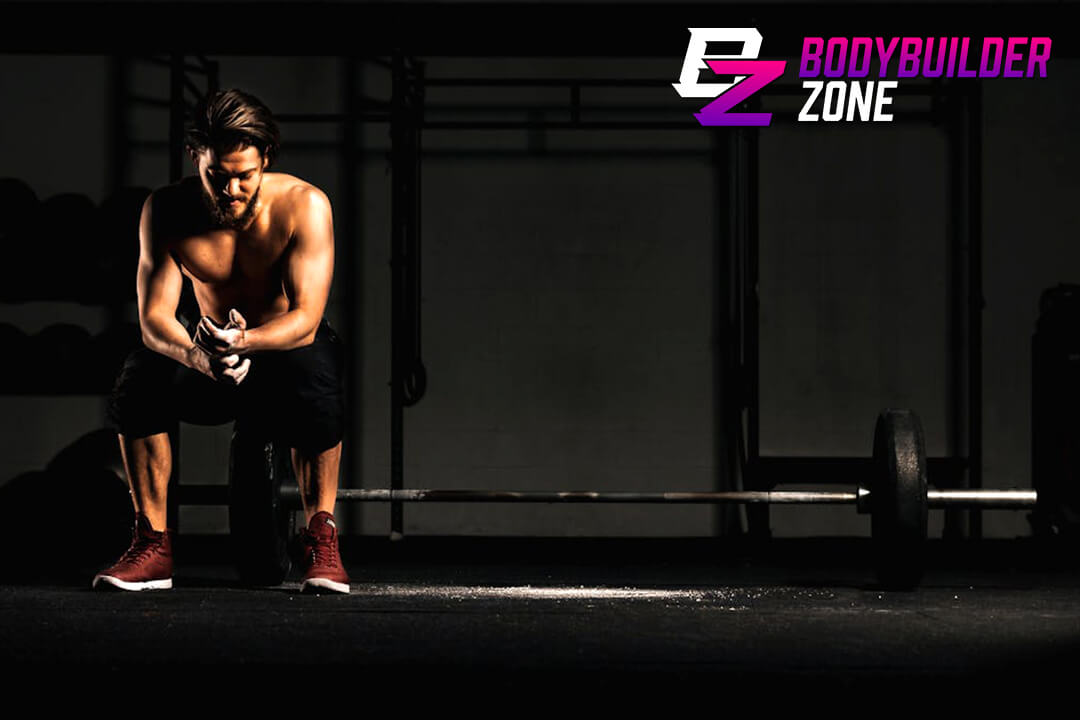
Powerlifters would perform better under pressure if they understood the origins of competitive pressure and applied these techniques. Effectively handling pressure produces better outcomes as well as a more enjoyable and fulfilling competitive experience. Every competition offers a chance to develop, learn, and adapt to achieve even more success in the future.
Conclusion and Building Resilience
This is a trip that calls for fortitude and tenacity on many levels in addition to physical power. Athletes will encounter obstacles, pressure, and distractions during these training and competitive situations. In sports, resilience promotes exceptional performance, sustained success, and individual growth.
In powerlifting, resilience refers to the capacity to adjust to both success and loss. In addition to everything else, athletes deal with injuries, missed lifts, and even the psychological strain of competition. The following are some strategies for strengthening a powerlifter’s mental and emotional toughness:
| Resilience-building strategy | Description |
| Embrace challenges | View difficult training sessions or competitions as opportunities to learn and grow. |
| Cultivate a support network | Surround yourself with supportive friends, coaches, and fellow lifters who encourage growth. |
| Set realistic goals | Establish achievable goals that promote progress and allow for adjustments along the way. |
| Reflect on experiences | Take time to analyze both successes and setbacks to identify lessons learned and areas for improvement. |
| Practice self-compassion | Be kind to yourself when facing challenges, recognizing that setbacks are a part of the journey. |
Powerlifters will be far more equipped to handle emotional setbacks if they include these resilience-building tactics in their training regimens. In the end, resilience enables athletes to achieve greater powerlifting levels by being loyal to their objectives and driving forces.
An athlete must cultivate resilience in order to adjust to his training and competitions both now and in the future, starting with mental toughness on each poor day. In consequence, this method creates a more complete athlete who can enhance performance during competition and has a stronger bond with the sport, making powerlifting a more satisfying and meaningful experience.












Leave a comment