



Understanding Tricep Muscles
Positioned at the rear of the upper arm, the triceps are essential for arm strength and upper body stability. According to science, the long head, lateral head, and medial head of the triceps brachii are the three heads of this muscle. When pushing and extending, these heads, which make up a sizable portion of the upper arm, are crucial.
Understanding the triceps’ function would be essential for appropriate training that balances arm growth. Every one of the 3 tricep heads has a distinct role in arm movement and the general form of the muscles:
- Long head
The biggest of the three, the long head attaches to the shoulder blade and rests on the back of the arm. This becomes highly activated during overhead tricep workouts since it is crucial for supporting the shoulder joint.
- Lateral head
It’s located on the lateral side of the upper arm, this head is in charge of the outer tricep “sweep,” which provides the arm with the majority of its breadth and definition. When doing pressing workouts and actions, such as tricep pushdowns, it is significantly engaged.
- Medial head
Underneath the long and lateral heads is the medial head, which is not particularly noticeable but plays a significant role in the arm’s stability and endurance. This head is used in almost all triceps exercises and aids in balancing arm strength levels.
The foundation for really successful training is provided by a thorough grasp of tricep anatomy and function, which guarantees that each session efficiently contributes to the development of well-rounded arms and improves performance in other upper-body exercises.
Essential Tricep Exercises
To build strong, well-defined triceps, it is advisable to use movements that work the long, lateral, and medial heads of the muscle. Balanced muscular growth and strength that translates to other upper body motions may be achieved by paying close attention to workouts.
Tricep Dips
The triceps are the main muscles used, the exercise also heavily relies on the shoulders and chest. This exercise’s versatility in the gym and at home is further enhanced by the fact that it can be performed on parallel bars, benches, or even a chair. There is an instruction on how to dip your triceps:
- With your arms outstretched and your legs straight or slightly bent, place your gripped hands on the edge of a bench or parallel bars.
- Bend your elbows to lower your body, but maintain them close to your torso.
- To get back to the beginning position, push through your palms after stopping when your upper arms are roughly parallel to the floor.

One of the most effective workouts you will ever do with your weight is the dip. Doing tricep dips provides various benefits, such as the following:
- Bodyweight exercise
Dips may be readily altered by shifting the position of the legs or adding weights because they are a bodyweight workout.
- Core engagement
Maintaining proper form during dips requires core stability, which improves strength and balance overall.
- Shoulder and chest activation
Although the triceps receive most of the attention, dips also provide shoulder and chest muscles with supportive strength.
Skull Crushers
Skull crushers, sometimes called lying tricep extensions, are an excellent isolation exercise that greatly activates the triceps, especially the long head. They may be performed with dumbbells, an EZ curl bar, or a barbell, offering a variety of equipment alternatives. To execute skull crushers you should do these steps:
- Stretch your arms over your chest while lying on a bench and gripping a barbell or dumbbell.
- While keeping your upper arms stationary, bend at the elbows to gradually lower the weights toward or just below your brow.
- Engaging the triceps, extend the arms to push the weight back to the beginning position.
It is important to follow the correct technique for performing exercises. If you follow the technique, you will receive many benefits:
- Isolation
With each repetition, skull crushers more precisely target the triceps.
- Long head activation
The workout immediately aids in the growth of long heads, which are essential for arm bulk and tear resistance.
- Options for variations
To make the exercise even more difficult, they can be modified to use other equipment and elbow angles.
By using both tricep dips and skull crushers in your routine, you can make sure that every tricep head is used proportionately to promote strength increases and create a more striking upper arm profile.
The Role of Triceps in Arm Strength
Elbow extension, or straightening the arm from a flexed posture, is the primary function of the triceps. The movement serves a crucial purpose in several upper body workouts and activities, including:
- Pushing exercises
To be performed successfully and with the right technique, many exercises including bench presses, push-ups, and overhead presses require the triceps to have their maximal strength.
- Stabilization
During a variety of upper body activities, the triceps help to stabilize the shoulder joint, which helps to maintain good posture and reduces the chance of damage for the workout participant.
- Daily activities
The triceps are used for everyday tasks including lifting, moving doors, and even rising from a seated posture.
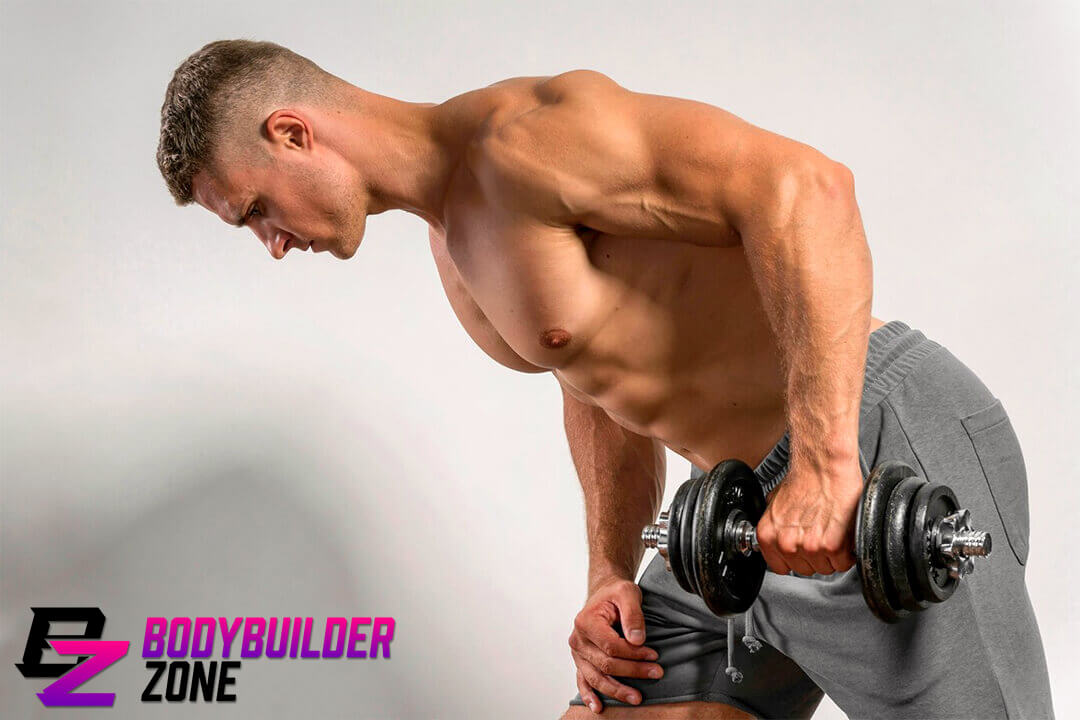
Strong triceps help with overall upper body strength in addition to improving the arms’ look. Some ways that triceps strength is applied to various arm functions are summarized in the table below:
| Aspect | Description | Exercises involved |
| Pushing power | Strong triceps enhance performance in pushing movements. | Bench press, push-ups, dips. |
| Muscle balance | Balanced triceps prevent imbalances with the biceps. | Tricep dips, skull crushers. |
| Joint stability | Stabilization of the shoulder joint during lifting. | Overhead press, row variations. |
| Functional strength | Essential for everyday tasks requiring arm extension. | Lifting objects, daily movements. |
It should go without saying that targeting the triceps is not just vital but crucial, given that they comprise a large component of arm power. It will significantly improve the upper body’s general functioning and performance.
Common Mistakes in Tricep Workouts
Certain typical blunders in developing strong triceps hinder growth and raise the risk of injury, even for experienced lifters. It will be easier to maximize exercises and properly grow muscles if you are aware of these problems. The most frequent errors people make when working out their triceps are listed here, along with tips on how to prevent them.
- Poor technique and form
Poor form is one of the most common faults made while exercising the triceps. Poor form can lead to ineffective training and the potential for injury.
- Excessive training and limited recuperation
The worst thing that may happen when considering muscle growth and recuperation is overtraining. Too many lifters make the error of doing too much triceps training without giving themselves enough time to recuperate. You should work out your triceps 2 to 3 times a week, but you also need to take a minimum of 48 hours off in between.
- Not cooling or warming up
The warm-up and cool-down are two of the most crucial aspects of an exercise that many lifters overlook. These two behaviours promote healing and function as injury prevention measures.
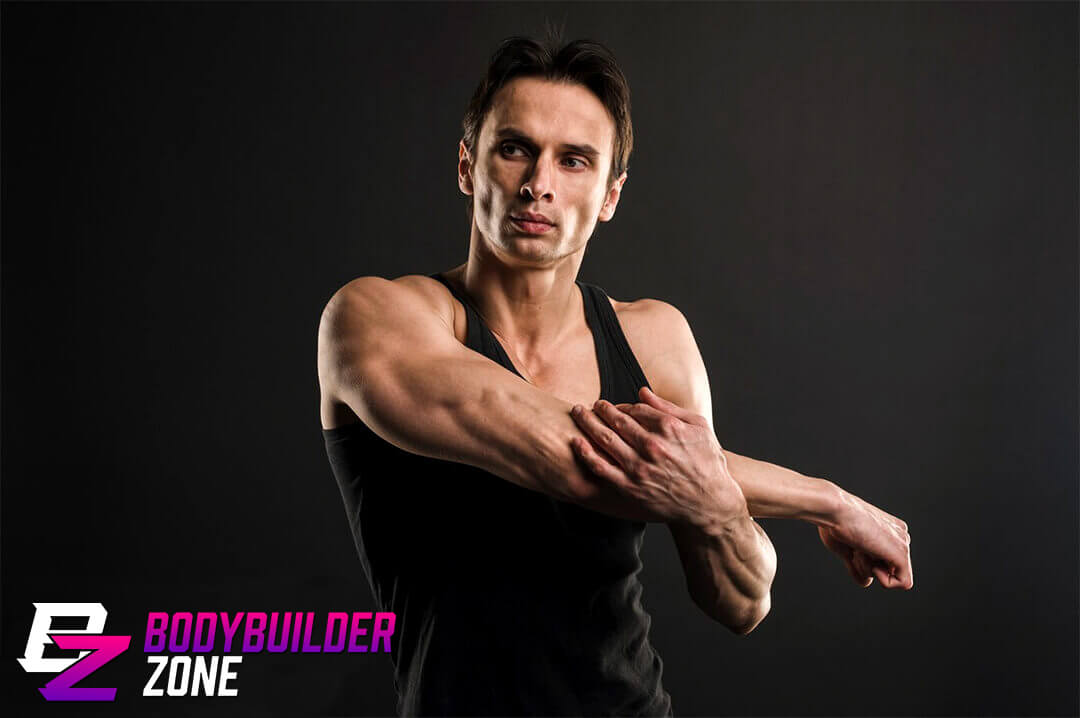
You may stay safer and train more effectively if you are aware of these three extremely typical triceps workout mistakes. Better strength and growth for your triceps may be achieved by paying great attention to form.
Recovery Tips for Tricep Exercises
Recovery is one of the best strategies to make sure you get the most out of your tricep exercises. You may build muscle, prevent injuries, and perform better overall with recovery. Following your tricep exercise regimen, you might want to think about the following recuperation advice:
- Getting adequate sleep and rest
Muscle healing is mostly dependent on getting enough sleep and rest. The body repairs tissues, restores energy stores, and regulates hormones that are essential for muscular growth when you sleep. To make sure you’re getting the most out of your recovery:
- Get 7–9 hours of sleep. Remember to establish a regular sleep schedule by going to bed and waking up at the same time each day.
- Listen to your body. You should take additional days off or start with easier activities if you’re feeling too exhausted.
- Nutrition and hydration
They are essential to your recuperation. Maintaining enough diet and water can aid in muscle growth and repair. What you should remember is as follows:
| Recovery element | Recommendations |
| Hydration | Drink at least 8–10 cups of water daily.Consider electrolyte drinks if you have intense workouts. |
| Nutrition | Consume protein-rich foods (chicken, fish, beans) to support muscle repair.Include healthy carbohydrates (whole grains, fruits) for energy replenishment.Don’t forget healthy fats (avocados, nuts) to support overall recovery. |
- Mobility and stretching exercises
Including mobility and stretching exercises after a workout can also help you recover quite a bit. For these reasons, stretching can help avoid pain, ease muscular tension, and increase flexibility.
- Methods of Active Recovery
An exercise that maintains blood flow without adding to muscular strain is known as “active recovery.” This can accelerate the healing process and begin preparing the muscle for the subsequent exercise session. Among the choices are the following:
- Light cardio. Low-intensity exercises that keep the blood flowing to assist relax the muscles include walking, cycling, and even swimming.
- Foam rolling. It is a great way to relieve tense muscles and improve flexibility. For release, concentrate on the triceps and the surrounding region.
Exercises for the triceps are crucial for maintaining fitness and gaining muscle. Making rest, water, nutrition, stretching, and active recovery strategies a priority can help you recover effectively.












Leave a comment