



- What Is the Health Triangle?
- The Three Sides of Health: Physical, Mental, and Social
- Why Balance Is Crucial for Overall Wellness
- The Physical Health Side of the Triangle
- What Physical Health Includes: Fitness, Nutrition, and Sleep
- Tips to Improve Physical Health:
- The Mental Health Side of the Triangle
- Defining Mental and Emotional Health
- Common Challenges: Stress, Anxiety, and Low Self-Esteem
- How to Support Mental Health:
- The Social Health Side of the Triangle
- Understanding Social Well-Being: Relationships and Connections
- Tips to Enhance Social Health:
- The Connection Between the Three Sides
- How Poor Physical Health Affects Mental and Social Health
- The Domino Effect: Balancing All Three Sides for Optimal Wellness
- Signs of an Unbalanced Health Triangle
- Fatigue, Mood Swings, and Social Isolation
- Identifying Which Side Needs Improvement
- Steps to Build a Balanced Health Triangle
- Start Small: Address One Side at a Time
- Setting Realistic Goals for Physical, Mental, and Social Health
- Tracking Progress: Tools and Strategies
What Is the Health Triangle?
The health triangle is a very simple but effective tool for understanding the totality of health. It points out how physical, mental, and social health are interrelated in attaining good well-being. Neglecting one aspect of your health triangle will impact other aspects, causing an imbalance in your life.
The Three Sides of Health: Physical, Mental, and Social
Despite their interdependencies, each of these sides makes a significant contribution. To achieve the highest levels of resilience and personal well-being, you should balance the three.
- Physical well-being
This is the fitness of your body and all that it is capable of doing. It involves sleeping enough, eating healthy, and exercising. It also includes maintaining chronic illnesses and avoidance of vices.
- Mental health
Your mental health consists of your emotional state and your ability to deal with stress, challenges, and change. Some of the techniques to help this triangle component include mindfulness and maintaining a positive attitude.
- Social welfare
A very important aspect of social health is forming and maintaining positive relationships. From one’s network of friends, family, and coworkers, emotional support and a sense of community are achieved.
For instance, regular workouts may improve your mood while good relations may make you work out even more.
Why Balance Is Crucial for Overall Wellness
If one side of the health triangle is neglected, the other side may suffer. For example:
- You can focus all your energy on your physical being yet have an emotional breakdown or become anti-social.
- Ignoring your mental well-being may lead to relationship tension and poor physical performance.
- You may lead a more complete and healthy life by striving for balance.
The health triangle reminds us that there are many sides to health. Improve your mental, social, and physical health to achieve a better life balance.
The Physical Health Side of the Triangle
The good thing about all the dimensions of wellness is that they all build off of physical wellness. It prevents illnesses, helps recover from stress, and builds up your body for life’s challenges.

What Physical Health Includes: Fitness, Nutrition, and Sleep
While sleeping well, eating well, and exercising well, you can construct a lifestyle that promotes mental and physical toughness.
- Exercise
Physical participation gives basics like flexibility, strength, and cardiovascular fitness and helps mitigate risk for chronic illnesses such as diabetes and those disorders of the heart.
- Diet
A well-designed nutrition plan offers the nutrients and vitamins essential for immunity, energy, and well-being.
- Sleep
Your body can heal, rebuild, and be ready for the following day when you get enough good sleep. It enhances both mental and physical performance.
By concentrating on these areas, you may maintain your body’s health and vitality to sustain such a lifestyle and personal objectives.
Tips to Improve Physical Health:
It’s a marathon, not a sprint, towards good, enhanced physical health. Attaining the capability to energize yourself, peak performance, and good feelings out of small, manageable steps.
- Regular Exercise: Finding Activities You Enjoy
Be it yoga, swimming, or team sports, find something that keeps you active. Incorporate strength and flexibility exercises into your routine. Regular exercise is, perhaps, one of the most effective long-term preventive medicine prescriptions since it enhances physical ability, mood, and mental clarity.
- Balanced Nutrition: Essential Foods for Energy and Longevity
Nutrient-dense foods include healthy fats, dark green leafy vegetables, and lean meats. Hydrate well and eliminate processed foods and sweets. A healthy lifestyle sustains activity. It supplies the energy and basic constituents necessary for optimal body functioning.
- Sleep and Recovery: Why Rest Is Just as Important
Do not use electronics shortly before sleeping and stick to a normal sleeping time. Instead of wearing yourself out to extremes, take a rest at a point your body tells you to take it. Healthy sleeping delivers protection against possible injuries while recovering the body for abstract performance improvement.
Making good physical health requires a balance and a sense of rhythm in your life. Large improvements rise from little ones, so start right away!
The Mental Health Side of the Triangle
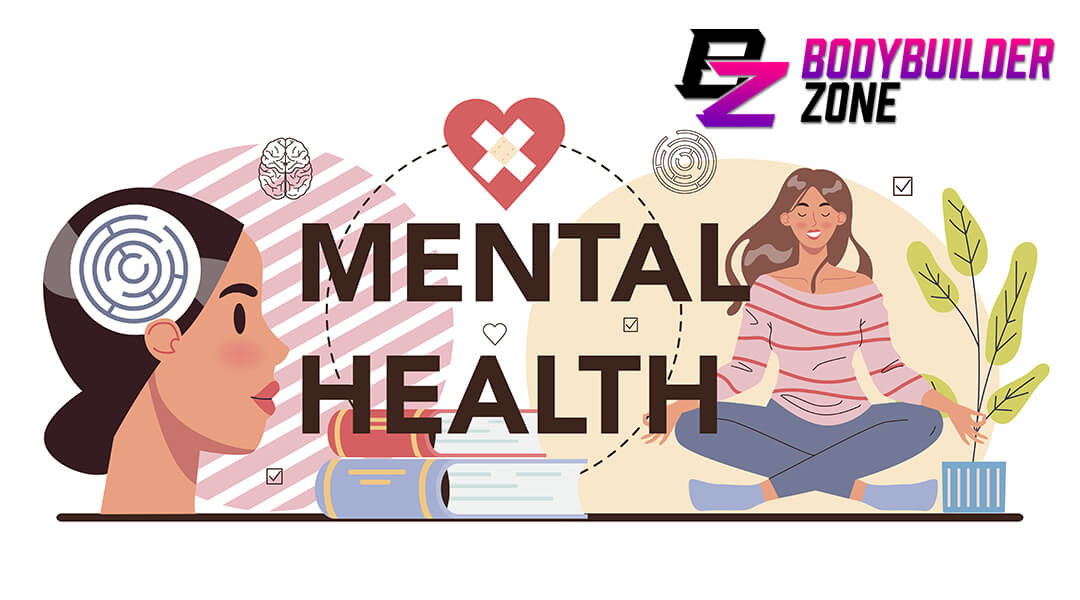
One’s overall health includes psychological wellness, which includes mental health. This covers feelings, thoughts, and one’s ability to cope with life’s commitments. Mental health is what lets one cope with stress, maintain a favourable outlook, and develop sufficient interpersonal relationships.
Defining Mental and Emotional Health
Your mental health can refer to aspects of the mind related to cognitive and emotional states, thoughts, and feelings. Mental health includes emotional assessment: managing one’s own feelings, developing resistance, and developing healthy relationships. These elements work together in supporting one to learn how to manage and balance the highs and lows that life presents.
Common Challenges: Stress, Anxiety, and Low Self-Esteem
Mental disorders that affect countless people vary in their causes and manifestations. They involve some of the following:
- Anxiety
Overbearing demands coming from personal, professional, or family of life.
- Fear
With preoccupations about the future, living in the present moment may become more difficult.
- Low self-esteem
A poor self-image might impede confidence and personal development.
Recognizing these challenges is the first step in addressing them effectively.
How to Support Mental Health:
This explains why mental health is just as important as physical health. Your mental health can be strengthened and supported in three ways.
- Practicing Mindfulness and Meditation
This involves observing your thoughts and emotions without self-judgment. Spend at least five to ten minutes every day practising working with your breathing and meditating. To help ease transitions into meditation, Calm and Headspace offer structured programs to help achieve your mental health goals.
- Building Resilience Through Self-Care
This means intentionally scheduling time for energy replenishing and fulfilling pursuits, such as hobbies or activities with which you’re engaged, reading, exercising, spending some time in nature, or simply pampering yourself with selfless indulgence. Facilitate your adherence to self-care by getting it into your weekly planner.
- Seeking Help When Needed: Therapy and Counseling
Professional help may be needed when someone has to balance all the difficulties in life to a small degree. Therapists give strategies to deal with emotional situations like depression, anxiety, and stress.
Mental well-being, on the other hand, is an ongoing work that calls for vigilance and much effort. Nevertheless, you can achieve long-lasting achievements in mental wellness if you were to take baby steps toward that particular goal in a more constant manner.
The Social Health Side of the Triangle
On one side, social health completes the triangle, while on the other personal, mental health is paramount. It should display your ability to express your needs and desires with respect to people. People who are in good social health are more likely to feel understood, connected, and supported in their day-to-day activities.

Understanding Social Well-Being: Relationships and Connections
Social well-being is fostered on building the networks in the direction of sourcing supportive and high-quality connections. The importance of this cannot be quantified in mere numbers or magnitudes in and of itself, rather in terms of the quality and strength of such friendships.
- Why is it important?
Your social well-being may protect you against emotional instability and feelings of loneliness. Strong ties form the bedrock of celebrating victories and act as a cushion during hard times.
- What does it involve?
Lasting partnerships should be steeped in respect, with unconditional open communication and trust.
A better relationship with your friends around you will lead to improved living and emotional support.
Tips to Enhance Social Health:
Enhancing your social well-being is a process that calls for both willpower and dedication. You may cultivate important techniques that will enable you to create more fulfilling and profound connections with both yourself and other people.
- Building Strong Friendships and Family Bonds
Social health, at its very foundation, is about having deep connections with family and friends.
- Make sure you spend quality time with your loved ones, be it in conversations or by sharing in other fun activities.
- Celebrate major and minor milestones in your life. These are like the glue that strengthens emotional bonds.
- Put yourself in their position and support others throughout difficult moments by listening to their respective grievances.
As humans develop trusted relationships, they create a network to support themselves and reduce stress while boosting happiness.
- Communication Skills: The Key to Healthy Relationships
Relationship development and maintenance depend heavily on effective communication.
- Listening needs to be performed actively: concentrate all your energy on focusing on the person who is speaking.
- Understand that if you communicate politely and clearly, misunderstandings are precluded.
- Where conflict cannot be avoided, tackle it with the courteous effort of amicable discussion rather than making it worse.
Use your body language to convey positivity by nodding, making eye contact, and demonstrating attention.
- Finding a Support Network and Community
You may foster a sense of support and community by surrounding yourself with like-minded others.
- Interaction with others who share interests can be facilitated by joining neighbourhood clubs, hobby groups, or social organizations.
- Use your ideals or objectives to find the community.
- Volunteer to serve the community and make new friends.
A strong support network will regulate emotions, promote personal growth, and boost self-esteem.
One aspect of your life that you shouldn’t overlook is your social health. Make deliberate decisions each day to strengthen your social health and invest in your connections. These choices will pay you for years to come.
The Connection Between the Three Sides
The other two components of the triangle could be impacted when one of them fails. Let’s analyse these factors’ relationships and the importance of maintaining balance between them.

How Poor Physical Health Affects Mental and Social Health
The triangle’s basis is physical health, but if it is neglected, issues might arise in other spheres of life.
- Impact on mental health
Dissatisfaction, anxiety, or despair can be brought on by poor physical conditions, like chronic sickness or exhaustion. Endorphins, which improve mood, are less stimulated when you don’t exercise. Energy levels and cognitive function are adversely affected by poor diet.
- Impact on social health
Increased difficulty in social activities because of physical impairments can result in isolation. Low self-esteem resulting from health problems can increasingly invade social interactions.
There is increasing evidence that exercise, diet, and sleep can prevent. Negative effects of disease and provide a strong basis for psychological and social well-being.
The Domino Effect: Balancing All Three Sides for Optimal Wellness
When balanced, the three areas of the health triangle show support and reinforce one another:
- Physical health promotes mental and social wellness.
Exercise and physical activity help stress amelioration, mood elevation, improve self-concept, and develop significant interpersonal relationships.
- Mental health reinforces physical and social health.
A sound mind enables you to care for your physical body and interact with others.
- Social health promotes mental and physical health.
Healthy relationships provide emotional support and feedback to foster healthy behaviours.
It has been seen that if any aspect of the triangle is neglected, it usually leads to more trouble for the other sides. For example, mental health stress causes a shift toward unhealthy eating, which further impacts physical and social health.
Signs of an Unbalanced Health Triangle
Because it affects many aspects of life, an unbalanced health triangle can take many different forms. Let’s examine in detail some typical symptoms that can point to an imbalance in your health triangle.
Fatigue, Mood Swings, and Social Isolation
You have physical, emotional, and social challenges when these three aspects of your triangle are out of balance.
- Fatique
Chronic fatigue can also be attributed to unhealthy lifestyle choices, like poor diet and exercise. It may be linked to mental health issues like depression and anxiety.

- Mood swings
Additionally, if your body is not in balance, you could get easily agitated or irritable. Everything from poor sleep to not eating properly or not being able to enjoy exercise may lead to changes in mood.
- Social isolation
While mental health conditions like anxiety or despair might make it all feel too much, poor physical health can make socializing difficult. Isolation feeds a cycle of loneliness and separation, making bad physical and mental health worse.
These symptoms are frequently connected, feeding off one another to produce a vicious cycle of pain and suffering.
Identifying Which Side Needs Improvement
You must be aware of which triangle component requires the greatest attention when you are unbalanced. Here are some guidelines for determining which area may require the greatest development:
| Area of imbalance | Signs to look for | Possible solutions |
| Physical health | Fatigue, low energy, poor sleep, frequent illness. | Prioritize regular exercise, improve diet, and get adequate rest. |
| Mental health | Mood swings, stress, anxiety, depression. | Practice mindfulness, therapy, relaxation techniques, and focus on self-care. |
| Social health | Loneliness, lack of social interactions, conflict in relationships. | Foster strong relationships, practice communication, and seek supportive communities. |
To avoid more disruptions, you must take immediate action if you see that one aspect of your health triangle is not in balance.
Steps to Build a Balanced Health Triangle
Often it may be somewhat long to try and after that, balance all three sides of the health triangle together. Creating a health triangle requires both time and effort. Let us take a look into ways to start working towards a more balanced lifestyle that is healthier.
Start Small: Address One Side at a Time
It’s better to concentrate on one side at a time. This will enable you to make changes gradually and prevent burnout. Improvements remain longer when modifications are made gradually.
Setting Realistic Goals for Physical, Mental, and Social Health
Setting reasonable goals guarantees steady, quantifiable improvement for each side of your health triangle. Here’s how to divide each area into manageable objectives:
| Type of health | Example of goals | Strategies |
| Physical | Exercise 3 times per week, improve sleep quality, and eat balanced meals. | Create a workout schedule, plan healthy meals and set a sleep routine. |
| Mental | Reduce stress, practice mindfulness, and improve mood. | Meditate daily, attend therapy and focus on positive thinking. |
| Social | Strengthen relationships and expand social networks. | Spend time with friends and family or join a group activity. |
The key idea presented here is to establish clear and achievable objectives for every element of the health triangle, followed by gradually progressing toward a well-rounded lifestyle.
Tracking Progress: Tools and Strategies
Evaluating your progress allows you to remain focused and recognize the small accomplishments, if any, you achieve along the way. Some approaches to monitoring your progress may include the following:
- Use fitness monitors or apps to log your nutrition, workouts, and sleep.
- Have a journal to track your feelings, stress levels, and mindfulness exercises.
- Keep track of your social contacts and how you feel afterwards.
Finally, you may see where you are doing well by monitoring your progress in each area. Continue to follow these guidelines as you strive to live a balanced and healthy lifestyle that supports your well-being.
















Leave a comment