



To reach the pinnacle of athletic performance, recuperation, and general physical health, sports nutrition is essential. It refers to a healthy diet that includes a mix of carbohydrates, proteins, fats, vitamins, and minerals. This fuel keeps the body of an athlete going and helps muscles grow and repair. In addition to increasing energy, strength, and endurance, a proper diet also lowers the risk of weariness and injury. Whether you’re a casual exerciser, strength trainer, or endurance athlete, knowing the fundamentals of sports nutrition is essential to reaching your physical objectives and performing at your best.
- Key Nutrients for Athletic Performance
- Carbohydrates: Fuel for Exercise
- Proteins: Building Blocks for Muscle
- Fats: Essential for Energy
- Nutritional Timing and Strategies
- Pre-Workout Nutrition
- Post-Workout Recovery
- Creating a Balanced Diet for Athletes
- Sample Meal Plans
- Importance of Hydration
- Adjusting Nutrition Based on Goals
- For Muscle Gain
- For Weight Loss
Key Nutrients for Athletic Performance
Different nutrients are needed by athletes to fuel their bodies, gain muscle, and recover quickly. The three major nutritional groups of carbs, proteins, and fats will provide them with the best possible performance. Regarding the maintenance of muscles and the body’s energy systems, each has a distinct function.
Carbohydrates: Fuel for Exercise
When it comes to high-intensity or endurance competitions, athletes’ main energy source is carbohydrates. These carbs are used to provide the energy needed for physical activity after being stored as glycogen in the muscles and liver.
- Types of carbs. The two types of carbohydrates are simple (found in fruit and honey) and complex (found in whole grains and vegetables), which provide longer-lasting energy.
- Pre-exercise. Eating 1–2 hours before an activity maximizes energy levels.
- Post-exercise. Consuming carbohydrates after a workout will help your body replenish its energy stores more quickly, which speeds up your recuperation.
Consuming a diet rich in both simple and complex carbs will help maintain consistent energy levels throughout prolonged exercise sessions without wearing you out.
Proteins: Building Blocks for Muscle
Proteins are essential for muscle repair, recovery, and growth. Athletes require higher amounts of protein to support muscle synthesis, particularly after strength training or intense exercise.
- High-quality sources
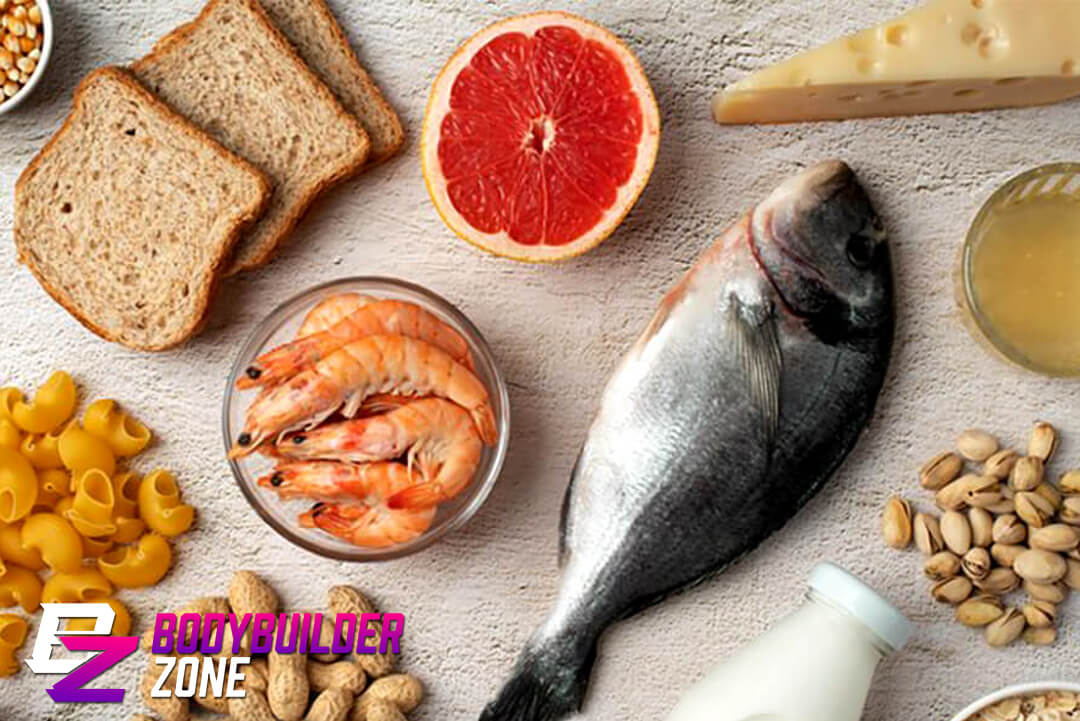
Lean meats, seafood, eggs, dairy products, and plant-based foods like quinoa and beans are examples of high-quality sources.
- Post-workout
This is the term for food consumed 30 to 60 minutes following physical activity to aid in muscle fiber regeneration and encourage post-exercise recovery.
- Daily consumption
An athlete’s daily protein consumption might vary from 1.2 to 2.0 grams per kilogram of body weight, depending on the intensity of their workout.
A sufficient protein intake will guarantee muscular growth, which will improve a player’s performance.
Fats: Essential for Energy
In low-to-moderate activity, fat serves as the main energy source. It is also a crucial component of several hormonal and cellular processes. Although they are categorized as bad, good fats play a crucial role in long-term energy storage and endurance.
- Healthy Fat Sources
One would imagine that avocados, almonds, seeds, olive oil, and fatty seafood like salmon and mackerel would be good sources of healthy fats.
- Operating with endurance
Once glycogen reserves are exhausted, long-distance activities like marathons or bike competitions rely on this energy source.
- Balance
Heart health and energy metabolism can be preserved by eating a diet rich in omega-3 fatty acids and unsaturated fats in moderation.
Healthy fats can help athletes use their energy more wisely, which will increase their ability for endurance.
Nutritional Timing and Strategies
Timing your nutrition right can help you maximize your recovery and athletic performance. Around the time of your workout, your energy levels, endurance, and muscle recovery may all be greatly impacted by what and when you eat. To maximize performance and shorten recovery times, athletes should nourish their bodies properly before and after a workout.
Pre-Workout Nutrition
As previously indicated, excellent nourishment to consume before exercising so that the body is ready for the strain. Focus on consuming a balanced meal of carbohydrates and proteins about 1–3 hours before exercise.
- Carbohydrates. These provide energy and allow the body to store glycogen. Select complex carbohydrates like sweet potatoes, oats, and whole grains.
- Protein. Aids in muscle restoration and reduces the amount of muscle broken down excessively when exercising. Consider consuming lean protein sources, including fish, poultry, and plant-based proteins.
- Hydration. To maintain optimal performance, drink plenty of water throughout the day and 20 to 30 minutes before working out.

Be sure to keep in mind the above components of healthy eating. Try to maintain a balance and include healthy food in your diet, as this is half the success of every athlete.
Post-Workout Recovery
To prepare the body for the next training session, muscular damage must be repaired and energy reserves must be replenished after recovery from exercise. Carbohydrates are one of these nutrients that is most crucial for the healing process after exercise. Also, consuming carbohydrates is essential for replenishing the muscular glycogen stores that have been depleted after extended or intense exercise.
Consuming fruits, nutritious grains, or starchy vegetables like brown rice or sweet potatoes within 30 to 60 minutes of exercising helps expedite your recuperation and prime your muscles for more training. Because they aid in the reconstruction and repair of muscle tissue that may have been harmed during the activity, proteins are also crucial for post-workout nutrition.
Aim for 20–30 grams of high-quality protein each day to help your muscles repair after workouts. Lean meats, seafood, eggs, and plant-based foods like lentils and tofu may provide this. Naturally, when a complete meal isn’t readily accessible, protein smoothies or bars can also be a useful choice.
Creating a Balanced Diet for Athletes
For athletes to perform better, recover more quickly, and preserve overall health, a balanced diet is essential. The body can handle physical stress and promote muscle growth and recovery with the right diet, which includes the optimum amounts of lipids, proteins, and carbs as well as the correct amount of fluids. Meal plans are created with an athlete’s energy demands in mind, allowing them to meet their performance goals.
Sample Meal Plans
An efficient meal plan for athletes would balance the macronutrient requirements to suit their energy needs all day. The daily food plan shown below is an example, however, keep in mind that each person’s needs are somewhat different.
| Meal | Food | Purpose |
| Breakfast | Oats with berries, almonds, and a boiled egg. | Provides slow-release carbs and protein for morning energy. |
| Snack | Greek yogurt with honey and a banana, | Quick energy and protein before training. |
| Lunch | Grilled chicken, quinoa, and steamed vegetables. | Balanced mix of protein, carbs, and fibre for sustained energy. |
| Afternoon snack | Protein smoothie with spinach, almond milk, and a handful of nuts. | Refuels and promotes muscle recovery post-workout. |
| Dinner | Salmon, sweet potato, and roasted vegetables. | Healthy fats, carbs, and protein for recovery and muscle repair. |
| Evening snack | Cottage cheese with a handful of berries. | Slow-digesting protein to support overnight muscle recovery. |
With the aid of these meal plans, athletes may be guaranteed a well-balanced diet to support their recuperation as well as their performance.
Importance of Hydration
Sportsmen should always drink plenty of water. Even mild dehydration has been linked to increased fatigue and detrimental changes in performance and recuperation. A vital component of maintaining body temperature, water also acts as a conduit for nutrients to be transported and muscles to be maintained. In light of this, these athletes ought to strategically prioritize being hydrated not just before, during, and after their workouts, but also throughout the day.
- Pre-exercise. Aim to consume 500–600 ml of water two to three hours before engaging in any physical activity.
- During workout. To replenish the fluids lost via perspiration, consume modest amounts of water or an electrolyte drink every 15 to 20 minutes for longer workouts than an hour.
- After exercise. Drink water or a sports drink to replace fluids lost during training. Aim to consume 1.5 times the amount of fluids lost during exercise.
A well-hydrated body helps avoid heat-related problems, cramps, and exhaustion while ensuring optimal performance and a quicker recovery.

Adjusting Nutrition Based on Goals
Make particular dietary adjustments to achieve your desired results in the gym, whether that be weight loss or muscle building. Making the right changes to your meal schedule, macronutrient distribution, and calorie intake may make all the difference in your ability to gain muscle or lose fat.
For Muscle Gain
There has to be a calorie surplus for people who want to grow muscle. In other words, throughout the day, more calories are consumed than are burned by the body. This will encourage the body to burn more energy, building muscle. Among the helpful tactics are the following:
- Increase protein intake. For muscle growth and repair, consume 1.6–2.2 grams of protein per kilogram of body weight.
- More complex carbohydrates. These fuel intense exercise and aid in replenishing glycogen levels after physical activity.
- Healthy fats. Nuts, avocados, and olive oil are excellent sources of healthy fats that support hormonal balance and the body’s total energy requirements.
Following these tactics you will gain muscle mass in a short time. It may take more than 1-2 months before you see the first results.
For Weight Loss
The basis for weight reduction is a calorie deficit, which is achieved by taking fewer calories than the body will burn. The body will then be prompted to begin metabolizing the fat and using it as fuel as a result. Among the most effective strategies for losing weight are:
- Cut down on calorie intake. Eat more foods high in nutrients but low in calories, such as whole grains, lean meats, and veggies.
- Increase protein. Eating more protein tends to keep you satiated for longer periods and retain muscle mass during the fat-loss process.
- Monitor portion sizes. Reduce the amount you eat by using smaller plates and paying more attention to the meals rich in calories, such as processed snacks and fats.
Athletes can get far more effective outcomes in terms of muscle growth or fat loss if their nutrition is planned around these aims.













Leave a comment