



Overview of Advanced Back Techniques
After establishing a solid foundation of back workouts, adding more complex methods will increase your strength, power, and muscular growth. Advanced back exercises target various muscle fibres, assess stability, and stimulate growth that isn’t achievable with traditional movements. These exercises are only beneficial for people who have expertise in maintaining form and lifting heavier weights since they call for concentration and control.
The more complex techniques include halted repetitions, super sets, and drop sets. These provide another level of intensity, which promotes muscular growth and endurance:
- Drop sets, for instance, include lifting the most weight possible during an exercise, then quickly lowering it and continuing to rep without stopping.
- Super sets combine workouts for the same or complementary muscle groups to increase muscle exhaustion and optimise training efficiency.
- By stopping for a second at a peak contraction, pause repetitions give the exercise more control by making the muscles work harder to stabilize and maintain the weight in place.
Once you are comfortable with your form, include these in a well-rounded back workout. Below is a summary of the 3 most powerful advanced techniques:
| Technique | Description | Benefits |
| Drop sets | Start with a challenging weight and, once fatigued, reduce weight to continue without rest. | Increases muscular endurance and fatigue resistance. |
| Super sets | Pair two exercises targeting the same or complementary muscles with minimal rest. | Improves workout intensity and efficiency. |
| Paused reps | Pause at the peak of contraction (hold the bar at chest level in rows for a few seconds). | Enhances muscle control, stability, and endurance. |
To reduce the risk of injury, start by adding one technique to your program at a time and work your way up while controlling the repetitions. In addition to increasing the intensity of your back exercise, advanced techniques also serve to offer diversity to your entire routine. As a result, motivation remains strong and objectives remain attainable.
Incorporating Super- and Drop Sets
Super sets and drop sets are effective, cutting-edge methods to intensify your back exercise while promoting endurance and muscular growth. By using them, you will challenge those who want to break through plateaus or just switch up their routine while also targeting many back muscles.

- Super-sets
Super sets include performing two workouts one after the other with little to no break in between. This increases the intensity of the workout and prolongs the time the muscles are under strain. Super sets can be used in front of several muscle groups or related back muscles during back training, including:
- Combine lat pulldowns with bent-over rows, which train the lats while the bent-over rows target the upper and middle back.
- Benefits include time savings, increased calorie expenditure, and prolonged muscular activation; super sets are among the best ways to effectively exercise the majority of the back.
- Drop-sets
By adjusting weight during muscle depletion, drop sets target total muscular tiredness and enable you to continue doing repetitions after initial failure. Drop sets encourage hypertrophy by forcing the muscles to adjust to increased workloads during a back workout:
- For instance, in seated cable rows, start with a higher weight for 8–10 repetitions, then quickly reduce it by 20% and perform 6–8 repetitions.
- As for advantages, drop sets allow one to penetrate deeper into muscle fibres, which is crucial for muscular growth and endurance.
This is an example of a back exercise that combines drop sets and super sets to create a challenging yet effective session:
| Exercise | Technique | Set | Reps | Notes |
| Bent-over rows | Super-set | 1–3 | 8–10 | Perform with lat pulldowns and minimal rest in between. |
| Lat pulldowns | Super-set | 1–3 | 8–10 | Engage your lats fully, and keep your chest open. |
| Seated cable rows | Drop-set | 1–3 | 8–10, drop by 20% weight, 6-8 reps | Lower weight after reaching fatigue, continue reps. |
| Dumbbell shrugs | Super-set | 1–3 | 10–12 | Pair with face pulls to maintain grip and shoulder isolation. |
| Face pulls | Super-set | 1–3 | 10–12 | Keep elbows high and focus on upper back engagement. |
These cutting-edge methods give your back exercises a whole new level of intensity. One or two exercises every session should include super sets or drop sets, and as your endurance increases, you should very gradually raise the effort.
Advanced Pull-Up Variations
One of the most adaptable exercises in any upper body training regimen is the advanced pull-up, which tests your arms, shoulders, and core in addition to your back. Here are a few of the most well-liked advanced pull-up variants that add some spice and work different back muscles:
- Weighted pull-ups
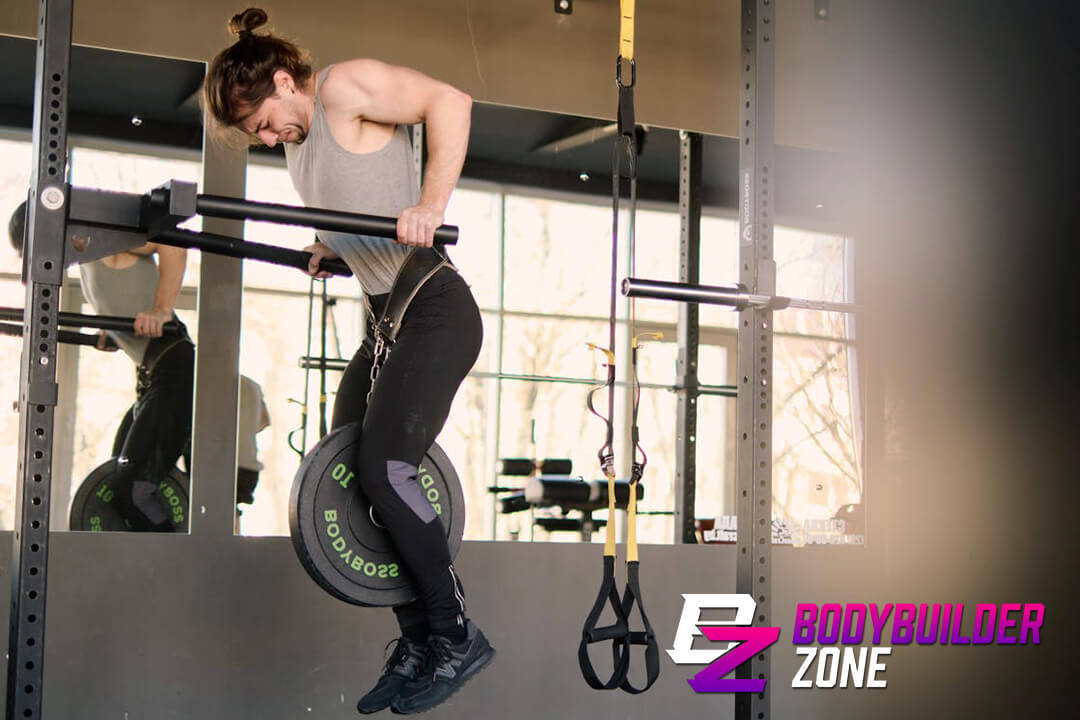
This version uses weights as well, but it increases the resistance to help you improve strength. The muscles will have to work harder to increase overall strength development if you use a weight belt or hold a dumbbell between your legs. To guarantee proper form, start with a little weight and increase it as your strength improves.
- Chest-to-bar pull-ups
Doing this exercise, raise yourself until your chest makes contact with the bar. This calls for increased shoulder and upper back engagement. At the peak of the exercise, you should concentrate on bringing the bar to your chest and pressing your shoulder blades together.
- Typewriter pull-ups
It is often known as “side-to-side pull-ups,” which involve pulling up and moving your body from one side of the bar to the other. This works the lats asymmetrically, making the workout harder on both sides of your back. Move slowly and deliberately from side to side while using your core for balance.
- Clapping pull-ups
It takes strength and control to pull up strongly enough to clap your hands at the peak of this powerful variant. Clapping pull-ups work the back’s fast-twitch muscles, which give you explosive power. To gain the strength required to complete a full clap, you can perform smaller hops.
These workouts are extremely controlled, concentrated, and have proper form. Because of this, begin slowly and increase as you get more accustomed to each variant. An example of an advanced pull-up exercise that combines many of these variations is provided below:
| Exercise | Sets | Reps | Rest | Notes |
| Weighted pull-ups | 3 | 6–8 | 90 seconds | Start with light weights and progress gradually. |
| Chest-to-bar pull-ups | 3 | 8–10 | 60 seconds | Aim to touch the bar with your chest for full range. |
| Typewriter pull-ups | 3 | 5 per side | 90 seconds | Move slowly from side to side for control. |
| Clapping pull-ups | 3 | 3–5 | 120 seconds | Explosive pull to clap, ensure good form. |
By using these sophisticated pull-up variations, you might be able to push beyond the plateaus and increase your general strength. This will also allow you to incorporate advanced pull-ups into your training, adding a lot of diversity. The upper body’s capabilities will be improved since the back will be stronger and more defined.
Monitoring Progress and Adjusting Techniques
Regardless of the kind of exercise, and particularly more complex back exercises, it is important to monitor progress and continuously modify methods. The secret to strength, endurance, and definition is to track your progress. To monitor it, note all of your repetitions, sets, and weights, and also:
- Measure range of motion and control
Pull-ups and rows should be performed with a greater range of motion and more controlled motions. When performing advanced techniques that need more concise control, keeping an eye on these factors can guarantee correct form and muscle activation.
- Monitor performance benchmarks
Noting these accomplishments inspires you and gives you concrete evidence of your success, whether it’s setting a new personal record or finishing an exercise for the first time, especially the most difficult ones for you. Weighted pull-ups, clapping pull-ups, and increases in set endurance are a few examples.
To maintain training effective and challenging, you can adjust the approaches as you gain strength and experience:
- Increase the weight of your exercises every few weeks to make them a bit more challenging.
- Once you are comfortable with an exercise, look for a variant that targets muscles in a new way or that changes the difficulty of the activity.
- Variety appears to be the flavour of life, and this is also true in training, where using drop sets, super sets, and stopped reps yields even higher reaction results.
Your program will continue to point toward your fitness goals if you review your objectives and make any modifications. As you gain strength and improve your technique, these adjustments will make your exercises interesting, demanding, and productive.
Conclusion and Future Goals
Maintaining proper technique and gradually increasing the intensity of workouts are essential for developing a powerful back. The foundation for back health will be laid with foundational exercises and careful observation. Establishing long-term objectives may also help sustain motivation and provide guidance for training, for instance:
- Achieving a specific number of repetitions in an advanced pull-up variant, perfecting form, or gradually increasing weight are a few examples of these short-term objectives.
- Developing general endurance for back workouts and mastering more complex methods, such as super sets or weighted pull-ups, might be mid-term objectives.
- By including workouts that target all of the major back muscles in a way that will contribute to a complete and resilient upper body.
When completing this program, keep in mind to remain adaptable. These methods will help strengthen your back muscles and provide your body’s core solidity and permanency for your whole exercise routine.














Leave a comment