


- What Is Vitamin C and Why Is It Important?
- Overview of Vitamin C as a Water-Soluble Nutrient
- The Body’s Dependence on Vitamin C for Essential Functions
- Key Health Benefits of Vitamin C
- Strengthening the Immune System to Fight Infections
- Supporting Skin Health: Collagen Production and Anti-Aging
- Antioxidant Protection: Fighting Free Radicals and Inflammation
- Improving Iron Absorption from Plant-Based Foods
- Promoting Wound Healing and Tissue Repair
- Foods Rich in Vitamin C
- Top Fruits: Oranges, Kiwi, Strawberries, and Pineapple
- Best Vegetables: Bell Peppers, Broccoli, and Kale
- Vitamin C in Fresh vs. Cooked Foods: What You Need to Know
- How Much Vitamin C Do You Need Daily?
- Recommended Daily Intake for Adults, Children, and Athletes
- Signs of Vitamin C Deficiency: Fatigue, Weakness, and Poor Immunity
- Can You Take Too Much Vitamin C?
- Potential Side Effects of Excess Vitamin C Intake
- Finding the Balance: Supplements vs. Natural Sources
- Vitamin C for Specific Health Goals
- Boosting Immunity During Cold and Flu Season
- Using Vitamin C for Brighter and Healthier Skin
- Supporting Athletic Performance and Faster Recovery
- Does Vitamin C Prevent or Cure Diseases?
- What Research Says About Vitamin C and the Common Cold
- Exploring Its Role in Reducing Chronic Disease Risks
What Is Vitamin C and Why Is It Important?
Vitamin C, also known as ascorbic acid, is an important substance that provides a number of health benefits. It affects immunity and iron absorption and is a powerful antioxidant that protects the body against oxidative stress. This section will explain what vitamin C is, how it is utilized, and why it is such an important ingredient in maintaining the general health of the body.
Overview of Vitamin C as a Water-Soluble Nutrient
Vitamin C is a water-soluble vitamin that the body cannot store. Instead, it dissolves in water. Because the body cannot retain or generate vitamin C on its own, it should be obtained from your regular diet. Here are some important facts regarding vitamin C.
- Absorption and excretion
Since vitamin C is a water-soluble vitamin, it is typically absorbed by the body through food and, in excess, is eliminated as urine.
- Nutritional sources
Citrus fruits, berries, and leafy green vegetables are its main sources.
Vitamin C is the water-soluble vitamin needed for many functions, which is replenished daily through the diet or supplements.
The Body’s Dependence on Vitamin C for Essential Functions
Because of its many functions in the body, vitamin C is one of the most important nutrients for good health. These are the main reasons why:
- Support for the immune system. It helps the body fight off illnesses and infections by fortifying the immune system.
- The powerful antioxidant will prevent chronic diseases by scavenging the dangerous free radicals and preventing cellular damage.
- Improvement of iron absorption. Vitamin C enhances the absorption of non-heme iron from plant-based diets to prevent iron deficiencies.
Vitamin C is very important in collagen synthesis, iron absorption, and immune system function. Daily intake is very important for its role in maintaining overall health.
Key Health Benefits of Vitamin C
Vitamin C has several different roles in the body, from supporting the immune system to improving skin health. All of these functions are crucial for proper functioning. The primary health advantages of vitamin C and its role in many body functions are reviewed below.
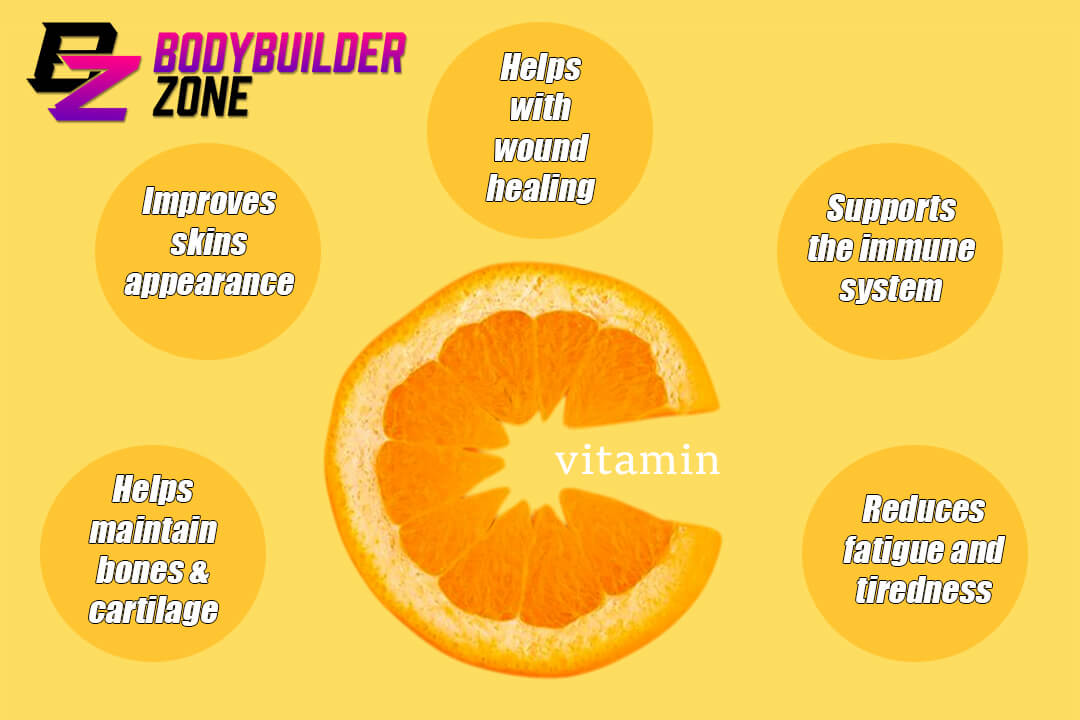
Strengthening the Immune System to Fight Infections
The most widely recognized function of vitamin C is one of its ability to enhance the body’s defenses against infections. It is helpful in the development and operation of white blood cells, as they are the primary defenders against infections.
Additionally, vitamin C has always been viewed as one of the preventive measures for common maladies such as colds through its supposed ability to destroy dangerous bacteria and viruses. The vitamin has been demonstrated to help the body fight the common cold and other infections and diseases through its immune-boosting ability.
Supporting Skin Health: Collagen Production and Anti-Aging
Vitamin C is very important because it is vital for skin health. Vitamin C plays a really important role in collagen production, which supports skin structure, elasticity, and strength.
It also repairs skin cells and protects against the destructive effects of pollutants and UV rays by reducing signs of aging. Vitamin C acts as an anti-aging agent and promotes the production of collagen, thus keeping the skin youthful and healthy.
Antioxidant Protection: Fighting Free Radicals and Inflammation
Antioxidants, such as vitamin C, shield against oxidative stress, free radicals, and the damage they can do through cell death-related and chronic disease development.
Vitamin C is critical for reducing inflammation, which is in turn associated with a range of diseases, ranging from heart disease to arthritis. In fact, its antioxidant capabilities can protect against free radicals that lead to inflammation.
Improving Iron Absorption from Plant-Based Foods
Vitamin C plays an even more significant role in individuals on plant-based diets: it enhances the absorption of plant-derived non-heme iron. This additionally protects against iron-deficiency anemia by reducing non-heme iron to a form the body absorbs more easily.
Vitamin C improves iron absorption and energy levels by preventing iron deficiency fatigue. One of the keys to maintaining the levels is the absorption of non-heme iron from plant-sourced diets – this is where vitamin C plays a role.
Promoting Wound Healing and Tissue Repair
Vitamin C plays an important role in wound closure and is particularly important immediately following an injury. Moreover, it helps to form newer tissues that hasten the course of healing and the process of injury closure.
Additionally, it promotes skin cell replication, which is necessary to reduce the creation of scars. Vitamin C is essential for tissue repair, wound healing, and a quicker recovery from illnesses or surgery.
Foods Rich in Vitamin C
There are many alternatives to help you achieve your vitamin C needs, regardless of your preference for nutrient-dense veggies or sweet, acidic fruits. This portion will cover the various foods that rank highest on the levels of vitamin C- fruits and vegetables- and how they change their concentration upon processing.
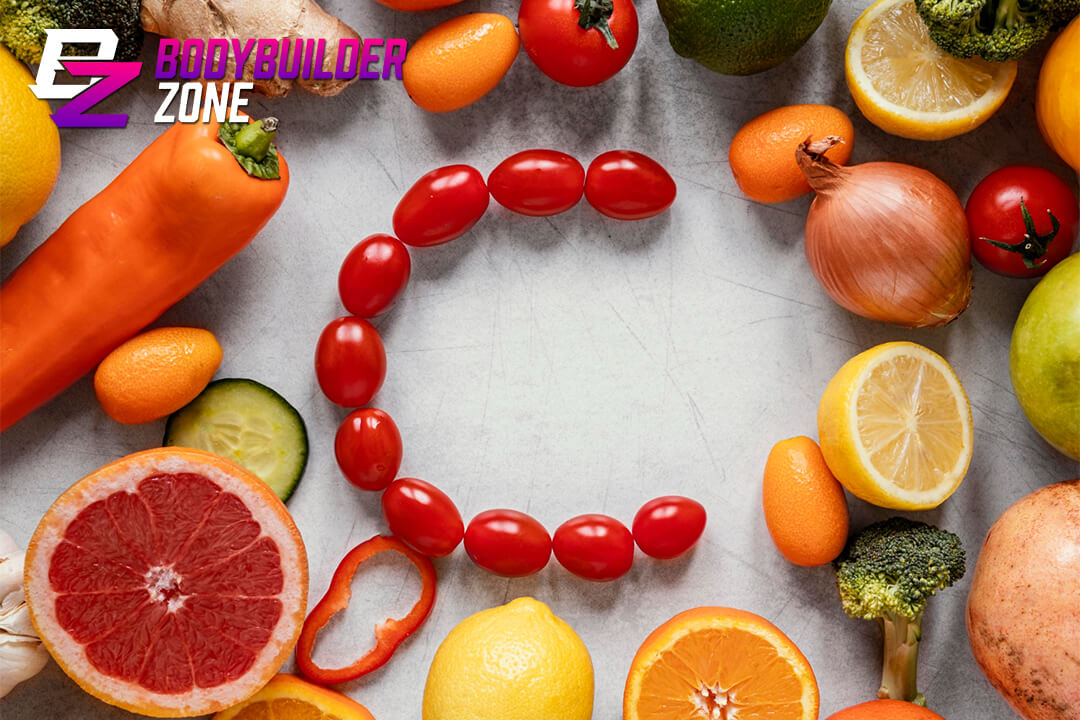
Top Fruits: Oranges, Kiwi, Strawberries, and Pineapple
Excellent sources of vitamin C, however, deliver in moderation, like oranges, kiwis, strawberries, and pineapples.
- Oranges
Oranges are an everyday and classical choice, regularly cited as high in vitamin C and correlately known for immune function.
- Kiwi
A kiwi is an excellent vitamin C contribution-one single kiwi has more of this vitamin than an orange.
- Strawberry
Contributes a good dose of vitamin C and offers antioxidants that help fight inflammation.
- Pineapple
This tropical fruit has potent digestive enzymes as well and is rich in vitamin C.
Thus, by eating different fruits, such as oranges, kiwis, pineapples, and strawberries, you are assured of various vitamins and minerals, especially vitamin C.
Best Vegetables: Bell Peppers, Broccoli, and Kale
Vitamin C is also abundant in vegetables. The following are some of the best sources of this vitamin:
- Bell peppers
Vitamin C content in both red and yellow bell peppers is sometimes on par with or even higher than that of citrus fruits.
- Broccoli
In addition to vitamin C, broccoli has a lot of fiber, antioxidants, and other vital vitamins that the body needs to be healthy.
- Kale
This leafy green vegetable is potent in vitamin C and other nutrients vital for the body’s immune function.
Along with kale, broccoli, and bell peppers. These veggies make great additions to non-fruit sources of vitamin C into a wholesome meal.
Vitamin C in Fresh vs. Cooked Foods: What You Need to Know
The sources of vitamin C will be fruits and vegetables in the fresh condition, while cooking can deplete vitamin C. Listed below are the dates from which you should be aware:
- Fresh foods
In general, fresh, unprocessed fruits and vegetables have the highest concentration of vitamin C, as the nutrient is very sensitive to heat, light, and water.
- Cooked foods
Vitamin C content can be reduced by cooking, particularly when high heat is used, such as during boiling. Vegetables are better for vitamin C when steamed or microwaved.
- Tips for preservation
Reduce nutrient loss by eating fruits and vegetables fresh or by using nutrient-retaining cooking techniques like roasting or steaming.
Consume a range of fresh or mildly cooked fruits and vegetables to receive the most vitamin C possible.
How Much Vitamin C Do You Need Daily?
The amount of vitamin C your body needs might vary depending on your age, gender, degree of exercise, and health. Here, we’ll look at how much vitamin C different groups should consume each day.
Recommended Daily Intake for Adults, Children, and Athletes
Depending on age, gender, and degree of physical activity, different amounts of vitamin C must be consumed through food. The table below can be useful for you:
| Age group | Recommended daily intake (mg) |
| Infants (0–6 months) | 40 mg |
| Children (1–3 years) | 15 mg |
| Children (4–8 years) | 25 mg |
| Children (9–13 years) | 45 mg |
| Adolescents (14–18 years) | 65–75 mg |
| Adult men (19+ years) | 90 mg |
| Adult women (19+ years) | 75 mg |
| Pregnant women (19+ years) | 85 mg |
| Breastfeeding women (19+ years) | 120 mg |
| Athletes (intense training) | 200–500 mg (variable) |
Age, gender, and health condition all play a major role in vitamin C recommendations. A daily dosage of 75–90 mg is advised for adults. Athletes and those whose activities require muscle tone demand further.
Signs of Vitamin C Deficiency: Fatigue, Weakness, and Poor Immunity
Vitamin C deficiency is the cause of several health challenges. It is crucial for the health and functioning of the body and repair. Amongst symptoms of the deficiency are:
- Weakness or fatigue
Below normal levels may result in fatigue with loss of energy and weakness.
- Immunity down
The immunity function could be impaired by the loss and predispose to infections.
- Skin conditions
Other signs include slow wound healing, dry skin, and easy bruising.
- Gum problems
You can experience gum swelling or bleeding and it may indicate a deficit of vitamin C.
- Regular illness
Without adequate vitamin C, your body might not be able to fend off colds and other ailments.
Your body may not obtain enough vitamin C if you have exhaustion, weakened immunity, or other skin issues.
Can You Take Too Much Vitamin C?
Due to the fact that vitamin C is soluble in water, the body often eliminates excess consumption of this vitamin; yet, excessive amounts of this vitamin might have undesirable effects on the human body. Being aware of the appropriate times to take vitamin C supplements can help you avoid taking too much of it.
Potential Side Effects of Excess Vitamin C Intake
These effects often appear when the daily dosage exceeds 2,000 mg, the acknowledged maximum limit of acceptable intake for humans.
- Gastrointestinal distress
An upset stomach, cramps, diarrhea, and nausea can result from consuming large amounts of vitamin C. The likelihood of these symptoms occurring initially is high.

- Kidney stones
It has been reported that, in an easily influenced person, the metabolic byproduct produced during the excretion of excess vitamin C could predispose one to form kidney stones in someone using copious amounts of vitamin C for a prolonged time.
- Iron overload
Another possible side effect of excess vitamin C is iron overload because it might enhance iron absorption in susceptible people, particularly in patients with hemochromatosis.
Regardless of the rarity of these effects and their appearance at large doses only, the monitoring of vitamin C consumption seems appropriate.
Finding the Balance: Supplements vs. Natural Sources
For optimum health, it’s critical to comprehend how vitamin C is balanced between diet and supplement sources.
| Aspect | Natural sources | Supplements |
| Nutrient profile | Rich in vitamin C along with other nutrients, including fiber, antioxidants, and other vitamins. | Primarily provides vitamin C, with fewer additional nutrients. |
| Absorption | Higher absorption rate due to the presence of complementary nutrients. | The absorption rate can vary depending on the supplement form. |
| Risk of overdose | Extremely low risk of overdose from natural food sources. | Risk of overdose with supplements, especially at high doses. |
| Digestive health | Supports gut health due to fiber and other plant compounds. | No benefits to gut health, and may cause digestive discomfort in some individuals. |
| Convenience | It requires meal preparation and access to fresh produce. | Convenient for people with busy lifestyles or limited access to fresh foods. |
Vitamin C should not be overused, as it may give rise to some adverse effects. One should take enough vitamin C from whole foods and exercise caution when taking additional supplements.
Vitamin C for Specific Health Goals
A nutrient with several uses, vitamin C helps support immunity, healthy skin, and improved physical performance. Here’s how vitamin C may support your individual health goals if you want to get the most out of it.
Boosting Immunity During Cold and Flu Season
One of the most well-known immune-boosting nutrients is vitamin C, and for good reason. It works so well throughout the cold and flu season for the following reasons:
- Aids in the synthesis of white blood cells, which combat infections.
- It acts as the body’s initial line of protection from infections.
- Vitamin C may lessen the severity and duration of colds.
One of your best friends when it comes to a robust immune system and preventing colds is vitamin C.
Using Vitamin C for Brighter and Healthier Skin
Vitamin C needs to be your first concern if you want healthy, bright skin. Vitamin C brightens the skin tone while removing dark areas from the face.
- Antioxidants of vitamin C eliminate free radicals from the skin.
- Free radicals are mainly in charge of accelerating the aging process of the skin.
- It gives smoothness and glow to your skin.
Vitamin C is an excellent skincare ingredient that brings about smooth, glowing, and youthful skin. As a preventative, it makes your skin look healthier from the inside.
Supporting Athletic Performance and Faster Recovery
Vitamin C gives essential benefits to athletes and people leading active lives that could help with performance enhancement and speed up recovery.
- Decreases inflammation and pain. Eases muscles after hard exercise.
- Helps in tissue healing. Decreases downtime by helping muscles regenerate and recover.
- Increases endurance. Lets you train and be physically active at the optimal levels.
The importance of vitamin C for optimal performance and speedy recovery cannot be overstated when pushing boundaries or recovering from strenuous activity.
Does Vitamin C Prevent or Cure Diseases?
It’s frequently asserted that vitamin C is one of the miraculous nutrients most hailed for the prevention or treatment of diseases. Let’s examine its advantages in preventing common illnesses in more detail.
What Research Says About Vitamin C and the Common Cold
Whether vitamin C helps prevent or treat the common cold has generated a lot of curiosity. Here are the findings of the research:
- While common people may not regularly benefit from vitamin C in preventing colds, athletes and others under great physical stress may.
- Vitamin C helps one to recover from a cold more quickly, reducing the duration and intensity.
- It indirectly strengthens the body’s resistance to infection by improving immune cell activity.
Vitamin C may help reduce the intensity and length of cold symptoms, but it is not a cure.
Exploring Its Role in Reducing Chronic Disease Risks
Vitamin C has greater health advantages than just keeping colds at bay. Additionally, it is being researched for its potential to reduce the risk of chronic illnesses:
- Heart conditions
Vitamin C’s antioxidant properties help protect against oxidative stress, linked to heart disease.
- Preventing cancer
By deactivating free radicals, vitamin C’s antioxidant properties are said to lower the chance of developing several types of cancer.
- High blood pressure and stroke
Vitamin C has been suggested to lower it by supporting the health of blood vessels.
Because it protects against oxidative stress, vitamin C is essential for preventing chronic illnesses. Regular consumption guarantees long-term health advantages, even though it is not a cure-all.














Leave a comment