


- Why Is Protein Important for Weight Loss?
- How Protein Supports Fat Loss and Muscle Preservation
- The Role of Protein in Reducing Hunger and Boosting Metabolism
- How Much Protein Do You Need to Lose Weight?
- General Guidelines for Protein Intake (Grams per Day)
- Adjusting Protein Needs Based on Activity Levels
- Calculating Protein Based on Body Weight and Goals
- High-Protein Foods to Include in Your Diet
- Lean Meats: Chicken, Turkey, and Fish
- Plant-Based Proteins: Lentils, Chickpeas, and Tofu
- Dairy Products: Greek Yogurt, Cottage Cheese, and Eggs
- Protein Supplements: Whey, Casein, and Vegan Protein Powders
- How to Distribute Protein Throughout the Day
- Importance of Balanced Meals with Protein
- Sample High-Protein Meal Plan for Weight Loss
- Common Mistakes When Increasing Protein Intake
- Relying on Processed High-Protein Foods
- Not Drinking Enough Water When Eating More Protein
- Can Eating Too Much Protein Hinder Weight Loss?
- Understanding Protein Surplus and Its Effects
- Balancing Protein, Fats, and Carbs for Optimal Results
- Protein Needs for Different Weight Loss Goals
- Protein for Sedentary vs. Active Individuals
- How Protein Requirements Change During Strength Training or Cardio
Why Is Protein Important for Weight Loss?
Protein is one extremely critical nutrient for successful weight loss and long-lasting effects. Whether the aim is to burn fat while protecting muscle or really cut down on calories, protein should always be a staple in the diet. Below we will discuss how protein helps people lose weight by promoting metabolism, lowering appetite and assisting in fat reduction.
How Protein Supports Fat Loss and Muscle Preservation
Because it aids in fat burning while preserving muscle mass, protein is crucial for weight loss. This is the reason:
- Maintains muscle while losing fat
When you are in a calorie deficit, your body may also use muscle as fuel. By supplying the amino acids required to maintain lean tissue, a high-protein diet compensates for the body’s loss of these calories.
- Enhances fat burning
The body burns more calories digesting and processing protein than it does carbs or fats, which is why eating more protein boosts the thermic effect of food. This promotes a greater calorie deficit, which speeds up fat loss.
It allows raising the calorie-burning level and ensures that fat loss occurs rather than losing muscles. Adequate protein consumption is one of the best ways to ensure long-lasting results.
The Role of Protein in Reducing Hunger and Boosting Metabolism
Protein is a powerhouse for curbing your hunger and fueling your metabolism, thus widely acknowledged.
- It reduces hunger hormones
They affect hormones that make you crave more food. These are the hormones that control your hunger and the feeling of fullness in you, such as ghrelin. Hence, you’ll have lack of cravings, and that’s one of the easiest diets to get into since putting yourself in a caloric deficit will be an easy journey.
- Keeps you from sating
Meals and snacks that are high in protein satisfy longer than meals and snacks that contain carbohydrates or fat. Therefore, the chances of gluttony and snacking between meals are reduced.
- Stimulates the metabolism
A rise in protein intake will elevate the level of the body’s TEF as energy expenditure. This merely means that protein-rich foods require more energy for digestion than others do.
In addition to reducing hunger, protein speeds up your metabolism, making it easier to maintain your weight loss. Increasing the amount of protein in your diet can help your body burn fat and reduce cravings.
How Much Protein Do You Need to Lose Weight?
The optimum intake for accelerating weight loss is the right intake that also supplies the right nutrients for your body to function at its peak. Here is how you can use protein to lose weight.

General Guidelines for Protein Intake (Grams per Day)
Protein requirements can vary quite a bit based on the extent of physical exercise and activity one partakes in. However, the general guidelines can help gain some perspective on how much to intake according to one’s body. For reference, take a glance at this table:
| Category | Protein intake |
| Sedentary adults | 0.8–1.0 grams per kilogram of body weight |
| Active individuals | 1.2–2.0 grams per kilogram of body weight |
| Weight loss | 1.6–2.2 grams per kilogram of body weight |
| High-intensity training | 2.0–2.5 grams per kilogram of body weight |
There is a variation in the intake of protein. You can tailor your regimen according to the level of exercise and the weight loss goal allowed to you by these ranges. If you are aspiring to lose fat without losing muscle, you will achieve better results restrictively at the upper end of the ranges mentioned.
Adjusting Protein Needs Based on Activity Levels
How much protein you need depends on your level of exercise. Below are the ranges recommended such that your body is capable of meeting all recovery demands and keeping performance maximized as follows:
- Low activity
You should stay at the lower end of the range whilst participating in low-intensity activities. This is required for meeting metabolic needs without the risk of muscle wasting.
- Moderate activity
A moderate increase in protein intake is desirable during light to moderate exercise, as this will help repair muscle damage and maintain energy levels.
- High activity or intense training
If you are engaged in strength training or high-intensity cardio, you will require an increased intake of protein to enhance muscle recovery.
This means your intake of protein will have to find alignment with your activity level. As you engage in even heavier exercise, your protein requirements will rise accordingly to support muscle growth, repair, and performance.
Calculating Protein Based on Body Weight and Goals
It’s easy to know how much protein you are consuming, so you could easily tweak your diet to work in synergy with your weight loss goals:
- Weigh your body in kilograms (by dividing pounds by 2.2.)
- Get in 1.6-2.2 grams of protein for every kilogram of body weight, depending on your goals and the levels of exercise you execute.
- To calculate your protein intake, you multiply your weight in kilograms by the protein intake range.
- If you weigh 70 kilograms, you should take in 2 grams of protein per kilogram.
- 70 × 2 = 140 grams of protein a day.

With the exact protein intake, you would be able to provide your body with the same amount it requires. Follow any of such simple instructions to adjust your dietary approaches so they work with your goals.
High-Protein Foods to Include in Your Diet
High-protein foods are crucial to include in your diet since they promote weight loss, muscular growth, and general wellness. It helps build lean muscle, promotes tissue repair, and prolongs feelings of fullness. The following are excellent choices to incorporate into your meals.
Lean Meats: Chicken, Turkey, and Fish
Turkey and chicken are examples of lean meats that are high in protein and low in fat. Additionally, they are an excellent source of essential amino acids, are very versatile in their use, and do not require complex cooking methods. Fish such as cod, tuna, or salmon make other excellent options. These contain a high amount of protein and so-called good fats for the heart and brain, like omega-3 fatty acids.
Plant-Based Proteins: Lentils, Chickpeas, and Tofu
Beans, chickpeas, tofu, and lentils are good sources of protein in a plant-based diet. Chickpeas and lentils are nutrient-dense and filling, high in fiber and iron. Tofu is very versatile, made from soybeans and able to absorb a lot of flavours. They provide an excellent protein source for vegetarians and also carry a good dose of potassium and magnesium.
Dairy Products: Greek Yogurt, Cottage Cheese, and Eggs
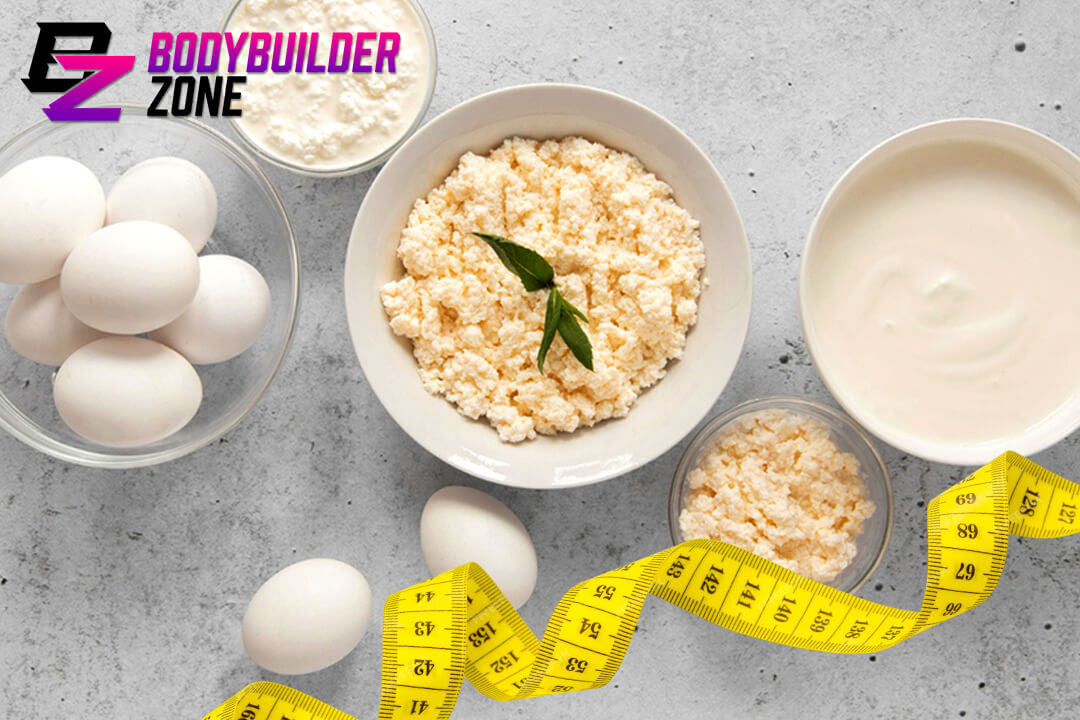
Dairy products are a tasty and simple method of increasing your daily protein intake. While cottage cheese is low in fat and high in casein (a very slowly digesting protein), Greek’s yogurt provides two times more protein than regular yogurt. Another dependable option is eggs, each of which contains about 6 grams of protein as well as choline and other useful substances.
Protein Supplements: Whey, Casein, and Vegan Protein Powders
Whey protein is great for post-exercise recovery due to its fast absorption. Casein, on the other hand, would nicely cover muscle repair while sleeping and get absorbed slowly. Vegan protein powders are perfect for people on a plant-based diet. They are derived from hemp, rice, or peas. They may be used to add extra protein to shakes, smoothies, or even baking recipes.
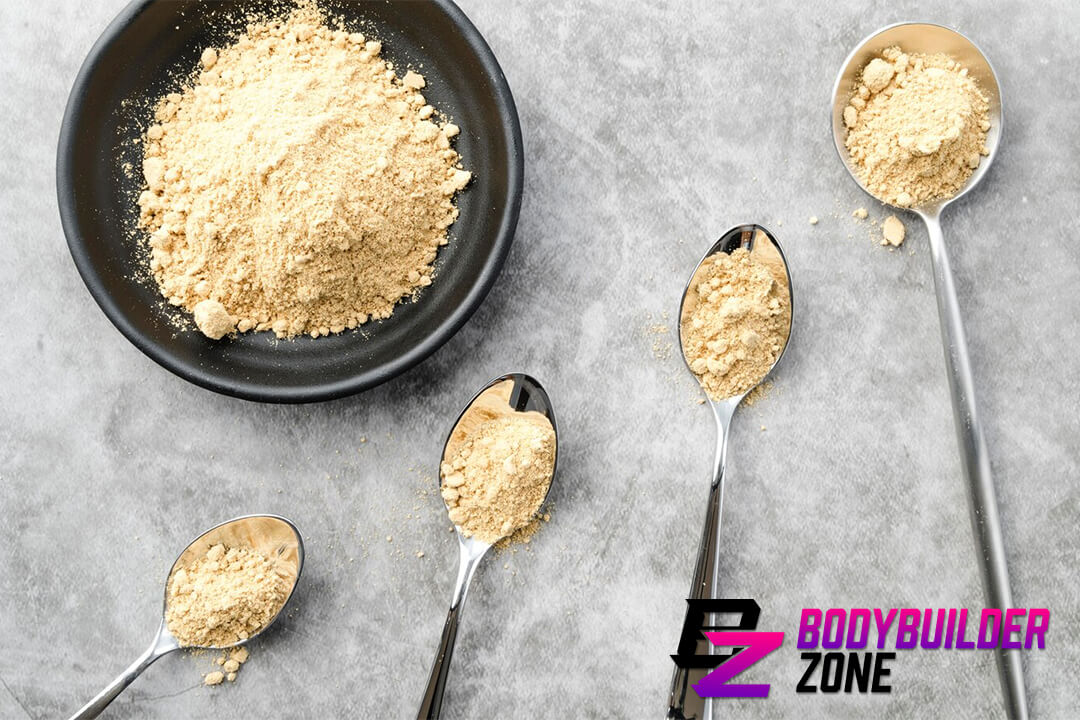
The balance of nutrients that these foods contribute to meals is, after all, for strength, stamina, and general health. The high-protein diet creates conditions suitable for the body’s anabolic response in terms of weight loss, sports performance, or general wellness.
How to Distribute Protein Throughout the Day
Even distribution of protein throughout the day is essential for optimizing its health advantages. This strategy will guarantee that your muscles get a consistent flow of amino acids for development and repair.
Importance of Balanced Meals with Protein
Incorporating protein throughout each meal might be crucial for sustaining energy levels and promoting general health. Here’s why meals rich in protein and balanced portions are so important:
- Muscle growth and repair
In essence, protein is important for muscle growth and repair after exercise. Mixing it into each meal helps the body get what it needs when it needs it.
- Better satiety
Protein-rich foods make you feel satiated for longer, which reduces overeating. Thus, this might help with desire reduction and weight control.
- Stable energy levels
It functions by delaying the breakdown of carbohydrates and preventing energy spikes and dips. It can stabilize energy levels throughout the day.
- Supports metabolism
It has a higher thermic effect than fats and carbohydrates, meaning that once your body absorbs it, it must work a little harder to burn extra calories. A properly balanced meal could increase metabolism naturally.
- Greater nutrient absorption
Nutrients are absorbed more easily in the presence of protein along with other macronutrients, such as healthy fats and complex carbohydrates. So this works in synergy with the overall health.
Protein-rich, balanced meals will enhance your quality of life besides helping you meet your fitness goals. They will make it easier for you to maintain good behaviours by keeping you alert, energized, and less hungry throughout the day.
Sample High-Protein Meal Plan for Weight Loss
An example of a weight-loss high-protein meal plan that will provide you with adequate protein regularly while limiting calories is shown below. It promotes the preservation of lean muscle mass and fat reduction.
| Meal | Food examples | Protein content |
| Breakfast | Scrambled eggs (2), spinach, and turkey. | 25g |
| Snack | Greek yoghurt (150g) with berries. | 15g |
| Lunch | Grilled chicken breast, quinoa, broccoli. | 35g |
| Snack | Cottage cheese (100g) and almonds. | 18g |
| Dinner | Baked salmon, sweet potato, asparagus. | 40g |
Lean protein, vegetables, whole grains, and healthy fats are incorporated in a balanced manner in this meal plan, promoting satiety and weight loss. Alter serving sizes according to caloric requirements.
Common Mistakes When Increasing Protein Intake
Such mistakes are often made by most individuals, which might slow their progress or potentially cause health problems. You can safely and successfully reach your goals and enhance your diet by being aware of these dangers.
Relying on Processed High-Protein Foods
Dependence on high-protein processed meals found in bars, smoothies, and packaged snacks is the biggest mistake that many individuals make. Use whole-food protein sources instead, such as:
- Lean meats such as fish, poultry, and turkey.
- Legumes like chickpeas, beans, and lentils.
- Dairy items such as Greek yoghurt and cottage cheese.
- Plant-based protein sources like nuts and seeds.
- Vegetarian options like tofu and tempeh.
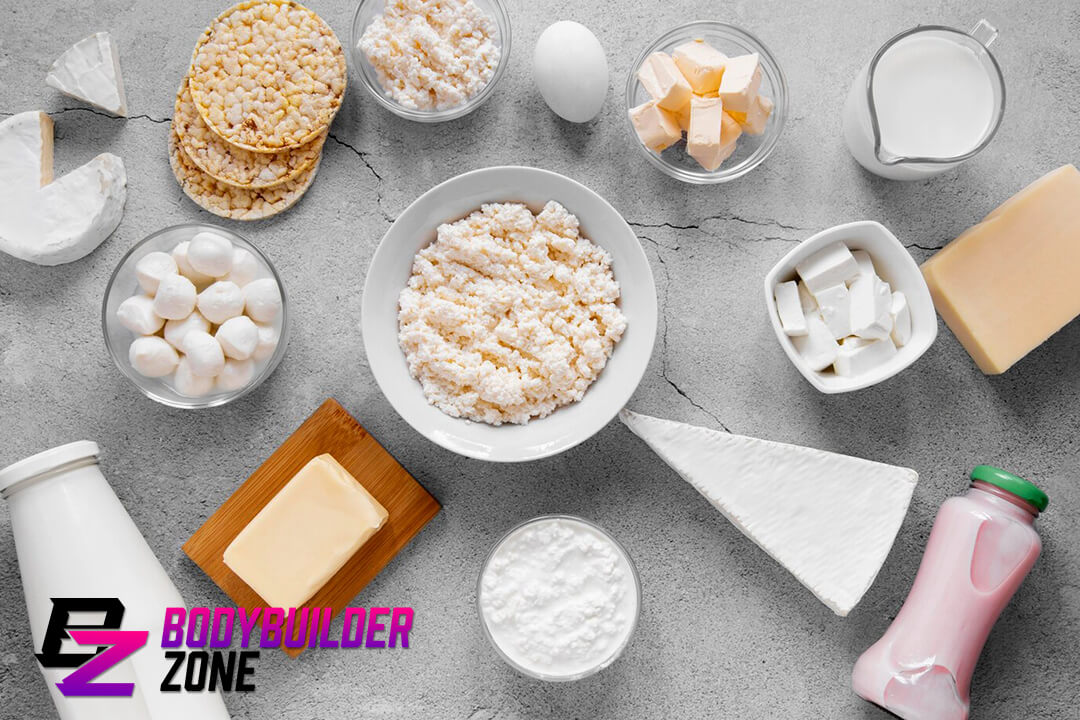
These natural sources offer superior possibilities for performance and health over an extended length of time. They include fewer additives while still providing the required nourishment.
Not Drinking Enough Water When Eating More Protein
Your body produces nitrogen-based waste during the metabolism of protein, which is expelled through urine. It is not optimal. It may end up long-term, causing kidney damage. Here are some tips to avoid this mistake:
- Stay hydrated throughout the day.
- Drink more water after protein-rich meals.
- Carry a water bottle to keep drinking.
- Avoid too much alcohol or caffeine, as these can dehydrate.
- To know if you are drinking enough water, check your urine colour.
In addition to allowing proper kidney function, hydration permits correct protein metabolism and absorption, thus maximizing benefits from diet.
Can Eating Too Much Protein Hinder Weight Loss?
Protein consumption must be balanced with other macronutrients. Eating too much protein may not provide the desired effects. To truly experience long-term weight loss, one should be aware of how it must be balanced with the other nutrients.
Understanding Protein Surplus and Its Effects
Overfeeding can easily result from consuming too much protein, particularly if one consumes more calories than their body needs. In such a situation, too much protein may have the following negative effects:
- Increased intake of calories
Foods strong in protein have more calories, which may lead to weight gain if the other components of the meal aren’t changed.
- Strain in the kidneys
An excess of protein that your body cannot process could put additional strain on your kidneys.
- Unbalanced diet
Consuming too much protein can immediately reduce your intake of other essential nutrients, such as healthy fats and carbohydrates.
- Deposition of fat
Consuming more than the body needs results in the conversion of that excess into fat. It is subsequently stored inside the body if it is not used for adequate physical activity.
- Issues with digestion
Constipation, gas, and bloating are some of the digestive discomforts that can result from consuming too much protein, particularly if your diet is not adequately balanced with fiber.
Muscle gain and weight loss will hinge on protein, but too much can backfire.
Balancing Protein, Fats, and Carbs for Optimal Results
A proper balance of proteins, fats, and carbohydrates is essential to aid in weight loss. Each macronutrient plays a separate role in metabolism, anabolic processes, and energy production. Here is how you balance them:
- Protein
Provide sufficient amounts of protein in your meals to build and stay with muscle. The advised amount is between 1.2 and 2.0 grams per kilogram of body weight, depending on your activity level and goals.
- Fats
Healthy fats contribute to balance among hormones, cognitive function, and absorption of fat-soluble vitamins. The food sources for fats include nuts, seeds, and avocado.
- Carbohydrates
While they do provide energy for the body, carbohydrates are also essential for controlling blood sugar. The long-sustained energy level is also provided by the purified complex carbohydrates, which can be found in whole grains, vegetables, and fruits.
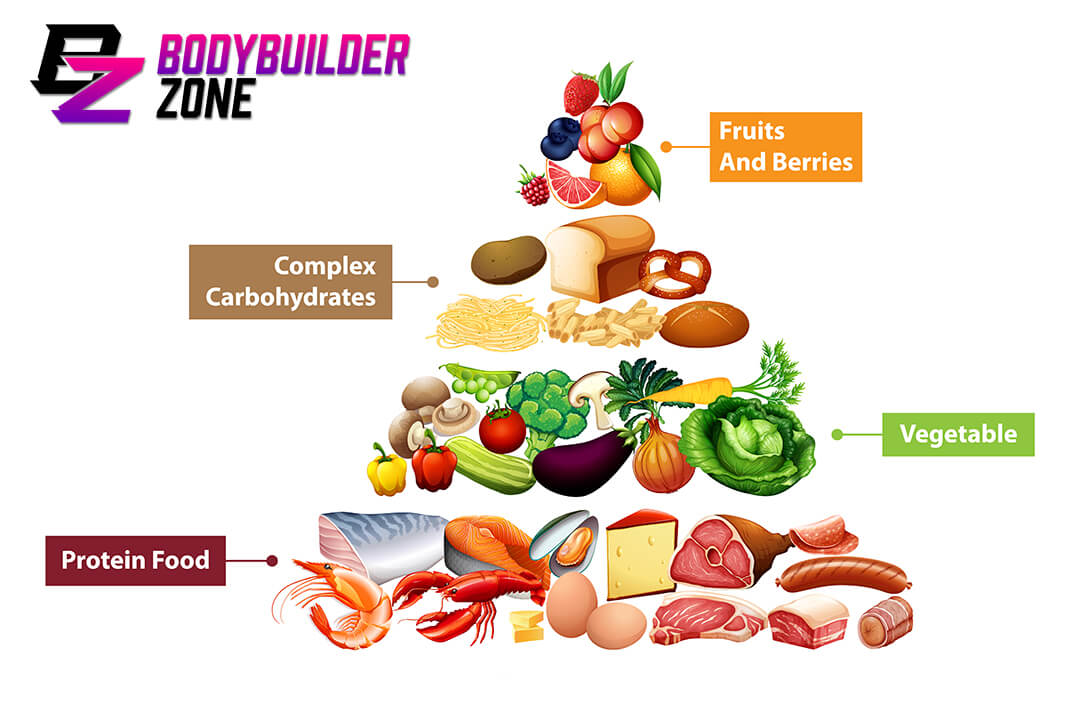
Watch your servings to avoid taking in extra calories than your body needs. Also, distribute your protein intake evenly throughout the day along with your carbohydrates and healthy fats.
Protein Needs for Different Weight Loss Goals
Modifying your protein consumption following your weight loss goals is essential. You can also encourage fat burning, improve recovery, and assist muscle maintenance.
Protein for Sedentary vs. Active Individuals
How much protein you require depends on how active you are. You require less protein the less active you are. Active individuals, on the other hand, consume more protein to aid in muscle growth, repair, and recovery. The breakdown is as follows:
- Sedentary individuals
Approximately 0.8 grams of protein per kilogram of body weight is the standard guideline. This level will support the maintenance of muscular mass and basic body functioning.
- Active individuals
In contrast, those who exercise require 1.2 to 2.0 grams of protein per kilogram of body weight in order to rebuild and recover their muscles.
Higher protein intake aids in weight loss for active people by preserving lean muscle mass and decreasing fat.
How Protein Requirements Change During Strength Training or Cardio
Your need for protein increases when you engage in aerobic exercise or strength training. Protein requirements vary as follows:
- Strength training
A higher protein consumption, approximately 1.2 to 2.2 grams per kilogram, promotes muscle growth and repair. Rebuilding muscle fibers with protein promotes healing and lessens discomfort.
- Heart
Cardio mainly improves cardiovascular health and burns fat, but exercise also breaks down some muscle. Protein consumption should be between 1.2 and 1.6 grams per kilogram for people who do cardio.
You’ll be better able to feed your body the right kind of protein and keep pursuing your fitness and weight loss goals if you combine your workout regimen with protein consumption.















Leave a comment