



Perhaps the most important macronutrient for overall health is protein. Athletes should know what is protein and its main advantages. To list just a few examples, it is in charge of the immune system functioning properly, the production of hormones and enzymes, tissue building and repair, and many other functions. It is useful to understand protein and how it works in the body, no matter if you are a bodybuilder, athlete, or person who simply wants to maintain a healthier lifestyle.
- What Is Protein
- Proteins and Amino Acids
- Important amino acids
- Nonessential amino acids
- Whole proteins
- Unfinished proteins
- Amino acids with branched chains
- Nutritional Value of Protein
- Daily Protein Requirements
- Dietary Sources of Protein
- Chicken, meat, and eggs
- Seafood and fish
- Dairy
- Beans and legumes
- How to Increase Protein Intake Naturally
- Add protein to every meal
- Eat snacks with high protein
- Choose higher-protein grains
- Add nuts or seeds
- Consider protein spreads
- Consequences of Protein Deficiency
- Protein and Muscle Mass
- Protein and Physical Activity
- Protein Supplements
- Can You Consume Too Much Protein?
- Conclusion
What Is Protein
Amino acids constitute the units of proteins, which are complex, large molecules. Quite aptly, these amino acids are also referred to as the “building blocks” because they are required for all but the most primitive body activities. But what is protein synthesis, as a definition? It is the process through which your body produces new proteins. This is the process your body uses to create proteins and make the proteins it needs to assist with: cell growth, cell repair, and other functions, including developing muscle, creating enzymes, and building hormones.
Meat or protein shake alone was mentioned by most individuals when they first search for the meaning of protein, or they inquire about the origin of protein. They were usually not able to figure out that it is a component of all cells of the body. Although they are composed of amino acids, proteins have many crucial functions. They act as messengers (hormones), aid in tissue growth and repair, act as enzymes to accelerate processes, and aid in immune system upkeep. It should be noted that protein synthesis is the process through which cells construct proteins from ribosomes, DNA, and RNA.
Proteins and Amino Acids
Amino acids are twenty in total and form proteins. There are nine that are essential amino acids, and that means you have to take them since your body can’t make them alone. Eleven others are made by your body and hence are not needed. The amino acid list is below:
Important amino acids
Leucine, isoleucine, valine, and all amino acids that cannot be produced in the human body have to come from dietary sources, either plant or animal.
Nonessential amino acids
These are produced by the human body to assist in functions such as repairing tissues and nutrient absorption.
Whole proteins
All of the essential amino acids are contained in whole proteins. Whole proteins (animal foods) such as meat, fish, eggs, and milk.

Unfinished proteins
Plant proteins are typically referred to as incomplete proteins because they lack one or several of the essential amino acids, making them confusing and having blurred borders. You may obtain the complete amino acid composition that meets all your needs if you consume food together (beans and rice).
Amino acids with branched chains
Leucine, isoleucine, and valine are the three amino acids that make up an even smaller group. BCAAs work best when it comes to repairing and recovering muscles after exercise.
Many athletes always wonder what is protein good for? Overall, the nutritional quality of a protein source for repair and development in the body relies on its content of amino acids. You can space out your meals more evenly if you know the fluctuations in amino acids.
Nutritional Value of Protein
Protein provides 4 calories per gram and is one of the three primary macronutrients, along with fats and carbohydrates. Its nutritional value, however, goes far beyond energy. It supports the structure of muscles, bones, skin, and hair. It also aids in the production of enzymes and hormones. Here’s a quick table showing the nutritional value of some common protein sources:
| Food item | Protein amount per 100g | Notes |
| Chicken breast | 31g | Lean and complete protein source. |
| Eggs | 13g | High bioavailability. |
| Greek yogurt | 10g | Also contains probiotics. |
| Lentils | 9g | High fibre, plant-based option. |
| Tofu | 8g | Complete plant protein. |
| Whey protein powder | 20–25g per scoop | Fast-digesting, high-quality. |
People often wonder what is high in protein because foods rich in protein help repair tissues, keep you full longer, and regulate metabolism. The nutritional value of protein-rich foods can vary, but selecting high-protein items helps in meeting your body’s needs for recovery, strength, and health.
Daily Protein Requirements
Many variables, such as your sex, age, activity level, and medical conditions, will determine how much protein you should have daily. 0.8 grams of protein per kilogram of body weight is the starting point for your daily Recommended Dietary Allowance. Let’s look at the general guidelines below:
- Sedentary adults – 0.8g/kg body weight.
- Active adults – 1.2 to 2.0g/kg body weight.
- Athletes – 1.5–2.2g/kg body weight.
For example, a 70 kg or 154 lb person will require about 56g of protein per day if he/she is sedentary, and as much as more than 100g if he/she is exercising on a regular basis. In short, each person has different daily protein requirements depending on lifestyle and fitness level.
Dietary Sources of Protein
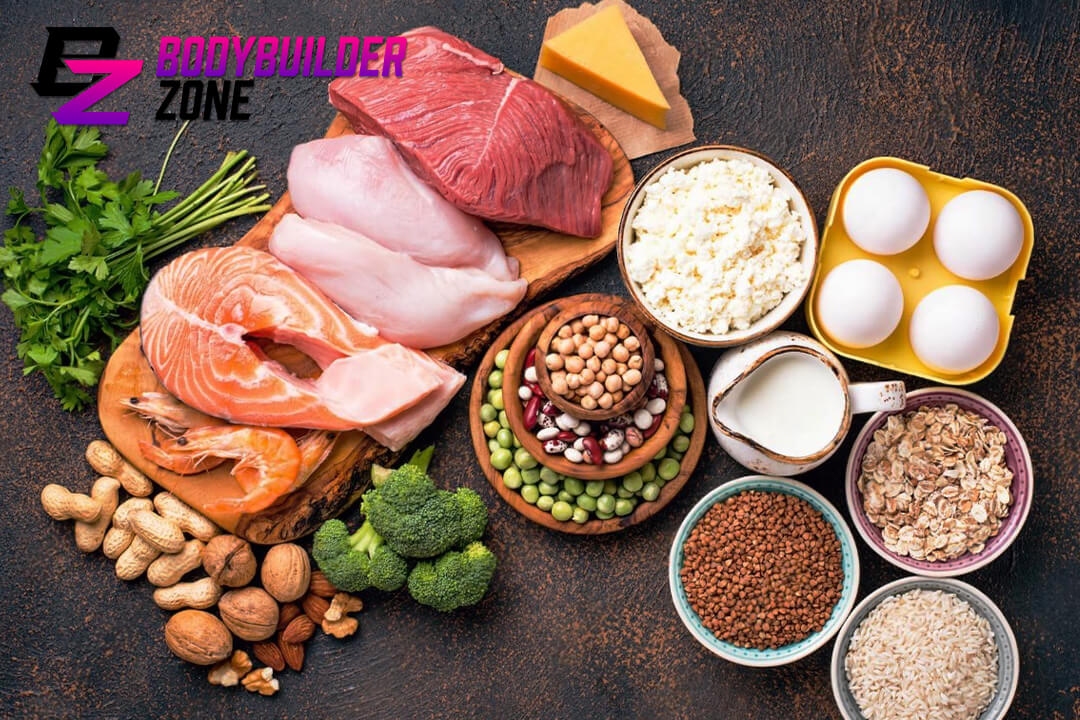
Both animal and plant diets are made up of protein, but what is the best source of protein? It is necessary to realise that whey protein is a milk derivative and that it is a complete, fast-digesting protein that should be taken post-workout to understand what whey protein is. Foods high in protein include the following:
Chicken, meat, and eggs
High-protein foods are beef, chicken, pork, and turkey. Eggs offer a complete amino acid protein that is ideal for breakfast or anytime of the day.
Seafood and fish
Salmon, tuna, and shrimp are all high-protein foods that provide excellent fat, which is crucial for good health.
Dairy
Other products like milk, yoghurt, cheese, and whey protein are also good sources. Whey is more in demand among athletes who want to build muscle.
Beans and legumes
Black beans, chickpeas, lentils, and other beans are good snack foods for anyone who’s on a plant-based diet since they are full of protein and fiber.
You will provide yourself with an adequate level of a variety of amino acids, among others, for general health if you eat a variety of protein foods.
How to Increase Protein Intake Naturally
Doubling up on your protein can’t always rely on supplements. There are numerous whole foods that you can utilise to meet your needs! For example, if you want to know what is a high protein breakfast, lunch or dinner. If you don’t know what proteins are found in various foods or need additional ideas, there are plenty of excellent choices:
Add protein to every meal
These are just a few examples of meals: eggs for breakfast, chicken for lunch, beans or fish for dinner. The timing of protein in sequence throughout the day helps stimulate muscle protein synthesis.
Eat snacks with high protein
Greek yoghurt, cottage cheese, boiled eggs or a small handful of nuts make good snacks you can consume between meals.
Choose higher-protein grains
Grains such as whole wheat, farro and quinoa are higher in protein than white rice or processed white grains naturally.
Add nuts or seeds
Spreading oatmeal, yoghurt, or salads with nuts and seeds such as almonds, chia seeds, or flaxseeds will give a boost to a meal.
Consider protein spreads
Hummus, peanut butter or other nut butters are easy to use and always deliver flavour and nutrition.
In short, with some altered plans to your everyday eating habits, you can easily increase protein intake without supplements and help contribute to muscle growth and overall health.
Consequences of Protein Deficiency
There are some very serious health consequences associated with inadequate protein intake. Protein is used for immunity, muscle wasting, hormone and enzyme production, and cellular repair. Muscle wasting, weakness, and lethargy result from the metabolism of muscle tissue by the body in an attempt to get sufficient protein when it is unavailable. Also affected, the skin, hair, and nails become dry and brittle.
Children with poor protein intakes can suffer from weak immune systems, impaired growth and development, and growth retardation. Because chronic protein deficiency in adults can result in edema, mood disturbances, and increased susceptibility to disease, the effects of inadequate protein don’t stop here in children. Rare conditions of protein deficiency can lead to kwashiorkor with edema, an enlarged liver, and skin and hair alterations.
Protein and Muscle Mass
Muscle is made up of protein and it constructs and sustains tissues. Exercise, particularly resistance training, makes the body crave amino acids, which are vital in constructing and reconstructing muscle fibers. This brings protein into the picture as the protein synthesis theory, whereby damaged muscle fibers are reconstructed by the body through protein.

Having sufficient protein will allow your body to do this process in the best way possible. Not having enough protein can cause muscle breakdown to be more than muscle growth and interfere with muscular repair. Sufficient consumption of high-quality protein is required to build and maintain muscle. Adhering to a regular workout regimen and taking enough protein will set you up for the best possible recovery results.
Protein and Physical Activity
Bodybuilders need more protein for their goals. Muscles are worn out by work and need to be repaired by the body. This is why you need to know what is protein made of. It provides a buffer of amino acids that accelerates recovery, function, and avoids injury. Another amount of protein is called for in the training of a different type. A case is endurance athletes to repair their metabolism and strength trainers to build up muscle.
Recovery can be supplemented by taking protein-rich foods like fish, lentils, eggs, and chicken breast during meals after workout sessions. Protein gives extra doses to restore defective and harmed muscles when taken around the time of exercise. It must be highlighted to remember protein intake owing to increased activity requirements while promoting an active life. This will help retain muscular strength, alleviate pain, and hasten recovery.
Protein Supplements
People can easily fulfil their daily protein requirements by supplementing protein consumption with supplements. For adults, athletes, and those having high protein demands, they ensure convenience, easy digestion, and efficient use of protein. If the availability of whole foods containing protein is not convenient, supplements also increase muscle mass and efficiency of recuperation time. Below are some examples of protein supplements:
- Whey protein
You should know what is whey protein. Branched-chain amino acids are abundant in this quickly digested supplement. It is an ideal supplement for post-workout restoration.
- Casein protein
It slowly releases and digests from milk. Casein provides a slow release of amino acids, which is perfect source of protein in the evening.
- Soy protein
Apart from the fact that this plant protein is an excellent body-building ingredient, it is unprocessed and suitable for vegans.
- Pea protein
Another difficult protein to digest, which may have allergy potential, is pea protein.
- Rice protein
For enrichment purposes, rice protein is usually consumed together with pea protein.

Where food is insufficient to meet some requirement, protein supplements can be useful. Your decision as to which protein supplement to use will depend on your goals, dietary requirements, and situation. As a sports-wise supplement to healthy eating, it must complement food for enhanced sport performance and recovery.
Can You Consume Too Much Protein?
Protein is required, but taking more than is needed won’t benefit. The body takes what it needs, and any additional calories are either stored as fat or converted to energy for everyday use. Athletes sometimes are concerned that taking lots of protein might hurt their kidneys, but research has demonstrated that healthy individuals are not at risk. The only problem would be if a person already had kidney disease.
Dehydration, skewed digestive problems, and malnutrition when protein takes up a larger part of the plate than other food groups at meal time are a few excess symptoms. The solution is moderation and balance. For most of the population, consumption including calories, 0.8g of protein per kilogram body weight per day is ideal (with exceptions, sports with high training demands).
| Protein needs based on activity level | Grams per kilogram of body weight |
| Sedentary | 0.8–1.0 |
| Active (light exercise) | 1.0–1.2 |
| Endurance training | 1.2–1.4 |
| Strength training | 1.6–2.2 |
Though taking too much protein rarely hurts you, it is generally a waste of money because you only need what you need. Eating a well-balanced diet in moderation can help you achieve your needs without going over them.
Conclusion
Protein is an essential macronutrient that affects almost every bodily function. From hormone production to building muscle, we depend on our diet and sometimes supplements for protein to be healthy and operate. You can get there if you understand what proteins are composed of and where to obtain them, from what food is high in protein to preparing balanced snacks and meals. Prioritising protein is a step in the right direction, whether you’re an athlete or bodybuilder, attempting to lose body fat, or just want to have better health.













Leave a comment