



Introduction to Back Workouts for Beginners
Back exercises are an essential component of any fitness program since building a strong back is crucial for posture, general strength, and injury prevention. If properly designed, a back workout will assist all upper and lower body motions by strengthening core stabilizers and enhancing posture.
Basic exercises for large muscle groups, such as the lats, trapezius, erector spinae, and numerous tiny stabilizers around the shoulder, should be used for beginners’ first training. To prevent muscular imbalances that might impair symmetry, back workouts are crucial for countering the muscles in the shoulders and chest. Also, back workouts provide various benefits for the health and posture:
- Preventing injuries
Novices are less likely to sustain injuries since they concentrate on back stability, especially when lifting and performing upper-body movements.
- Increased mobility efficiency
Strong back muscles generally make lifting, bending, and reaching safer and simpler, which helps with most daily tasks.
- Increased strength in the upper body
The foundation for effective advancement elsewhere is laid by back-focused exercises. They make it possible to progress to increasingly difficult upper-body workouts in a safe manner.
Here are some simple, beginner-friendly back exercises, form-checking advice, and example programs to help you begin safely increasing your strength. Building a foundation that will support you throughout your fitness journey is the best method to stress correct technique and progressive challenge.
Essential Back Exercises
To establish the foundations of strength and posture, beginners work their way back through the fundamental exercises. Then, they prepare the body for more complex motions. The beginner gradually gains strength and stability into a healthy, well-aligned back via repetition of the routines.

Bodyweight Rows
One of the best and most accessible workouts is the bodyweight row. It is an exercise, which involves holding onto a sturdy bar or any horizontal surface, that works your core, lats, and upper back. These are the benefits of bodyweight rowing for beginners:
- Strengthens the lats and upper back foundationally.
- Activates core stability, which compels the entire body to participate.
- Because it develops the scapular and shoulder muscles, it should help with posture.
The perfect form will keep your progress moving and have a strong back. Let’s see how to perform bodyweight rows properly and not harm yourself:
- Throughout, maintain a firm core and a straight back.
- Squeeze your shoulders together at the top after pulling your chest to the bar, starting with the elbow.
- Avoid utilizing momentum by controlling your descent.
Below is a beginner bodyweight row workout example that you can use solo or implement into your workout routine:
| Set | Reps | Rest | Notes |
| Set 1 | 8–10 | 60 seconds | Keep back flat, and pull chest to bar. |
| Set 2 | 6–8 | 60 seconds | Focus on form, and slow down the movement. |
| Set 3 | 4–6 | 90 seconds | Maintain control, and squeeze shoulder blades at the top. |
For beginners, bodyweight rows are more worthwhile since they will help you acquire appropriate form by drawing your shoulder blades together into your core.
Resistance Band Pulls
To develop your back muscles, gain strength, and increase mobility, resistance band pulls are a great substitute for cable or machine rows. Resistance band pulls provide the following advantages:
- Great for starting back flexibility and strength.
- Ideal for at-home exercises and suitable for all levels of fitness.
- resisting without putting extra strain on the joints.

By focusing on technique and executing these exercises consistently, you may build a solid foundation for more complex back exercises that will enhance your posture, stability, and upper body strength:
- An anchored resistance band should be held at or just above chest height.
- Keeping your elbows at your sides, pull the band to your chest.
- After the pull, squeeze your shoulder blades together, then gently release.
Below is a great example of resistance band pulls that you can insert into your training plan:
| Set | Reps | Rest | Notes |
| Set 1 | 12–15 | 45 seconds | Focus on controlled pulls and scapular retraction. |
| Set 2 | 10–12 | 60 seconds | Keep elbows close to your body, and maintain back alignment. |
| Set 3 | 8–10 | 90 seconds | Slow release for muscle engagement, avoid arching back. |
Beginning with bodyweight rows and resistance band pulls is a good way to assist a novice develop core and back strength. This activity is fantastic since it targets the latts, shoulders, and upper back while allowing you to maintain a complete range of motion control.
Importance of Technique
The key to maximizing the benefits of any workout while lowering the risk of injury is using the right technique. Muscle imbalances brought on by misalignment, rushing, and bad posture might eventually result in strain or major damage. These are the main reasons why technique is so important for beginners:
- Ensures effective engagement of the muscles
The required back muscles, including the lats, rhomboids, and traps, will be recruited with proper form. It promotes improved muscle balance and permits the development of deeper back strength.
- Develops core support and stability
An effective back workout greatly strengthens the core and stabilises muscles, which are necessary for effective movement and balance. When performing exercises like a deadlift or row, proper form entails using the core to support the spine and help the lower back.
- Encourages long-term development
Prior to raising the weights or repetitions, it is always crucial to develop your technique correctly. By consistently maintaining proper form, you may avoid compensatory behaviours and make steady, sustainable growth without being sidelined by injuries or muscular imbalances.
All things considered, using the right approaches when performing back exercises can assist to strengthen and fortify the back, providing complete support for safe and efficient advancement along the fitness path.
Building a Beginner’s Back Routine
A beginner’s back practice will focus on the key muscles that are involved in both strengthening and better posture. In order to balance out the back, this will also include a range of exercises that target the upper, middle, and lower back in addition to some core stabilizing exercises.
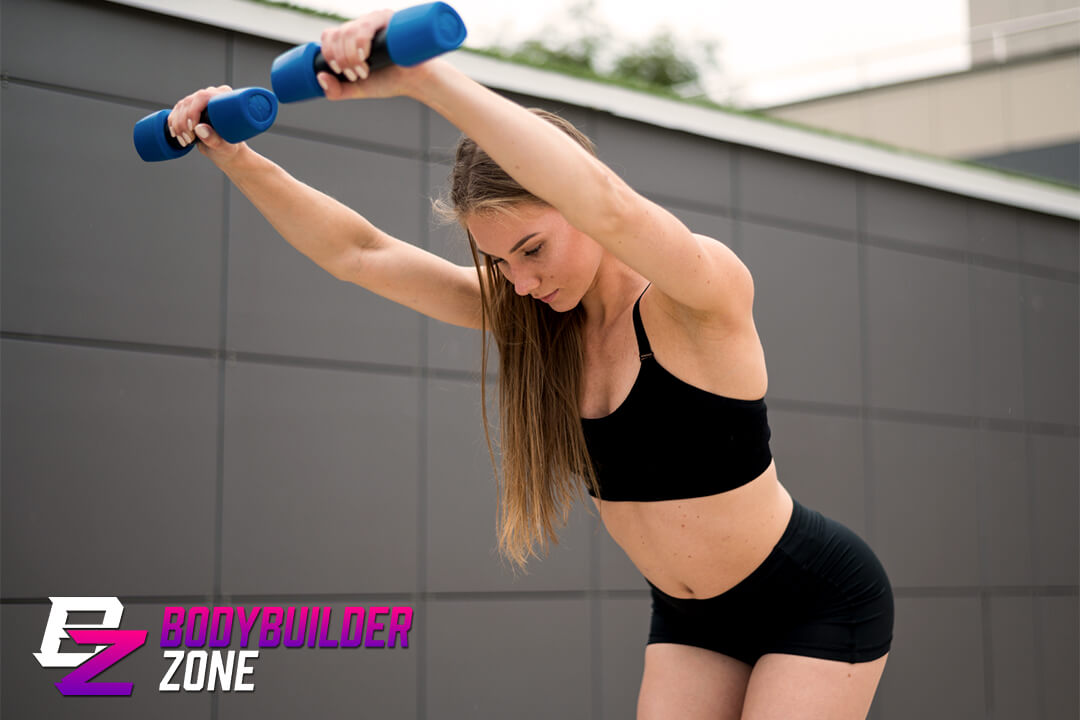
A comprehensive beginner back exercise program that combines resistance band pulls and bodyweight rows is provided below. This may be done twice a week to give the muscles time to develop and recuperate:
| Exercise | Set | Reps | Rest | Notes |
| Bodyweight rows | 1 | 8–10 | 60 seconds | Keep back straight, and pull with elbows. |
| Bodyweight rows | 2 | 6–8 | 60 seconds | Focus on shoulder blade retraction. |
| Bodyweight rows | 3 | 4–6 | 90 seconds | Slow, controlled descent, maintain form. |
| Resistance band pulls | 1 | 12–15 | 45 seconds | Controlled pulls, focus on shoulder blades. |
| Resistance band pulls | 2 | 10–12 | 60 seconds | Keep elbows close, and avoid shrugging shoulders. |
| Resistance band pulls | 3 | 8–10 | 60 seconds | Slow release for full engagement. |
By emphasizing correct form and control, these exercises help you build strength gradually, which lays the groundwork for subsequent, more complex actions. Start increasing the number of reps or sets you perform, or go to slightly more difficult variations of each exercise, as your strength increases.
Conclusion and Next Steps
Strong backs are essential for daily motions and injury prevention, and they may be developed with foundational exercises like body weight rows and resistance band pulls. In this sense, a few sequential actions will be quite beneficial for efficiently monitoring your development and advancing your routine. These consist of the following important steps:
- Include more exercises
Incorporate more difficult exercises into your training regimen, such as lat pulldowns and pull-ups.
- Maintain a workout log
Keep track of your sets, repetitions, and any gains in strength or stamina. This might make tracking your progress easier.
- Examine your method
To ensure you are utilizing the proper technique, record your workout or seek guidance from an experienced trainer.
- Set achievable and measurable objectives
Create attainable objectives for yourself that will help you stay on course.
- Flexibility training
Include mobility exercises or stretching in your routine to assist achieve adequate flexibility, which will support the back’s healthy operation.
Your back and general fitness will benefit from consistently pushing yourself beyond your comfort zone and incorporating variation into your routine. Consistency is key in any practice, and if you follow it consistently, you’ll soon see an increase in your level of fitness in both daily activities and athletics.














Leave a comment