


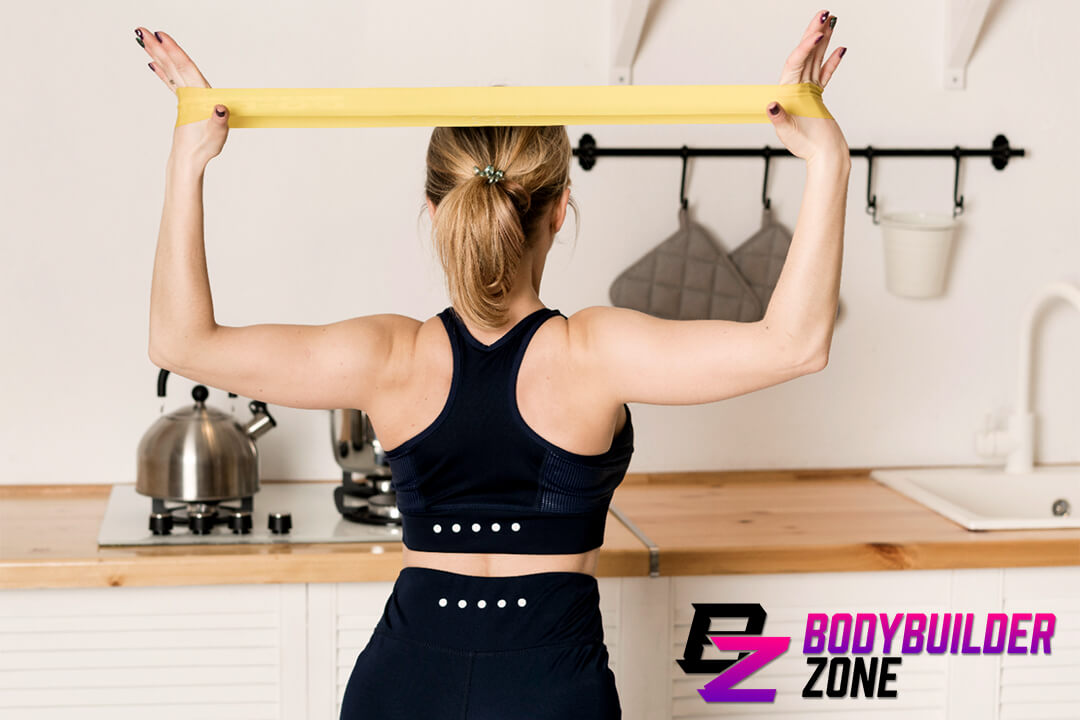
Benefits of Home Workouts for Back Strength
Exercises may be customized to fit schedules and abilities without the need for a gym, making at-home training a convenient and straightforward approach to regain strength. You may greatly strengthen your back, and enhance your posture by doing back exercises at home. These are the benefits of home back training:
- Accessible and convenient
The benefit of working out at home is that you won’t have to drive to the gym. Exercises that target your back muscles can be performed with nothing more than body weight, such as pull-ups, reverse flies, and body-weight-gravity pulls.
- Better posture and less pain in the back
Improving posture can be achieved by strengthening the back muscles, particularly for those who spend a lot of time sitting. Stronger back muscles may lessen strain and shoulder and lower back discomfort by supporting the spine and promoting proper posture.
- Customized exercise programs
Exercising at home allows you to create a plan that will undoubtedly meet your objectives – strength, endurance, or hypertrophy. Because of all this flexibility, you may easily move from easier to more difficult variants, such as by gradually increasing the difficulty or adding weights.
Developing a strong back can help you become more functionally strong, improve your posture, and provide the groundwork for future, more complex workouts and general fitness.
Essential Home Back Exercises
Thanks to several really powerful bodyweight exercises, strengthening the back is a simple, at-home activity that requires no equipment. Supermans and towel rows are two easy exercises that significantly strengthen the back. Each focuses on a distinct area of the back, and when combined, they offer a comprehensive basis for proper posture, core stability, and back health in general.
Supermans
By actively employing the glutes, hamstrings, and shoulders for support, Superman exercises are excellent for strengthening the lower back using body weight. We provide you with these recommendations when doing the exercise:
- While lying on your stomach, raise your arms, chest, and legs off the floor at the same time while keeping your legs straight. Hold for a moment, then slowly lower yourself back down.
- Promotes proper posture and spine stability by strengthening the lower back muscles.
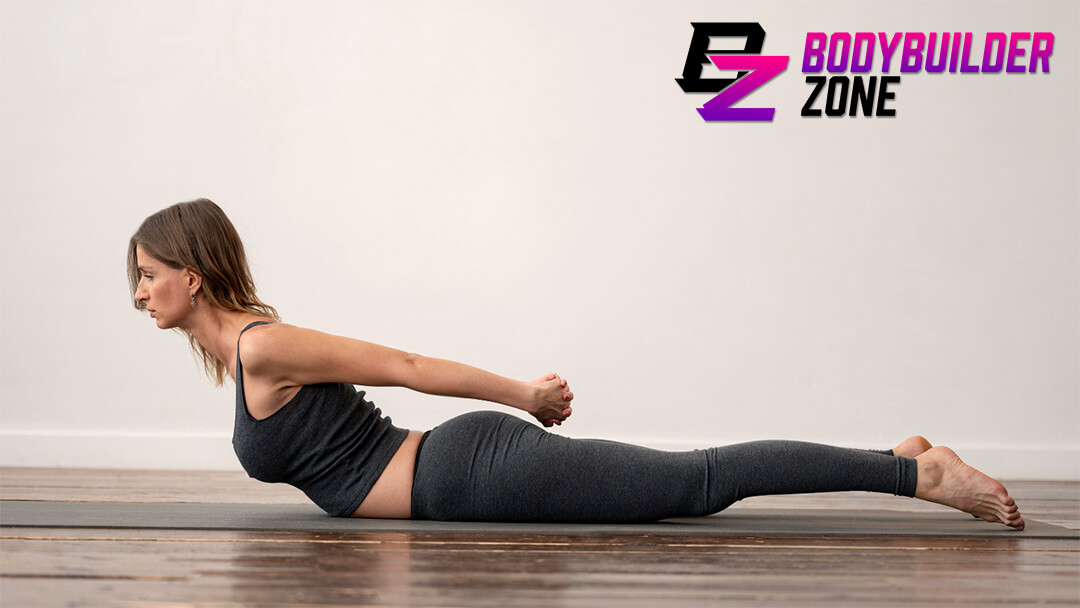
These are the main tips for doing supermans exercise:
- To support the lower back, use your core.
- To engage properly, move with control.
- Hold for a shorter period at first, then longer as your strength increases.
| Exercise | Sets | Reps | Rest | Execution notes |
| Supermans | 3 | 12–15 | 45-60 seconds | Control the lift, hold briefly at the top, and keep the core engaged. |
The muscles that run down the spine are strengthened by exercises like this one, which is very important for maintaining proper posture and ensuring that the lower back is not overworked.
Towel Rows
Towel rows target the middle and upper back by simulating a single rowing action. In addition to working the rhomboids, lats, and rear deltoids, this exercise strengthens your grip by using a towel that you can probably find in any home as resistance.
- Hold the middle of a towel and wrap it around a sturdy object or step on both ends. Pull the towel toward your chest while keeping your back straight and your knees slightly bent, then squeeze your shoulder blades together.
- Benefits include increased grip strength, scapular stability, and upper and middle back strength.
If you want to perform towel rows properly, follow this advice:
- To improve back engagement, keep elbows close to the torso.
- To keep proper form, move with control.
- Reduce the distance or make the tugging easier to ease the resistance.
| Exercise | Sets | Reps | Rest | Execution notes |
| Towel rows | 3 | 10–12 | 45-60 seconds | Squeeze shoulder blades together, and keep elbows close to the body. |
A fundamental building block of back strength and stability is created when you incorporate Supermans and towel rows into your exercise. Supermans target the lower back, while towel rows address the upper and middle back. Both exercises work well for back training at home and are simple to modify.
Creating a Home Workout Routine
Establishing an exercise regimen at home may be a powerful and efficient way to increase one’s level of fitness, particularly while juggling a hectic lifestyle. Targeting certain muscle groups and improving general strength and fitness are made possible by a well-organized exercise. When creating your at-home exercise program, keep these important factors in mind.
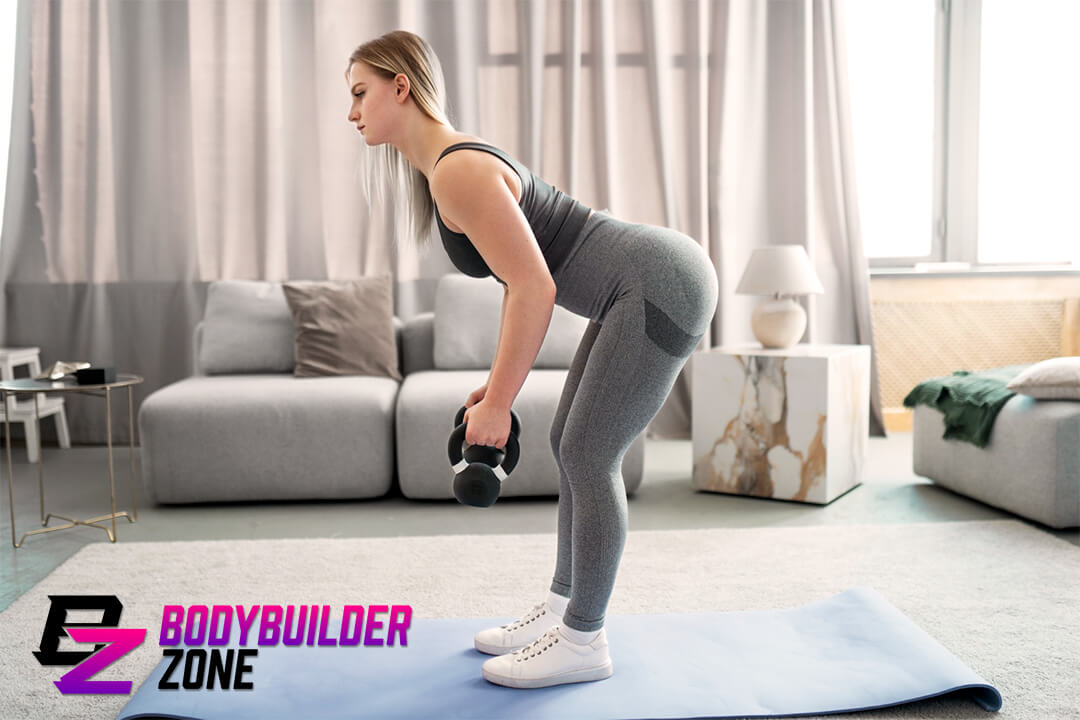
It is essential to assess one’s present level of fitness before starting any exercise. A person will benefit greatly from this assessment in terms of selecting the proper workouts and figuring out the suitable level of intensity:
- Think about experience
Do you have advanced, moderate, or amateur experience?
- Think about your objectives
Do you wish to improve your endurance, gain muscular mass, or lose weight?
- Limitation
Take into mind any physical restrictions and injuries that may interfere with your ability to work out.
Select a variety of workouts that focus on each of the main muscle groups. To keep things fresh and well-rounded, switch things up with various workouts:
- Strength Training
Include bodyweight exercises like lunges, squats, and push-ups as well as resistance training with weights or bands.
- Cardio
To increase your heart rate, try dancing, sprinting in place, or jumping jacks.
- Mobility and flexibility
To increase mobility and lower the risk of injury, incorporate some yoga or stretching exercises.
Incorporating these exercises into your routine can help build a strong foundation for back strength and stability:
| Day | Focus | Sample exercises |
| Monday | Upper body | Push-ups, towel rows and plank shoulder taps. |
| Wednesday | Lower body | Bodyweight squats, lunges and glute bridges. |
| Friday | Full body/cardio | Burpees, jumping jacks and supermans. |
| Saturday | Flexibility | Yoga or a stretching routine. |
You will never get bored or give up on your fitness journey if you plan a home workout regimen that incorporates many kinds of workouts and is focused on your objective. To make sure you keep moving closer to your fitness goals, pay attention to your body and modify as needed.
Tips for Staying Motivated
Being inspired to work out can be quite difficult at times, especially when doing so from home. Anything might divert your attention and cause you to lose motivation if you are not in a gym setting. Here are some pointers to help you maintain your motivation:
- Set real goals
First of all, self-motivation is facilitated by establishing specific, attainable objectives for oneself. A goal is similar to having purpose and direction. Specific, Measurable, Attainable, Relevant, and Time-bound are the acronyms for SMART goals. For instance, you should be able to perform 10 push-ups by the end of the month.
- Make a dedicated exercise space
Set aside a certain area of your house for working out. Make it as comfortable, distraction-free, and fully equipped with all the exercise gear you need. Use productivity applications that assist you in avoiding distractions or turn off all of your phone’s alerts. Include inspirational sayings, workout gear, or upbeat music.
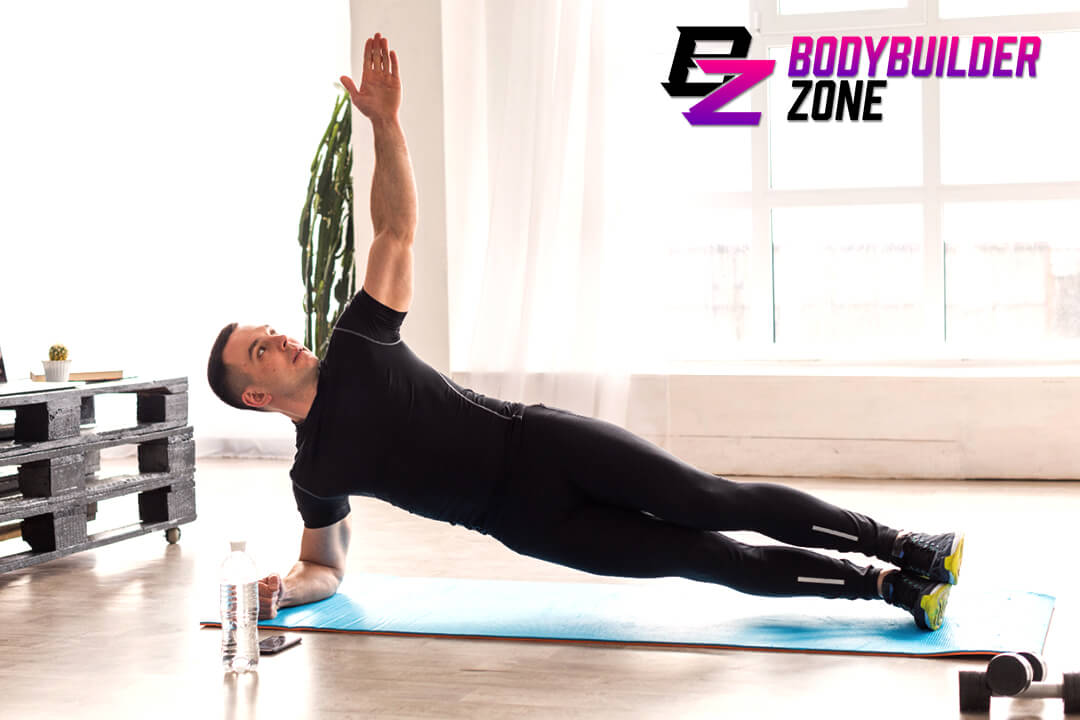
- Create a regular schedule
Making physical activity a habit requires consistency. Establishing a program can help you prioritize your workouts and get yourself moving. Put your workouts in your calendar and make appointments with yourself. Decide which days and hours are most convenient for you.
- Remain responsible
Accountability has a significant impact on motivation. Others may be inspired and occasionally provide support and encouragement if they are aware of your fitness endeavour. Also, look for a friend or relative whom you would want to work out with.
- Change up your exercise routine
In order to maintain interest and avoid burnout, variety is essential. Adding new exercises to your program keeps it interesting. You may avoid monotony by switching up your workout routine to include yoga, pilates, weight training, and dancing.
You will become more motivated and be able to maintain a fitness regimen that seems manageable at home if you follow these suggestions.
Conclusion and Progress Tracking
A person’s ability to stay motivated and track their progress is just as important to their success at home workouts as the type of exercise they perform. Flexibility, dedication, and consistency are the ideal ingredients for a fulfilling fitness journey.
Setting realistic goals, designing a suitable training environment, and taking responsibility for one’s actions are all beneficial tactics. If you follow these steps, you won’t ever lose interest in concentrating on your fitness and health. Now, the following advice will help you get the most out of tracking your progress:
- Establish milestones
Divide large, long-term objectives into more achievable ones. To stay motivated, accomplish these and rejoice.
- Be regular
Record your workouts on a daily, monthly, or biweekly basis. You become more accountable to yourself as a result of this frequency.
- Modify objectives as needed
Throughout the process, feel free to review and modify your objectives as needed. Because of this, the accomplishments will be somewhat difficult yet attainable.
This provides you a cause to be inspired and committed to your fitness journey in addition to assisting you in tracking and assessing your progress. Ultimately, each person’s path to fitness is unique, and it’s frequently the small successes along the way that make all the difference. Enjoy the ride, keep going, and take pride in your physical and mental growth.















Leave a comment