



- What Does It Mean to Lose Weight Fast?
- Why Speed Matters in Weight Loss
- The Balance Between Fast and Healthy Results
- The Best Diet Strategies for Quick Weight Loss
- Low-Carb Diets: How They Work and Why They Help
- Intermittent Fasting: Choosing the Right Approach
- Effective Exercises for Accelerated Fat Loss
- HIIT Workouts: Maximize Fat Burn in Less Time
- Cardio vs. Strength Training: What Works Faster?
- Combining Workouts for Optimal Results
- Lifestyle Changes That Support Fast Weight Loss
- Managing Sleep and Stress Levels for Better Results
- Importance of Staying Hydrated and Avoiding Sugary Drinks
- Common Pitfalls to Avoid on Your Weight Loss Journey
- Over-Reliance on Crash Diets
- Ignoring Nutrition While Exercising
- The Role of Unrealistic Expectations
- How to Track Your Progress and Stay Consistent
- Setting Achievable Goals for Quick Wins
- Using Tools and Journals to Monitor Results
What Does It Mean to Lose Weight Fast?
Many people have a similar aim of losing weight quickly, whether it’s for confidence, health, or an occasion. Although it is feasible, quick weight reduction still requires careful preparation to be both successful and long-lasting. The key to losing weight without sacrificing your health is to make the proper nutritional choices, engage in regular exercise, and adopt other lifestyle modifications.
Rapid weight loss usually means shedding a significant amount of body weight in a short period. It fluctuates between 1 and 3 kg every week, with the primary factors being initial weight, body metabolic rate, and level of intensity of lifestyle.
Why Speed Matters in Weight Loss
Speed has the power to make or destroy your motivation, output, and general well-being. Fast Results: When you know how these quick results can affect your life, you’ll actually have a clear idea about what becoming a long-term success means. This is why speed matters in losing weight:
- Improve motivation
The earlier you lose weight, the better reasons you have to continue losing it. Early success can boost the outlook of dieters; they think it is worth trying.
- Short-term
You might have to drop a lot of weight quickly before some magnificent and extravagant occasion like a wedding, in which case it becomes a legitimate reason for quick weight loss to meet deadlines.
- Health benefits
Fast results would quickly drop one’s blood pressure and bring the blood sugar levels under control for those whose health is otherwise at risk because of obesity; hence, their heart disease is reduced. However, this should be handled under medical supervision.
- Avoiding plateaus
Rapid early weight reduction helps to highlight early starts by avoiding the early plateaus that slower procedures may cause.
- Recovery sensitive to time
Rapid weight reduction can undoubtedly assist the greatest potential medical outcomes, whether it comes to medical conditions or surgical recovery. For example, in order to reduce surgical risks, weight loss may be required prior to surgery.
Although speed is frequently desirable, it’s always a good idea that losing weight quickly won’t negatively impact your physical or emotional well-being. Extreme methods will never prevail over good ones.
The Balance Between Fast and Healthy Results
It should be a balance between realizing the fastest results and the present health status in any weight loss endeavour. Fast weight reduction inspires people in their quest for target weights.
- It is important to set realistic targets, which is an essential first step. Most health experts consider one to two kilograms a week to be a safe and effective weight loss rate. This is thought to be slow enough to significantly reduce the risk of nutrient deficiencies, loss of muscle, and other health issues as a consequence.
- Exercise and diet go hand in hand. Moderate food adjustments combined with consistent exercise will result in weight reduction that is healthier and more balanced.
- Last but not least, make a long-term plan. Short-term fixes typically only result in short-term success. Long-term weight control is firmly established by incremental modifications in diet and activity practices.
The secret to safe and quick weight loss is to concentrate on long-term habits that will eventually safeguard your well-being. Finding a balance between these conflicting viewpoints guarantees outcomes sooner rather than later.
The Best Diet Strategies for Quick Weight Loss
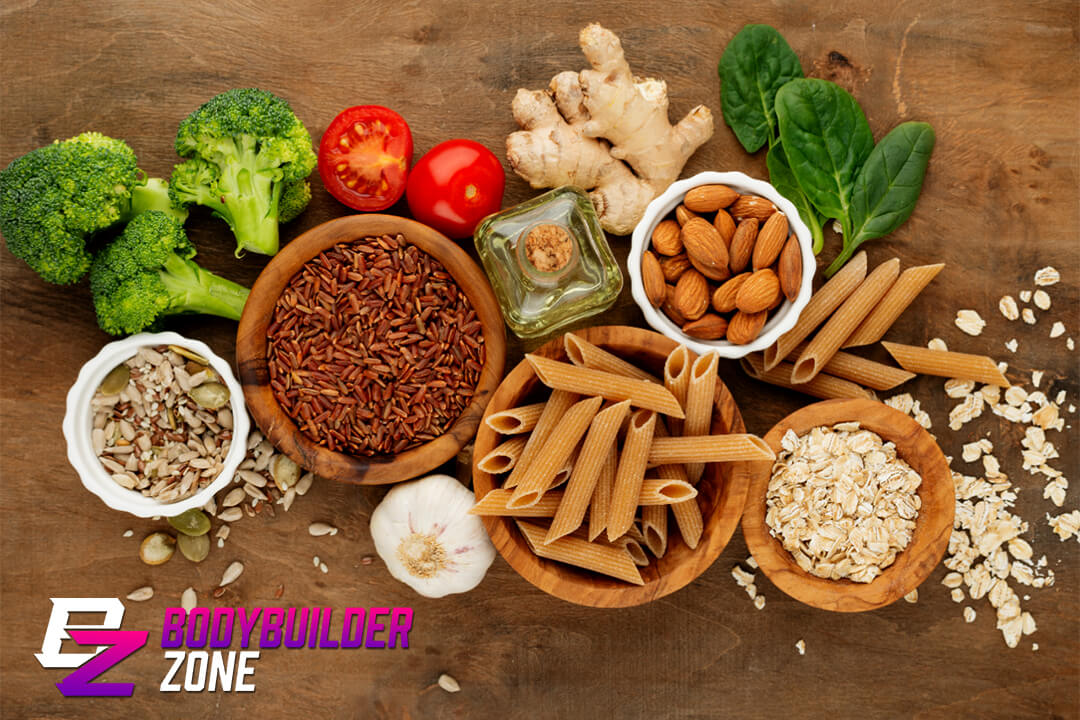
Focusing on dietary strategies that will guarantee maximal fat burning without necessarily sacrificing energy and health. Lose weight: One of the simplest ways to lose weight is to curb your calorie intake. In combination with this, you need meal planning that cuts out the junk and balances proteins, fats, and carbs.
Low-Carb Diets: How They Work and Why They Help
Over time, low-carb diets have emerged as the best short-term option for weight loss. Because it severely limits your consumption of carbohydrates, your body is forced to use stored fat as fuel, which speeds up the fat burning. Among the main advantages of low-carb diets are:
- Quick initial weight depletion
The scale shows effects right away since there is reduced water retention and glycogen depletion.
- Appetite suppression
High-fat, protein-concentrated meals are filling, which results in reduced overall food intake.
- Enhancement of metabolic health
A diet low in carbs is useful in body metabolism; it can control blood sugar levels and increase insulin sensitivity in type 2 diabetes.
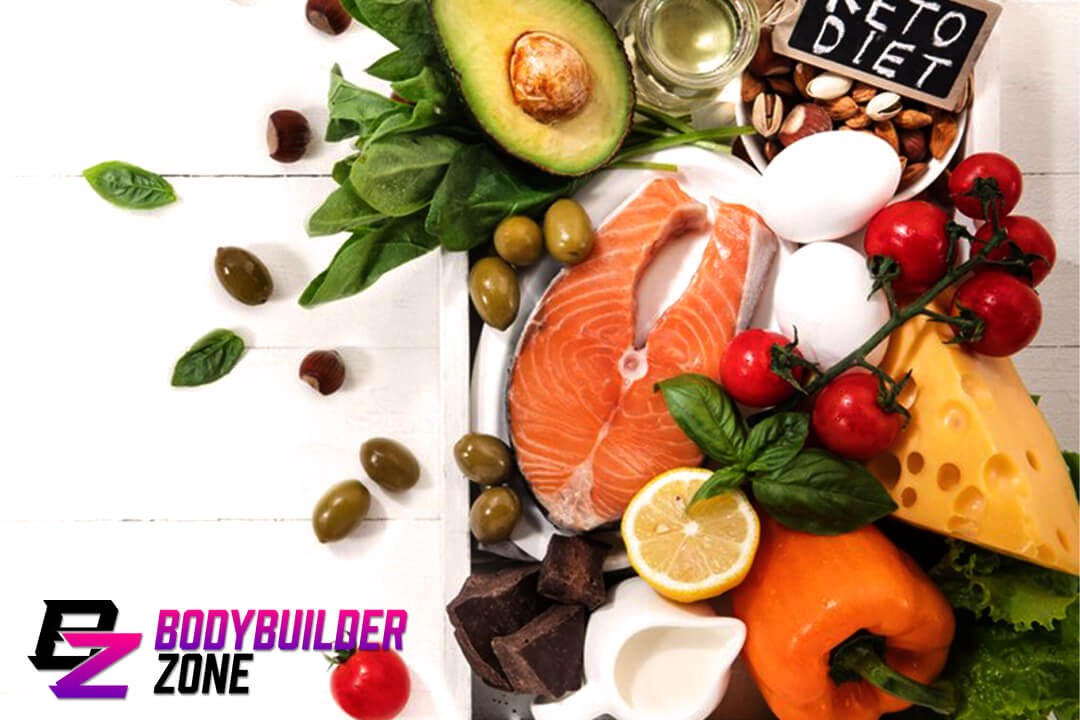
These diets, on the other hand, are devised with great caution to cover vitamin deficits. Non-starchy vegetables, good fats, and quality protein sources should remain included in the meal plan for energy and overall health.
Intermittent Fasting: Choosing the Right Approach
Another highly effective fast weight loss method is intermittent fasting or IF. In basic terms, it combines periods of eating with periods of fasting to regulate calorie intake and encourage fat-burning. There are different sounds in terms of calories.
| Method | Description | Who it’s best for |
| 16:8 method | 16 hours of fasting followed by an 8-hour eating window. | Ideal for beginners and those with flexible schedules. |
| 5:2 diet | Five days of regular eating and two days of reduced calories (500–600/day). | Great for people who prefer moderate restrictions. |
| Alternate-day fasting | Alternating between fasting days and regular eating days. | Suited for highly motivated individuals. |
| Eat-stop-eat | One or two 24-hour fasting periods per week. | Best for experienced fasters seeking rapid results. |
The way intermittent fasting works is by increasing insulin sensitivity and reducing total caloric intake. Additionally, IF can make meal planning easier and cut down on mindless snacking, which makes it simpler to keep a calorie deficit.
Effective Exercises for Accelerated Fat Loss
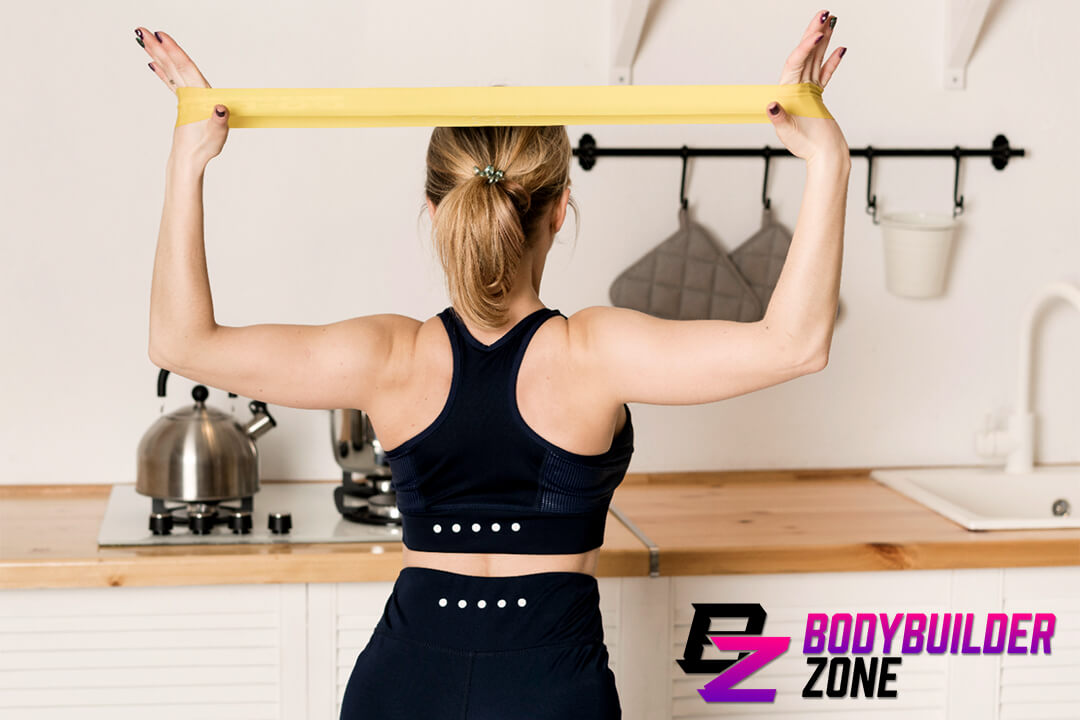
You may achieve greater and faster results by combining aerobic exercise, weight training, and HIIT in the right way. Let’s examine some of the top fat-loss workouts and how to include them in your training regimen.
HIIT Workouts: Maximize Fat Burn in Less Time
High-intensity interval training is among the best methods for fat loss. This type of exercise involves putting the body through extremely brief periods of high stress, followed by low-intensity activity. These are the main HIIT workout advantages:
- Increases calorie burn
Because of the “afterburn” effect, the intensity of HIIT workouts dramatically improves calorie burning long after the session is completed.
- Time-efficient
HIIT exercises are ideal for people with limited time because they usually last 20 to 30 minutes.
- Boosts your metabolism
The body burns fat even when at rest because intense intervals increase metabolism.
- Enhances heart health
HIIT enhances endurance and cardiovascular fitness, which may translate into better performance in other activities.
- Variety of exercises
Diverse jumping jacks, burpees, sprints, and cycling are just a few of the many activities that may be incorporated into HIIT.
High-intensity interval training may be incredibly difficult, despite its numerous benefits. Thus, pay attention to your body’s cues as you gradually raise intensity to prevent harm.
Cardio vs. Strength Training: What Works Faster?
Nevertheless, strength training and cardio both assist in fat burning but via distinctive methods and different results. Therefore, let’s consider how fast one loses fat using these two different forms of exercise:
- Cardio
Sustained movement is the primary means by which swimming, cycling, or running burn calories. While other forms of exercise can significantly improve cardiovascular health, high-intensity exercises burn a considerable amount of calories within a short period and help in the making of a caloric deficit fairly quickly.
- Strength training
Strength training raises the basal metabolic rate by assisting in the development of lean muscle mass. The more muscle mass you have, the more calories your body burns at rest. The metabolic rate increases for hours following the workout, making the body work on burning fat even after finishing the workout, although not as much as aerobic activities burn.
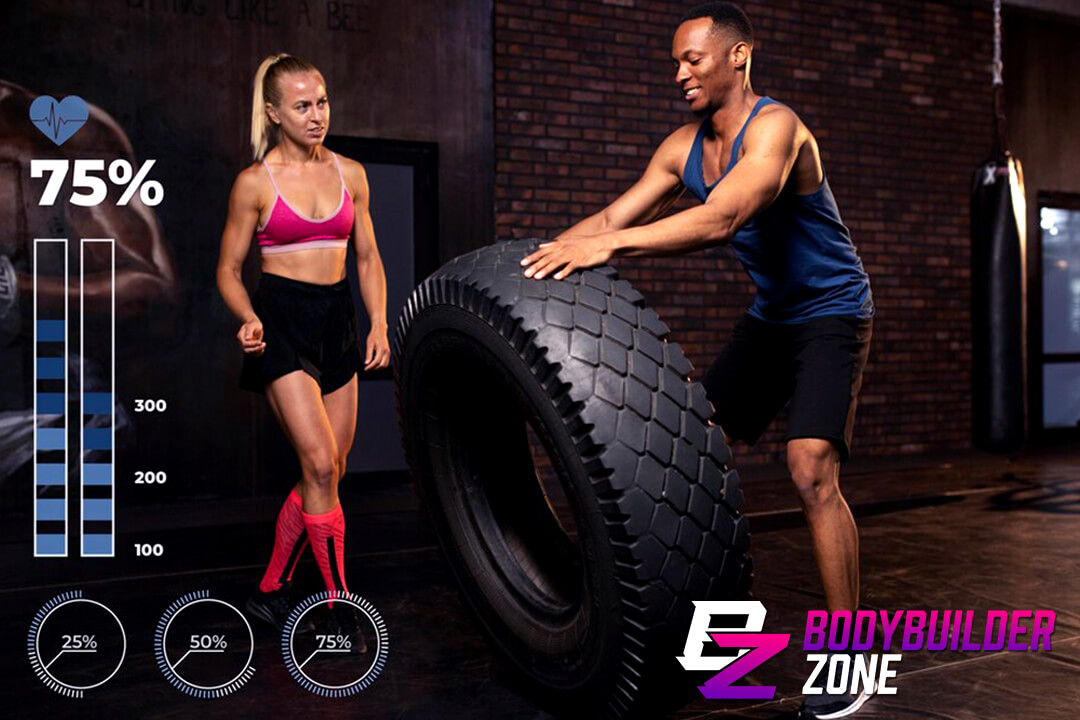
In the end, the best strategy for achieving quick and long-lasting fat reduction is to combine strength and aerobic training.
Combining Workouts for Optimal Results
Maximizing fat loss can be done by embracing several training styles. Here’s how different workout techniques can complement each other for faster results:
| Workout combination | Benefits | Perfect for |
| Cardio + HIIT | Cardio helps burn calories during the workout, while HIIT boosts afterburn and increases metabolism. | Individuals looking for a quick, calorie-burning workout. |
| HIIT + strength training | HIIT provides intense calorie burn, and strength training builds muscle, which increases fat burn long-term. | Those aiming for faster fat loss with muscle preservation. |
| Strength training + cardio | Strength training builds lean muscle, and cardio enhances fat loss by burning additional calories. | People seeking balanced fat loss and muscle toning. |
| All three (cardio + HIIT + strength) | Combining all three maximizes calorie burn, boosts metabolism, and improves muscle mass for optimal fat loss. | Highly motivated individuals with time for varied routines. |
All these exercises together will help you burn more fat while exercising and give your body a higher ability to burn fat at rest, resulting in a decrease in the tendency to accumulate body fat.
Lifestyle Changes That Support Fast Weight Loss
Other practices that will create the most conducive conditions to lose weight include stress management, good sleep hygiene, and daily water intake. Ten times the benefits can be achieved simply by enhancing daily activities.
Managing Sleep and Stress Levels for Better Results
Stress reduction and sleeping are essential aspects of weight loss. The hormones that control hunger and fat storage can be disrupted by sleep deprivation and ongoing stress, making weight loss challenging.
- Quality of sleep
Every night, try to get 7 to 9 hours of good sleep. Insufficient sleep causes the hormones leptin, which indicates fullness, to decrease and ghrelin, which stimulates appetite, to rise. A consistent bedtime and wake time are sure to establish a sleep routine.
- Stress management
This may provoke chronic stress that gets the adrenal gland to secrete cortisol, in turn, behaves to store fat in your belly. Activities such as yoga, meditation, or breathing exercises reduce cortisol and help in reducing fat.
By doing this, you’re enhancing your sleep and controlling your stress, which produces a hormonal balance that regularly and successfully promotes weight reduction.
Importance of Staying Hydrated and Avoiding Sugary Drinks
Maintaining normal water levels is crucial for increasing metabolism and regulating appetite. However, the consumption of sugary drinks intervenes in the body’s efforts by causing a spike in blood sugar, adding calories, and making you feel drowsy.
- Keep hydrated
Drinking water helps the body to burn fat and maintain proper metabolism. One should aim to drink at least 2–3 litres of water each day, depending on climate and activity levels. One glass of water before meals will help curb hunger and avoid overindulging.
- Avoid sugary drinks
Energy drinks, soda, and sweetened teas are examples of beverages that are poor in nutrients yet high in calories. Black coffee, herbal teas, or infused water are significantly better alternatives to those sugary drinks.
- Remember about electrolyte balance
Some natural products like coconut water and low-calorie electrolyte drinks could help replace lost vital minerals. The maintenance of sodium, potassium, and magnesium blood values would keep you energized while losing weight.

There is an emphasis on staying hydrated, cutting back on sugary drinks, and maintaining an electrolyte balance for the purpose of weight control, better athletic performance, and enhancement of overall health.
Common Pitfalls to Avoid on Your Weight Loss Journey
Losing weight is difficult, and even the best-laid plans may go awry. By being aware of these typical mistakes, you may avoid them and continue to produce long-lasting outcomes. Below are some major blunders to steer clear of and how to accomplish them.
Over-Reliance on Crash Diets
Crash diets, while quite fast in getting results, are often very expensive. In short, while these extreme calorie-restricted diets may achieve immediate results, they are not long-term approaches. Additionally, they may do damage to one’s metabolism.
- Crash diets will make you lose muscle mass. This will reduce metabolism and prevent you from burning fat in the long run.
- Many times, people have vitamin deficiencies, which lead to feelings of fatigue and more susceptibility to disease.
- Water weight would be mostly regained and lost after stopping the diet.
Better create a thoughtfully planned diet that controls calorie intake and includes complex carbs, lean proteins, and healthy fats, all of which are whole in nature; no crash dieting.
Ignoring Nutrition While Exercising
Exercise is a very important factor for weight loss, yet it will bring you disaster if you lack a healthy diet. Typical mistakes include:
- Eating too few calories, not enough protein, or using high-calorie post-workout “treats” as a reward.
- You may lack the energy or motivation to exercise effectively if you don’t eat or severely restrict caloric intake.
- Overindulging in post-workout treats may have you regaining back the calories you spent working out.
So, to avoid these pitfalls, one needs to combine exercise with balanced nutrition. It should promote fat reduction in addition to meeting your energy demands.
The Role of Unrealistic Expectations
If you have unrealistic expectations, you will simply be disappointed and frustrated when things don’t work out as soon as you had planned. You could end up disappointed if you set your expectations high and expect to see a drastic weight reduction between weeks or if you expect miracles overnight.
- Quick results rarely last and may, unfortunately, facilitate the acquisition of bad habits or cause one to experience burnout.
- Every weight loss journey is different, and comparing your results with others can put undue pressure on you.
- Establish a realistic and achievable target, such as a weight reduction of 0.5–1 kg per week.
Avoiding such mistakes also gives you a better chance of developing a more effective and healthier weight-loss program that can yield sustainable results.
How to Track Your Progress and Stay Consistent
The most critical element in any weight-reducing program is keeping track of the progress that has been made. You can stay motivated and make steady progress towards your goals by setting specific targets and through the right means.
Setting Achievable Goals for Quick Wins
Set goals that are specific, measurable, achievable, relevant, and time-bound, like working out for 20 minutes each day or shedding 1–2 kg in two weeks. Here are some tips to help you work toward attainable goals for quick wins:
- Make them specific
Instead of general goals like “lose weight,” set measurable and specific goals like “lose 1 kg this week.”
- Set a deadline for completion
Deadlines should be set for your goals, like “five workouts scheduled this week.”
- Set goals based on habits
Goals such as “drink 2 litres of water every day” and “add one vegetable to each meal.”
You feel more accomplished after such minor triumphs, which boosts your confidence to continue doing better. Divide large goals into more manageable benchmarks, and acknowledge your progress as you go.
Using Tools and Journals to Monitor Results
It’s beneficial to use journals or diaries and monitoring tools to keep consistency and gauge development. You might record your calorie consumption, activity, and weight loss or increase using apps, fitness monitors, or simply plain notebooks.
Reviewing your results regularly can help you identify trends and adjust your plan as necessary. You’ll be able to see patterns, like overindulging on the weekends or skipping exercises, and take proactive measures to address them.
Moreover, even if the scale doesn’t move as rapidly as you’d want, you may stay encouraged by recording non-scale successes. It can be increased energy, better sleep, or loose-fitting clothing.












Leave a comment