



For athletes to perform at their best and stay in good health, vitamins and minerals are essential. Micronutrients ensure that these activities occur properly, whereas macronutrients are thought to be the fundamental requirements for energy production and muscle function. It is thought that maintaining the right ratio of these nutrients helps athletes perform at their best during intense exercise by enhancing endurance, accelerating recovery times, and preventing injuries.
Due to the physical strain that athletes put their bodies through, they have unique dietary demands. The vitamins and minerals that are required for maintaining muscular contraction, energy generation, and recuperation are more demanded by high-intensity exercise. An inadequate intake of essential vitamins and minerals can significantly hinder one’s performance and lead to weariness, weakened muscles, or even physical harm. Consequently, knowing how to incorporate micronutrients into a sports nutrition plan and their significance in athletic functioning is critical to success.
- Essential Vitamins for Athletes
- Vitamin D and Bone Health
- B Vitamins and Energy Metabolism
- Important Minerals for Performance
- Iron and Oxygen Transport
- Magnesium and Muscle Function
- Ensuring Adequate Intake
- Recommended Daily Allowances
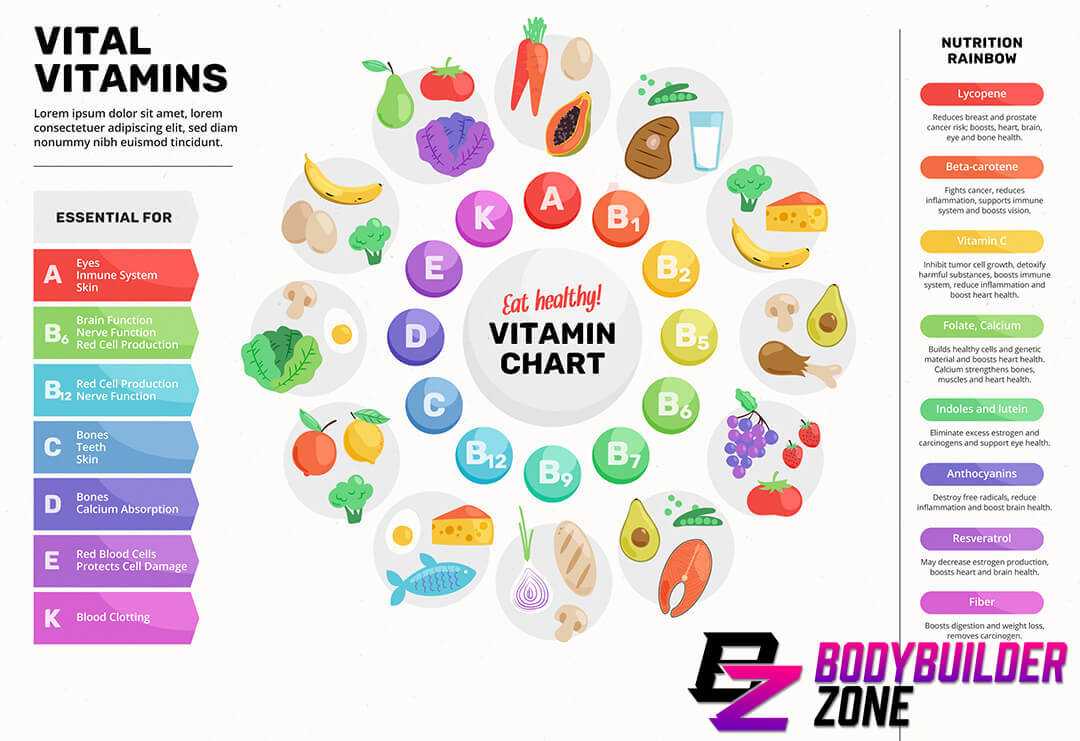
- Food Sources and Supplements
- Addressing Deficiencies and Overuse
- Signs of Deficiencies
- Risks of Excessive Intake
Essential Vitamins for Athletes
Because athletes have larger physical needs than the average population, they require even higher levels of other vitamins. Performance and recuperation may be directly impacted by ensuring sufficiency.
Vitamin D and Bone Health
One of the most crucial vitamins for athletes to have is vitamin D. It has a significant impact on calcium absorption and bone health. Less stress fractures and other ailments typical of high-impact sports are the result of healthier bones. Vitamin D also improves muscular function and total body functioning and there are other benefits:
- Increases bone density and the absorption of calcium.
- Boosts the immune system.
- Decreases inflammation and helps muscles recuperate after exercise.
The majority of athletes, particularly those who compete inside or live in areas with less sunshine, are vitamin D deficient. Adequate exposure to sunshine or vitamin D supplementation can enhance overall health.
B Vitamins and Energy Metabolism
B6, B12, riboflavin, niacin, and folate are the nutrients that are most important for energy metabolism, or the process of turning food into energy that may be used for activity. These vitamins are crucial for endurance athletes and those who train out for extended periods. Also, for those who perform other physically demanding tasks, they help the body break down proteins, lipids, and carbs for energy. There are the main B vitamin benefits for athletes:
- It provides more energy by making it easier for meals to be converted into ATP, the body’s chemical currency.
- Increases the amount of oxygen delivered to the muscles by promoting the production of red blood cells.
- Aids in the body’s post-workout recovery from muscular damage.
Athletes should consume enough whole grains, lean meats, and leafy greens since these foods are high in B vitamins, which can prevent tiredness, poor performance, and even longer recovery times.

Important Minerals for Performance
Minerals are essential for achieving optimal sports performance. They support nearly every bodily function, from energy generation to muscular contraction. An athlete’s diet must have the proper balance of minerals to develop and maintain strength, endurance, and health. Mineral deficiencies are associated with tiredness, decreased performance, and a higher risk of injury. Iron and magnesium are essential nutrients for any athlete because they impact muscle performance and oxygen transport.
Iron and Oxygen Transport
The body needs iron as a necessary mineral for the synthesis of hemoglobin, a protein found in red blood cells that carries oxygen from the lungs to the muscles. It is especially crucial for endurance athletes among sportspeople, as it allows them to sustain their energy and avoid feeling tired after extended durations of exercise. These are the principal advantages:
- Enhances oxygen delivery to working muscles.
- Reduces tiredness and increases endurance.
- It boosts general energy levels and immune system performance.
Athletes are more susceptible to iron deficiency, particularly women athletes and vegetarians. Healthy iron levels may be maintained by including foods high in iron, such as red meat, spinach, and fortified cereals, or by supplementing if needed.
Magnesium and Muscle Function
Magnesium is an essential mineral for the proper operation of muscles, neurons, and the synthesis of energy. It is crucial for muscular relaxation, which helps to avoid cramps and speed up the healing process after exercise. In addition, magnesium participates in over 300 metabolic processes that include blood pressure management, protein synthesis, and energy production. A sufficient magnesium intake can help athletes in such ways:
- Sustains contraction and relaxation of muscles.
- Stops muscular spasms and cramps.
- Boosts overall recuperation and energy generation.
- Maintains electrolyte balance, especially after excessive sweating.
- Helps regulate blood pressure, hence keeping the heart healthy.
Athletes may make sure they’re getting enough magnesium by eating nuts, leafy greens, whole grains, legumes, and supplements. An athlete may be able to maintain adequate amounts of this mineral, which would improve performance and recuperation, by putting all of the aforementioned resources and techniques into practice.

Ensuring Adequate Intake
To maximize performance, recuperation, and health, athletes and physically active people must consume the appropriate amounts of key vitamins and minerals. Adequate nutrition is ensured by a well-rounded diet, although additional techniques may be required to address any shortage or increased demands resulting from exercise. An athlete can satisfy nutritional demands by understanding nutrient-dense food sources and the necessary daily allowances.
Recommended Daily Allowances
An athlete’s RDA for essential vitamins and minerals is critical to know because their needs are frequently higher than those of sedentary people. Some essential nutrients and their recommended daily allowances for athletes are listed in the table below:
| Nutrient | RDA for adult men | RDA for adult women | Role in athletic performance |
| Vitamin D | 600–800 IU | 600–800 IU | Supports bone health and improves muscle function. |
| Iron | 8 mg | 18 mg | Aids oxygen transport and improves endurance. |
| Magnesium | 400–420 mg | 310–320 mg | Supports muscle function, prevents cramps. |
| Vitamin C | 90 mg | 75 mg | Antioxidant, supports immune health. |
| B vitamins | Varies by type | Varies by type | Supports energy metabolism and recovery. |
This is an example of dosage and is not absolutely accurate for each person. It is better for you to consult a doctor, take the necessary tests and a specialist will prescribe you the recommended dosage.
Food Sources and Supplements
Athletes should concentrate on eating meals high in nutrients and supplement if needed to achieve their daily requirements for these nutrients. Common dietary sources and situations in which supplements may be helpful are listed below:
- Vitamin D
Food sources include egg yolks, fortified milk, and fatty fish (mackerel, salmon). You should take vitamin D if your blood test results show low levels or you reside in a place with little sunshine.
- Iron
Sources of iron are lentils, spinach, red meat, and fortified cereals. Take the supplement if an iron deficit is identified, especially for female athletes or those who engage in a lot of exercise.
- Magnesium
Food sources include whole grains, nuts (almonds), seeds, and dark greens (spinach). If you can’t get enough nutrition from meals alone or if you frequently have cramps in your muscles.
- Vitamin C
You can get vitamin C from broccoli, bell peppers, strawberries, and citrus fruits. It is better to supplement when experiencing severe physical strain or illness.
- Vitamin B
Whole grains, meats, eggs, dairy products, and green vegetables are examples of food sources. Take supplements with vitamin B if you’re a vegan, vegetarian, or experiencing energy issues.
By focusing on these food sources and using supplements only when necessary, athletes can support their health and performance effectively.
Addressing Deficiencies and Overuse
Athletes must successfully manage their food intake in order to maximize performance without jeopardizing their health. It is obvious that deficient levels of vital vitamins and minerals can affect key sports functions and performance, and that persistently high consumption can be harmful. To ensure that your consumption stays within a healthy range, it’s a good idea to become familiar with both the potential hazards connected with high intakes and the basic signs of deficiencies.
Signs of Deficiencies
Prompt identification of insufficient nutrients aids in preventing long-term ailments and declining abilities. This table shows signs that athletes experience when they are deficient in important vitamins and minerals:
| Nutrient | Signs of deficiency | Impact on athletic performance |
| Vitamin D | Fatigue, muscle weakness, bone pain. | Decreased muscle strength, risk of injury. |
| Iron | Fatigue, dizziness, pale skin, shortness of breath. | Reduced endurance, slower recovery. |
| Magnesium | Muscle cramps, fatigue, irregular heartbeat. | Muscle weakness, impaired recovery. |
| Vitamin C | Frequent illness, slow wound healing, bruising. | Compromised immune function, slower recovery. |
| B vitamins | Fatigue, irritability, poor concentration. | Impaired energy production, reduced stamina. |
The deficiency can only be detected by a doctor’s examination. He will send you for a medical examination and will be able to accurately determine the level of all vitamins and minerals in the body.
Risks of Excessive Intake
A substantial danger to one’s health arises from consuming excessive amounts of vitamins and minerals, especially through supplements, while deficiencies may have a detrimental effect on sports performance. The following table lists typical dangers linked to consuming too much of certain vital nutrients:
| Nutrient | Risks of overuse | Recommendation |
| Vitamin D | Hypercalcemia, leading to nausea and kidney damage | Avoid high doses unless prescribed. |
| Iron | Gastrointestinal distress, liver damage, heart disease. | Only supplement if diagnosed with deficiency. |
| Magnesium | Diarrhea, nausea, abdominal cramping. | Limit supplementation to avoid side effects. |
| Vitamin C | Stomach upset, kidney stones. | Stay within recommended intake, especially with supplements. |
| B vitamins | Nerve damage, numbness (particularly B6). | Stick to recommended doses. |
This chart highlights the need to be mindful of issues associated with both excess consumption of critical nutrients and signs of deficiencies.













Leave a comment