



Understanding Flexibility
Flexibility is a crucial fitness component for daily functional movement and sports performance. It is a property that establishes the range of motion of a joint or collection of joints. Joint structure, muscle elasticity, and even nervous system activity all affect flexibility. Increased flexibility lowers the risk of injury while improving physical performance skills. Additionally, it encourages improved alignment and posture.
Although it is frequently taken into account, flexibility is one of the most important prerequisites for developing strength, agility, and balance. Aside from improving ranges in movements like lunges, deadlifts, and squats, including flexibility training in your program may also help you recuperate by reducing stress and stiffness in your muscles after a workout.
- Static flexibility
The ability to stretch a muscle to its maximum length and maintain that length is known as static flexibility. Static stretching, which relaxes the muscles to increase the range of motion around joints, has long been used as a cool-down after activities.
- Dynamic flexibility
In dynamic flexibility, the muscles are moved through their whole range of motion under control. Improving blood flow and muscular suppleness is frequently used as a warm-up to get the muscles ready for exercise.
- Proprioceptive neuromuscular facilitation (PNF) flexibility
PNF, which a partner typically assists, entails contracting and then relaxing muscles to improve the depth of the stretch. Athletes frequently utilize it for particular regions since it is particularly good at increasing flexibility.
In order to prevent injury and get greater results, always perform your flexibility exercises after a brief warm-up or activity. For overall mobility, always concentrate your stretching on the main muscle groups: the shoulders, hamstrings, calves, and quadriceps. Regularly engaging in flexibility training can improve everyday movement quality and sports performance, among other health advantages.
Benefits of Flexibility for Leg Training
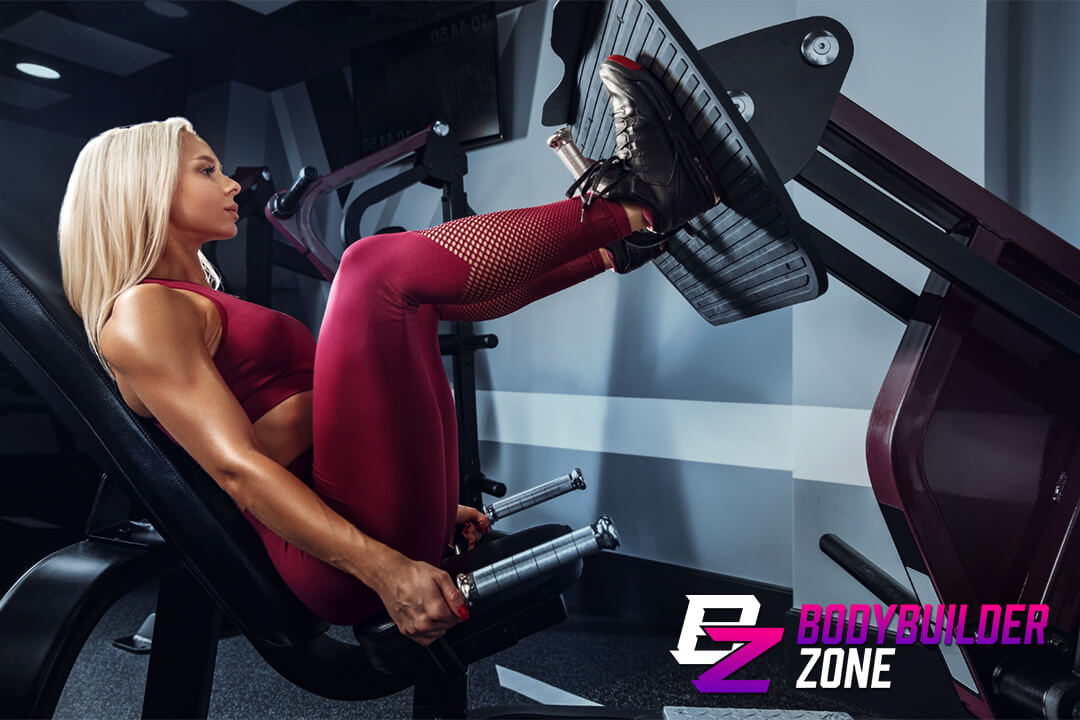
Flexibility is essential for proper leg exercise since it allows for complete range and proper form. You can execute each exercise with exceptional control because flexible leg muscles increase strength and stability. You can make sure that your muscles and joints are cooperating to enable stronger, more potent motions by adding flexibility training to your leg workout regimen. The main benefits of flexibility in leg training are:
- Enhanced range of motion
You can lunge lower, deadlift closer to the floor, and front and back squat deeper when your muscles are flexible. As a result, this increased range of motion enhances total muscle activation, particularly in movements like the leg press and squat that capitalize on greater depth.
- Improved stability and balance
By enabling leg modifications during weight and posture changes, flexibility aids in balance maintenance. When your hip flexors, hamstrings, and calves are flexible, you won’t have any trouble maintaining your balance during unilateral leg workouts like lunges or step-ups.
- Preventing injuries
Additionally, tense muscles make the legs more susceptible to strains and injuries during high-impact or high-intensity workouts. Stretching the hamstrings, quadriceps, and hip flexors, improves joint flexibility, eases tension, and gets muscles ready for abrupt loads or movements.
- Improved recuperation after exercise
By increasing blood flow to the muscles, this flexibility training improves recovery and lessens muscular discomfort. After a leg workout, stretching helps lengthen muscles for the following session and prevents stiffness.
- Maximum strength gains
Flexibility increases the range of motion during workouts, which facilitates the activation of more muscle fibres for improved strength and hypertrophy. For instance, you may execute squats and deadlifts more effectively if your quadriceps and glutes are flexible. Over time, this will result in increased leg strength.
Leg exercises combined with flexibility training can improve the flow of your workouts and help you avoid injuries, which will hasten the muscles’ recuperation. Your strength, balance, and performance will all noticeably improve with regular flexibility training.
Best Stretching Techniques for Legs
It is essential for stretching, which increases leg flexibility, eases muscular tension, and guards against injury. Various approaches, including PNF, dynamic, and static treatments, are quite beneficial for the leg muscles. Each has unique benefits, and for optimal results, you may perform each at a separate point during your exercise. Different leg stretch types are the following:

- Stretching statically
Static stretches are best performed at the end of an exercise when the muscles are warm and held for a certain amount of time, usually 20 to 30 seconds. This kind of helps your muscles chill down after working out by lengthening the fibres. Stretches for the quadriceps and hamstrings while sitting are two examples.
- Stretching dynamically
The goal of dynamic stretching is to gradually improve the range of motion through controlled, repeated motions. This is the best way to promote blood flow and flexibility during the warm-up before strenuous leg activities. Walking lunges and leg swings are two examples.
- Perceptual neuromuscular facilitation or PNF
PNF stretching, which frequently calls for an outside helper, deepens the stretch by using contractions and relaxations of the working muscle. PNF, which is usually only used in more advanced phases of flexibility training, is one of the best ways to produce flexibility improvements from tight musculatures.
| Muscle group | Stretch type | Stretch technique | Description |
| Hamstrings | Static | Seated hamstring stretch | With your legs outstretched, sit on the floor and grasp your toes. |
| Quads | Static | Standing quad stretch | Maintaining your knees in alignment, stand and lift one foot toward your glutes. |
| Hip flexors | Static | Kneeling hip flexor stretch | For a deep stretch, press your hips forward while kneeling on one knee. |
| Calves | Static | Standing calf stretch | Press the heel down while placing one foot behind you. |
| Inner thighs | Static | Butterfly stretch | Push your knees toward the floor while sitting with your feet together. |
| Full legs | Dynamic | Leg swings | For 10 to 15 repetitions, swing one leg forth and backwards. |
| Hip flexors | Dynamic | Walking lunges | Step forward and make lunges, switching legs. |
| Hamstrings | PNF | Assisted hamstring stretch (with a partner) | Hold your leg up to your chest for ten seconds with the assistance of your partner. |
To keep your muscles flexible and prepared for training, perform these stretches both before and after each leg workout. Each of these stretch types has a unique benefit; when combined, static, dynamic, and PNF stretches have a more balanced influence on flexibility and preserve the healthiest possible legs.
Incorporating Flexibility into Your Routine
Additionally, including flexibility exercises in a workout regimen improves overall fitness and reduces muscular tension, which helps to avoid accidents. Stretching, on the other hand, improves joint mobility, enabling better control and proper execution of workouts. Advice for including flexibility training in your exercise routine:
- Using dynamic stretching in your warm-up
To better engage the musculature for movement and to warm up the muscles before an exercise, use dynamic stretches. These stretches may be used to warm up muscles, improve blood flow, and lessen the risk of strains when exercising. Walking lunges, arm circles, and leg swings are a few of the exercises that work wonders for getting your body going at the start of a session.

- Static stretching after workouts
Spend most of your post-workout time performing static stretches to lengthen and relax your muscles. For the ideal cool-down, perform static stretches for 20 to 30 seconds. Common post-workout stretches include hamstring, quad, and calf stretches.
- Stretching PNF for increased flexibility
For optimal flexibility in the tight regions, PNF stretching combines muscular tension and relaxation. These are frequently performed on athletes and can be applied a few times each week to target specific muscles, including the hip flexors or hamstrings.
- Exercises for daily mobility
Maintaining flexibility and preventing stiffness can be achieved by including a short period of mobility exercises or mild stretching in your daily routine. To maintain one’s body flexible, one may perform exercises like hip circles, toe touches, or spinal twists anyplace and even on days off.
Let’s look at this sample flexibility routine that can be helpful for beginners to improve body flexibility:
| Time | Stretch type | Examples | Duration/repeats |
| Pre-workout | Dynamic | Leg swings, arm circles, walking lunges. | 5–10 minutes (10–15 reps each) |
| Post-workout | Static | Hamstring stretch, quad stretch, butterfly. | 10–15 minutes (20–30 seconds per stretch) |
| Weekly focus | PNF | Assisted hamstring stretch, and hip flexor PNF. | 2–3 times weekly (10-second contractions) |
| Daily mobility | Light mobility | Toe touches, hip circles, neck rotations. | 5–7 minutes (5–10 reps each) |
This regular practice can help you maintain optimal flexibility, improve your performance during exercise, and promote long-term physical well-being. Although flexibility training is a great complement to strength and endurance training, it also involves improving everyday comfort levels.
Conclusion and Recommendations
A vital but sometimes disregarded aspect of exercise for health is flexibility training. Stretching provides several benefits for efficient performance, injury prevention, speedy recovery, and comfort throughout everyday tasks. You will be able to sustain general strength, flexibility, and full range of motion by following these suggestions:
- Warm up with dynamic stretches. Perform dynamic stretching for five to ten minutes before beginning any activity. Lunges, arm circles, and leg swings are excellent exercises for increasing blood flow and getting muscles ready for action.
- Static stretches for cool-down. After training, take your time stretching your muscles statically to help them relax and cool down. The ideal hold duration for flexibility is 20 to 30 seconds.
- Incorporate PNF for advanced flexibility gains. Incorporating PNF stretches 2-3 times a week can assist in honing in on tight parts of muscles and enhance the depth of flexibility. This can work especially well for trouble spots like tense hip flexors or hamstrings.
- Include simple mobility exercises every day. You may increase your flexibility and decrease your overall stiffness by including simple mobility exercises or stretches at the start or end of each day or on days off.
- Be reliable for long-term outcomes. Your flexibility will probably get better over time. Regular stretching will benefit your joint and muscle health in the long run, so be sure to incorporate it into your regimen.
By gradually incorporating a combination of dynamic, static, and PNF techniques into your training regimens, you may target all of the key muscle groups and work toward reaching balanced, effective flexibility.











Leave a comment