



Because they are the monomers of proteins, which alone or in combination play a significant role in sustaining muscle development, repair, and health, amino acids are significant in the realm of athletic performance. Athletes who consume the right combination of amino acids will see notable improvements in their training outcomes, accelerated recovery times in between workouts, and less discomfort in their muscles afterwards. The human body needs amino acids for everything from producing energy to controlling hormones, so having a basic understanding of their forms and advantages is essential for anybody hoping to function at the highest level in their line of work.
Due to the intense workouts they perform, athletes typically have high protein needs. As such, they need to consume enough of both necessary and non-essential proteins. The body is unable to biosynthesize the necessary amino acids, hence they need to be obtained by food or supplementation. Although the body can synthesize the non-essential amino acids, food and supplements can also supply them, which can have excellent effects on metabolic processes and recuperation. An athlete may maximize their performance, aid in the growth of lean muscle, and promote active recovery techniques by adding amino acid supplements into their training regimen.
- Types of Amino Acids
- Essential Amino Acids
- Non-Essential Amino Acids
- Benefits of Amino Acid Supplements
- Muscle Recovery and Repair
- Reducing Exercise Fatigue
- Choosing the Right Amino Acid Supplement
- Types and Forms
- Recommended Dosages
- Incorporating Amino Acids into Your Diet
- Natural Food Sources
- Combining with Other Supplements
Types of Amino Acids
Amino acids can be divided into two categories: essential and non-essential. Each of them supports several physiological processes and has a typically distinct function inside the body. Next, we will study each of the types of amino acids in detail and consider what their features are.
Essential Amino Acids
As a result, amino acids become even more essential for athletes to give their muscles the much-needed protein synthesis and recuperation. Leucine is thought to be one of the main amino acids that promotes muscle development among all amino acids. The following are advantages of necessary amino acids for athletes:
- Muscle growth and repair
With the aid of EAAs, it is essential to repair damaged muscle tissues during strenuous exercise and to promote quicker recovery and growth.
- Energy production
To sustain performance levels throughout extended exercise, essential amino acids can be employed as energy sources.
- Hormonal regulation
EAAs are used in the synthesis of hormones that control several physiological functions, such as the body’s reaction to stress and metabolic processes.
As you can see, essential amino acids have a very beneficial effect on the body. They are great for active athletes and sportsmen who need energy and faster recovery.
Non-Essential Amino Acids
Even though the body can generate non-essential amino acids, athletes can still benefit greatly from them. The following are some of the significant roles and benefits of non-essential amino acids:
- Support for recovery
Non-essential amino acids are a recovery aid because they supply the building blocks for muscle tissue regeneration and lessen discomfort in the muscles after exercise.

- Energy metabolism
Gluconeogenesis is a process that may convert some non-essential amino acids into glucose, which can be used as an energy source during prolonged activity.
- Immune system support
Since the body has employed some of these non-essential amino acids in immunological responses, taking them as supplements may provide an additional means of helping athletes remain well and reduce their risk of becoming sick while exercising.
Comprehending the functions of both non-essential and essential amino acids may aid athletes in making knowledgeable selections regarding supplements, which in turn can improve their recuperation and performance.
Benefits of Amino Acid Supplements
Supplementing with amino acids can have varying effects on improving sports performance and preserving health. These supplements become crucial since sportsmen aim to increase muscular growth, decrease tiredness, and recover more quickly. This will make it possible for athletes to pinpoint the precise advantages of taking supplements containing amino acids to maximize training results and meet physical activity goals.
Muscle Recovery and Repair
The ability of amino acid supplements to support muscle repair and recuperation is among its most important advantages. Muscle fibres have suffered a great deal of stress and injury after an intense workout, and they require a lot of amino acids to fully heal. Leucine in particular is an essential amino acid that is required as a signal for muscle protein synthesis, which builds up growth and heals damaged tissues. This would greatly shorten the time it takes for an athlete to return to work and resume more productive training.
Aside from that, following intense exercises, amino acids might lessen the pain. By providing the necessary amino acids for muscle repair, they help:
- reduce delayed-onset muscle soreness
- relieve uncomfortable soreness after a hard workout
This provides comfort during the healing process and enables the athlete to workout more consistently without taking extended pauses.
Reducing Exercise Fatigue
Amino acid supplements play a vital role in diminishing the exercise-induced fatigue factor that limits excellence in performance. During conditions of long physical exertion, amino acid stores in the body diminish, especially the branched-chain amino acids. This will increase the perception of fatigue. Pre- and intra-exercise supplementation with BCAA maintains energy levels, hence allowing the athlete to perform better and for longer periods.
Besides that, amino acids can help to impact neurotransmitter levels in the brain, especially serotonin, which is related to feelings of fatigue. With their help, an athlete may potentially reduce the appearance of fatigue during exercise, thus enhancing his or her endurance and overall performance. This could be of vital importance in certain endurance sports where sustaining energy levels is crucial to success.

Choosing the Right Amino Acid Supplement
Selecting the appropriate amino acid supplement is crucial for optimizing its advantages and enhancing sports capabilities. Knowing which amino acid to take, in what form, and at what dosage can assist an athlete in making decisions that are more in line with their objectives. It will be certain that the athlete is appropriately supplementing a diet to promote recovery and boost overall performance if all these elements are taken into account.
Types and Forms
Amino acid supplements come in a variety of forms, each having advantages. Several well-known forms of amino acids are as follows:
- Essential amino acids or EAAs
These are the amino acids that the body needs to get from food or supplements since it is unable to produce them on its own. Nine amino acids are necessary, which include:
- Histidine
- Isoleucine
- Leucine
- Lysine
- Methionine
- Phenylalanine
- Threonine
- Tryptophan
- Valine
- Non-essential amino acids
Amino acids that the body can produce on its own are considered non-essential. But the majority of food sources and metabolic functions demand it. Among the frequently occurring non-essential amino acids are:
- Alanine
- Asparagine
- Aspartic Acid
- Glutamic Acid
- Serine
- Branched-chain amino acids or BCAAs
Such types of amino acids are popular for their role in muscle recovery and fatigue reduction. These are the three main variations of branched-chain amino acids:
- Leucine
- Isoleucine
- Valine
These are just examples of types of amino acids, but in reality, their differences are much greater. Supplements containing amino acids are available as liquids, pills, and powders. Athletes prefer powders because of their quick rate of absorption and efficacy, although athletes on the go may find capsules to be more handy.
Recommended Dosages
The right amount of amino acid supplements to take relies largely on personal goals and demands. This table summarizes the general suggestions as follows:
| Supplement type | Recommended dosage | Notes |
| EAAs | 10–20 grams post-workout | Supports muscle protein synthesis. |
| BCAAs | 5–10 grams before/during workout | Helps reduce fatigue and support recovery. |
| Non-essential amino acids | Varies, consult specific product | Generally less critical for supplementation. |
Because of this, before beginning any form of supplementation, a patient should see a nutritionist or other healthcare expert, and the dosage should be appropriate for the patient’s needs and level of training.
Incorporating Amino Acids into Your Diet
Amino acid supplementation has been shown to significantly improve general health and sports performance. Even though supplements are incredibly convenient, it’s crucial to pair them with whole foods that are rich in a variety of amino acids. An athlete will be well on their way to creating a nutritional plan to support fitness objectives once they understand which meals to include and how to balance amino acid supplementation with other nutrients.
Natural Food Sources
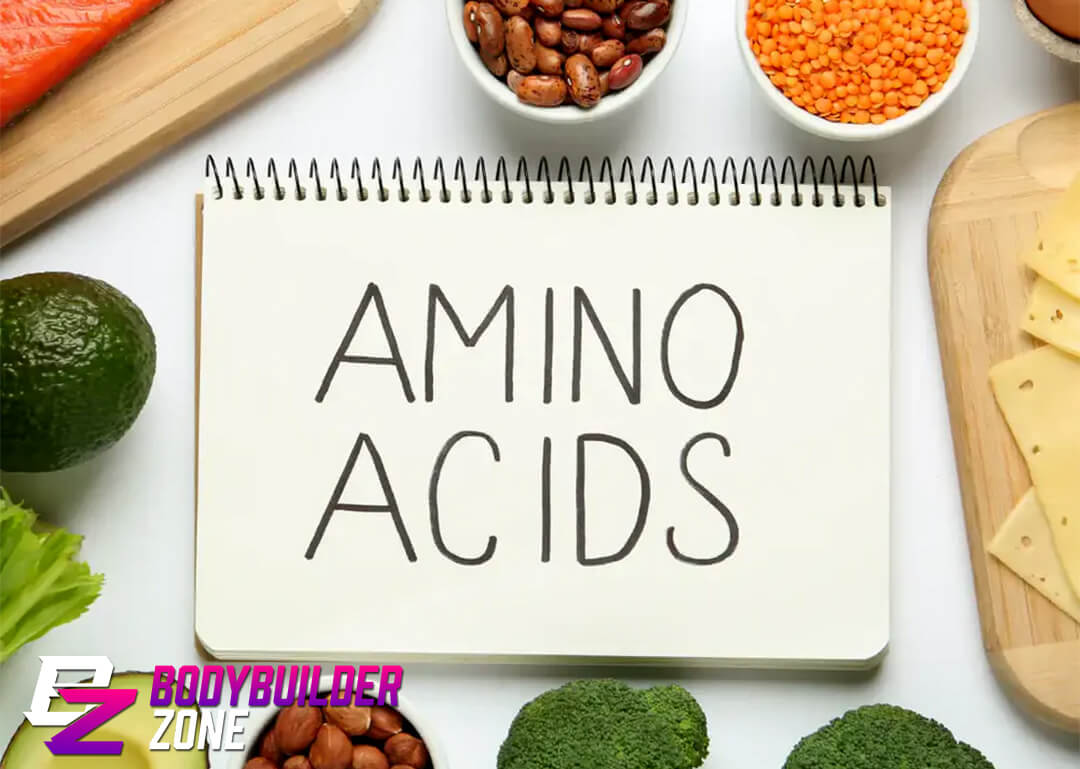
Many foods, especially those with a high protein content, contain considerable levels of amino acids. A list of a few of the natural sources is shown below:
- Meat and poultry. Turkey, beef, and chicken are excellent providers of the necessary amino acids.
- Fish and seafood. In addition to being excellent sources of protein, omega-3 fatty acids may be found in salmon and tuna.
- Dairy and its Products. Whey and casein proteins are found in milk, cheese, and yogurt.
- Eggs. Since eggs have every necessary amino acid, they constitute a complete protein.
- Pulses and legumes. This group includes chickpeas, beans, and lentils. They are also considered to be some of the greatest plant-based protein sources.
Incorporating a variety of these foods into daily meals can help ensure adequate amino acid intake and support overall health and recovery.
Combining with Other Supplements
As you add amino acids, think about how they will work in concert with other supplements. The following table summarizes a few common combinations:
| Supplement type | Recommended pairings | Benefits |
| BCAAs | Protein powder | Enhanced muscle recovery and growth. |
| Essential amino acids | Creatine | Improved strength and muscle performance. |
| Glutamine | Post-workout shake | Supports recovery and gut health. |
Combining amino acids with supplements may guarantee maximum recovery and performance, which will maximize the benefits of a training regimen. Based on a person’s needs and training objectives, a nutritionist may always give precise advice about suitable combinations.















Leave a comment