



To increase physical strength and improve your appearance, you need to work on creating a strong core. This is achieved by performing various abdominal exercises using different muscle groups. Most often, during a workout, the rectus abdominis, obliques and transverse muscles are included in the work. Many types of exercises are great for creating a core.
In addition to the aesthetic component, strong core muscles play a key role in achieving body tone. Having strong core muscles will help you improve your performance in many sports. We will talk in more detail about creating an effective core training program below. We will also pay attention to the main positive aspects that are important for both beginners and professional athletes.
- The Importance of Core Strength
- Benefits Beyond Aesthetics
- Impact on Overall Fitness
- Effective Abdominal Exercises
- Crunches and Variations
- Planks and Side Planks
- Leg Raises and Bicycle Crunches
- Best Practices for Core Training
- Maintaining Proper Form
- Frequency and Progression
- Combining Core Exercises with Other Workouts
- Integrating into Full-Body Routine
- Sample Core Workout
The Importance of Core Strength
Strong core muscles, as mentioned above, not only give a beautiful appearance but also have an important function in the body. If they are toned and regularly subjected to physical load, then this has a positive effect on your health. Next, we will pay attention to the most important benefits, covering different aspects of the body.
Benefits Beyond Aesthetics
A beautiful appearance of the body is not the only accessory, but rather just a pleasant addition. Strong core muscles have many useful properties that are extremely important for maintaining a good physical shape of a person:
- Spine support
One of the main advantages can be highlighted by the back support. The stronger the muscular core, the better it holds the posture. A straight back directly depends on whether your core is in tone or not.
- Reducing lower back pain
Although the lower back is the lower part of the back, its health also depends on the muscles of the body. A toned cord reduces the risk of injury to the lower back and shows pain in it.
- Improving stability
You may have noticed that people with developed core muscles find it much easier to perform everyday activities. It is very easy to remove heavy things and maintain an upright sitting position. Usually, many people slouch over time, thereby provoking the appearance of a stoop.
With a strong and toned core, the body is instantly stabilized. In addition, you gradually reduce the load on the muscle groups of the back and pelvis. Therefore, improving the torso is very important and necessary for athletes of any level of training.
Impact on Overall Fitness
Another important role the body plays in maintaining the overall physical fitness of the athlete. The core muscles can be called the link between the upper and lower body. Their physical preparation determines whether they can effectively perform many exercises.
The fact is that during a workout, it is difficult to make only one muscle group work. That is why the core muscles are often involved when pumping up the legs or back. Almost every action performed activates it. For example, this can be running, swimming or lifting weights.
If we talk about physical indicators, they can be significantly increased if you pump up the core muscles. Namely, strength and endurance, which are necessary during training, increase. Such types of exercises as squats, deadlifts or sprints require these indicators at a high level, so it is important to develop them. We can conclude that a strong torso is necessary to reveal the potential in fitness and functional movement.
Effective Abdominal Exercises
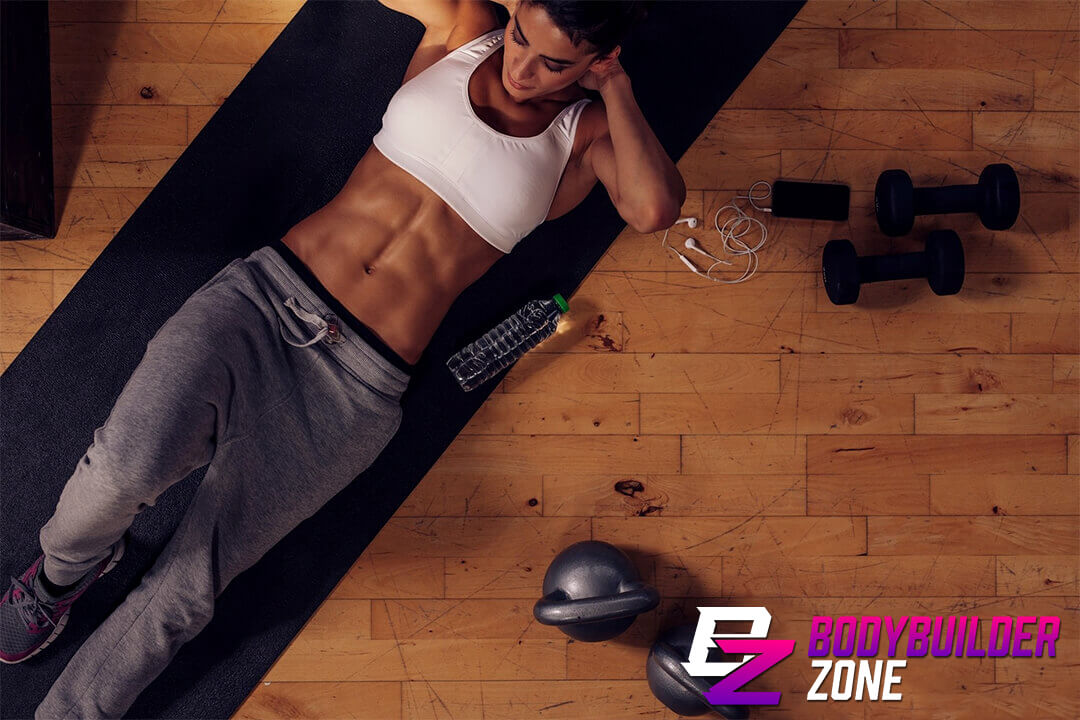
To achieve progress and results, it is important to choose the right exercises. We want to introduce you to the 3 most popular types of exercises that you can include in your workout. They are especially effective when performed correctly.
Crunches and Variations
It is worth starting with such an exercise as crunches because they are the most popular among athletes. Crunches are great for training the rectus abdominis muscles. Also, during this exercise, the upper part of the press is involved, which improves the relief and strength of the torso. There are several variations of crunches that you can use:
- Reverse crunches. This type is aimed at the lower abdomen.
- Bicycle crunches. Suitable for pumping up the oblique muscles.
- Crunches with weights. Allow you to achieve hypertension and actively stimulate muscle growth.
Including crunches in your workout program will give immediate results. You will develop your abdominal muscles in a balanced way, as well as improve their strength, tone and appearance.
Planks and Side Planks
Let’s move on to an equally popular and sought-after exercise, the plank. This exercise is static and during its execution, not only the abs are developed but also the entire core, back and shoulders. The correct plank technique includes a straight back and arms position, which should not be bent. It is also important to tense the abdominal muscles for a better effect. There are such types of planks that you can include in your workout as:
- Classic plank. Many muscle sections are activated, such as the entire core, lower back muscles and buttocks.
- Side plank. A more complex version that targets the oblique muscles and improves the stabilization of your body.
- Plank with leg or arm lifts. A more complex version of the exercise is designed to work out more muscles and grow them.
Be sure to adhere to the correct technique for performing the exercise and focus on tensing all muscles. If you have problems with posture, then planks will help with this. They effectively help stabilize the body and strengthen the core and back muscles.
Leg Raises and Bicycle Crunches
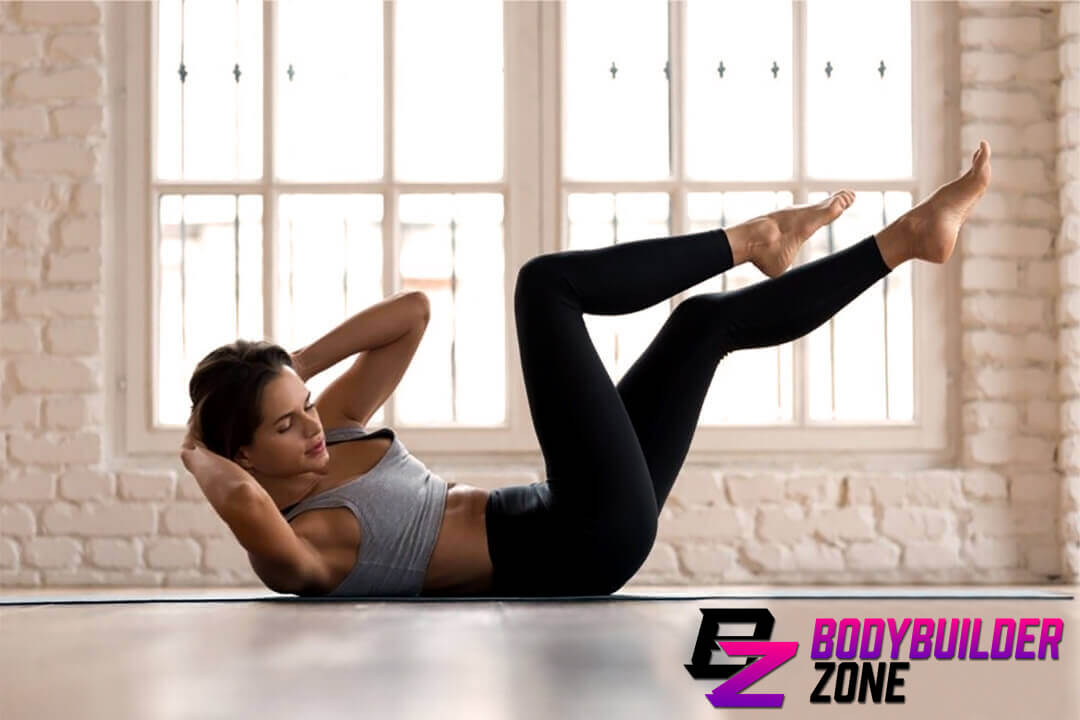
Another, but no less good, exercise for the core muscles on our list is leg raises and bicycle crunches. They are aimed at developing both the lower and oblique parts of the press. They also have variations that work on different parts of the press, so you should choose the most suitable one:
- Hanging or floor leg raises. Their implementation activates the lower part of the press, improving its relief and strength many times over. It is not a simple exercise, but incredibly effective and loved by many athletes.
- Bicycle crunches. This type of exercise is aimed at working out the straight and oblique parts of the core. If you need to achieve relief in these parts, be sure to include this exercise in your workout.
The combined use of these two exercises will give an excellent result! Both exercises can be included in a complex workout for uniform work of all abdominal muscles.
Best Practices for Core Training
If you are a beginner, it is important to remember that it is important not to overexert yourself. Many people tend to make mistakes during training, so it is important to know how to avoid them. The best practice for beginners is to gradually increase the load and use the correct exercise technique. This way, you will confidently progress in your training.
Maintaining Proper Form
Let’s start by discussing the correct technique for performing abdominal exercises. Only by adhering to it will you see results and not waste time on useless movements. If you do the exercises incorrectly, this will lead to unnecessary strain and pain in the back and neck. Here are the main points to pay attention to:
Breathing control. When lifting the body or making any other effort, you need to exhale. You need to inhale when returning to the starting position.
- Avoid overstraining the neck. You can damage the muscles of the neck if you lift the body incorrectly. Be sure to lift it using only the muscles of the core, but do not help with your hands by resting on your head.
- The neutral position of the spine. In no case should you arch the spine and lower back. Keep them in a straight position when doing the plank or leg lifts.
- Focus on the muscles of the core. Be sure to keep your attention and tension only on the abdominal muscles. In addition, avoid using inertia or other muscles to perform the exercises.
The correct technique for performing abdominal exercises will help minimize the risk of injury. It is important to remember that especially beginners have weaker muscles and can be easily injured. Keep your training moderate and do not overdo it.
Frequency and Progression
To see progress and results, you need to stick to regularity. It is also worth gradually increasing the load, as mentioned above. Below, we want to give recommendations for each of the aspects for beginners.
| Factor | Instructions |
| Workout frequency | 3–4 times per week to provide enough stimulus and recovery. |
| Progression | Increase repetitions, add weights, or make exercises more challenging. For example, transitioning from a regular plank to a plank with leg lifts). |
| Variety of exercises | Alternate between exercises for the rectus abdominis, obliques, and lower abs for comprehensive development. |
| Recovery time | Allow time between workouts to prevent overtraining and ensure muscle recovery. Better if it is a 1–3 day break between training. |
Don’t forget about a balanced diet when you start doing workouts. Your diet should include a sufficient amount of proteins, vegetable and animal fats and carbohydrates. This will help to avoid excess weight and make your muscles more pronounced.
Combining Core Exercises with Other Workouts
Using combinations of different types of exercises is a more effective method for developing core muscles. This allows you to work several muscle groups at the same time and achieve the desired results from training faster.

Integrating into Full-Body Routine
By integrating core exercises into a full-body workout, you will engage many muscles. This has a positive effect on the even development of the upper and lower body. If you do not like the option of allocating separate days for core exercises, you can combine it with a workout for other body parts. Your core is engaged during almost all exercises, so you can do planks, mountain climbers, and russian twists, including them in a complex workout.
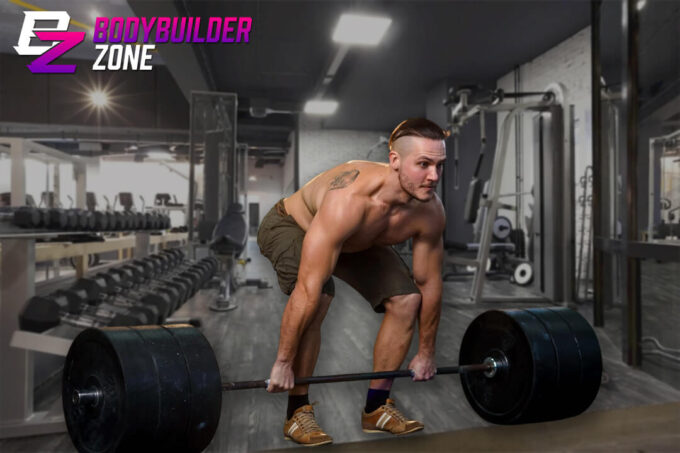
This way, you will not only save time but also engage your core during complex movements. You can also do squats, deadlifts, and standing presses because here the abs are also actively engaged. There are several great options for how to effectively integrate core exercises:
- Begin with complex motions. The greatest exercises to do these are deadlifts, lunges, and squats. Your core will automatically activate, so there’s nothing extra you need to do.
- Between sets, include some core exercises. These can be crunches of any kind, planks, or leg lifts. Although they don’t take long to complete, they are quite powerful.
- When you warm up or cool down, focus on your core. You can make sure that you are consistently working these muscles by including core exercises at the start or finish of your workout.
Using this method of integration, you will achieve good results quite quickly. And it will also help to develop all muscle groups of your body in a balanced way, without overloading them too much.
Sample Core Workout
There are many types of workout programs suitable for athletes of different levels. This is an example of a core workout for beginner athletes. You can also integrate it into an existing workout plan. The plan below is great for strengthening the entire core and increasing stability, balance and endurance.
| Exercise type | Sets | Reps/Duration | Rest |
| Plank | 3 | 30–60 secs | 30 secs |
| Bicycle crunches | 3 | 15–20 reps | 30 secs |
| Leg raises | 3 | 12–15 reps | 30 secs |
| Russian twists with weight | 3 | 20 reps, each side | 30 secs |
| Side plank, each side | 3 | 30–45 secs | 30 secs |
| Mountain climbers | 3 | 30–45 secs | 30 secs |
To sum it up, only a well-balanced core workout can give you the desired results. Focus not only on one part of the core but also be sure to work the middle, lower and oblique abdominal muscles. If you integrate the entire above-presented plan into your workout, you will strengthen your core completely and increase its strength.










Leave a comment