



Understanding Nutrition for Weight Loss
A balanced nutritional approach that promotes health and maintains energy levels while aiming to lose excess weight is the foundation of successful weight reduction. Understanding how food choices, meal timing, and macronutrient consumption impact the body’s metabolic and energy balances is key to successful weight reduction. In addition to promoting fat loss, nutrition tends to maintain lean muscle mass, which makes weight reduction outcomes both healthy and long-lasting.
One can successfully control hunger, balance energy, and prevent nutritional deficits that are typically associated with extremely restrictive diets when the focus is on nutrient-dense meals and a slight calorie deficit. Making little dietary and lifestyle adjustments regularly lays the groundwork for long-term success and increases the likelihood of reaching a healthier weight. This is why nutrition is crucial for the athletes who want to lose weight:
- Proper diet
Blood sugar levels are stabilized by a healthy diet, which prevents energy levels from dipping during the day.
- Maintains muscle mass
A balanced protein intake aids in maintaining muscle mass during weight reduction, which is crucial for a healthy metabolism and overall body composition.
- Reduces appetite/cravings
Eating a full stomach of foods high in fibre, protein, and other nutrients can help you avoid hunger and sustain a calorie deficit.
- Prevents nutritional deficiencies
By placing a strong emphasis on whole foods and a variety of nutrients, the health issues associated with too-restricted, nutrient-poor diets are avoided.
- Encourages long-term health
Eating a balanced diet helps people lose weight and maintain their general health, which makes it simpler to keep both things stable over time.
One might decide to lose weight in the healthiest and most lasting way by appreciating the importance of these factors. It will then be the deciding factor in completely controlling weight and health with careful preparation, consistency, and nutrition.
Key Nutritional Strategies
Applying the appropriate dietary techniques can increase the likelihood that any diet plan will be successful in helping people maintain not just lower body weight but also their health and vitality. The first of these 2 crucial dietary methods is ensuring that macronutrient intakes are appropriately balanced, and the second is controlling portion sizes.
Balanced Macronutrients
For the body to function at its best, a weight reduction program needs a balanced intake of proteins, carbs, and fats. The body uses each macronutrient for a distinct purpose. Understanding the significance of each will enable a person to prepare satisfying, healthful meals.

- Proteins
These aid in maintaining muscle mass throughout decrease since they are crucial for both muscle growth and repair. Reducing your overall calorie consumption will help you feel full.
- Carbohydrates
The body uses carbohydrates as its main energy source. For this reason, carbohydrates are crucial for supplying energy during exercise and other everyday tasks. Selecting complex carbohydrates instead of simple sugars balances energy levels and decreases appetite.
- Fat
Among their many other applications, fats play a crucial role in the synthesis or manufacture of hormones. Omega-3 and unsaturated fat sources also promote fat-soluble vitamins and assist in maintaining heart health.
| Macronutrient | Recommended daily intake | Sources | Benefits |
| Protein | 15–30% of total calories | Chicken, fish, legumes, tofu. | Supports muscle maintenance, and enhances satiety. |
| Carbohydrates | 45–65% of total calories | Whole grains, fruits, vegetables. | Provides energy, and aids digestion. |
| Fat | 20–35% of total calories | Avocado, nuts, olive oil. | Supports hormone function, and improves satiety. |
The person will be on the best nutritional route to successful weight reduction and good health if their food consumption is balanced with their macronutrient intake.
Portion Control
Portion management is one of the secrets to effective weight loss. By controlling the quantity offered, the person avoids overindulging and maintains their desired calorie intake. The individual will be able to consume a wide range of meals without ever exceeding their calorie goal.
- Understanding serving sizes
Learning about conventional serving sizes is one method to gain an understanding of serving sizes. A person can estimate meal servings with the use of a food scale and measuring cups.
- Mindful eating
Eating mindfully entails focusing entirely on what is being eaten without interruption and being aware of hunger and satiety indicators. By paying close attention to the body’s demands, it gives you the chance to savour meals and may help you avoid overindulging.
- Smaller plates
By making it appear as though there is more food on each plate, using smaller plates encourages people to eat a bit less of everything without feeling deprived.
| Portion control strategy | Description | Benefits |
| Understand serving sizes | Learn standard portions for various foods. | Helps prevent overeating. |
| Practice mindful eating | Focus on the eating experience and hunger cues. | Enhances satisfaction and reduces intake. |
| Use smaller plates | Serve food on smaller dishes to control portions. | Creates visual satisfaction with less food. |
In addition to helping people reduce their calorie intake, portion control improves eating habits that support a positive connection with food, making it easier to maintain weight reduction. The majority of these crucial dietary techniques focus on portion and macronutrient management, making them the pillars of proper weight management.

An individual may successfully create an eating pattern that they can adhere to, reduce weight, and enhance their general health and well-being by concentrating on nutrient-dense meals and portion sizes. By following these guidelines, people become more conscious of what they consume, which helps them make decisions that will help them lose weight.
The Role of Whole Foods
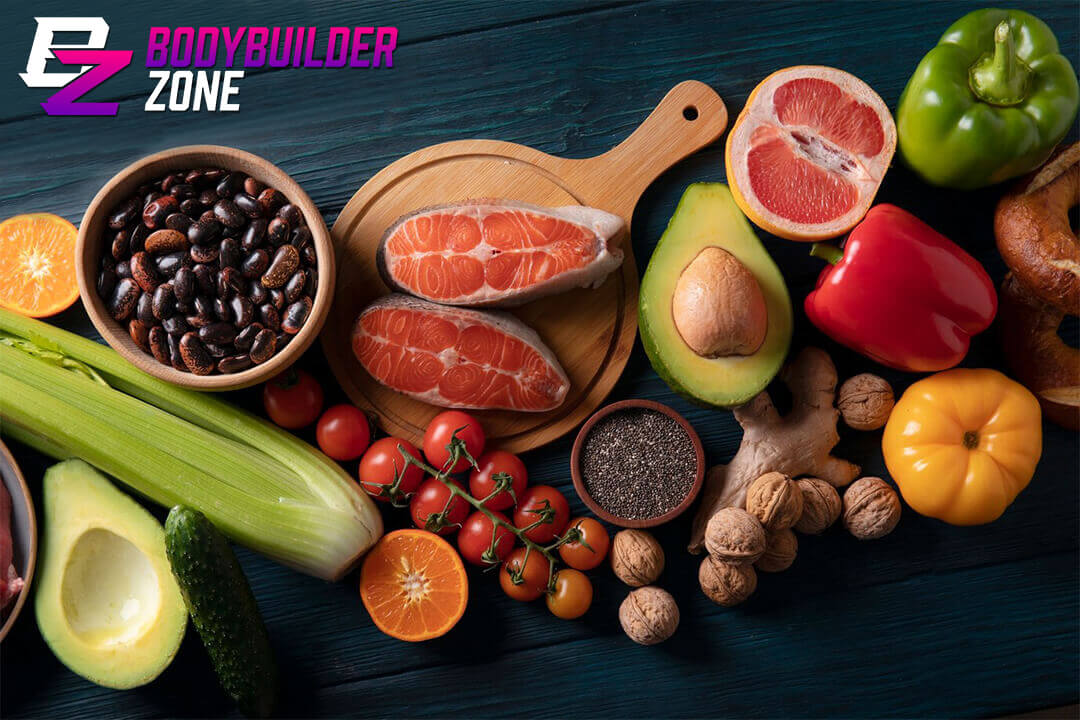
For effective weight control and general health, whole foods are crucial. Fruits, vegetables, whole grains, lean meats, and healthy fats are examples of foods that are little processed while maintaining their nutritional value. Prioritize whole meals to enhance nutrition and facilitate better appetite control, which will help you maintain your energy levels throughout the day.
All nutrients, including vital vitamins, minerals, and antioxidants, are abundant in whole meals, which will further enhance their health advantages. The majority of whole foods have more fibre, which aids in digestion, prolongs feelings of fullness, improves appetite control and lessens cravings. These are the main roles of whole foods for weight loss:
- Nutrient density
Whole foods are abundant in vitamins, minerals, and antioxidants that support the body’s operations and aid in a person’s immune system development. A food item that is high in nutrients will help someone achieve their nutritional needs without consuming too many calories.
- Improved satiety
Foods abundant in fibre, such as fruits, vegetables, and whole grains, may improve satiety, which would lead to a general decrease in food consumption. Self-satisfaction prevents overeating and aids with weight management.
- Improved blood sugar regulation
Whole meals, particularly those high in fibre, help control blood sugar levels and avoid spikes and crashes that may eventually cause cravings and energy slumps. Longer-lasting energy levels throughout the day and regulated appetites are the outcomes.
- Better digestion
The ideal quantity of fibre found in whole foods promotes digestion, facilitates simple bowel movements, and aids in the feeding of beneficial gut bacteria linked to a balanced gut microbiome.
- Decreased risk of chronic illnesses
Eating whole foods is linked to a decreased risk of the majority of chronic illnesses, such as obesity, diabetes, and heart disease. In turn, whole meals could offer protection against the aforementioned ailments.
| Whole food group | Examples | Key benefits |
| Fruits | Berries, apples, oranges. | High in vitamins, antioxidants, and fibre. |
| Vegetables | Leafy greens, broccoli, bell peppers. | Low in calories, and high in fibre and nutrients. |
| Whole grains | Brown rice, quinoa, oats. | Provide complex carbohydrates and fibre. |
| Lean proteins | Chicken, fish, legumes. | Support muscle maintenance and satiety. |
| Healthy fats | Avocado, nuts, olive oil. | Promote heart health and hormone balance. |
Whole foods are the finest option for building a healthy life because of their many health advantages, making them the most crucial basis for diet or weight management. Although natural foods are generally preferable to processed ones.
Conclusion and Practical Tips
Of these three, whole foods are typically healthful, may provide satiety, and are an excellent source of the nutrients the body requires. They are therefore the cornerstone of any diet. A person may ensure that their weight stays under control and that they experience general gains in their energy levels and overall health by adopting the proper eating habits.
The following advice may help you develop a habit of consistency for effective weight management, and it is more practically achievable:
- Make a balanced meal plan by including healthy fats, proteins, and carbs in each meal. To receive a wide range of nutrients at every meal, picture half your plate being veggies, a quarter being lean protein, and a quarter being entire grains.
- Keep your calorie intake under control by using smaller plates and measuring out quantities of your meals, particularly high-calorie items like nuts or oils. Portion management may also be achieved by using eating strategies like eating slowly and enjoying each mouthful.
- Throughout the day, sipping water can help you feel refreshed and control your appetite. Maintaining enough fluids speeds up metabolism and lessens the chance that thirst may be mistaken for hunger.
You will develop a more consistent and long-lasting eating pattern if you adhere to these practical dietary suggestions. Small, simple dietary adjustments can occasionally have a big impact and produce long-lasting benefits.















Leave a comment