



Overview of Powerlifting Training
The 3 main lifts that makeup powerlifting are the squat, bench press, and deadlift. The goal of these competitive events is for participants to lift the most weight in a single session. In addition to building physical strength, powerlifting training focuses on form, technique, and mental focus. Major facets of powerlifting training will be covered in this review, including exercise selection, training techniques, and the significance of recuperation.
An effectively designed program with variations in major lifts, auxiliary exercises, and recuperation periods is often a part of powerlifting training. To peak for competitions, the majority of lifters cycle through volume training. To ensure that everything runs well on competition day, powerlifters also focus on increasing their muscle strength. Let’s see the key components of powerlifting training:
| Component | Description |
| Main lifts | Focus on squats, bench presses, and deadlifts. Perform variations for strength development. |
| Accessory exercises | Include movements that target supporting muscle groups to enhance overall strength (rows, lunges). |
| Training phases | Cycle through volume and intensity phases to prepare for competitions effectively. |
| Technique work | Emphasize proper form to prevent injury and maximize lift efficiency. |
| Recovery | Prioritize rest, nutrition, and active recovery to allow muscles to repair and grow stronger. |
A thorough program of maximum strength growth in the squat, bench press, and deadlift through mastered methods, planned training, and recuperation time is what powerlifting training is, to put it briefly. To assist lifters improve their performance and compete at higher levels in the sport, the missing links were introduced here. These are essentially the things that everyone interested in powerlifting, whether for competition or just for strength training, should be aware of.
Typical Weekly Training Schedule
Powerlifters must follow a set weekly training regimen to perform at their best and be ready for any competition. An illustration of a typical weekly volume, intensity, and recuperation balance may be found below:
| Day | Focus | Key exercise |
| Monday | Squat day | Squats, front squats, leg press, accessory leg work |
| Tuesday | Bench press day | Bench press, incline dumbbell press and tricep extensions |
| Wednesday | Recovery/active rest | Light cardio, mobility work, stretching |
| Thursday | Deadlift day | Deadlifts, Romanian deadlifts and barbell rows |
| Friday | Bench accessory day | Close-Grip Bench, overhead press, lat pulldowns |
| Saturday | Squat accessory day | Box squats, lunges and core work (planks, Russian twists) |
| Sunday | Rest | Full rest or light activity (walking or yoga) |
The majority of powerlifting programs span many days and emphasize the three key exercises. To further increase strength and avoid imbalances, accessory work is also included. Here is a schedule breakdown that may be of interest to you:
- Focus on the main lift
The emphasis of the three primary exercises is on a certain day, such as the deadlift, bench press, or squat, when one may devote all of their attention and efforts to honing technique and building strength.
- Active recovery
Setting out a midweek day for active recovery helps with mobility exercises and overall tiredness without the strenuousness of frequent lifting sessions.
- Accessory work
In order to keep other muscle groups strong and to address imbalances, accessory workouts are introduced. One can enhance key lifts and general strength in this approach.
- Rest and recovery
During this period, muscles receive the rest they require, particularly on Sundays, in order to recuperate or even heal. Long-term health and strength gain will benefit from this.
Powerlifters will be able to improve their technique, achieve ongoing strength development, and be ready for competitions with this weekly regimen. This may change depending on each person’s development, the dates of the competition, and certain training objectives.
Key Exercises and Techniques
The squat, bench press, and deadlift are the three main lifts in powerlifting. Since they form the foundation of the sport, these are essential to understand. Different approaches are needed for each exercise to maximize strength with the least amount of chance of injury:

- Squat
Since this is a complex exercise, it will also work the quadriceps, hamstrings, and glutes. It’s crucial to lift with good form, which includes maintaining a straight back, a strong core, and knees that never track beyond the toes. The front squat and box squat variations are efficient methods for honing technique and increasing strength.
- Bench press
A lift that works the triceps, shoulders, and chest is the bench press. Having a solid grasp on the bar and a proper back arch with the feet flat on the ground are crucial characteristics. Other methods include pausing at the bottom of the lift to increase control and strength.
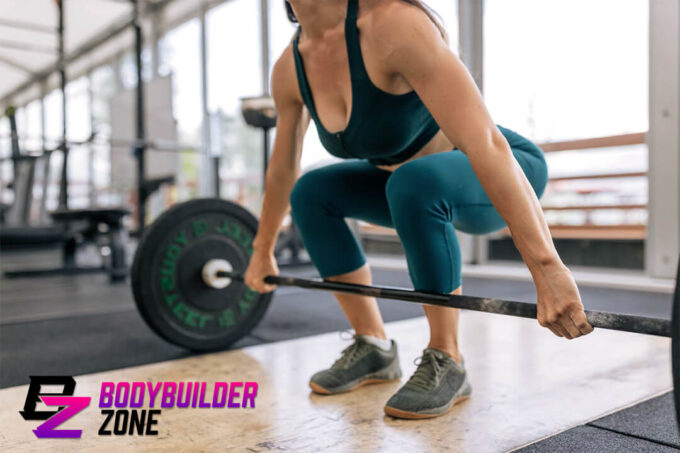
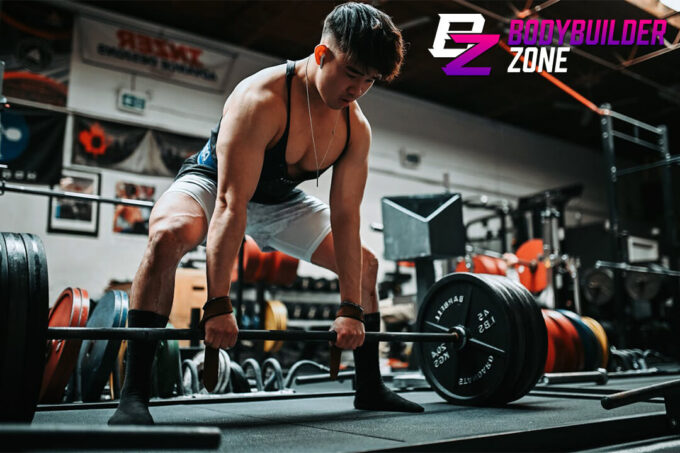
- Deadlift
Although it works the entire body, your back, glutes, and hamstrings bear the brunt of the strain. Throughout the lift, the lifters should maintain a flat back, strong core muscles, and feet hip-width apart. Workout variations such as sumo deadlifts or deficit deadlifts will help you increase performance by focusing on different muscle areas.
Complementary workouts help strengthen the primary lifts and address their shortcomings. For both the major and auxiliary exercises, proper technique is essential to efficient training and injury avoidance. Progressive overload, proper recovery, and consistent focus on form are other essential components of any powerlifting program.
Importance of Recovery and Nutrition
Nutrition and recuperation are two of the most crucial elements of any well-designed powerlifting training regimen. Nutrition will supply the required nutrients and the fuel for recovery, while recovery will allow the body the time it needs to rebuild and strengthen muscle tissue damaged after a strenuous training session. When combined, they enhance strength increases, maximize performance, and reduce the risk of injury.
Growth and overall performance are key components of recovery. Recovery involves more than just taking days off; it also involves incorporating other strategies, such as the following:
- Sleep
To improve your body’s ability to recuperate and preserve hormonal balance, try to get 7 to 9 hours of good sleep each night.
- Active recovery
On your off days, engage in low-intensity exercises like yoga, light walking, or other exercises to improve circulation and lessen general muscular discomfort.
- Stretching and mobility work
To preserve flexibility and reduce injury, stretching and mobility work should be performed regularly.
- Hydration
Maintaining healing processes and enhancing general health requires enough fluid intake.

When it comes to performance improvement and recuperation, nutrition plays a major role. Powerlifters need to eat a diet that is balanced in terms of both macro and micronutrients. Among the nutritional factors are the following:
- Protein
Consuming 1,2 to 2,0 grams of protein per kilogram of body weight is crucial for muscle growth and repair.
- Carbs
These are crucial for energy and for replenishing muscle glycogen; complex carbs, such as those found in whole grains, fruits, and vegetables, require special attention.
- Fats
Nuts, avocados, and olive oil are good sources of healthy fats that aid in the synthesis of hormones vital to general health.
That’s an example of the perfect nutrition plan for powerlifters, who need more energy, weight and muscles:
| Meal | Food included | Purpose |
| Breakfast | Oatmeal with protein powder, banana, and peanut butter. | Provides energy and protein for muscle repair. |
| Lunch | Grilled chicken, quinoa, and steamed broccoli. | Supports muscle growth and recovery. |
| Snack | Greek yoghurt with mixed berries. | High in protein and antioxidants. |
| Dinner | Salmon, sweet potato, and asparagus. | Rich in protein and healthy carbs. |
| Pre-workout snack | Rice cakes with almond butter. | Quick energy source before lifting. |
| Post-workout | Protein shake and a banana. | Quick recovery and muscle repair. |
Summarising, in order to improve performance and accomplish their objectives, powerlifters must prioritize recuperation and nutrition. By getting enough sleep, using active recovery techniques, and maintaining a nutritious diet, powerlifters may enhance their training outcomes.
Conclusion and Tips for Aspiring Powerlifters
Understanding that success in powerlifting is the result of a strong work ethic, perseverance, and a balanced approach to training, recuperation, and diet is essential for newcomers. The following advice will help you reach your full potential as a powerlifter:
- Learn the fundamentals first. You should become proficient in the correct technique for each of the three exercises before attempting to lift huge weights.
- Create an organized training program. A program like this must incorporate both primary lifts and ancillary workouts.
- Prioritize recovery. To help your body begin to heal and get stronger, make sure you schedule regular rest days, including some active recuperation.
- Don’t forget about nutrition. Pay close attention to your diet and consume a well-balanced diet rich in healthy fats, proteins, and carbs. Energy levels and recovery depend on the type of fuel used.
- Remain patient and consistent. Powerlifting progress takes time, so perseverance and commitment to training are essential. The secret to achieving long-term strength improvements is consistency.
Remember that every one of you has a unique powerlifting journey. Celebrate your victories, take lessons from your failures, and most importantly, relish the journey of self-improvement.












Leave a comment