



These nutritional supplements are among the most well-liked and extensively utilized due to their ease, which aids in meeting higher daily protein requirements. Protein is essential for all these things, including muscular growth, greater athletic performance, and enhanced recovery. When a diet isn’t enough to meet an individual’s needs for protein, supplements like protein bars, powders, and premixed drinks can easily help make up the difference.
You may optimize your gains by using protein supplements correctly and at the right times. Although whole food sources of protein should be the mainstay of your diet, people with higher protein requirements, such as athletes or those undergoing intense resistance training, might benefit from protein supplements. By using protein supplements, you may further improve muscle development and repair after an exercise or in between meals.
- The Role of Protein in Fitness
- Muscle Repair and Growth
- Meeting Daily Protein Needs
- Types of Protein Supplements
- Whey Protein
- Casein Protein
- Plant-Based Proteins
- Choosing the Right Protein Supplement
- Factors to Consider
- Dosage and Timing
- Integrating Protein into Your Diet
- Sample Protein-Rich Meals
- Balancing with Other Nutrients
The Role of Protein in Fitness
In general, proteins are vital to the body in many ways, especially when it comes to activity and fitness. It is an essential nutrient for enhancing physical fitness or athletic ability since it is crucial for muscle repair, recuperation, and performance.
Muscle Repair and Growth
Since protein is a necessary building block for muscles, consuming enough of it after exercise is crucial for muscular development and repair. Any type of exercise, but particularly resistance training, causes tiny breaks in the muscle fibres that need to be repaired with protein. This repair process results in the growth of new muscle. The following are the ways that proteins maintain muscles:
- Repair damaged muscles. Following exercise, proteins aid in the reconstruction and fortification of damaged muscle fibres.
- Stimulate muscle growth. Enough protein ingestion, especially after exercise, starts the process of synthesizing muscle proteins, which eventually leads to an increase in muscle growth.
- Prevent muscle loss. It aids in preventing muscle loss during times of high-intensity or low-calorie exercise.
Increasing the amount of protein you consume after working out can help guarantee that your muscles obtain what they want for effective growth and recuperation.
Meeting Daily Protein Needs
Although necessary for everyone trying to get fitter, the amount of protein needed each day depends on several factors, including activity level, ideal body composition, and even health. Here are some strategies for meeting your daily requirements for protein:
- Determine your needs
Depending on your goals and workout intensity, most experts advise consuming up to 1.2 to 2.2 grams of protein per kilogram of body weight.
- Distribute protein throughout the day
Consume a sufficient amount of protein throughout the day to initiate muscle protein synthesis at each meal.
- Use protein supplements when necessary
If a person believes that his diet alone is not providing him with enough protein, he can use plant-based or whey powder supplements to make up the difference.

You’ll be in a better position to recover from exercises, gain muscle, and perform better all around if you make sure you are getting enough protein each day.
Types of Protein Supplements
The advantages of different kinds of protein supplements vary depending on what a person may require or want. Selecting the finest protein supplement to meet your fitness objectives may be made easier by knowing the distinctions between the various varieties, whether you’re searching for plant-based, fast-absorbing, or sustained-release solutions.
Whey Protein
Whey protein is one of the most widely used protein-containing dietary supplements because of its quick absorption and high bioavailability. As whey protein is derived from milk and includes every necessary amino acid, it is considered a complete protein source. Because of this, it’s perfect for consuming after an exercise when rapid protein delivery is required to promote muscle development and recuperation.
There are several kinds of whey protein available, including hydrolysate, isolate, and concentrate. Each type offers a distinct degree of protein purity. For many athletes who wish to enhance muscle regeneration with the least amount of extra calories, whey isolate would be a superior alternative because it would include more protein and less fat and carbs than whey concentrate.
Casein Protein
Unlike whey, casein is also a protein produced from milk, but it is absorbed and digested more slowly. Casein’s delayed release characteristic makes it the perfect choice in circumstances when a longer release time is desired, like right before bed or during fasting. As a result, the muscles receive a steady and gradual supply of amino acids throughout time.
Casein has the extra advantage of being very effective in preventing muscle breakdown over an extended length of time without meals because it takes longer to digest. Before going to bed, many athletes take a casein supplement to provide their muscles with a supply of protein to repair damaged tissue during an 8-hour fast. This facilitates the maintenance of muscular anabolism over extended periods.
Plant-Based Proteins
Supplements containing plant-based protein, which can originate from peas, rice, hemp, or soy, are excellent choices for people who follow a vegetarian or vegan diet or who are intolerant to dairy. While many plant-based protein powders are blended to give a full profile of amino acids, some plant proteins may be deficient in some necessary amino acids. Despite this, plant-based protein powders may be extremely efficient for repairing and growing muscle.
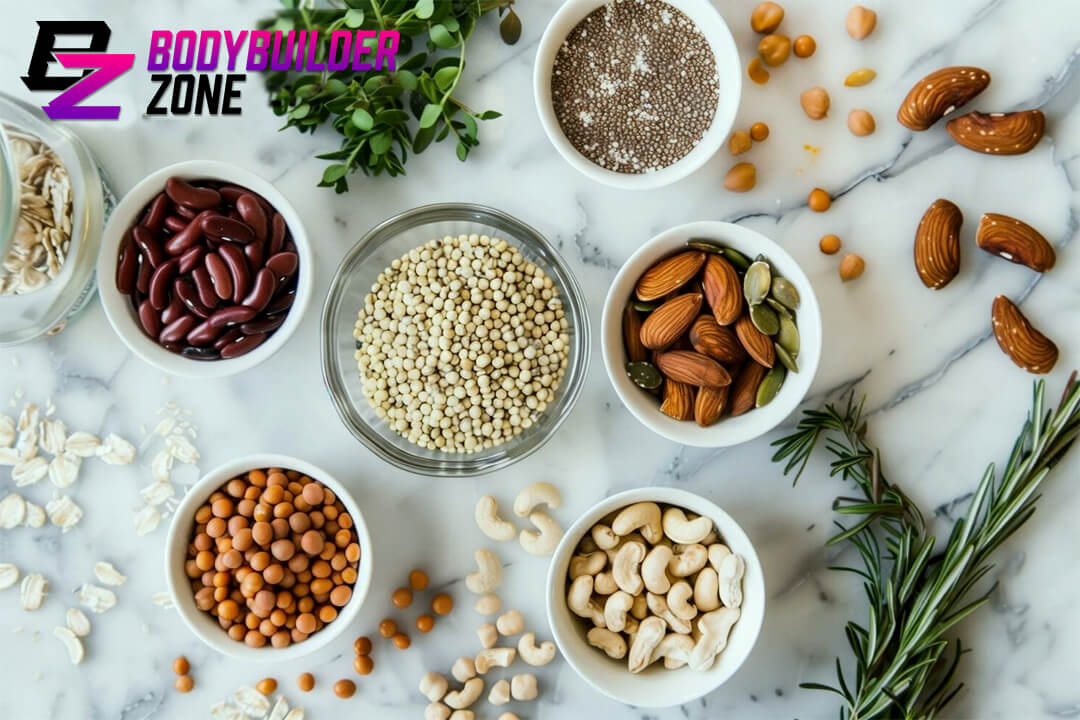
For many people, plant-based proteins can be easier on the stomach and are a great substitute for casein or whey. Additionally, because they are less allergic, they are suitable for persons who have dietary sensitivity issues or who wish to eliminate animal products.
Choosing the Right Protein Supplement
Your decision is based on your lifestyle, nutritional preferences, and personal goals. With so many options, it’s critical to understand the factors that might influence your pick as well as how to get the most out of a supplement to optimize its effects on recuperation, muscle growth, and general health.
Factors to Consider
When selecting a protein supplement, the following factors may help you make an informed decision:
- Fitness goals
Whey protein has the potential to be extremely beneficial for speedy recovery following an exercise. Casein is the protein of choice if you want to maintain your muscles over the long run.
- Dietary restrictions
Plant-based proteins like pea and rice protein may be the best choice for someone who is vegan or has lactose intolerance issues.
- Allergies and sensitivities
If you have a sensitivity to any particular foods, such as dairy or soy, you should choose a hypoallergenic protein.
- Cost and convenience
Because of the processing methods used, certain proteins are more expensive than others. Select one that satisfies your demands and fits within your budget.
- Taste and mixability
Different proteins have different tastes and mix differently. To ensure consistency, choose a protein that you will enjoy drinking and include it in your preferred drinks.
Consider these factors when choosing a protein, as you should enjoy using it. Because it needs to be done over a long period, and the process of taking supplements should not cause problems or unpleasant sensations.
Dosage and Timing
To reap the full benefits of protein, timing and quantity of ingestion are critical. Here’s a breakdown of how to arrange your protein intake:
| Time of day | Dosage | Purpose |
| Post-Workout | 20–30 grams | Aid muscle recovery and stimulate growth. |
| Morning | 20–30 grams | Replenish protein stores after an overnight fast. |
| Before bed | 20–40 grams (casein) | Provide sustained protein for overnight repair. |
| Between meals | 10–20 grams (if needed) | Support daily protein intake. |
This will guarantee that your body has a steady supply to support muscle development and repair throughout the day. Take as needed and if you’re going through a mass-gaining period, take more.
Integrating Protein into Your Diet
It’s critical to include protein in your diet for both general health and muscle growth and repair. The best way to meet your daily objectives, whether you want to maintain your present body type or bulk up, is to be able to incorporate proteins into each meal.
Sample Protein-Rich Meals
Additionally, eating a varied meal can help you balance the meal and meet your recommended protein consumption. Here are some illustrations of high-protein meals served at various times of the day:
| Meal | Protein source | Protein content, grams |
| Breakfast | Scrambled eggs with spinach. | 20–25 |
| Snack | Greek yogurt with almonds. | 15–20 |
| Lunch | Grilled chicken breast salad. | 30–35 |
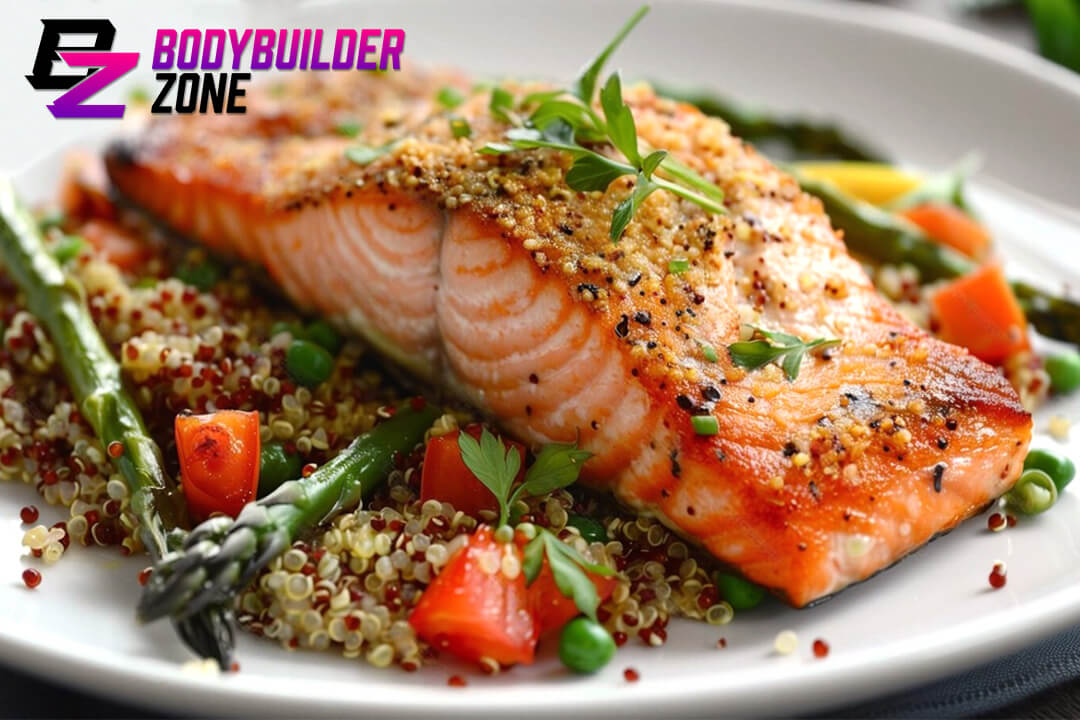
| Dinner | Baked salmon with quinoa. | 35–40 |
| Post-workout | Whey protein shake with banana. | 20–30 |
You may incorporate them into your daily routine to maintain a steady supply of high-value proteins, which are thought to be essential to maintaining your fitness objectives.
Balancing with Other Nutrients
Although protein is essential for general health and performance, the amount consumed must be balanced with other macro- and micronutrients. Important things to remember are listed below:
- Carbs
For long-lasting energy, especially during exercises, balance meals that include a supply of protein with complex carbs like brown rice, sweet potatoes, or whole grains.
- Fats
Consuming foods high in healthy fats, including avocados, almonds, and olive oil, can boost hormone function and provide you with sustained energy.
- Vitamins and minerals
Including fruits and vegetables in your diet can help ensure that you get all the vitamins and minerals you need for healing and strong immunity.
By keeping your diet in balance and getting enough protein along with all the other nutrients, you are well on your way to creating the ideal conditions in your body for muscle growth, healing, and general well-being.















Leave a comment