



Understanding Posture
Since proper posture affects both look and functional movement, it has several benefits for one’s health and well-being. To reduce the pressure on muscles, ligaments, and joints, correct posture entails the alignment of body parts. By putting posture concepts into practice, one may reduce injuries, perform better in a variety of physical activities, and improve day-to-day functioning. There are different posture types that you need to be familiar with:
- Neutral posture
When the head, shoulders, and hips are in a neutral position, the body’s weight is distributed evenly. This position helps to provide equilibrium since it places the least amount of tension on the backbone. Your hips should ideally be level, your shoulders should be back and down, and your ears should line up with your shoulders.
- Bad posture
A common occurrence among people is poor posture, which affects their well-being. There are several ways that bad posture can manifest itself, such as:
- Rounded shoulders, also known as kyphosis, are often defined by an excessive forward rounding of the upper back. Long periods of sitting or unfavourable ergonomic circumstances might cause kyphosis.
- Swayback, also known as lordosis, is an abnormal curvature of the lower back. Lower back pain and discomfort may occasionally result from this.
- Forward head posture is a typical condition among those who spend a lot of time on computers because it causes the head to sit forward from the spine.
- Adaptable positioning
The posture that is maintained while moving is referred to as dynamic posture. When you have good dynamic posture, you may walk, run, or even exercise with the right alignment, minimizing the chance of injury and maintaining optimal muscle effectiveness.
Having a proper posture is critical for every athlete who wants to be healthy, with a good physical appearance and form. Let’s examine what exactly a proper posture provides:
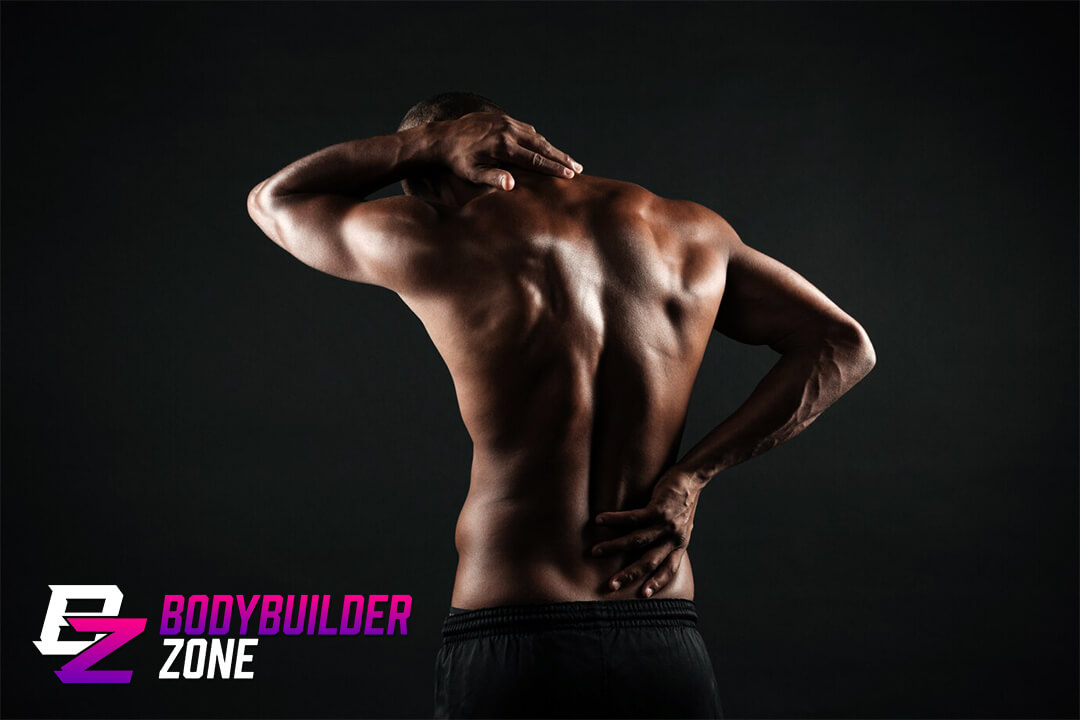
- Reduces pain and discomfort
Proper posture, especially at the neck, shoulders, and lower back, can reduce chronic symptoms resulting from muscle imbalances and strains.
- Enhances performance
Strength, balance, and coordination are provided by proper alignment, which enhances performance in sports and the gym.
- Gains in self-esteem
Since proper posture often enhances one’s presence and body language, it will increase your ego and give you a sense of confidence.
By understanding the fundamentals of posture and how to maximize it, anybody may improve their overall health, lower their risk of injury, and significantly increase their performance in all physical activities. By paying attention to posture, one may improve their confidence and general well-being in addition to strengthening their physique.
Effects of Poor Posture on Back Health
A misaligned spine tends to increase the strain on the joints, ligaments, and supporting muscles. Therefore, it’s critical to understand the consequences of bad posture to develop strategies for correcting it and avoiding long-term health harm. It is a typical impact of bad posture on muscle imbalances in the back:
- Misalignment of the spine
When it comes to the spine, poor posture can cause a divergence from normal alignment. It would negatively impact its typical natural curvatures. An excessive lumbar curve or an excessive thoracic curve, referred to as kyphosis or lordosis, respectively, may result from such an abnormal curvature.
- Persistent pain
Chronic back discomfort that may persist even when at rest might develop over time as a result of bad posture. Common locations include the shoulders, neck, and lower back; hence, pain in these areas may prevent one from carrying out daily tasks.
- Reduced mobility
The back’s range of motion is limited by stiff muscles and misaligned joints, making even basic movements difficult and ineffective to execute. This frequently starts a domino effect of decreased physical activity, resulting in a sedentary lifestyle that exacerbates pre-existing health issues.
Knowledgeable individuals may improve alignment, lessen discomfort, and improve their quality of life by adopting excellent posture. Thus, maintaining excellent back health and avoiding major long-term health implications need proper posture.
Tips for Maintaining Good Posture During Workouts
Maintaining good posture during exercise is crucial for preventing injuries of all types, maximizing muscle activation, and making sure that activity is done effectively. Here are some essential pointers and methods for keeping proper posture during exercise:
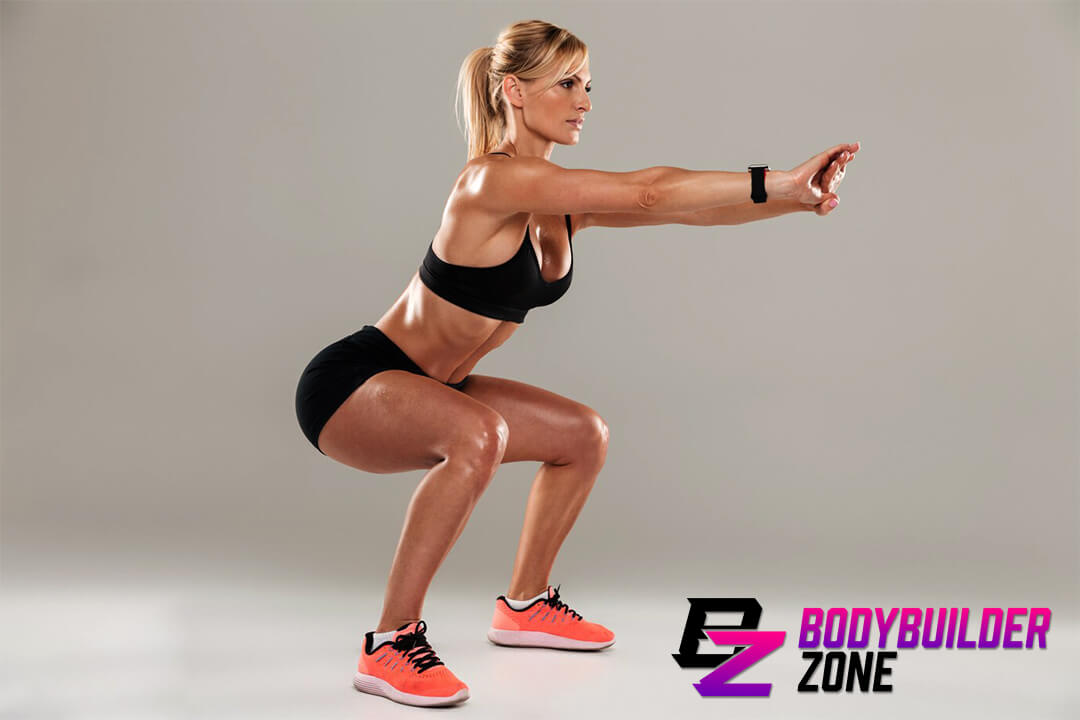
- Involve the core. When working out, a strong core keeps you stable and guards against spinal injuries. Pull your belly button into your spine to activate your core and you may avoid rounding or arching your back and keep it in a neutral alignment.
- Pay attention to alignment. For example, when performing squats, your chest should be up, your shoulders should be back, and your knees should track over your toes for a proper and safe posture.
- Manage the motion. Avoid using momentum when performing workouts or lifting weights. During those crucial lifts and rows, controlled, calm motions preserve alignment and prevent undue pressure on your back.
- Adjusting weights and resistance. Using too heavy weights will cause one to lose posture and increase their risk of injury. Selecting a weight that enables one to keep good form during each set is important.
- Control of breath. In order to maintain proper posture, proper breathing helps to stabilize the core. To keep the core muscles contracted while releasing tension, always exhale when exerting yourself.
| Exercise | Form tips | Common mistakes |
| Squats | Keep chest lifted, knees over toes, and core engaged. | Rounding back, knees caving in. |
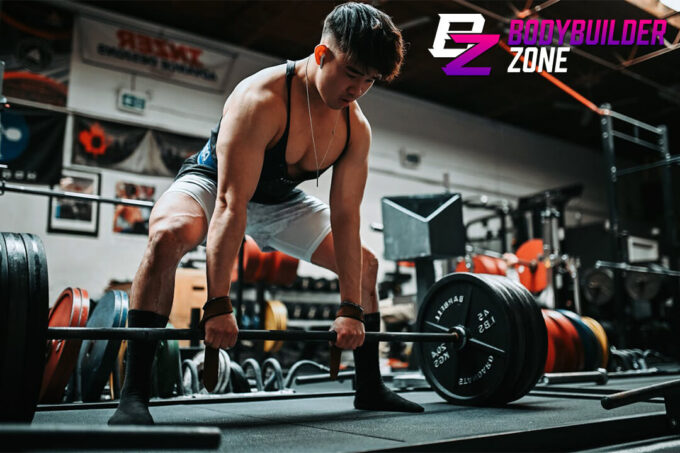
| Deadlifts | Maintain a neutral spine, hinge at hips, and lead with legs. | Arching or rounding back, lifting with arms. |
| Push-ups | Align head, shoulders, and hips; core engaged. | Sagging hips, neck jutting forward. |
| Rows | Keep shoulders back, lead with elbows. | Rounding back, pulling with arms. |
You can maintain proper posture throughout any type of activity by using these suggestions. Performance and general health will also benefit from paying attention to correct alignment, core engagement, and control during any activity.
Posture and Performance Enhancement
When it comes to exercise, proper posture is the cornerstone of both maximizing performance and avoiding injuries. Exercises that focus on hip mobility, shoulder alignment, and core stability help to create a variety of motions while strengthening the main muscle groups involved in appropriate form.
Every exercise focuses on a distinct area that is crucial for preserving alignment, ranging from hip and shoulder stability to core strength. To reinforce proper posture, these motions can be used alone or in combination with other warm-up and cooling-down exercises. Some of the greatest exercises for improving posture are included in the table below:
| Exercise | Target area | Benefits | Form tips |
| Plank | Core and shoulders | Builds core stability, and supports spinal alignment. | Keep back flat, shoulders over elbows, and engage abs. |
| Wall angels | Shoulders and upper back | Improves shoulder mobility and posture. | Press back and arms against the wall, and keep elbows at 90 degrees. |
| Hip bridge | Glutes and lower back | Strengthens glutes, and supports lower back. | Squeeze glutes at the top, avoid over-arching the back. |
| Dead bug | Core and pelvic alignment | Enhances core stability, and reduces lower back strain. | Keep back flat on the floor, and move slowly for control. |
| Bird-dog | Core and back | Improves balance, core strength, and posture. | Extend opposite arm and leg, keep hips level. |
The following posture-improvement exercises will significantly increase muscle activation, alignment, and strain reduction during activity. These exercises will eventually assist you in creating healthy postures that improve your performance and reduce your chance of injury. Form consistency lays a solid basis for more difficult workouts and positions you for long-term success.
Conclusion and Recommendations
Both performance and long-term physical health depend on proper posture. In addition to increasing strength and flexibility, regular alignment-improving exercise also reduces injury and improves movement efficiency. These are important tips to make sure you’re optimising the ideal posture:
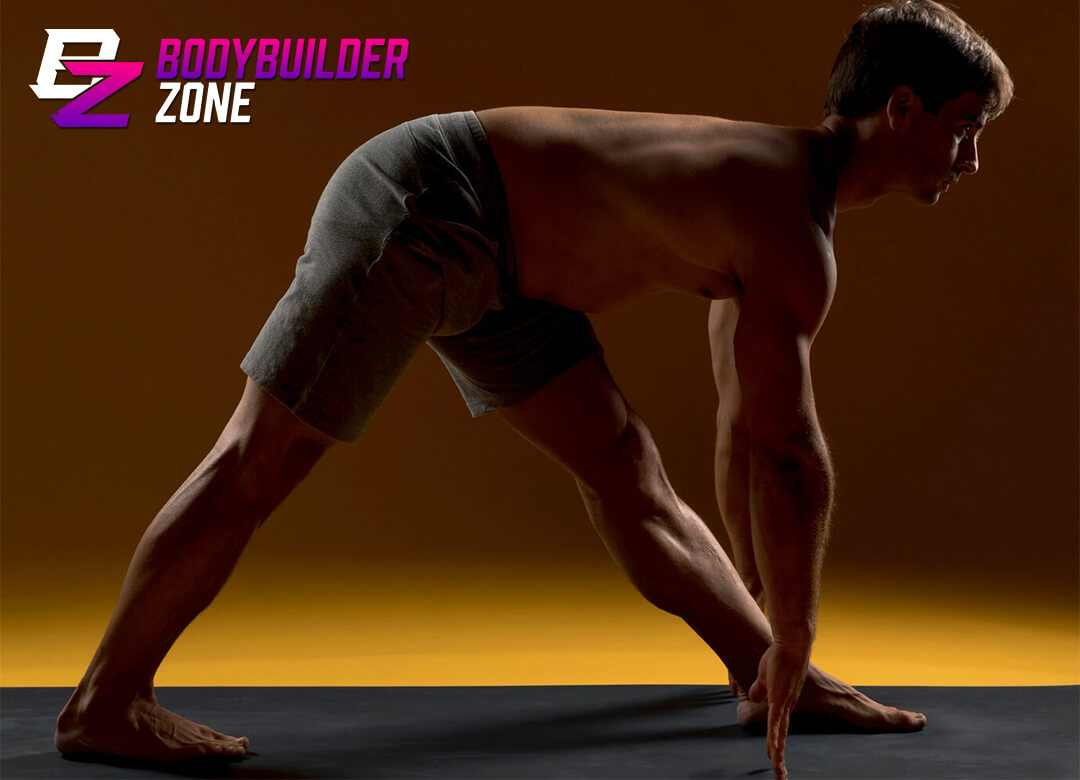
- Put your core strength first
To maintain proper alignment, core muscles are essential. Incorporate dead bugs, planks, and bird dogs into your routine to help build core stability, which supports the spine and improves posture throughout all kinds of motions.
- Include mobility work
Movement of the spine, hips, and shoulders is necessary for proper posture. Throughout the day, be sure to stretch and move dynamically, especially if you have tight muscles or a profession that requires you to sit for extended periods.
- Awareness of the body
You may avoid misalignments and a lot of muscle strain by being mindful of your posture all day long, not just while you’re out. Additionally, yoga, pilates, and other posture-checking activities will assist one ensure that their alignment and awareness are correct.
One may improve alignment, prevent discomfort or injury, and greatly enhance the quality of their everyday life and workouts by implementing these suggestions. A stronger, healthier, and more robust body will result from constant effort, but maintaining proper posture is a process that takes time.













Leave a comment