



Accumulating muscles is like constructing a house—you need the right materials, enough of them, and a plan to assemble it all efficiently. The foundation of any successful muscle-obtaining diet rests on two pillars: eating more than you burn and fueling with the right substances.
- Increasing Caloric Intake
- Emphasizing Protein and Carbohydrates
- Popular Mass-Gain Diet Strategies
- High-Protein Diets
- Meal Frequency and Timing
- Balanced Macronutrient Ratios
- Designing Your Mass-Gain Diet Plan
- Sample Meal Plans
- Adjusting Based on Progress
- Overcoming Common Barriers
- Managing Appetite and Satiety
- Addressing Nutritional Gaps
Increasing Caloric Intake
Acquiring muscles is about feeding them the energy they need to develop. Think of your body like a building site. If you don’t supply enough materials (calories), progress comes to a grinding halt. In simple terms, to pack on muscle, you need to consume more than your organism burns and create a surplus.
But before you run off to binge on fast food, remember: the quality of those calories matters. Loading up on junk might fill your tank, but it’ll also slow you down and leave you feeling sluggish. The trick is to focus on nutrient-dense components that provide energy without all the extra baggage.
A good rule of thumb is to aim for around 300 to 500 extra calories per day—enough to keep up positive weight gain without unwanted fat. It’s like adding just the right amount of fuel to the fire and make sure it burns hot and bright.
Emphasizing Protein and Carbohydrates
When it comes to accumulating muscles, protein is your master builder. It’s the raw material your organism uses to restore and assemble tissues after intense gym sessions. Picture protein as the bricks and mortar of your new, stronger physique. Without enough of it, your body simply can’t keep up with the demand for renewal and bulking.
But muscle-building isn’t just about protein. Enter carbs—your organism’s go-to fuel source. Think of them as the workers on your construction site. Without them, the work slows down, and you’re left feeling fatigued and sluggish. Carbs provide the energy that powers your gym visits to push harder and lift heavier. So, while protein may be the star of the show, carbs play an essential supporting role in making sure your organism has the energy to keep improving.
Popular Mass-Gain Diet Strategies
When you’re on the path to accumulating muscles, your eating habits is like the compass that keeps you heading in the right direction. Different strategies exist, but they all share one goal: to fuel your organism with the right balance of nutrients since every meal must be a stepping stone toward your transformation.
High-Protein Diets
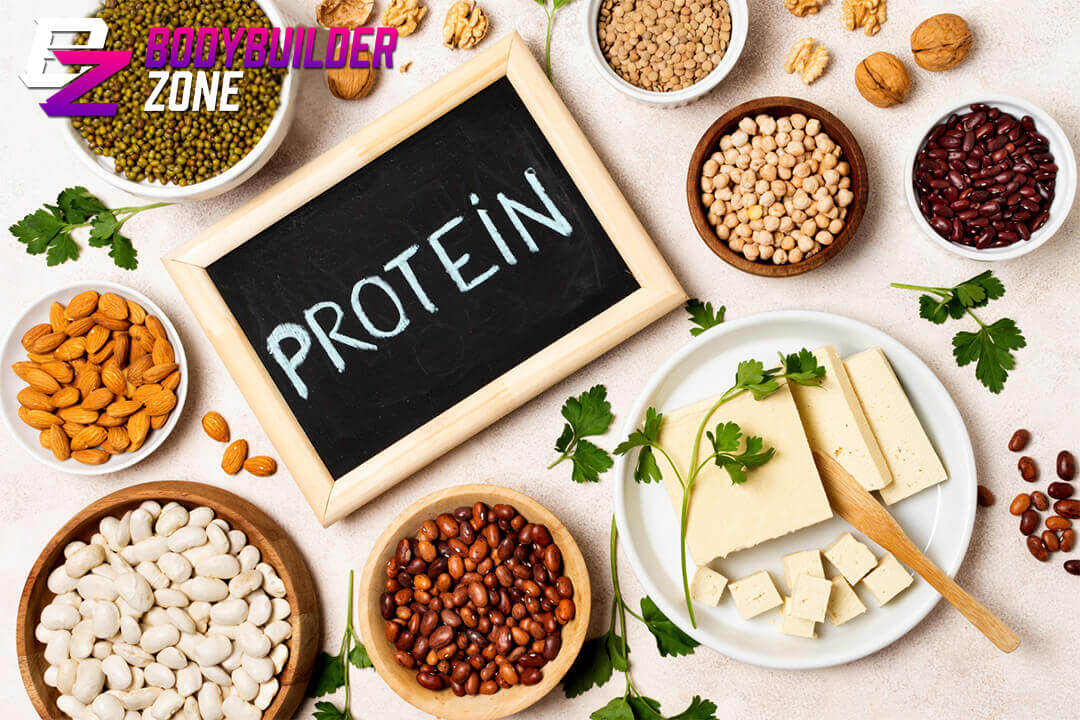
Protein is often hailed as the holy grail of muscle development. It’s like the sturdy timber framing your muscle mansion. High-protein diets focus on getting enough of this essential component throughout the day to support bulking and restoration.
Common approaches:
- Whole foods first. Prioritize natural sources like chicken, fish, eggs, and legumes. These give you the raw materials your organism needs without any unnecessary extras.
- Protein supplements. For convenience, many people turn to shakes and bars, which can act like quick-fix patches when you’re short on time.
- Even distribution. Instead of one massive protein meal, it’s best to spread it evenly across the day—like adding bricks layer by layer rather than trying to build a wall all at once.
- Lean sources. Stick to lean proteins that progress development without filling you up with unnecessary fats.
While protein gets the spotlight, it’s important to remember that it’s not the only player in this game.
Meal Frequency and Timing
Think of your organism as a furnace—it’s constantly burning fuel, and to keep the fire stoked, you need to keep adding logs. The idea behind frequent meals is to feed that fire regularly throughout the day. Eating every 3 to 4 hours ensures that you always have what it needs to keep the process churning.
Meal timing also plays a role. Many find that a hearty meal after a gym visit, when your muscles are like sponges ready to soak up components, helps progress bulking. It’s not about eating more; it’s about when you eat to maximize your efforts.
Balanced Macronutrient Ratios
Picture your meal consumption as a balanced ecosystem. For muscle bulking, you need a harmonious balance of not just protein, but also carbs and fats. Think of it like a well-rounded team—each player has a role. Carbs fuel your gym sessions, proteins restore the tissues, and fats ensure your hormones stay in check.
Instead of overloading on one nutrient, a balanced approach ensures that your organism has everything it needs, much like how a well-tuned engine requires both gas and oil to run smoothly. Too much of one thing can throw the system out of whack, so balance is key.
The combination of these strategies help create an environment where muscle accumulation happens consistently and steadily. Just like any well-laid plan, it’s about making sure every piece works together in harmony to reach the goal.
Designing Your Mass-Gain Diet Plan
Designing a mass-acquiring diet is like sketching the blueprint for a dream home. It’s personal, specific to your needs, and requires thoughtful planning. You’re not just throwing ingredients together and hoping for the best—you’re crafting meals that will build your organism, one forkful at a time.
Sample Meal Plans
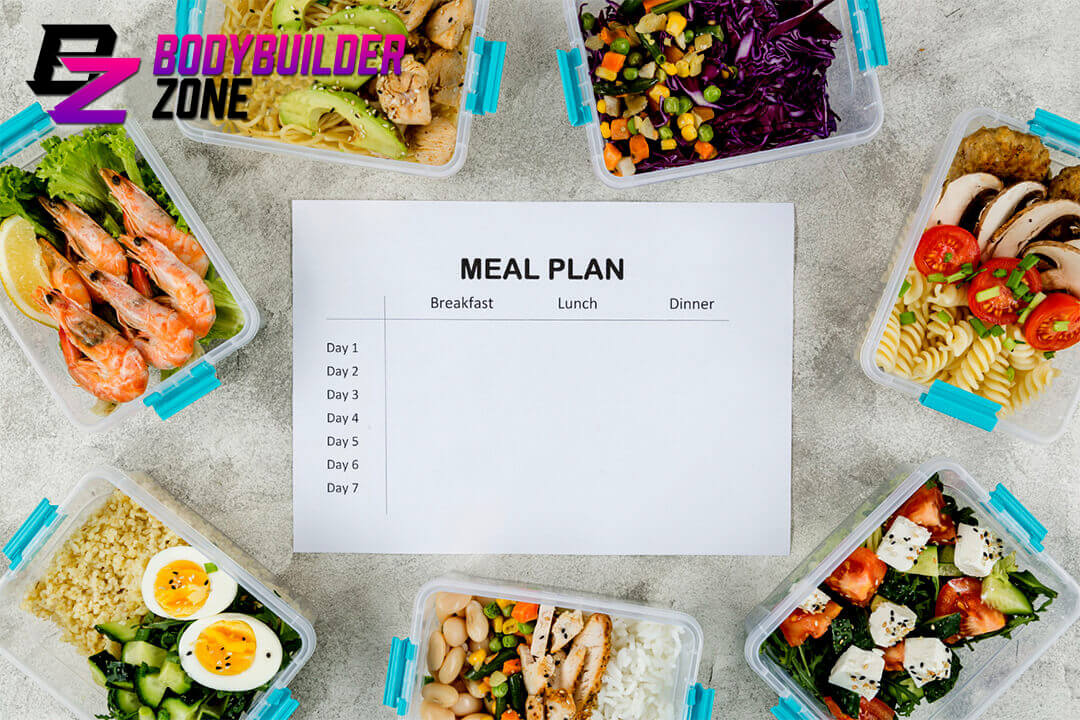
A well-structured meal plan doesn’t have to be complex. Think of it as your daily routine—simple yet effective.
A sample meal plan to get you started with balance, variety, and enough fuel to keep those bulking strong:
| Meal | What to Include | Example |
| Breakfast | Protein, carbs, healthy fats, something light to start your day off strong | Oatmeal with almond butter and a side of scrambled eggs |
| Mid-morning snack | Something easy to digest, providing protein and a quick energy boost | Greek yogurt with a handful of mixed nuts |
| Lunch | Hearty, with a balance of protein and carbs to keep you full and energized for the day ahead | Grilled chicken breast, quinoa, and roasted veggies |
| Afternoon snack | Another protein-focused snack to keep hunger at bay | Protein shake with a banana |
| Dinner | Balanced with protein, carbs, and healthy fats to nourish your muscles overnight | Salmon, sweet potatoes, and steamed broccoli |
| Post-dinner snack | A light, protein-packed snack to end the day and keep your muscles fueled | Cottage cheese with berries |
This plan provides a solid foundation, but the real magic happens when you adjust it to your unique needs.
Adjusting Based on Progress
Progress isn’t always linear, and just like a good blueprint, your meal consumption may need adjustments along the way. As your organism adapts and grows, it’s crucial to listen to the signs and make tweaks to your eating habits.
Perhaps you notice that you’re still hungry after meals—this could be a sign that your body is craving more energy as it builds muscle. Or maybe the scale is going up too fast, indicating that you need to dial back on the calorie surplus. It’s all about finding that sweet spot, much like tuning an instrument until it plays the perfect note.
If you find yourself stalling in progress, try increasing portion sizes slightly or adding in an extra snack. On the other hand, if you feel like you’re gaining more than just muscle, consider focusing on cleaner choices or cutting back on the extra snacks. The key is to adjust gradually and avoid drastic changes, keeping your diet sustainable and enjoyable.
Your diet should be as dynamic as your training. As you get more potent, let your meals evolve alongside your progress, supporting the steady construction of the physique you’ve always envisioned.
Overcoming Common Barriers
The road to muscle acquisition, like any great adventure, isn’t without its bumps and detours. You may start with the best intentions, but life, cravings, and motivation (or lack thereof) have a way of throwing obstacles in your path. But just like a skilled navigator, you can steer around these challenges and keep progressing.
Managing Appetite and Satiety
For some, the idea of consuming more sounds like a dream come true, but when you’re consistently eating to fuel bulking, appetite can become a surprising challenge. It’s like trying to fill up a tank that never seems to get full.
A simple plan to help you stay on course:
- Choose calorie-dense foods. Instead of loading your plate with massive portions, focus on foods that pack a punch—nuts, avocados, and whole grains are all great choices.
- Eat more frequently. Instead of three big meals, try spreading your intake across five or six smaller meals. This keeps the fire burning without overwhelming your appetite.
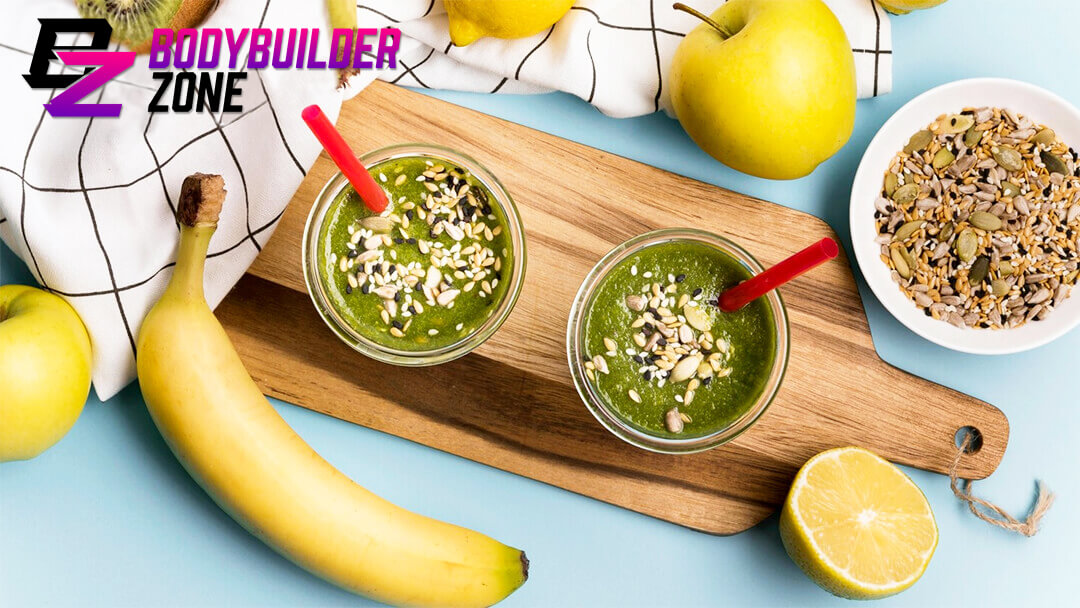
- Drink your calories. Smoothies and shakes are an easy way to add nutrients without feeling like you’re stuffing yourself. Toss in fruits, greens, protein powder, and some nut butter for a quick meal on the go.
- Stay hydrated. Don’t confuse thirst with hunger. Make sure you’re drinking water consistently throughout the day to avoid dehydration, which can make meals feel more difficult to get through.
With these strategies, you can manage your appetite without feeling like every meal is a chore.
Addressing Nutritional Gaps
Sometimes, no matter how well you plan, there will be days when you don’t hit every nutritional target. It’s like building a house and running short on a few key materials. But just as you wouldn’t abandon construction over a missing brick, you shouldn’t let a less-than-perfect diet hold you back.
The best way to address these gaps is through supplementation, which can act like the finishing touches to a solid foundation. If you find yourself low on protein, a shake can step in. Short on vitamins? A daily multivitamin can fill those blanks. The key is to treat supplements as exactly that—a supplement to an already solid diet, not the primary fuel source.
Overcoming these barriers is all about being resourceful. Just like a good builder adapts to challenges, you too can push through these hurdles, staying focused on your bigger goals.















Leave a comment