


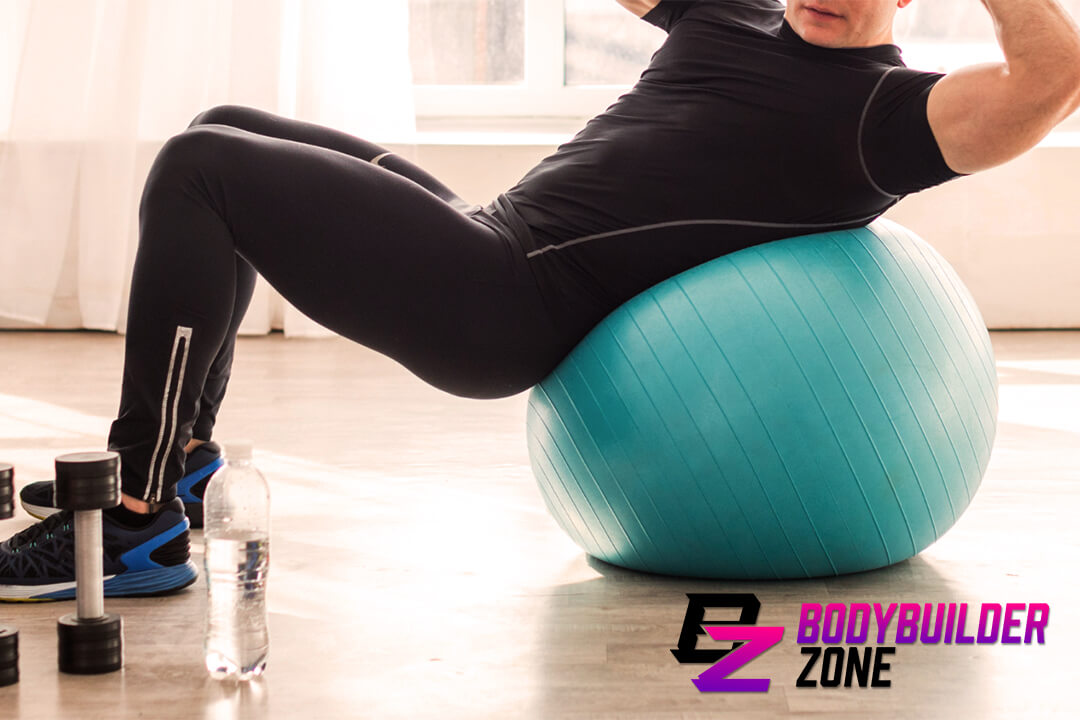
Overview of Core Strength
Since the core is used in practically every action, it is a crucial component of overall physical health and fitness. The rectus abdominis, obliques, and lower back muscles are among the muscular groups that make up the core. Together, these muscles in the human body can:
- Stabilize the spine
The muscles that surround the spine help to keep it stable during a variety of motions. This stability eliminates the chance of unnatural body displacement and aids in maintaining balance. Therefore, core stability reduces strain on the spine and lower back while lifting, twisting, and even prolonged sitting.
- Enhance coordination and balance
By simply maintaining a better-aligned posture for the entire body, a strong core may enhance coordination and balance. To put it another way, core strength is more important for maintaining balance and preventing falls or injuries during activities. This is among the factors that make core training so important for preventing injuries.
- Encourage proper posture
A strong core helps keep the spine in its neutral position and prevents bad posture patterns like slouching and leaning. Since the body is positioned more efficiently, having a good posture not only reduces discomfort but also improves breathing.
- Power transfer during movements
The upper and lower bodies are connected via the core. With every movement, power is transferred. The core strengthens and transmits force during exercises like twisting, sprinting, and lifting, making actions much simpler and more effective.
When used regularly, core training offers strength, endurance, and functional mobility to both amateur and professional athletes. Beyond appearance, developing core strength has several advantages:
- Specifically, stronger core muscles support and shield vulnerable regions, such as the lower back, from typical strains and injuries that may result from weak muscles.
- An athlete may improve their overall power, endurance, and even balance by strengthening their core.
- Strong core muscles facilitate everyday actions by making things like reaching for objects, bending to pick something up, and moving groceries less difficult.

A balanced focus on core strength will result in improved overall fitness, a lower chance of injury, and a stronger, more resilient body that can sustain an active and healthy lifestyle.
Benefits of a Strong Core for Athletes
Having a strong core makes it much easier for athletes to improve their power, stability, and balance. The core, which is located in the middle of the body, aids in the flow of energy from the upper to the lower body and stabilizes an athlete’s motions. Improving one’s athletic performance is therefore one of the main areas of concern.
A thorough description of the particular advantages of core strength for athletic performance will be given in the discussion that follows:
| Benefit | Description | Impact |
| Balance and stability | Strong core muscles are essential for body control, particularly during quick direction changes, leaps, and landings, which keep the athlete nimble and grounded throughout dynamic movements. | Improves agility and lowers the chance of tripping or misstepping, which is crucial for many sports actions that depend on quickness and accuracy. |
| Power and force transfer | When doing explosive activities like running, throwing, and jumping, when generating force is highly demanded, a strong core makes it easier for the body to transmit energy efficiently. | It increases movement explosiveness, resulting in stronger throws and punches, higher leaps, or quicker sprints. |
| Injury prevention | By removing a significant amount of strain from the joints and muscles along the lumbar, hip, and knee chains, a firm core helps to avoid sports-related injuries and maintain joint health as people age. | It keeps athletes healthy for longer and prolongs their careers by reducing compensatory movements and overuse, which lowers the chance of injury. |
| Endurance and efficiency | Athletes who have a well-developed core will be able to maintain their strength for extended periods without being fatigued. When competing in events requiring a high level of intensity or endurance, will assist the athlete in maintaining good technique and energy efficiency. | By engaging in physical exercises that increase endurance, athletes may maintain their performances for extended periods while using less energy. |
| Coordination and fluidity | The body functions as a single unit when the core is strong. For acts requiring speed and accuracy, like dribbling or intricate footwork, the idea of a strong core guarantees fluidity in movement and timing. | It enhances timing and coordination, enabling more fluid, effective, and efficient movement during competition or games. |
One of those invaluable benefits that give the athlete better resilience, control, and movement efficiency is a strong core. By strengthening their core, an athlete may increase their power and decrease their risk of injury, both of which will improve their athletic performance.
Core Exercises Tailored for Sports
For athletes, core training improves total movement coordination, power, and stability. The following are some examples of workouts that would undoubtedly focus on the core in connection to the designated motions in sports:
- Plank with shoulder tap
This version offers better core stability against rotational forces. When an athlete assumes various postures in a dynamic setting, they require this kind of core stability.
- Place your feet shoulder-width apart in the plank posture. To emphasize keeping the body in a tight position, tap one shoulder first, then the other, preventing the hips from rotating.
- Russian twists
This exercise improves rotational strength and power, which is beneficial for sports requiring turning or twisting movements.
- With your feet slightly up and your knees bent, take a seat on the floor. To make it harder, twist your torso to either side while touching the floor or gripping a weighted ball.
- Standing cable woodchopper
This workout strengthens the obliques and improves rotational movement strength by simulating the twisting and explosive movements found in most sports.
- Place a resistance band or cable machine at shoulder height. Taking hold of the handle, pull diagonally across your body by twisting your torso away from the cable. Control the movement to go back to the beginning.
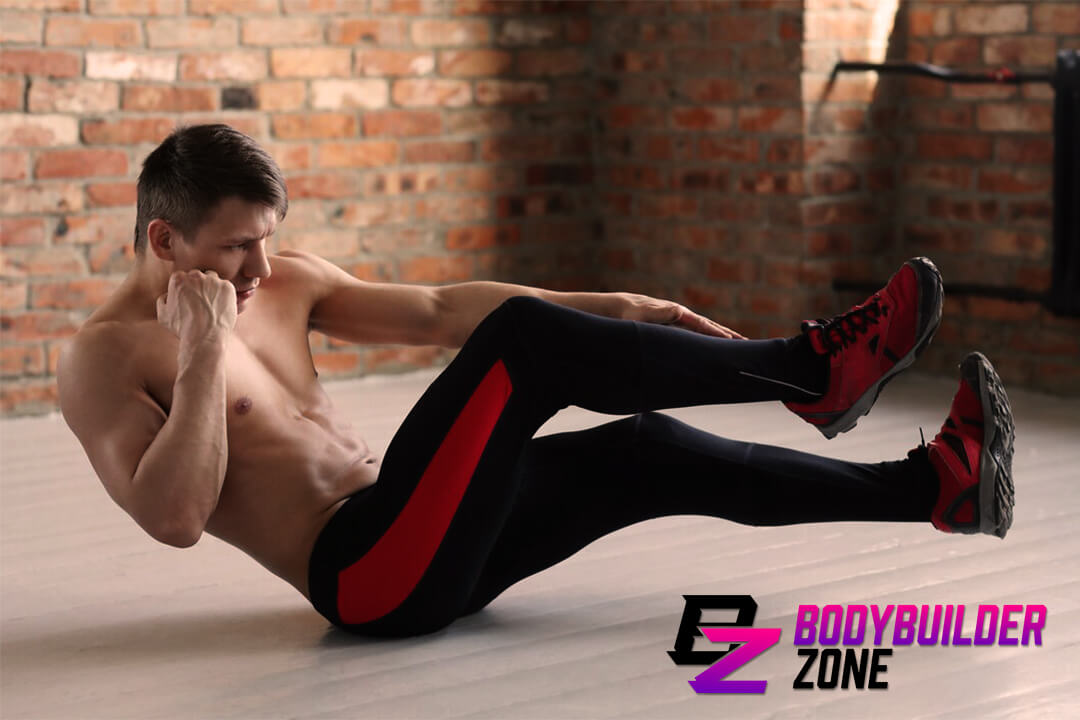
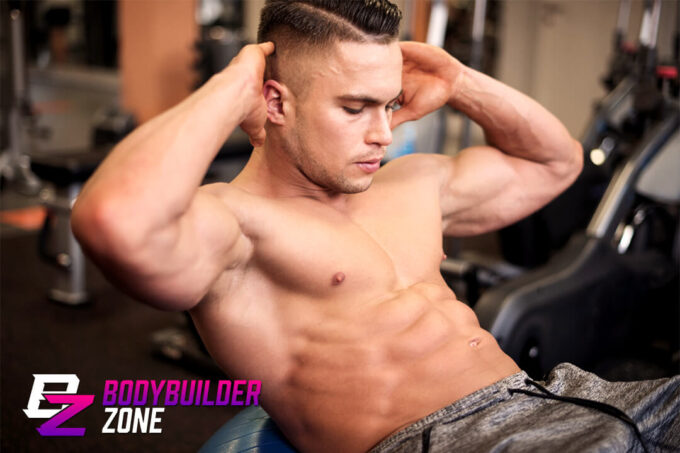
- Bicycle crunches
The benefits of bicycle crunches include strengthening the lower abs and obliques while integrating upper and lower body motions to create dynamic core strength.
- Bend your knees, place your hands behind your head, and lie on your back. As though executing on either side alternately with control, pull one knee toward the opposing elbow while extending the other leg.
- Dead Bug
It simulates tasks that would call for core stabilization in the action of other limbs separately by identifying core stability throughout arm and leg movement.
- Raise your legs and arms while lying on your back. Maintaining an engaged core, lower the opposing arm and leg together, then switch.
Athletes benefit from the core in several ways, including energy transmission for explosive movements and unstable balance. You may utilize this example of an athlete core workout in your training:
| Exercise | Sets | Reps | Rest |
| Plank with shoulder tap | 3 | 20 taps total | 30 secs |
| Russian twists (with weight) | 3 | 15 per side | 45 secs |
| Standing cable woodchopper | 4 | 12 per side | 1 min |
| Bicycle crunches | 4 | 20 total | 30 secs |
| Dead bug | 3 | 10 per side | 45 secs |
The gaps between strength training and actual sports performance may be filled with this reliable bridge. They will develop core resilience via consistent practice, which will support the motions required for peak performance.
Conclusion and Recommendations
For improved athletic performance, stability, and fitness, a strong core is essential. Increased strength, control, a lower risk of injury, and improved posture and balance are all benefits of proper core training. The following useful advice will help you get the most out of your core exercises:
- Be constant
For long-term progress, core training must be consistent. Make an effort to work out at least two or three times every week. This may be setting aside certain days for core exercises or adding them in after a strong workout.
- Be mindful of proper form
The proper form focuses on the muscles being exercised and protects the back. Leg raises, Russian twists, and planks require you to regulate your emotions and intentionally use your core. This type of focus optimizes the efficiency of any specific exercise and avoids overstretching or injury.
- Integrate with full-body training
An all-around fitness program is the greatest way to incorporate core workouts. Incorporating full-body movements such as lunges, deadlifts, and squats into core training helps build functional strength. Additionally, it strengthens the core, which helps to stabilize the body during intricate motions.
- Raise the intensity as you go
You may progressively raise the intensity of your workout as your core strengthens. Maintaining muscular challenge and preventing plateaus entirely can be achieved by progressive overload.
- Listen to your body
after a core workout, you should feel engaged rather than strained or in discomfort. Try to change the workout or switch to another if you’re experiencing pain, especially in your back.
These exercises will create a strong, fundamental core that will support daily motions as well as sports and fitness. Let’s look at an example of a fitness program that applies these ideas:
| Exercise | Repetitions | Sets | Rest | Progression tips |
| Plank (with variations) | 30–60 seconds | 3 | 30–45 seconds | Increase time or add shoulder taps to increase intensity. |
| Russian twists (weighted) | 15 reps per side | 3 | 30 seconds | Use a heavier weight or add more reps over time. |
| Bicycle crunches | 20–30 reps total | 4 | 30 seconds | Focus on controlled movements, add reps as you progress. |
| Dead bug | 10 reps per side | 5 | 45 seconds | Slow down movements and hold each position briefly. |
| Standing cable woodchopper | 12 reps per side | 4 | 30 seconds | Increase resistance or try kneeling woodchoppers. |
Although it could take some time, one can achieve significant success if they are persistent in this area, use appropriate techniques, and gradually increase their workload. To keep your core program efficient and injury-free, adhere to the guidelines and modify the exercises.









Leave a comment