



The adventure of weight loss is much like planting a garden. You don’t plant seeds expecting a full bloom the next day. You nurture, you water, and you wait. In the same way, reaching your weight loss target is a process, which demands patience, consistency, and above all, the right “nutritional soil.” Diets often get a bad rap for being restrictive or joyless, but when done right, they can be the key to unlocking the best version of yourself.
Weight loss isn’t about punishment or deprivation; it’s about empowerment. A well-planned diet doesn’t just shed pounds—it reveals the strength and discipline within you, allowing your true self to shine brighter with every passing day. So, buckle up, because today, we’re diving deep into the world of effective diets for excess fat decrease, where science meets inspiration and effort bears delicious fruit.
- Principles of Weight Loss Diets
- Creating a Caloric Deficit
- Balancing Macronutrients
- Popular Weight Loss Diets
- Low-Carb Diets
- Intermittent Fasting
- Mediterranean Diet
- Implementing a Weight Loss Diet
- Meal Planning and Preparation
- Tracking Progress and Adjustments
- Common Challenges and Solutions
- Managing Hunger and Cravings
- Staying Motivated
Principles of Weight Loss Diets
Embarking on this journey is like setting out to climb a mountain. It’s steep, sometimes grueling, but oh, the view from the top is worth every step! However, every climber needs a guide, a map, and a strategy to guarantee they don’t stumble along the way. The same relates to weight decrease; without the perception of the core principles, it’s simple to get lost in the wilderness of fad diets.
Creating a Caloric Deficit
Imagine your organism as a finely tuned engine, always running on fuel. The diversity and volume of fuel you feed it determine how efficiently it burns. In the context of weight decrease, that fuel is calories. To drop excess weight, you need to burn more calories than you intake—a process known as generating a caloric deficit. This concept is both simple and profound, much like the laws of physics: energy in versus energy out.
Picture this: every bite you take is an investment in your energy bank. Eat more than you burn, and you’re in a caloric surplus, which leads to weight drop. Consume less than you burn, and your organism taps into its reserves, burning fat for energy. Think of it as unlocking your body’s hidden savings account—a reserve of energy just ready to be used.
Balancing Macronutrients
Now, imagine your diet as a balanced three-legged stool. Each leg represents a macronutrient—proteins, carbs, and fats. Remove one leg, and the stool topples over. The similar thing happens with your diet if you don’t find the proper balance.
Proteins are your body’s builders, responsible for muscle restoration and growth. They’re like the bricks in your house, holding everything together. Carbs, often feared but misunderstood, are the preferred energy source of your organism. They are the material that powers your gym sessions and daily activities, akin to the gas in your car. Fats, meanwhile, are the protectors, which guarantee that your hormones function properly and preserve your skin, hair, and overall vitality in check.
Achieving the adequate balance between these 3 macronutrients is integral for productive weight decrease. Too much of one and too little of another can throw your body into chaos. When you give your organism the right proportions of protein, carbs, and fats, it hums like a well-oiled machine, shedding weight while ensuring you are strong, energized, and full-powered.
Popular Weight Loss Diets
Diets are like instruments in a toolbox—each has its purpose, and the right one depends on your needs. Some of them ask you to change what’s on your plate, others tell you when to consume, and some focus on both. The secret is finding the one that fits your lifestyle like a well-worn glove, making the adventure feel less like a battle and more like a dance.
Low-Carb Diets
These have been the talk of the town for a while, and for good reason—they work for many people. By cutting back on carbs, your organism starts using its own stored fat as fuel, like a vehicle that switches to a backup tank of gas.
Variations of the low-carb strategies:
- Ketogenic. This one is all about going super low on carbs and replacing them with fats. Your organism enters a state of fat-burning bliss known as ketosis, which melts away those extra pounds.
- It starts out by cutting carbs drastically, then slowly reintroduces them in stages. This gives you a little more freedom down the line while still keeping the pounds in check.
- Paleo. Inspired by our ancient ancestors, this diet is all about consuming what could have been hunted or gathered—meat, veggies, and nuts—while leaving processed things behind.
- South Beach. A gentler strategy to low-carb living, this diet prioritzes lean proteins and healthy fats as it allows carbs to sneak back in later stages.
These strategies help stabilize energy levels and keep cravings at bay.
Intermittent Fasting
Intermittent fasting (or “time-restricted eating,” if you prefer) is like giving your body a schedule—it’s not about cutting foods, but about eating within certain windows of time. It’s like telling your organism, “Hey, now’s the time to refuel,” and then letting it rest and restore the rest of the day.
Popular methods include the 16/8 routine, where you fast for 16 hours and feast in an 8-hour window, and the 5:2 plan, where you eat normally five days a week and scale back significantly for two. The idea behind fasting is that when you give your body breaks from eating, it digs into its energy reserves—goodbye, fat stores!
For many, it’s a simple, no-nonsense approach that doesn’t require the constant thinking and tracking that some other diets do.
Mediterranean Diet
The Mediterranean Diet is like a warm summer evening at a family dinner table—it’s wholesome, satisfying, and built to last. This approach doesn’t restrict you harshly; instead, it nudges you toward fresh, colorful, and naturally rich foods. We’re talking olive oil drizzled over salads, fresh fish, hearty grains, and an abundance of fruits and veggies that taste like sunshine.

There’s a reason this diet has been hailed as one of the healthiest—it’s not only good for slimming down but also promotes long-term well-being. With lean proteins, healthy fats, and heart-friendly food choices, it’s less of a short-term fix and more of a lifestyle. And yes, it even allows a glass of red wine, making it one of the most joyful ways to trim the waistline.
Implementing a Weight Loss Diet
Knowing about diets is one thing—putting them into action is another. It’s a bit like owning the best pair of running shoes but never actually going for a jog. To truly see the results of a weight decrease diet, the key is implementation.
Meal Planning and Preparation
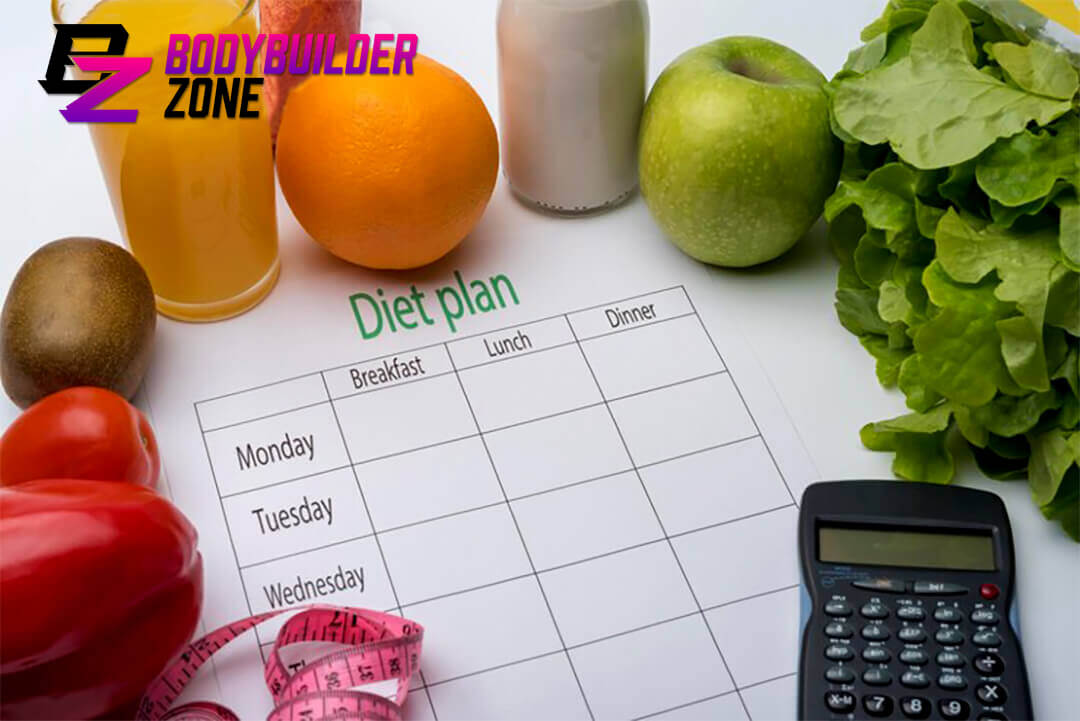
This is like the compass that guides you through the wilderness of temptation and busy schedules. Imagine going on a road trip without a map—you might enjoy the scenery for a while, but eventually, you’ll get lost. Similarly, without a plan for your meals, it’s easy to stray off course and make choices that sabotage your goals.
By planning ahead, you control what goes on your plate. It doesn’t have to be complicated either; you can start small, mapping out a few days or even just your next meal.
Simple meal-planning structure:
| Meal | What to Include | Example |
| Breakfast | A balanced mix of protein, healthy fats, and fiber to kickstart your day | Scrambled eggs with avocado and spinach |
| Lunch | Keep it light but satisfying—something that fuels you without slowing you down | Grilled chicken salad with olive oil dressing |
| Dinner | Focus on a hearty yet wholesome meal that keeps you full, but not too full | Baked salmon with quinoa and roasted veggies |
| Snacks | Keep these simple and nutrient-rich to avoid reaching for processed junk | Greek yogurt with a handful of almonds |
By preparing meals in advance, you also avoid the trap of convenience food—those sneaky options that offer quick satisfaction but leave you feeling sluggish and derailed from your goal. Think of meal prep as the foundation stones you lay down each week to build a stronger, healthier future.
Tracking Progress and Adjustments
Success in any endeavor requires feedback, and weight decrease is no exception. Imagine navigating a ship without ever charting the stars—you’d soon find yourself off course. Tracking your progress is like keeping an eye on a compass. It guarantees that you’re moving in the right direction and make adjustments when necessary.
But it’s important to remember that progress isn’t always linear. Some days you might feel like you’re coasting downhill, and other days may feel like you’re trekking uphill in a storm. The key is to not get discouraged by those bumps in the road. Track your progress by focusing on more than just the number on the scale. How do your clothes fit? How do you feel? Are your energy levels improving?
Keep a journal or use a tracking app to note down meals, gym sessions, and even how you’re feeling emotionally. You’ll start to notice patterns that allow you to fine-tune your strategy. Maybe you realize that skipping breakfast leaves you ravenous by lunchtime, or perhaps you notice that certain foods leave you feeling bloated. These insights are golden, helping you navigate the winding path of weight loss with clarity.
Common Challenges and Solutions
The road to weight drop, though rewarding, is paved with obstacles—like a long hike where the trail sometimes gets rocky. But with the right mindset and tools in hand, these challenges can be overcome.

Managing Hunger and Cravings
Hunger can feel like a relentless wave, threatening to knock you off balance just as you’re finding your stride. But here’s the secret: it’s often not hunger itself that trips us up, but cravings—the sneaky desires for something sweet or indulgent that often have nothing to do with true hunger.
To manage these cravings, it’s important to keep yourself fueled with balanced meals that include plenty of fiber and protein. These act like anchors, keeping hunger at bay longer. And when cravings strike, instead of reaching for junk food, have healthy snacks ready to go—fruits, nuts, or even a small piece of dark chocolate can satisfy without undoing your progress.
Another trick? Stay hydrated. Often, our bodies confuse thirst with hunger. So before you give in to a craving, drink a glass of water. You might find that’s all you needed.
Staying Motivated
Motivation can be as elusive as a butterfly, one moment within reach, the next fluttering out of sight.
Key strategies to keep momentum:
- Set small, achievable goals. Celebrate the small victories—whether it’s fitting into an old pair of jeans or mastering a new gym program.
- Visualize your success. Picture the version of yourself you’re working toward, and remind yourself of that image daily.
- Find a support system. Whether it’s a workout buddy, online group, or supportive friend, sharing the adventure makes the path smoother.
- Reward yourself. Set non-food-related rewards for milestones—whether it’s a new workout outfit or a relaxing day off.
Challenges will arise, but with determination and the right mindset, you’ll continue to push forward, leaving each obstacle behind as a stepping stone toward success.















Leave a comment