



Overview of Advanced Abs Techniques
You may get eager to learn more complex techniques that will help you develop your core strength. Advanced abs push your training to the edge for improved muscle engagement by testing your endurance, stability, and coordination. A variety of sophisticated workouts and ideas that can elevate abdominal training are below:
- Weight exercises
The abs’ muscular activation is greatly increased when resistance is added. Exercises that increase hypertrophy and strengthen your core include medicine ball tosses, cable woodchoppers, and weighted sit-ups.
- Dynamic movements
Including dynamic workouts like burpees and mountain climbers helps to stabilize your core while activating several huge groups. The movements work your abs and improve your level of cardiovascular fitness.
- Exercises with stability balls
By adding instability to the workout, a stability ball makes it much more difficult to balance while using the core muscles. Examples of ways to increase one’s routine include pikes and stability ball rollouts.
- Plank variations
Increasing the difficulty of planks, such as side planks, plank jacks, or plank reaches, gradually strengthens and extends the core. These workouts help strengthen the shoulders and obliques.
- Hanging leg raises
These exercises not only your lower abs but also your hip flexors and hand grip. It is a rather difficult yet efficient exercise since you hang from a pull-up bar and raise your legs while maintaining a strong core.
You may continue to test your core muscles and achieve notable improvements in strength, stability, and general fitness by implementing these exercises into your training regimen.
Incorporating Weighted Exercises
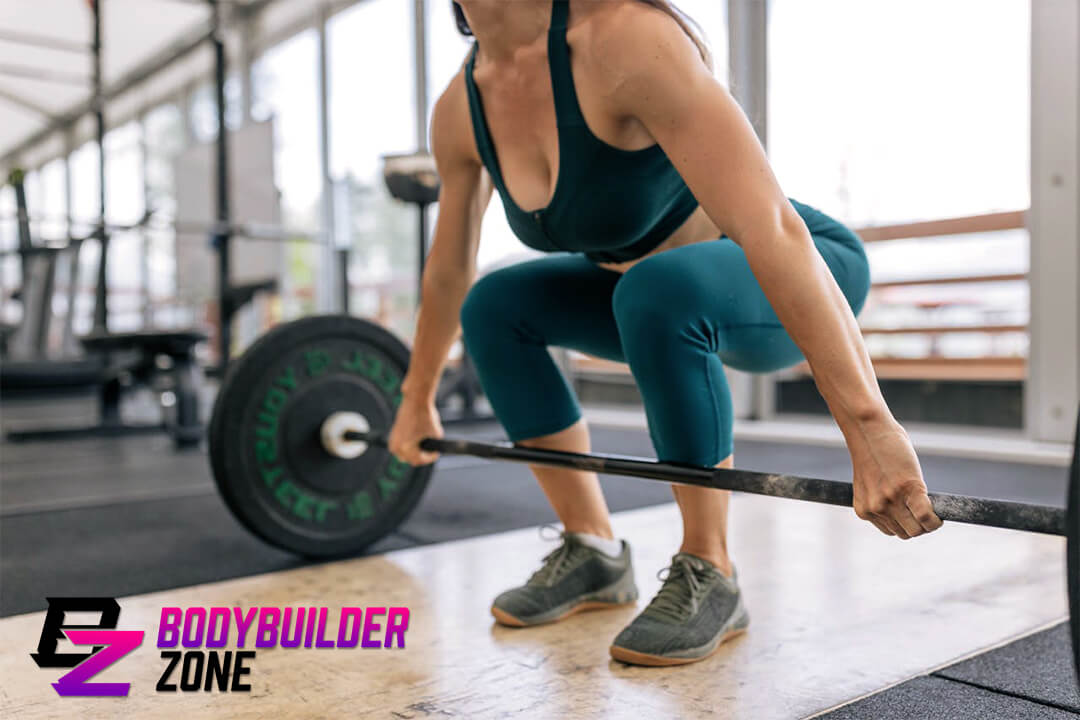
To boost muscle activation, encourage hypertrophy, and make your workouts more challenging overall, incorporate weighted exercises into your abs program. It’s true that weighted workouts are superior for building strength, but they also work wonders for improving stability.

When incorporating these weighted workouts into your abdominal program, you should also start with smaller weights and focus on technique. The table that follows lists some common weighted workouts that you may incorporate into your abdominal routine:
| Exercise | Description | Target muscles |
| Weighted sit-ups | Perform sit-ups while holding a weight plate or dumbbell at your chest for added resistance. | Rectus abdominis |
| Dumbbell Russian twists | Sit on the floor and rotate your torso with a dumbbell or weight plate for oblique engagement. | Obliques and rectus abdominis |
| Cable woodchoppers | Pull a cable across your body in a chopping motion using a cable machine for rotational strength. | Obliques and core |
| Medicine ball slams | Slam a medicine ball down to the ground from an overhead position to combine strength and cardio. | Core and shoulders |
| Weighted planks | Hold a plank position with a weight plate on your back for increased core engagement. | Core, shoulders and back |
- Advice for a successful integration
If this is your first time performing weighted workouts, start with fewer weights and work your way up to heavier ones. This will ensure that you’re in good condition and prevent you from being wounded.
- Pay attention to using your core
Maintain tension in your core during each exercise. Because it will optimize your workout and lessen the pressure on your back, this is crucial.
- Combine them with bodyweight exercises
Add some variation to your workouts and increase the generalizability of your muscular endurance by including these weighted exercises into a regimen that alternates between body-weight and weighted activities.
Adding weighted exercises to an ab regimen may indeed elevate core training to a new level, resulting in increased strength, definition, and fitness. The best results with these advanced exercises will come from being consistent, paying attention to your form, and accepting the challenge.
Supersetting for Abs
Supersetting is a highly efficient training method in which you perform two workouts back-to-back with little to no break in between. Completing a greater total volume in a shorter amount of time, can increase the intensity of your workout, save you time, and encourage muscle growth.
| Superset | Exercise 1 | Reps | Exercise 2 | Reps |
| Superset 1 | Basic crunches | 15 | Leg raises | 12 |
| Superset 2 | Russian twists | 10 (each side) | Plank | 30 seconds |
| Superset 3 | Bicycle crunches | 15 (each side) | Mountain Climbers | 20 |
| Superset 4 | Medicine ball slams | 12 | Hanging leg raises | 10 |
An example superset exercise that targets several core regions may be found below. Complete one set of the first exercise right away, then the second exercise just before resting to complete each superset:
- Choose complementary exercises. For example, it’s quite effective to combine workouts for the upper and lower abs.
- To maintain the intensity of your exercise and optimize the metabolic effects, keep the rest periods between supersets brief, ranging from 30 to 60 seconds.
- It will be crucial to concentrate on the correct form as soon as you start to feel fatigued. To avoid damage, lower the weight or the amount of repetitions.
- After you feel at ease with supersetting, you may progressively increase the intensity by lowering rest periods, increasing repetitions, or adding weights.

By incorporating supersetting into your abdominal program, you can push the muscles harder, achieve better results in less time, and take core exercises to the next level. Use this idea to make core training interesting and productive while pushing your strength and endurance to new heights.
Monitoring Progress and Adjusting Techniques
Using a fitness app or workout notebook, you should record the type of exercise, number of sets, repetitions, and weight utilized to monitor your progress. There are important techniques for tracking development:
- Set specific goals
Establish specific short- and long-term goals for your fitness quest. While long-term goals may include general strength, short-term goals may involve increasing repetitions or sets.
- Do regular check-ups
Every 4–6 weeks, assess your progress by performing an exercise you used to do and comparing it to your previous performance. You may also measure your body to monitor changes in muscle tone.
- Modify workout intensity
As your strength increases, progressively up the ante on your workouts. Depending on what would further test the muscles, it may include switching to higher-level workouts.
The moment has come for the approaches to be modified appropriately while you are tracking your success. This most likely entails altering the workout regimen by adding new exercises, switching up the sequence, or even experimenting with other techniques like circuit training or supersetting.
Additionally, you may add some new equipment, like stability balls or resistance bands, to keep pushing your core in novel ways and prevent boredom from setting in. To keep the muscles guessing and enable ongoing strength and endurance growth, you vary your workout regimen frequently.

Conclusion and Future Goals
More than just appearances, core strength is essential for general health, posture, stability, and performance in a variety of athletic activities. We cover a variety of methods and exercises in this tutorial, such as supersetting motions, weighted workouts, and fundamental exercises.
As soon as your future objectives are definite and attainable, you will be inspired to continue on your path. Defined goals can assist hold one responsible while efficiently tracking progress, whether that goal is raising the intensity of your workouts. Important future objectives to take into account:
- Develop strength
Constantly strive to raise the highest weight you can lift during weighted workouts or the number of repetitions you can perform for each ab movement.
- Introduction to variety
To keep things fresh and challenge your skills, switch up your training regimen from time to time by adding new workouts, methods, or equipment.
- Increased endurance
To improve your general core endurance, increase the intensity of dynamic motions like mountain climbers or the length of holds like planks.
You will continue to advance and grow if you establish such long-term objectives and dedicate yourself to your core training. Keep in mind that developing a stronger core is a lengthy process, and the things that keep you motivated and engaged will be found in the adjustments you make along the way.













Leave a comment