


Good arm workouts are essential for strengthening and enhancing the form of the arms. In addition to making you look better, having toned arms enhances your physical capabilities, which makes it easier for you to carry out everyday chores. Increasing muscular mass and upper body strength may be achieved by performing a sequence of workouts targeted at strengthening the shoulders, triceps, and biceps.
Training must be approached methodically and with the right technique to yield the best outcomes. Frequent arm muscle exercise combined with weight control and increasing loads can not only strengthen the arms but also provide obvious relaxation.
- Why Focus on Arm Exercises
- Importance for Functional Strength
- Aesthetic Benefits
- Key Arm Exercises
- Bicep Curls
- Tricep Dips and Extensions
- Forearm Workouts
- Tips for Maximum Effectiveness
- Proper Technique and Grip
- Avoiding Overtraining
- Integrating Arm Exercises into Your Routine
- Balancing with Other Muscle Groups
- Sample Arm Workout Plan
Why Focus on Arm Exercises
Strengthening, building endurance, and toning your upper body are just a few of the benefits that arm workouts may provide for your overall health. For many daily actions, such as lifting weights and keeping balance in other sports, strong arms are necessary. An exercise regimen can increase your coordination and strength, preparing your body to perform more efficiently.
Importance for Functional Strength
To increase the overall functional strength of your body, you must strengthen your arms. Strong arms are necessary for many daily chores, including hauling and lifting large things as well as basic tasks like opening doors. You can carry out these duties more quickly and safely if your arm muscles are stronger. Robust upper limbs are also essential for accurately executing several other actions, such as tugging and pushing.
Aesthetic Benefits
Apart from practical advantages, arm workouts also contribute significantly to enhancing the body’s cosmetic appeal. Frequent exercise targeted at building up your shoulders, triceps, and biceps can give you defined arm lines. Also, it can give you muscular mass, which will boost your self-esteem and enhance your entire appearance.
Key Arm Exercises
Basic exercises that focus on essential muscle groups should be a part of any training regimen if you want to properly increase arm strength and form. In addition to strengthening the biceps, triceps, and forearms, these exercises enhance the general function of the arms, increasing their strength and flexibility. You may work every muscle group equally by using a range of methods and tools, including your body weight and barbells or dumbbells.
Bicep Curls
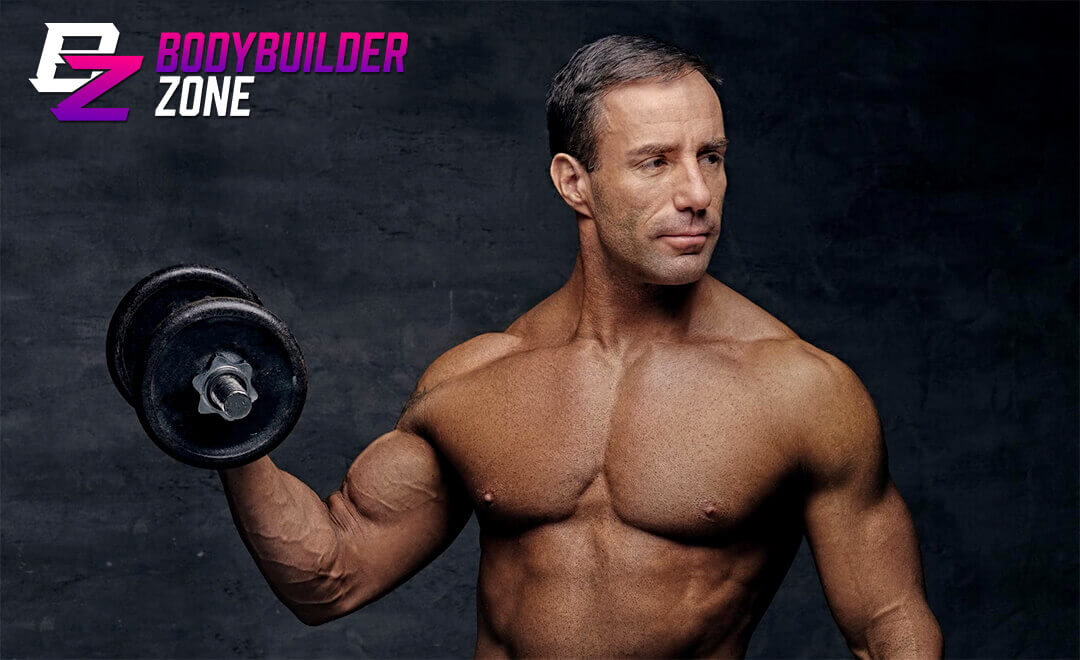
One of the most well-liked workouts for building muscle and strength in the front of the arms is the bicep curl. This exercise is adaptable for every type of training because it can be done with dumbbells, a barbell, or machines. It’s crucial to execute it correctly by bending just your forearms to prevent motion and keeping your elbows immobile. Modify the bicep curl by switching up your grip:
- Supinated
- Pronated
- Hammer
You may focus on different areas of your biceps and help spread the weight during your workout by using these sorts of grips. Additionally, it keeps you from overusing the same muscles when doing out.
Tricep Dips and Extensions
For strengthening your triceps, try weighted triceps extensions and dips. Dips for your triceps may be performed with extra weights or just your body weight. Any level of fitness may do this workout. It works wonders for strengthening the muscles in the chest, shoulders, and back of the arms.
Exercises like bent-over or dumbbell triceps extensions target the triceps and provide a customized element to the training. By doing these exercises regularly, you may prevent imbalances in the development of your arm muscles and improve the balance of your triceps and biceps.
Forearm Workouts
Exercises for the forearm are typically disregarded, although they are crucial for total arm strength and endurance. Your grip strength will increase and your ability to handle various other workouts, like presses and pull-ups, will be enhanced by strengthening your forearms. Forearm workouts that are the best for your training can include:
- Dumbbell wrist curls and extensions.
- Static weight holds.
- Barbell wrist curls and extensions.
Also, by including forearm workouts in your program, you may strengthen your wrists and reduce your risk of injuries caused by weak grip strength. But it’s crucial to keep your hands from straining too much and to execute every motion smoothly.
Tips for Maximum Effectiveness
To maximize the benefits of your arm workout, it’s critical to consider technique and the ideal resistance level in addition to selecting the appropriate exercises. Including little but crucial aspects in your training routine will help you avoid injury in addition to making your activities more efficient. You may achieve significant improvements in your arm strength and relaxation by paying close attention to technique, selecting the ideal grip, and tracking your recuperation.

Proper Technique and Grip
The cornerstone of effective training is proper exercise technique. Maintaining control over all motions, focusing on strengthening the targeted muscles, and avoiding inertia is crucial for achieving the best possible results. As an illustration, arm curls need:
- Your elbows should remain motionless.
- The weight should be lifted by contracting the biceps.
- It’s critical to steady the body and refrain from making needless shoulder movements when performing triceps exercises.
Choosing a grip is crucial while performing hand workouts:
- A wide grip activates the outer part of the muscles.
- A narrow one emphasizes the load on the inner part.
Thus, we may conclude that employing various grips and techniques facilitates a more thorough training of the arm muscles. Incorporate a few of these modifications into your training regimen.
Avoiding Overtraining
Achieving lasting improvement requires avoiding overtraining. Although arm exercise is beneficial, it’s crucial to allow your muscles to rest afterwards. They are relatively minor muscles. The triceps and biceps are exercised when exercising larger muscular groups like the back and chest.
Excessive usage without sufficient recuperation might result in exhaustion, diminished power, and heightened vulnerability to harm. The best strategy is to work out your arms one or two times a week, alternate between active and rest days, and consume enough food to support both muscle growth and repair.
Integrating Arm Exercises into Your Routine
It’s crucial to mix arm workouts with body-part exercises to properly incorporate them into your entire fitness regimen. Including arm exercises in a full-body workout is the best way to include them. The following are some ideas for adding arm workouts to your regimen:
- Upper body days
Exercise your shoulders, back, and chest before moving on to your biceps and triceps. For instance, you can perform curls or triceps extensions following pull-ups and bench presses.
- Whole-body exercise
Work your legs, core, and other muscles by adding one or two arm exercises to your full-body regimen.
- Separate program
To make it more targeted, you can add three to four exercises for each muscle group (biceps, triceps, and forearms) if you perform arm exercises on a different day.
For best effects, combine arm workouts regularly with other main muscle groups. You can also contact a qualified sports trainer for advice. He will take into account your wishes and create an individual program.
Balancing with Other Muscle Groups
To maintain a healthy physique and avoid imbalances, it’s important to maintain equilibrium between your arms and other muscles. Because your biceps and triceps are key muscles in the motions of your shoulders, back, and chest, try not to overwork them. Here are some pointers to keep your equilibrium.
- Mix up your workouts
Combine arm training with larger muscle groups rather than dedicating your whole session to your arms. For instance, train your triceps following a chest workout and your biceps following a back session.
- Proportional exercise
Don’t neglect your triceps and forearms in favour of your biceps. Since your triceps make up the majority of your arm, treat them with equal importance.
- Permit healing
Since you utilize your arm muscles for other workouts often, it’s critical to allow them to recuperate to prevent overtraining. It usually takes the muscles 1-2 days to fully recuperate and prepare for the next exercise session.
In addition to boosting stamina and strength, balanced arm and other muscle exercises promote the body’s natural growth. Do not disregard these suggestions if you wish to advance in your training.
Sample Arm Workout Plan
Targeting the biceps, triceps, and forearms, among other main arm muscles, is essential to any well-designed arm training program. Exercises that target strength, definition, and endurance are all included in this example plan, providing you with a well-rounded approach to developing strong arms. This is an example of a training plan that is organized:
| Exercise | Muscle group | Sets | Reps | Rest |
| Barbell bicep curls | Biceps | 3 | 8–10 | 60 secs |
| Tricep dips | Triceps | 3 | 10–12 | 60 secs |
| Hammer curls | Biceps and forearms | 3 | 8–10 | 60 secs |
| Overhead tricep extensions | Triceps | 3 | 10–12 | 60 secs |
| Wrist curls (barbell) | Forearms | 3 | 12–15 | 45 secs |
| Close-grip push-ups | Triceps and biceps | 3 | 12–15 | 60 secs |
This example exercise program offers a well-rounded strategy that works the triceps, biceps, and forearm strength and endurance. When performing any workout, keep in mind to use appropriate techniques and modify the weight according to your degree of fitness. Strength and definition may be significantly increased by combining these exercises with other upper-body routines once or twice a week.











Leave a comment