

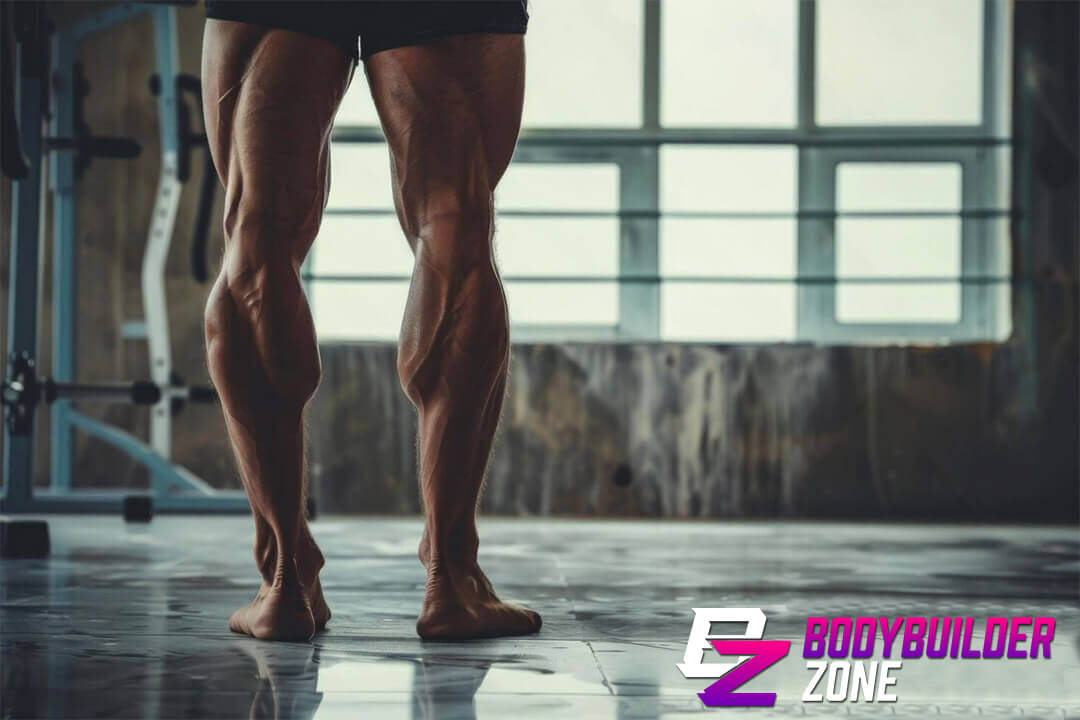
Training the lower body, namely the legs, is integral to bodybuilding. If you do not work on your legs but focus only on the upper part, your body will not look symmetrical. Imagine a muscular person with thin legs. Strong legs are an aesthetic addition to your figure and affect other aspects. They allow you to push more easily, run faster and do not get tired as quickly.
In general, a leg workout only brings benefits and makes you stronger. But, unfortunately, many bodybuilders neglect building strong legs. Below we will discuss in more detail why training that part of the body is so important and what benefits it can give. We will also offer you the top-best leg exercises and examples of combinations with other exercises.
- Importance of Leg Exercises
- Benefits for Overall Strength
- Enhancing Athletic Performance
- Core Leg Exercises
- Squats
- Lunges
- Leg Press and Extensions
- Techniques for Optimal Results
- Correct Form and Posture
- Avoiding Common Mistakes
- Structuring Your Leg Workout
- Incorporating into Weekly Routine
- Combining with Other Lower Body Exercises
Importance of Leg Exercises
For harmonious improvement of the whole body, it is necessary to include training for legs. In this way, you will achieve not only visual results and improve your appearance but also strengthen your muscles. This has a very positive effect on body balance, improving posture and stabilizing muscles.
Benefits for Overall Strength
Leg workouts offer a lot of benefits for both beginners and experienced bodybuilders. The most important positive aspects are the following:
- Muscle development
The most important advantage is that leg exercises involve the main muscle groups and improve their development. The quadriceps, hamstrings, glutes and calves are the most involved. These are quite large muscles, so their gradual development and training increase strength.
- Improved stability and core strength
Having strong legs will make you feel much better. This mainly concerns body balance and posture, since they depend on the strength of the legs. Exercises such as squats and lunges involve the core muscles and stabilizing muscles in the body.
- Accelerated metabolism
During a leg workout, you will burn many more calories than with any other. This happens because the leg muscles are some of the largest in the body. A leg workout is great for losing fat and gaining muscle mass.
These are not all the advantages of this type of workout. As we have already mentioned, developed leg muscles also improve your appearance. Evenly developed muscles of the back, arms, chest and legs will give you an ideal figure.
Enhancing Athletic Performance
As for sports indicators, such as strength, speed, and others, a leg workout significantly improves them. Athletes who run, high jump and other disciplines focus on certain exercises. And what kind of training improves the indicators, let’s consider in more detail:
- Strength and power
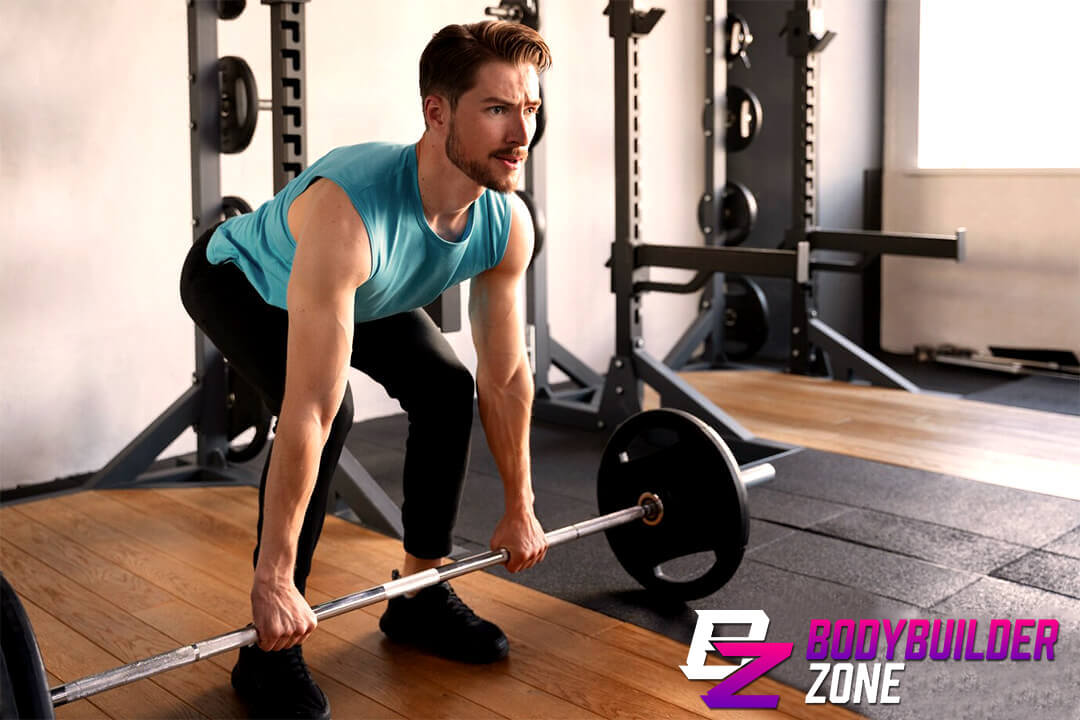
Exercises such as deadlifts, squats and plyometrics are excellent for increasing leg strength. It is especially important to perform this set of exercises for those athletes for whom it is important to develop explosive power. Most often, this indicator is necessary for sports that require jumping, sprinting or quick changes of direction.
- Endurance and speed
These indicators are more important for runners since they need to maintain high results for a longer period of time. Lunges and step-up exercises help strengthen muscles, increasing endurance. If you include them in your workout routine, you will significantly increase speed and agility, which is crucial for many sports.
- Injury prevention
Leg exercises help strengthen muscles and joints. If you have ever been injured or want to do prevention, then it is imperative to strengthen the muscles around key joints. These are mainly the knees and hips, which should be trained to reduce the risk of injury by improving joint stability and flexibility.
Most athletes will agree with these exercises for improving athletic performance. Their combinations should definitely be included in a workout routine if you want to achieve strong and agile legs.
Core Leg Exercises
There are many good exercises to improve leg strength. Correct technique is no less important than the type of exercise. The result will depend on the correct execution of the workout. We will consider the most effective ones, such as squats, lunges, leg press and extensions.
Squats
Squats involve muscles such as the quadriceps, hamstrings, glutes, core, and lower back. The benefit of squats is that they target multiple muscle groups and improve their progress. There are several variations of squats that you can try:
- Back squats (barbell on shoulders)
- Front squats (barbell in front of shoulders)
- Goblet squats (holding the weight close to the chest)
The most important tip for proper technique is to keep your knees in line with your toes and not to round your lower back. If done incorrectly, you can injure your knee joints and back. Also, be careful not to use too much weight.
Lunges
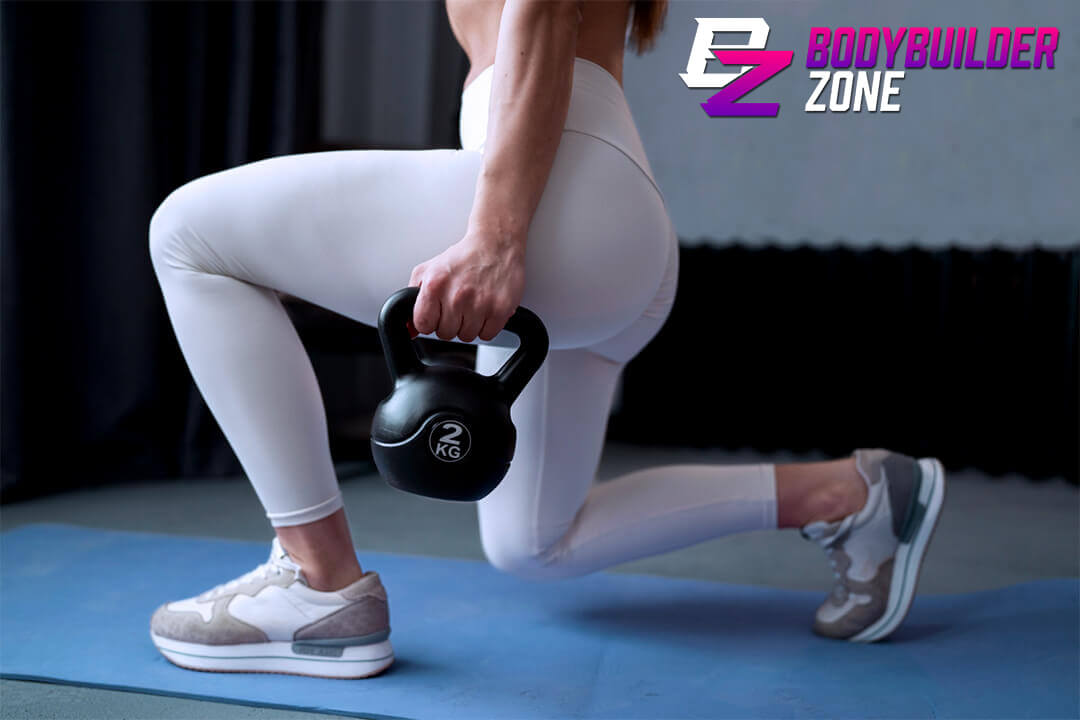
Lunges are the second-best exercise for building strength and muscle in your legs. They will work your quads, glutes, hamstrings, calves, and core. With regular training, you will improve your balance, coordination, and unilateral leg strength if you do the workout one leg at a time. The best lunge variations are:
- Forward lunges.
- Backward lunges.
- Walking lunges.
- Weighted lunges with a dumbbell or barbell.
For proper technique, we recommend keeping your upper body upright. Never allow your front knee to go past your toes.
Leg Press and Extensions
Such exercises as bench press and extensions actively involve different muscle groups. Let’s consider each of these types of exercises separately. Let’s start with the bench press, it involves the quadriceps, hamstrings and gluteal muscles. The main advantages of doing the bench press are:
- Safety for athletes with back and knee problems. The main thing is to do the exercise correctly.
- Isolation of the entire lower body so it easily allows you to focus on your legs and not worry about balance.
- Powerfully develops leg strength, mostly involving the quadriceps muscles. This significantly increases the size of the legs and makes the muscles more pronounced.
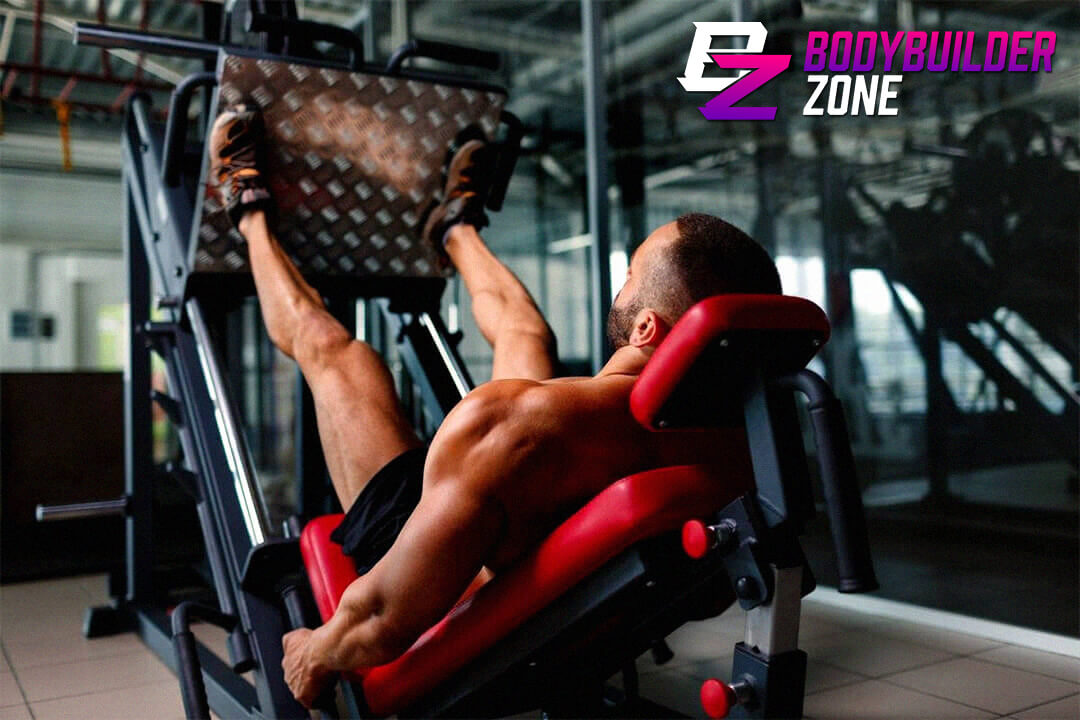
When doing the leg press, you must sit straight on the seat. Straighten your back and try not to lock your knees at the top of the movement. As for extensions, this is classified as an isolation exercise. It mainly targets the quadriceps and helps to increase their strength. It is also a great type of exercise for getting muscle definition in the legs. The benefits of extensions are as follows:
- Corrects muscle imbalances and helps to strengthen the knee joints, but only with the correct technique.
- Can be included in the workout as an exercise for hypertrophy. This means that extensions are well suited for building muscle mass.
As for the technique, the most important advice is to use controlled movements. Try to avoid lifting heavy weights so as not to injure the knee joint. Including these exercises in your program will ensure comprehensive development of the legs, increasing strength, power and muscle endurance.
Techniques for Optimal Results
To achieve the desired results when doing leg exercises, you need to focus on the correct technique. Many beginners make typical mistakes even in such simple exercises as squats, lunges and leg presses.
Correct Form and Posture
Let’s talk in more detail about the correct form and body position during the exercises. It is necessary to follow a number of basic rules when performing a workout for legs:
- As you perform lunges or squats, raise your chest. Keep your knees from bending forward or touching your toes.
- Make sure your back stays straight on the seat and push with your heels when performing a leg press.
- Do not overdo it with the weight of the machine. Choose the most comfortable one and start the approach. If it is too heavy, then reduce it by 5–10 kilograms, as this can lead to injury and pain.
A professional trainer can help you with setting the correct technique and following it. He can monitor how you perform the approaches and control the angle of your knees, a straight back and the correct pace.
Avoiding Common Mistakes
Making mistakes during a workout is not uncommon, especially for beginners. We would like to list the most common ones that are important to avoid during training:
- Using too much weight during training. Using a huge weight suddenly will only hurt your muscles, tendons and joints. You can easily get injured if you overdo it with the weight when doing leg exercises.
- Sharp and uncontrolled movements. Rushing and not having the right, clear movements also puts your legs at risk. Do the exercises at a moderate pace and without sudden jerks, so as not to stretch or tear your muscles.
- Lack of preparation before training. Warming up your muscles is just as important as cooling them down after a workout. Light cardio exercises on a treadmill or exercise bike will perfectly prepare your legs for physical activity.
Try to avoid all of the above mistakes when doing leg workouts. This way, you will save your health, get the maximum benefit from your workout and bring your desired result closer.
Structuring Your Leg Workout
To structure a leg workout, it is worth considering your level of training. In the table below, we will take the level of training as initial, moving to average. Including an average level of load for working out different muscle groups of the legs and increasing relief.
Incorporating into Weekly Routine
This workout is structured to get the most out of your workouts. Instead of 4 days a week, beginners can do it 2–3 times. Don’t forget to take a break of 1–2 days between workouts so that your muscles have time to recover during this time.
| Day | Workout focus | Exercise type | Sets and reps |
| Monday | Strength focus | Squats, lunges, leg press | 4 sets of 6–8 reps |
| Wednesday | Endurance and stability | Bulgarian split squats, step-ups | 3 sets of 12–15 reps |
| Friday | Power and explosiveness | Jump squats, box jumps, plyometrics | 3–4 sets of 8–10 reps |
| Sunday | Recovery and mobility | Light cardio, stretching, foam roll | 20–30 minutes of low-intensity activity |
Mix up your workouts every session for best results. Make an effort to use complex exercises to target several muscle groups. Lunges are one type of exercise that may be included, along with isolated exercises like calf lifts or leg extensions.
Combining with Other Lower Body Exercises
Combining lower body exercises will give you great results. You should look at combining basic leg exercises with other movements that target specific areas. The most effective examples of exercise combinations are:
- Lunges and squats combined with hip thrusts and Romanian deadlifts. This combo works the glutes and hamstrings.
- Including the raising of animals. You will target smaller, frequently ignored muscle areas with these workouts.
- adding box jumps or jump squats. You’ll successfully gain strength and enhance your athletic performance with this workout.
Be sure to try these combinations if you want to develop such indicators as strength, endurance, and agility. Remember to work all muscle groups of the lower body for combined development.








Leave a comment