



- Understanding Fat Burners
- How Fat Burners Work
- Mechanisms of Action
- Types of Fat Burners
- Benefits and Limitations
- Weight Loss Benefits
- Potential Side Effects
- Choosing a Fat Burner
- Key Ingredients to Look For
- Evaluating Product Claims
- Integrating Fat Burners into Your Routine
- Combining with Diet and Exercise
- Monitoring Results and Adjustments
Understanding Fat Burners
Dietary pills called fat burners are made to speed up metabolism, increase energy output, and enhance fat oxidation in order to help people lose extra body fat. These usually consist of a combination of chemicals that work together to increase the body’s rate of fat burning. As such, they can aid in weight reduction when used in conjunction with a healthy diet and regular exercise. Although fat burners are potent, they are not miracle drugs; thus, for best effects, they should be used in conjunction with a healthy lifestyle.
Not all fat burners are made equal, and there are many different types available that focus on various aspects of fat burning, such as hunger control, thermogenesis, or providing excellent energy boosts for exercise. It will be easier for you to select the ideal fat burner to complement your individual fitness objectives if you are aware of the many kinds and how they operate.
How Fat Burners Work
Through a number of strategies, each of which targets a distinct physiological process, fat burners achieve fat loss. You’ll be in a better position to select the best supplement for your needs and ensure that you’re not wasting your money if you know how these processes operate.
Mechanisms of Action
Fat burners work by raising your resting metabolism, increasing energy expenditure, and improving your body’s capacity to use fat as fuel. All of these things together provide the ideal conditions for fat loss. Some common mechanisms of action for fat burners are as follows:
- Thermogenesis
Raising body temperature causes your body to use more energy to maintain regular processes, which raises body temperature and increases caloric expenditure.
- Lipolysis
The breakdown of stored fat into free fatty acids, which the body may use as fuel, is known as lipolysis. Ingredients used in fat burners frequently encourage this process.
- Appetite suppression
The hormone ghrelin, which is linked to hunger, is one of the ways that certain fat burners decrease appetite and aid in maintaining a calorie deficit.
- Energy boosting
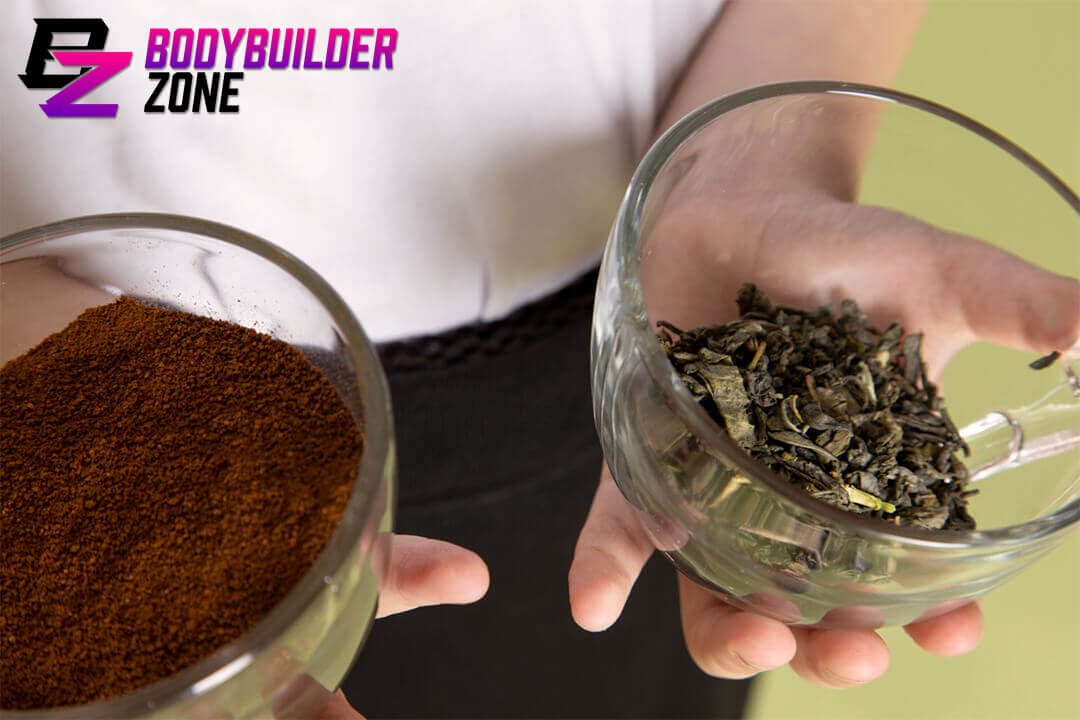
Certain fat burner ingredients, including green tea extract and caffeine, provide an energy boost that improves exercise performance and increases total calories burned during workouts.
- Blocking the absorption of fat and carbs
Some fat burners prevent the body from absorbing as many calories from fats and carbs because they make it more difficult for these macronutrients to be digested.
The multipurpose processes that facilitate fat loss are the focus of these fat burners. Your general consistency in maintaining good living choices, together with your food and exercise regimen, are the only factors that determine how successful they are.
Types of Fat Burners
There are several varieties of fat burners, and each one has a unique method for reducing body fat. Knowing that will make it easier for you to select a fat burner product that meets your demands. The following describes the primary categories of fat burners.
- Thermogenic fat burners. These often contain green tea extract, caffeine, or capsaicin, all of which have the ability to increase body temperature and metabolic rate.
- Appetite suppressants. Compounds such as 5-HTP and glucomannan suppress appetite, which naturally balances food consumption.
- Fat blockers. Supplements that block the digestion of dietary lipids include chitosan.
- Carb blockers. They prevent the body from breaking down carbohydrates, which lowers the quantity of carbohydrates that are absorbed by the body.
- Stimulant-free fat burners. Made for people who react negatively to caffeine, these products burn fat without giving users jitters by using non-stimulant active ingredients such as conjugated linoleic acid.
Choosing a fat burner mostly depends on the goals, way of life, and objectives that each sort of fat burner would help the user achieve. More energy, reduced hunger, or prevention of fat and glucose absorption can all be achieved by selecting the appropriate supplement and combining it with a healthy diet and regular exercise to improve fat reduction.
Benefits and Limitations
Fat burners can be quite beneficial when included in a comprehensive workout and diet regimen, among many other advantages. Understanding how to use their power and protect oneself from any potential harmful repercussions is equally vital.

Weight Loss Benefits
If someone wants to accelerate the process of burning fat, fat burners are a great option. However, they function best in conjunction with a healthy diet and frequent exercise. Their main advantages are that they speed up metabolic processes and aid in weight control.
- Increased calorie burn
The majority of fat burners, particularly thermogenics, have the ability to increase your resting metabolic rate, which increases your calorie burning even while you’re at rest.
- More efficient workout
The fat-burning properties of fat burners raise energy levels, which makes it possible for you to exercise more effectively and burn more fat while maintaining more muscle.
- Control your appetite
Certain fat burners reduce your hunger, making it easier for you to maintain a calorie deficit and put an end to overindulging in food or snacking.
Fat burners are helpful for losing weight, but they’re not a miracle cure. Their effectiveness is mostly dependent on maintaining a good diet and engaging in regular exercise.
Potential Side Effects
Fat burners have dangers and negative effects of their own, just like any other substance. It is possible to ensure safety and stop additional health deterioration by being aware of these potential drawbacks.
- Anxiety and jitters
When using fat burners that contain high doses of stimulants, such as coffee, you run the risk of being more anxious, restless, or jittery at times.
- Problems with the stomach
Certain components, such as glucomannan and other fat-blockers, may cause upset stomachs, bloating, or gas, especially if they are not taken with enough water.
- Problems with sleep
When used at any point later in the day, stimulant-based fat burners disrupted sleep patterns, which had a detrimental effect on both recovery and overall health.

It always pays to choose fat burners wisely and pay attention to your body’s response, even though these side effects may not be severe for the majority of users. You may reduce dangers and safely include fat burners into your training routine by reading labels carefully and starting with lesser dosages.
Choosing a Fat Burner
It’s difficult to choose the best one when there are so many available. In any case, it is essential to make an educated choice based on the effectiveness of the ingredients, medical problems, and reasonable expectations regarding the usefulness of a product.
Key Ingredients to Look For
Science has shown that the main components of the majority of fat burners that genuinely aid in weight loss are as follows:
| Ingredient | Benefits | Mechanism of action | Potential side effects |
| Caffeine | Increases energy and metabolic rate. | timulates the central nervous system, increasing thermogenesis and fat oxidation. | Jitters, increased heart rate and anxiety. |
| Green tea extract | Enhances fat oxidation. | Contains catechins that boost metabolism and promote fat burning. | Stomach upset, insomnia in high doses. |
| Glucomannan | Promotes fullness and reduces appetite. | Expands in the stomach to create a feeling of fullness. | Gastrointestinal discomfort and bloating. |
| L-carnitine | Supports fat metabolism. | Helps transport fatty acids into mitochondria for energy production. | Nausea and diarrhea. |
| Raspberry ketones | May help increase fat breakdown. | Mimics the effects of capsaicin, enhancing fat oxidation. | Mild digestive issues. |
| Forskolin | May aid in fat loss. | Activates an enzyme that promotes fat breakdown. | Headaches and flushing. |
You can find more potent fat burners by concentrating on these components. Always think about your personal health requirements and get medical advice from a specialist if needed.
Evaluating Product Claims
Examining manufacturer claims critically is necessary while conducting research on fat burners. Frequently, the items make exaggerated claims about how much weight they can help you lose or how much better your body would look.
- Look for evidence. Determine whether the product’s efficacy is supported by reliable sources or scientific research.
- Unrealistic expectations. Realistic weight reduction is achieved by a healthy combination of food and exercise. The majority of products that promise rapid weight loss without much effort are typically unsustainable.
- Customer reviews: One may learn the truth about the efficacy and potential adverse effects of a product by reading reviews left by other consumers.
By conducting thorough research on those goods and maintaining a critical eye towards the promises made, you can make an informed selection that aligns with your fitness and health objectives.
Integrating Fat Burners into Your Routine
The attempt to lose weight may undoubtedly be increased by including fat burners in one’s diet, but caution must be exercised. The supplement will function best when used in conjunction with a healthy diet and a structured exercise regimen, which will help achieve good fitness outcomes.

Combining with Diet and Exercise
Fat burners might be most effective when used in conjunction with a healthy diet and frequent exercise. Here are some things to keep in mind:
| Component | Recommendations | Sample foods and exercises |
| Diet | Prioritize whole foods and limit processed options. | Lean proteins, whole grains, fruits, vegetables. |
| Cardio | Aim for 150–300 minutes of moderate to vigorous activity weekly. | Running, cycling, swimming, HIIT workouts. |
| Strength training | Include 2–3 sessions per week focusing on major muscle groups. | Weightlifting, bodyweight exercises, resistance bands. |
When combined, these elements will have a snowball effect that boosts the fat burner’s effectiveness and aids in weight reduction.
Monitoring Results and Adjustments
It’s critical to track your progress if you want to know how effective your fat burner is. Here are a few of the crucial procedures:
- Establish clear objectives. To guide your path, set clear objectives that are SMART (specific, measurable, attainable, relevant, and time-bound).
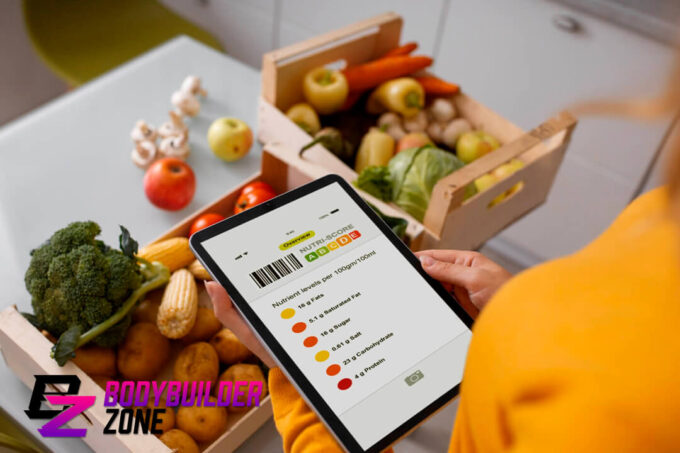
- Journaling. This is keeping track of your food consumption, exercise regimen, and any changes in your body composition or weight so that you may identify trends and, subsequently, make any required corrections.
- Check-in. Once a week or once every other week, spend some time to evaluate your progress. Make the required adjustments to your diet, workout routine, or even fat burner.
You may make sure that your fat burner helps your weight reduction process both successfully and sustainably by monitoring your results and making appropriate adjustments.













Leave a comment