



- What Is Aerobic Exercise?
- Definition and Key Characteristics of Aerobic Workouts
- How Aerobic Exercise Differs from Anaerobic Exercise
- Benefits of Aerobic Exercise for Your Health
- Improving Cardiovascular Health
- Boosting Lung Capacity and Oxygen Utilization
- Enhancing Weight Loss and Calorie Burning
- Reducing Stress and Improving Mental Health
- Popular Types of Aerobic Exercises
- Walking and Power Walking: Accessible for Everyone
- Running and Jogging: Boosting Endurance and Fat Loss
- Cycling: Low-Impact, High-Result Workout
- Swimming: Full-Body Aerobic Training
- Group Classes: Aerobics, Dance Workouts, and Zumba
- How to Start an Aerobic Exercise Routine
- Tips for Beginners: Choosing the Right Intensity
- Setting Realistic Goals for Fitness Improvement
- Warm-Up and Cool-Down Essentials
- The Best Aerobic Exercises for Weight Loss
- High-Intensity Aerobic Workouts: Jump Rope and HIIT Cardio
- Low-Impact Options: Elliptical and Rowing Machines
- How Often Should You Do Aerobic Exercise?
- Recommended Frequency and Duration for Health Benefits
- Balancing Aerobic Exercise with Strength Training
- Common Mistakes to Avoid in Aerobic Training
- Overtraining and Ignoring Recovery
- Poor Form and Lack of Proper Footwear
- Not Tracking Heart Rate and Exercise Intensity
- Advanced Aerobic Exercise Techniques
- Combining Interval Training for Better Results
- Using Wearable Devices to Track Progress
What Is Aerobic Exercise?
Better known as cardio, aerobic exercise serves best for the improvement in one’s state of fitness regarding gains obtained from cardiovascular health, stamina, and energy profile. These comprise soft and rhythmic motions that tend to enhance the rate of respiration and heartbeat. Once you understand its features and how it is contrasted to anaerobic exercise, this will give ease to make your choices complementary to the goal being followed.
Definition and Key Characteristics of Aerobic Workouts
The term “aerobic exercise” describes a variety of physical activities that use oxygen to meet their energy requirements. Among the primary attributes are:
- Constant activity
Running, swimming, and cycling are examples of exercises that require sustained effort and comparatively constant energy production.
- Moderately intense
Because an aerobic workout is performed at 50–70% of your maximal heart rate, it may be tolerated for a considerable amount of time.
- Developing endurance
This workout provides a continuous muscular, cardiac, and lung tone-up and endurance buildup.
Aerobic training develops tolerance, builds cardiovascular stamina, and keeps energy levels up at an optimum.
How Aerobic Exercise Differs from Anaerobic Exercise
Whereas both forms of exercise enhance general fitness levels, they serve different purposes:
- Source of energy
Aerobic exercise uses oxygen and produces energy by burning fat and carbs. Whereas anaerobic exercises utilize the glycogen stores that are in the muscles in order to fuel short, intense bursts of activity.
- Timing
Aerobic exercises tend to be extended, whereas anaerobic exercises such as sprinting or lifting weights are shorter and more intense.
- Goals
Anaerobic exercise focuses on strength and power, while aerobic exercise emphasizes endurance and cardiovascular health.
All these distinctions, when coupled with the ability to assess a person’s needs, would guide one in formulating a balanced exercise program that would meet both strength and endurance.
Benefits of Aerobic Exercise for Your Health
The improvement of mental and physical wellness and the strengthening of the heart and lungs will certainly not be understated when it comes to aerobic exercise. Let’s turn to some of the more interesting aspects of aerobic exercise.
Improving Cardiovascular Health
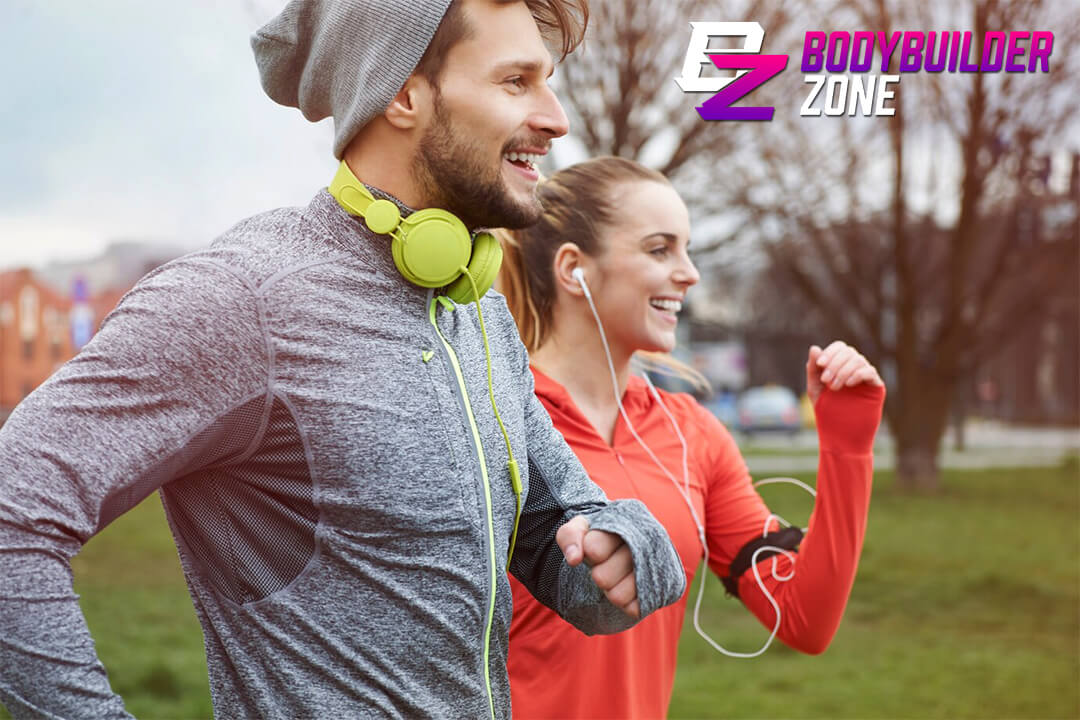
Increased cardiovascular benefits are among the most important benefits of aerobic exercise. Regular aerobic exercise improves blood circulation, reduces blood pressure, and strengthens the muscles of the heart. Therefore, the risk of heart attacks and strokes decreases. Walking or cycling at a brisk pace improves cardiovascular efficiency slowly but at school.
Boosting Lung Capacity and Oxygen Utilization
Your lungs are taught to absorb and utilize oxygen more efficiently through aerobics. Exercises such as swimming or running improve the transport of oxygen to your muscles and organs. Additionally, increased stamina from improved lung function makes any given physical activity less taxing and, therefore, more pleasurable.
Enhancing Weight Loss and Calorie Burning
An efficient method of burning calories and reducing excess body weight is through aerobic activity. Aerobic exercises, like running, dancing, and cycling, can raise the metabolic rates of the body, making fat-burning much easier. If coupled with a healthy diet, aerobic exercise will make one slim-fit.
Reducing Stress and Improving Mental Health
The beneficial psychological influence of aerobic exercises is marked and noticeable. They increase endorphin production, commonly referred to as “feel-good hormones,” which reduce stress, anxiety, and sadness. A dancing lesson or a solitary stroll through the outdoors might help to relax and increase awareness of yourself.
Popular Types of Aerobic Exercises
Aerobic workouts come in a variety of formats to accommodate individuals with varying fitness levels, objectives, and tastes. Let’s look at some of the most well-liked aerobic workout varieties and their special advantages.
Walking and Power Walking: Accessible for Everyone
A simple, low-impact aerobic activity, walking is ideal for novices and those who have had ailments that require them to take it easy for a while.
- Improves blood circulation for heart health.
- Maintains joint flexibility and mobility.
- Requires minimal equipment and can be done anywhere.
No matter the schedule, walking and power walking can be easily accommodated as they provide flexible, beginner-friendly options.
Running and Jogging: Boosting Endurance and Fat Loss
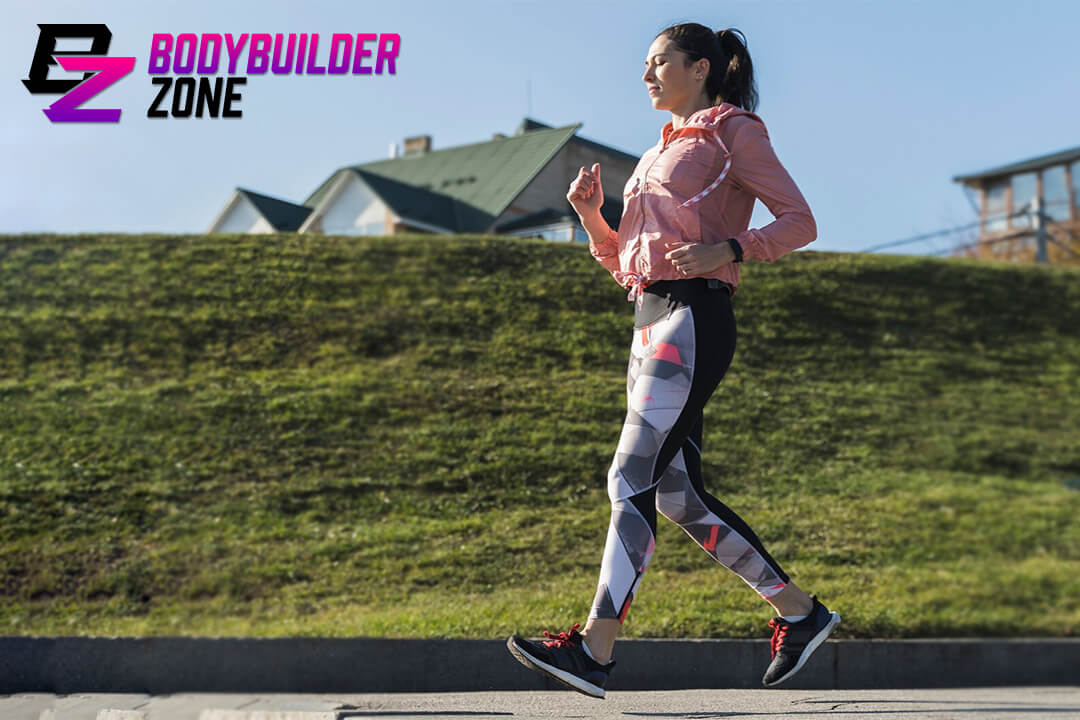
The aim is to ensure daily cardio workouts that will support the aerobic system’s stamina and quickly raise the calorie burn bar. They also strengthen the lower body muscles and cardiovascular system.
- Engenders mood improvement and stress relief.
- Enhances metabolism and aids in weight reduction.
- Strengthens the core and leg muscles.
Jogging and running are some of those perfect ways through which endurance is built and general fitness increases.
Cycling: Low-Impact, High-Result Workout
Whether riding a stationary bike or outdoors, cycling is a joint-friendly way to improve cardiovascular health and tone muscles.
- Provides several levels of intensity for both novice and expert users.
- Improves strength in the lower body.
- Perfect for people who need low-impact choices.
Any level of fitness may benefit greatly from cycling, which also protects the joints and has amazing aerobic advantages.
Swimming: Full-Body Aerobic Training
Swimming works every part of the body and burns a lot of calories with little strain on the joints.
- Utilizes every major muscle group.
- Increases endurance in respiration and circulatory systems.
- Due to the low impact on the joints, swimming assists with healing from injuries.
With its combination of strength and endurance training, swimming makes for an ideal full-body workout.
Group Classes: Aerobics, Dance Workouts, and Zumba
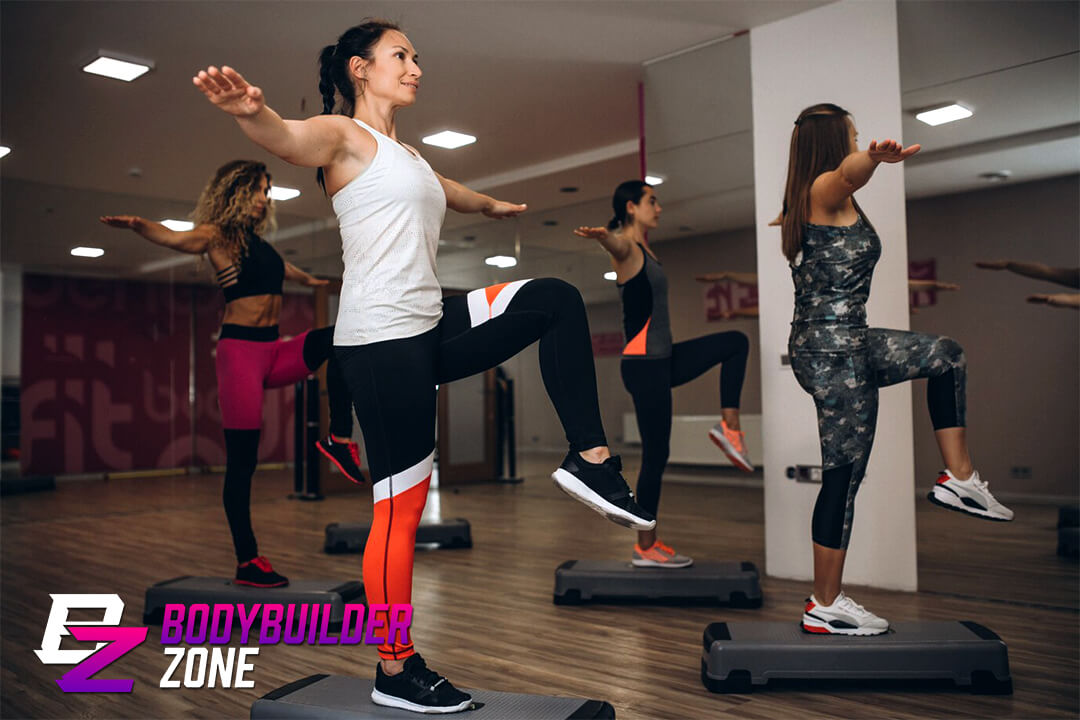
Group exercise sessions are fun and exciting while encouraging interaction among the participants. They mix aerobic training with rhythmic movements for an exciting workout.
- Creates a social setting for motivation.
- Provides improved balance, flexibility, and coordination.
- Offers a variety of styles so that all tastes and preferences are fulfilled.
Group programs instill teamwork while making fitness entertaining and welcoming.
How to Start an Aerobic Exercise Routine
Proper and appropriate planning and an established target can make your exercise work. Whatever your goal, start small, whether it is your overall health, weight loss, or fitness. We are going to look at the tips that will help you comfortably proceed.
Tips for Beginners: Choosing the Right Intensity
Progression will depend on sensible intensity. It is crucial to strike the right balance. For beginners, this entails making sure that improvements are slow and gradual enough to prevent injury or burnout.
| Level | Description | Duration | Examples |
| Low intensity | Light activities that raise the heart rate slightly. | 20–30 minutes | Walking, gentle cycling. |
| Moderate intensity | Noticeable increase in heart rate and breathing. | 30–45 minutes | Jogging, brisk walking, light swimming. |
| High intensity | Vigorous effort requiring significant exertion. | 15–30 minutes | Running, HIIT, fast cycling. |
Starting at low-to-moderate intensity will help your body adapt to the new regime more easily.
Setting Realistic Goals for Fitness Improvement
Setting achievable goals helps you evaluate your progress and keep motivated. Set goals based on your present fitness level. Examples of realistic goals are:
- Well-defined goals, like 20 minutes of running or so many steps to walk each day.
- Timed goals like adding a few more minutes next month to your exercise program.
- You can maintain a record of your workouts and achievements on a piece of paper or by using any fitness app.
Realistic and measurable goals guide the journey toward maintaining motivation and responsible growth in fitness.
Warm-Up and Cool-Down Essentials
In order to get the body ready for exercise and the subsequent healing processes, warm-ups and cool-downs are crucial.
- Warm-up
To increase heart rate and relax muscles, start with 5–10 minutes of dynamic stretches and gentle exercises. Leg swings, arm circles, and a leisurely jog are a few examples.
- Cool-down
Spend five to ten minutes doing gentle stretches. This is intended to increase flexibility and release muscular tension. Focus on the quadriceps, hamstrings, and shoulders as the main muscular groups.
Warm-up and cool-down techniques improve overall workout efficiency and lower the risk of injury.
The Best Aerobic Exercises for Weight Loss
Activities that fit one’s fitness level and achieve the goals should be done for optimal weight reduction. Everyone may choose from low-impact exercises that preserve their joints to high-intensity ones that burn calories quickly.
High-Intensity Aerobic Workouts: Jump Rope and HIIT Cardio
Almost all high-intensity aerobic activities can manage to get one’s metabolism into high gear, allowing him or her to burn fat faster.
- Jump rope
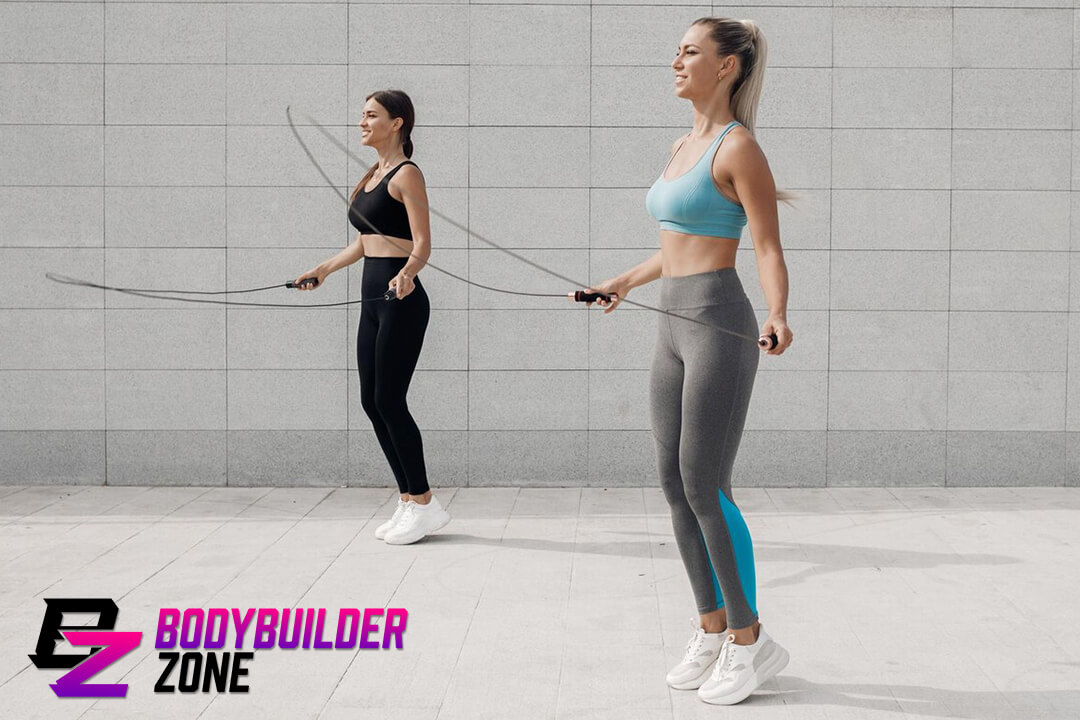
This exercise can shed an amazing 10 calories per minute. It will increase cardio fitness, stamina, and coordination. You may want to start with 1 to 2 minutes of consistent jumps. Once you get comfortable, you can ramp up the intensity.
- HIIT cardio
HIIT workouts alternate between a period of low intensity or rest and short bursts of all-out strenuous activity. Running, biking, and jumping jacks are a few examples. Just one average HIIT workout can burn as much as 400 calories in 15 to 30 minutes.
The primary question remains that while high-intensity workouts are quick and effective for weight loss, they may be too challenging for those who do not do fitness.
Low-Impact Options: Elliptical and Rowing Machines
For people who want to take it easy but still get results, low-impact aerobic workouts are fantastic.
- The elliptical machine
This exercise mimics jogging without putting undue strain on the joints. It provides a full-body burn that may burn up to 300 calories in 30 minutes, making it ideal for anyone with hip or knee problems.
- Machine for rowing
By mixing upper and lower body motions, rowing also improves strength and endurance. Depending on the intensity, it burns between 200 and 300 calories in 30 minutes and works with a variety of significant muscle groups.
For those seeking a weight-loss strategy that is both joint-friendly and sustainable, low-impact activities are great options.
How Often Should You Do Aerobic Exercise?
A better result may be achieved by understanding the frequency of aerobic exercise, whether it is for endurance, weight reduction, or cardiovascular health. Their presence in a fitness program must be balanced with other routines, such as strength training.
Recommended Frequency and Duration for Health Benefits
Professionals advise engaging in at least 150 minutes of moderate-intensity aerobic exercise and 75 minutes of vigorous-intensity aerobic exercise. Increase this to 300 minutes a week for even more health benefits.
- This can be reduced into more manageable daily amounts, such as 30 minutes a day, five days a week.
- Permit varied sets of cardiovascular exercises that come in the form of swimming, cycling, or simply walking.
- To avoid overtraining and allow your muscles time to recover, take one to two days off or do active recuperation.
If you would like to maintain the health benefits in the long term, spread out your aerobic activity sessions throughout the week.

Balancing Aerobic Exercise with Strength Training
There is a place for both strength and cardio training in one’s all-rounded fitness program. Because strength training boosts muscular mass, which improves metabolism and endurance, it goes hand in glove with aerobic exercises.
| Day | Exercise type | Duration/focus |
| Monday | Aerobic (moderate intensity) | 30–45 minutes (e.g., cycling) |
| Tuesday | Strength training | 30–40 minutes (upper body focus) |
| Wednesday | Aerobic (high intensity) | 20–30 minutes (e.g., HIIT) |
| Thursday | Active recovery | 15–20 minutes (light yoga/walk) |
| Friday | Aerobic (low impact) | 30 minutes (e.g., elliptical) |
| Saturday | Strength training | 30–40 minutes (lower body focus) |
| Sunday | Rest or active recovery | Stretching or light activity |
Training programs in each would be well rounded; training switching between the two gives one the reduced opportunity to injury and accelerates recuperation.
Common Mistakes to Avoid in Aerobic Training
While aerobic training is great, many repeated mistakes will retard one’s progress or lead to mishaps. Novice or professional, recognizing and avoiding such landmines can get through to one more secure and productive workout.
Overtraining and Ignoring Recovery
Because aerobic exercises put a lot of strain on your heart, muscles, and joints, you need time off to recover and grow.
- Solution
Give your body time to heal by taking at least one or two days per week off for yoga, stretching, or relaxation.
- Warning signals
Watch out for potential overtraining indicators, including sleeping pattern changes, performance drops, and persistent pain.
Do not forget to take the time to relax between training blocks so that you do not run into the law of diminishing returns on your fitness journey.
Poor Form and Lack of Proper Footwear
Poor postures in numerous aerobic exercises and the overuse of worn shoes create the discomfort that may lead to injury. Good posture, along with proper shoe knowledge, guarantees not only enhanced joint and muscular support but also better results.
- Solution
Always wear well-made, activity-appropriate footwear; consult experts to find out how to perform certain activities the right way.
- Advantage
Running shoes are very fluffy and must have a stiff insole for better control, while riding shoes must support the foot better.
Exercise efficacy will be maximal and safety will be increased, as long as form and footwear are given due consideration.
Not Tracking Heart Rate and Exercise Intensity
Exercise without intensity monitoring may lead to either overexertion or insufficient effort to provide the intended effects. Heart rate tracking is the simplest, yet most effective, method of making sure that one is training in the appropriate zones.

- Solution
Use a fitness tracker or determine your heart rate manually to keep yourself within your specified range.
- Advantage
Reaching the correct intensity will minimize the likelihood of overexertion, build endurance, and support maximum calorie burning.
By tracking your heart rate, you guarantee that your workout is effective and truly meets your fitness goals.
Advanced Aerobic Exercise Techniques
Advanced aerobic strategies should constantly be included to prevent levelling and to continue improving results. These techniques put the body through novel challenges that enhance cardiovascular health, speed, and endurance.
Combining Interval Training for Better Results
HIIT is an effective technique to increase cardiovascular fitness and burn as many calories as possible. Interval training makes your body do so much work in such a short time, with time for the body to recuperate through brief bursts of high exertion intermittently.
HIIT enhances both anaerobic capacity and aerobic capacity, creating possibilities for a good fat burn and the enhancement of maximal endurance. From running and walking to fast and slow cycling, there are nearly endless combinations of intervals capable of making workout sessions fun and challenging.
Using Wearable Devices to Track Progress
Information from wearable devices like fitness trackers and heart rate monitors is vastly useful in refining aerobic workouts. You will be able to adjust your routine for performance and safety by monitoring key metrics such as heart rate, calorie burn, and workout duration.
With various devices, you can modify your effort levels on the go, ensuring you stay in the ideal heart rate zone. Continuous assessment will help keep your objectives concrete, evaluate progress, and remain motivated over the long haul.













Leave a comment