



- Why Is Iron Important for Your Health?
- The Role of Iron in the Body: Energy and Oxygen Transport
- Symptoms of Iron Deficiency: Fatigue, Weakness, and More
- Animal-Based Foods Rich in Iron
- Red Meat: Beef, Lamb, and Liver as Iron Powerhouses
- Poultry: Chicken and Turkey for Lean Iron Sources
- Seafood: Oysters, Clams, and Sardines
- Plant-Based Sources of Iron
- Legumes: Lentils, Chickpeas, and Kidney Beans
- Leafy Greens: Spinach, Kale, and Swiss Chard
- Nuts and Seeds: Pumpkin Seeds, Cashews, and Chia Seeds
- Iron-Fortified Foods for a Balanced Diet
- Breakfast Cereals: Choosing Iron-Enriched Options
- Bread and Pasta: Fortified Grains for Added Iron
- How to Improve Iron Absorption
- Pairing Iron-Rich Foods with Vitamin C Sources
- Avoiding Inhibitors: Tea, Coffee, and Calcium-Rich Foods
- How Much Iron Do You Need Daily?
- Recommended Iron Intake for Different Age Groups
- Special Needs: Iron Requirements During Pregnancy
- Signs of Too Much Iron and When to Be Cautious
- Understanding Iron Overload and Its Risks
- Consulting a Doctor for Proper Iron Levels
Why Is Iron Important for Your Health?
Iron is one of the minerals that play the most vital roles in overall health in your body. It is the core component of hemoglobin, a protein found in red blood cells that is tasked with transporting oxygen throughout the whole body. Without iron, the body becomes unable to produce a sufficient number of healthy red blood cells, resulting in a myriad of health issues.
The Role of Iron in the Body: Energy and Oxygen Transport
Iron is a mineral that is needed for several physiological processes, notably energy synthesis and oxygen conveyance.
- Hemoglobin synthesis
Hemoglobin is primarily composed of iron and allows red blood cells to transport oxygen from the lungs to tissues and organs.
- Energy metabolism
Iron also helps the giving of energy to the cells since it regulates the enzymes that convert foods into usable energy.
- Brain activity
The brain functions optimally when there is a constant blood supply of oxygen; this, too, desires iron for proper cognitive function.
- Immune system
Iron is very important in supporting good immune defence because it supports the maturation of certain immune cells.
- Muscle activity
Iron supports myoglobin, which is the protein responsible for oxygen transport and storage in muscle cells during their operation, and thus promotes good metabolic functions of muscles.
Without sufficient iron, your body cannot take in oxygen. It tires one out, restricts energy, and produces less efficiency, mentally and physically.
Symptoms of Iron Deficiency: Fatigue, Weakness, and More
Some of the physical and mental signs of iron deficiency are nearly undetectable in the early stages. But they can worsen with time if treatment is not received. There are the main symptoms of iron deficiency:
| Symptom | Description |
| Fatigue | Persistent tiredness due to reduced oxygen delivery to muscles and tissues. |
| Weakness | A general lack of strength or energy, often noticeable during physical activity. |
| Pale skin | A visible sign of reduced red blood cell production, giving the skin a pallor. |
| Shortness of breath | Difficulty catching your breath, even during mild exertion. |
| Dizziness and headaches | Caused by insufficient oxygen reaching the brain. |
| Cold hands and feet | Poor circulation is related to reduced oxygen transport. |
| Brittle nails | Weak or spoon-shaped nails are a sign of chronic iron deficiency. |
By identifying these symptoms, iron deficiency may be treated more easily with dietary changes or supplements. Consulting a healthcare professional is warranted in any case of persistent symptoms to get a proper diagnosis and treatment.
Animal-Based Foods Rich in Iron
Animal foods are the best dietary sources of iron, specifically in the heme form, which is absorbed by the body more than that from plants. As a result, eating such food will be crucial for maintaining your body’s energy levels and preventing iron shortages.
Red Meat: Beef, Lamb, and Liver as Iron Powerhouses
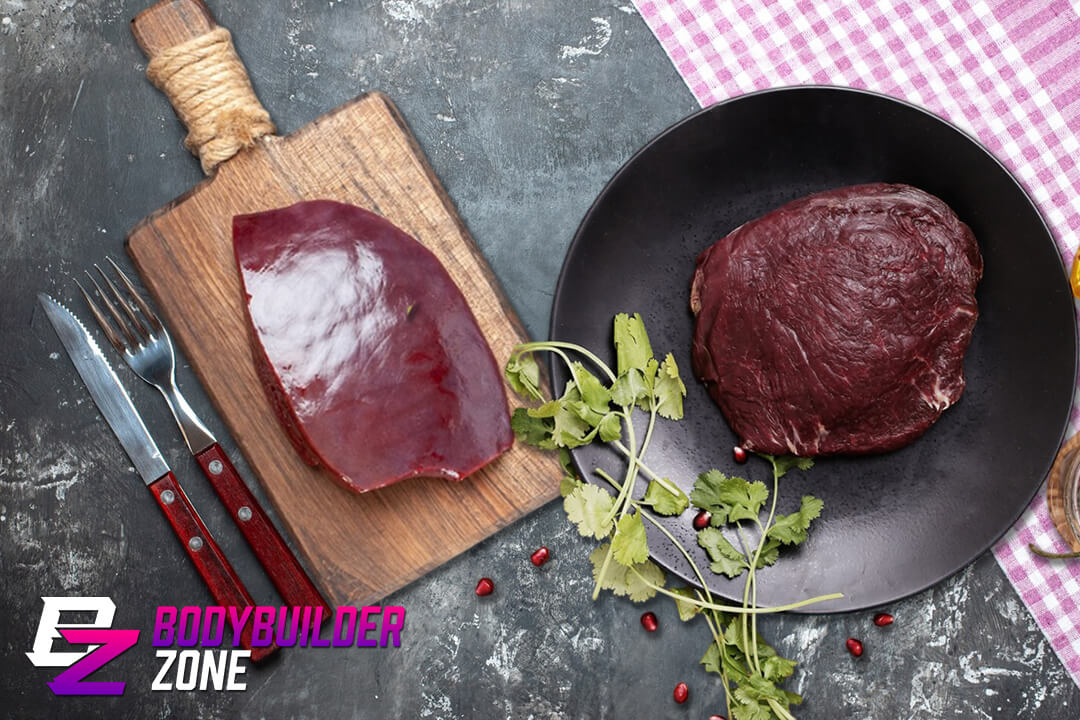
Red meat is one of the mainstays for those looking to boost their iron intake since it is one of the best sources of iron.
- Lamb and Beef
3 oz. of beef contains about 2.7 mg of iron, about the same amounts found in a 3 oz. serving of lamb. Both are good sources of highly bioavailable iron. Other important minerals include zinc, along with some B vitamins.
- Liver
Each 3-ounce portion of liver and other organ meats contains up to 6.2 milligrams of iron, making them superfoods. The liver is a great source of iron and it contains a lot of vitamin A and folate.
There are various methods to cook red meat to fit dietary requirements and tastes. Implementing it into your meals will keep iron levels normal.
Poultry: Chicken and Turkey for Lean Iron Sources
High-quality protein, birds like chicken and turkey also have a modest quantity of iron, making them ideal for people seeking leaner cuts.
- Chicken
Iron content is higher in dark meat sections than in white meat. A 3-ounce portion of chicken has around 1.3 milligrams of iron.
- Turkey
In addition to being leaner than red meat, dark turkey flesh is an even superior source of iron, with up to 2.3 milligrams per serving.
Leaner and lighter than other meats, poultry may be incorporated into a balanced diet and help meet part of your iron requirements.
Seafood: Oysters, Clams, and Sardines
Another excellent animal-based source of iron is seafood, particularly shellfish and some oily fish.
- Clams and oysters
Among shellfish, oysters and clams are the best providers of iron. Oysters contain around 8 mg of iron per serving, although clams can provide up to 24 mg in a 3-ounce portion.
- Sardines
A 3-ounce portion of these tiny, nutrient-dense fish has around 2.5 milligrams of iron, as well as a good amount of calcium and omega-3 fatty acids.
Seafood will help in increasing the intake of those elements that support heart health in addition to iron.
Plant-Based Sources of Iron
Various plant-based food sources are abundant in iron for those who follow a plant-based diet or those willing to boost their source of iron intake. Eating these iron-rich plant foods coupled with meals that contain vitamin C helps enhance the absorption of iron. Even though the body doesn’t absorb non-heme iron or plant-based iron as effectively as from animal sources.
Legumes: Lentils, Chickpeas, and Kidney Beans
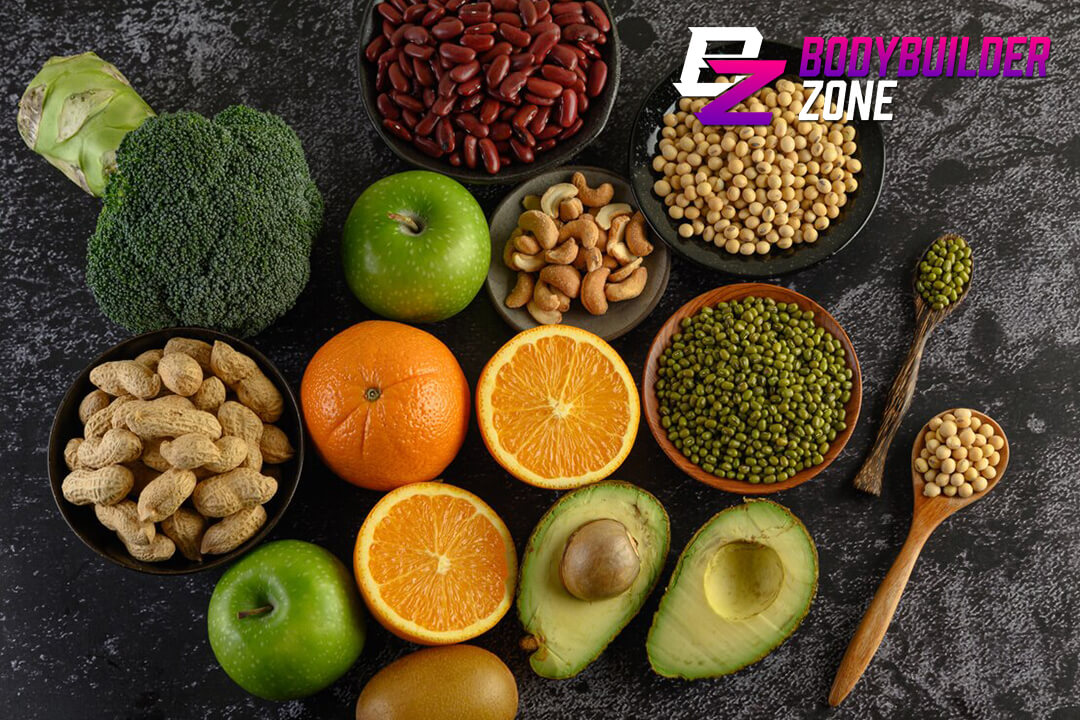
Legumes are a fantastic plant-based source of iron, and there are so many varieties available that it’s easy to pick ones that suit your cuisine and palate.
- Lentil
About 3.5 mg of iron may be found in one cup of cooked lentils, which are also excellent in salads, stews, and soups. They are also an excellent source of protein and fiber.
- Chickpeas
It is a versatile bean that may be used in salads, curries, and hummus. Each cooked cup of chickpeas contains around 2.4 milligrams of iron.
- Kidney beans
With around 3.9 mg of iron per cup, kidney beans are a terrific addition to vegetarian tacos, rice dishes, and chilli.
Legumes will give your diet a good balance of protein, fiber, and iron. Iron can be added to foods from various sources to ensure adequate intake for optimal health.
Leafy Greens: Spinach, Kale, and Swiss Chard
Leafy green vegetables are another important plant-based source of iron. They are accompanied by a number of vitamins and minerals that promote good health.
- Spinach
Each cooked cup of spinach contains 3.6 milligrams of iron. Spinach contains oxalates, which slow down the rate of absorption. The rate of absorption will be accelerated when combined with other vitamin C-rich foods, including tomatoes.
- Kale
Kale is a nutrient-dense green that is high in vitamins A and C and offers around 1.2 mg of iron per cooked cup.
- Swiss chard
Besides other critical nutrients, like potassium and magnesium, one cooked cup of leafy greens has about 4 milligrams of iron.
As you incorporate a range of leafy greens into your meals, you will be able to improve your overall nutrition and increasing your intake of iron.
Nuts and Seeds: Pumpkin Seeds, Cashews, and Chia Seeds
Nuts and seeds are a delicious way to get your fill of iron while adding a variety of nutrients to your diet.
- Pumpkin seeds
When you enjoy this whole ounce of pumpkin seeds, you get about 2.5 milligrams of iron, one of the ample sources of plant-source iron. Pumpkin seeds also contain a good amount of zinc and magnesium.
- Cashews
In addition to protein and good fats, cashews include around 1.9 milligrams of iron per ounce.
- Chia seeds
Chia seeds are a terrific addition to smoothies or yoghurt, and one ounce contains around 2.2 mg of iron, fiber, and omega-3 fatty acids.
Because of their versatility, these nutrient-dense nuts and seeds may be simply added to a wide range of meals and snacks throughout the day.
Iron-Fortified Foods for a Balanced Diet
For people who might not get enough iron from natural sources, it can be supplied most readily through meals fortified with iron. These meals are a highly practical way to increase your daily intake of iron without significantly changing dietary patterns. When iron-fortified foods are included in the diet, it is guaranteed that the dietary needs for more energy will be met.

Breakfast Cereals: Choosing Iron-Enriched Options
Breakfast cereals are the most common and preferred source of iron. Most cereals are now fortified with iron, so it’s an easy way to get in some of your needs at breakfast time.
- Check labels for fortification
Choose those cereals that contain higher iron in relation to other nutrients and identify iron as one of the ingredients. One serving of many cereals that are “whole grain” or “fortified” can provide around 50% of the daily requirement.
- Keep an eye on the sugar
Iron-fortified cereals are fine, but watch out for added sugar. Choose healthy cereals or simple oats mixed with other iron-rich foods, like nuts and fruit.
- Combine with vitamin C
Add a vitamin C-rich meal to your cereal to aid in the absorption of iron-citrus fruits like strawberries. The iron in your cereal is better absorbed by your body as a result.
Iron-enriched cereal, especially when combined with other high-value meals, is a relatively simple approach to enhance iron consumption.
Bread and Pasta: Fortified Grains for Added Iron
For vegetarians and vegans in particular, fortified bread and pasta are excellent sources of iron. Iron-fortified versions of these essential meals are now available from several companies.
- Enriched and whole wheat types
Iron and other vital elements, such as folic acid, are more likely to be supplemented in whole wheat or enriched bread and pasta.
- Look for the nutrition label
Verify whether the package is iron-fortified. Iron is enhanced in the majority of bread and pasta products, making them a fantastic source of this vital mineral ingredient.
- Making use of balanced meals
To further maximize nutrient absorption for health, use fortified bread or pasta in balanced meals that include veggies, lentils, or lean protein.
Because fortified bread and pasta may be consumed with other nutrient-dense foods as well as as a snack, they are practical iron-fortified foods.
How to Improve Iron Absorption
Certain dietary practices and food combinations can influence how much iron your body absorbs. By matching foods containing iron with enhancers of absorption and limiting inhibitors, you can optimize the benefit of the iron you consume.
Pairing Iron-Rich Foods with Vitamin C Sources
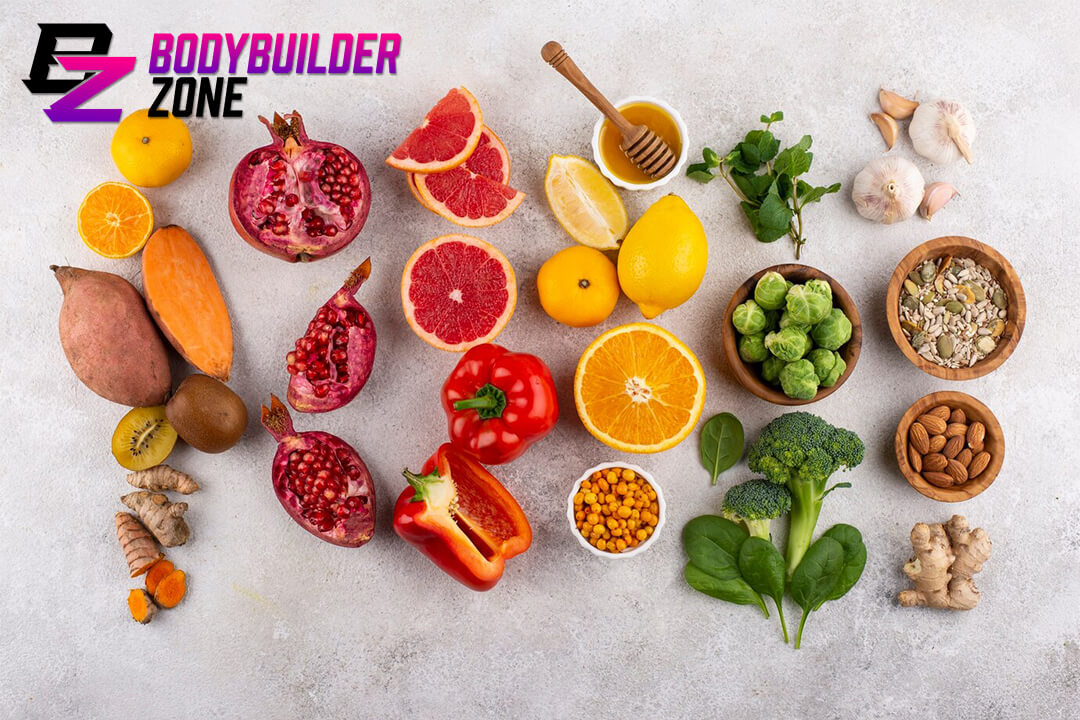
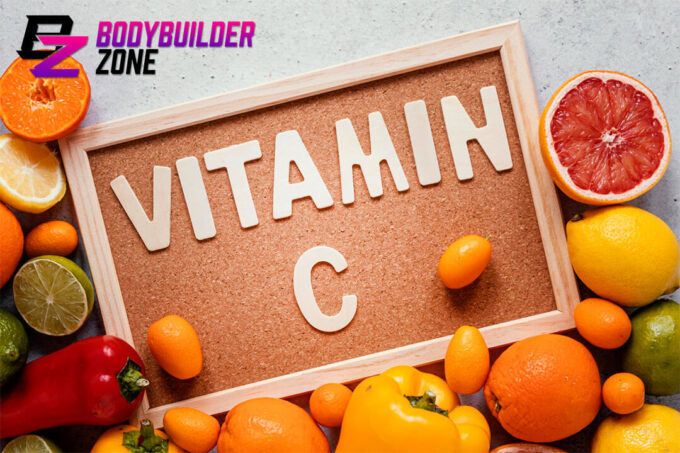
Combining meals that contain iron with foods that include vitamin C results in improved absorption of iron, which is equally straightforward. Vitamin C is an enhancer because it is capable of altering the form of non-heme iron in plant meals to be more easily absorbed.
- Fruits and juices from citrus
If using lentils or spinach, try mixing them with lemon and orange juice or fruit juice for optimal iron absorption.
- Tomatoes and bell peppers
For meals high in iron, such as fortified bread sandwiches or chickpea salads, include slices of tomato or fresh bell pepper.
- Tropic fruits
Serve iron-enriched cereals or snacks with papaya, kiwi, or pineapple.
In addition to being efficient, these pairings provide your meals with more flavour and diversity, improving their nutritional value and appeal.
Avoiding Inhibitors: Tea, Coffee, and Calcium-Rich Foods
Your body absorbs less iron when you consume certain meals and beverages that prevent iron absorption. Iron absorption can be improved by minimizing these inhibitors around mealtime.
- Coffee and tea
Iron absorption is inhibited by the tannins and polyphenols found in tea and coffee. Drink these only between meals.
- High-calcium foods
Calcium from supplements or dairy products competes with iron to reduce absorption. Avoid high-calcium foods from meals rich in iron.
- High-fiber foods
Although fiber is a healthy nutrient, too much of it can inhibit iron absorption. For the purpose of safeguarding iron, a balance is necessary.
Be more conscious of these inhibitors and the timing of your meals to greatly improve your absorption of this mineral.
How Much Iron Do You Need Daily?
Iron is an essential mineral, one that contributes greatly to the cognitive-element for the maintenance of health. Requirements for iron change according to the age, sex, and life stage of the person, with average intake varying with the variables. Adequate intake of the mineral is necessary to avoid diseases associated with iron deficiency as well as promote good health.
Recommended Iron Intake for Different Age Groups
Age and physiological requirements determine the recommended daily intake of iron. The following lists the recommended dietary allowance for each age group to satisfy the fundamental nutritional needs of humans.
| Age group | Recommended daily iron intake | Reason |
| Infants (0–6 months) | 0.27 mg/day | Provided by breast milk/formula. |
| Infants (7–12 months) | 11 mg/day | Supports rapid growth and development. |
| Children (1–3 years) | 7 mg/day | Sustains early childhood growth. |
| Children (4–8 years) | 10 mg/day | Aids steady growth and activity levels. |
| Children (9–13 years) | 8 mg/day | Supports moderate growth phase. |
| Teen boys (14–18 years) | 11 mg/day | Meets needs for muscle and growth. |
| Teen girls (14–18 years) | 15 mg/day | Compensates for menstruation loss. |
| Adult men (19+ years) | 8 mg/day | Maintains body function and reserves. |
| Adult women (19–50 years) | 18 mg/day | Addresses menstrual blood loss. |
| Women (50+ years) | 8 mg/day | Post-menopause needs are lower. |
This will make it easier to comprehend how important meal planning is to preventing deficiencies and supplying energy.
Special Needs: Iron Requirements During Pregnancy
Because of the health needs of both the mother and the fetus, a woman’s demand for iron is significantly increased during pregnancy.
- Increased demand
Due to the developing baby, placenta, and increased blood volume of the mother, the daily need for iron during pregnancy increases to 27 mg.
- Sources of iron
Pregnant women can meet their mineral needs by eating dark leafy greens, fortified cereals, and red meat. If dietary sources are not enough to fulfil one’s needs, iron is frequently found in prenatal supplements.
- Complete recuperation
Having gone through delivery, women will have an increased requirement for iron in order to recover lost levels of iron and blood from the process of delivering the baby.
Meeting the heightened demand for iron will ensure that the mother retains her health and vigor throughout the pregnancy and post-delivery, as well as assure optimal growth for the baby.
Signs of Too Much Iron and When to Be Cautious
More iron is not necessarily better, but it is very important in transmitting oxygen throughout the body. With time, an accumulation of iron in the body can produce a problem in which iron overload may result in keenly dangerous situations for health.
Understanding Iron Overload and Its Risks
Iron overload can be a significant health problem due to its accumulation in the liver, pancreas, and heart. These are common signs of an iron overload:
- Fatigue
- Joint pain
- Stomach discomfort
- Irregular heartbeats
- Skin discolouration
Long-term iron excess can cause hormonal imbalance, diabetes, liver illness, and cardiac issues. Early identification is crucial to avoid such consequences. A person who is aware of these concerns is more likely to watch how much iron they consume.
Consulting a Doctor for Proper Iron Levels
It’s critical to speak with your healthcare provider if you have symptoms or suspect iron excess. Your doctor can measure your serum ferritin and transferrin saturation levels to evaluate your iron storage.
Phlebotomy, or the removal of blood, and chelation therapy are examples of high-iron-level therapies that safely lower iron storage. Also, a balanced diet and routine checkups will help maintain iron levels at their ideal levels without causing the body to accumulate excessive amounts.
By keeping your iron level within the normal range under professional supervision, you can reduce your risk of issues and promote overall health.












Leave a comment