


When taken in sufficient quantities, probiotics, also known as “good bacteria,” are live microorganisms that have been shown to provide health benefits. Athletes place a high value on their health, which frequently makes the difference between performing well and not at all. Probiotics can be included in an athlete’s diet to help with digestion, improve the absorption of nutrients, and fortify the immune system.
With their demanding training regimens and extreme physical demands, today’s athletes differ greatly from those of the past, leaving them more vulnerable to immune system deficiencies and digestive issues. Probiotics have several advantages that cannot be overstated, ranging from accelerating recuperation to maximizing energy levels. They may be a crucial component of any athlete’s overall performance and wellness plan.
- What Are Probiotics?
- Types of Probiotics
- How They Benefit Digestive Health
- Impact on Athletic Performance
- Improving Gut Health
- Enhancing Nutrient Absorption
- Choosing a Probiotic Supplement
- Strain Selection
- Dosage and Storage
- Integrating Probiotics into Your Diet
- Food Sources of Probiotics
- Combining with Other Supplements
What Are Probiotics?
Probiotics are live bacteria that have a host of health advantages, but they are especially beneficial to the stomach. They are found in food, nutritional supplements, and dietary supplements, and they aid in the normalization and upkeep of gut flora. When consumed, they help the body’s immune system and aid in digestion by eliminating harmful germs.
Types of Probiotics
Recognize the many kinds of probiotics to assist athletes in selecting the healthiest strains. Here are a few such categories:
- Lactobacilli
The Lactobacilli family includes one of the most widely used probiotic strains. Additionally, fermented foods like kefir and yoghurt contain lactobacilli. They facilitate the breakdown of lactose, which helps with digestion.
- Bifidobacteria
These are mostly gut bacteria that are very important for gut health. They boost immunity and prevent the spread of harmful microorganisms.
- Saccharomyces boulardii
A probiotic yeast that helps prevent and treat gastrointestinal problems like diarrhea. These are generally taken during and after antibiotic therapy to restore the flora of the stomach.

Athletes may choose the probiotic strains that may be best for their health and performance by being aware of the many kinds of probiotics.
How They Benefit Digestive Health
Probiotics are vital in maintaining normal digestion. Although healthy digestion is crucial, athletes who train intensely may have affected digestion. The following are some ways that probiotics support healthy digestion:
- Restoring the proper balance of gut flora
Over time, antibiotics or an inadequate diet may have left the gut lacking in some nutrients, which probiotics help to replenish.
- Increasing nutrient absorption
For athletes trying to maximize energy and recuperation, a healthy stomach can absorb more nutrients in meals.
- Reducing digestive discomfort symptoms
Probiotics help athletes exercise and compete without the hindrance of gastrointestinal disturbances by reducing symptoms of bloating, gas accumulation, and constipation.
- Immune function
Athletes who have a healthy gut microbiota are more likely to have a strong immune system, which allows them to exercise continuously and be less susceptible to illness.
An athlete may benefit from greater gut health by adding probiotics to their dietary plan, which will enhance their general performance and well-being.
Impact on Athletic Performance
Sports dietitians and players alike are becoming more interested in the impact of probiotics on athletic performance. A healthy gut microbiota is becoming more and more important as research reveals the connections between gut health, nutrition absorption, and overall physical performance. Rigorous exercise is the foundation of good performance, but diet also plays a crucial role in promoting overall health, recuperation, and endurance.
Improving Gut Health
An athlete’s ability to perform at their best is directly impacted by a healthy stomach. Probiotics have several important benefits for gut health:
- Replacement of microbial balance
Probiotics help to keep the proper balance of microorganisms in the intestines by encouraging the development of beneficial bacteria and inhibiting the growth of harmful ones. It enhances digestion and plays a critical role in the absorption of nutrients.
- Immune function
A substantial percentage of the immune system is situated in the gut. Probiotics help the gut, which enables the athlete to prevent illness and hence avoid taking extended absences from training.
- Gastrointestinal problems
For many athletes, gastrointestinal problems are a result of intense exercise and stress. Probiotics reduce stress-related bloating, gas, and diarrhea, enabling athletes to exercise as hard as possible.
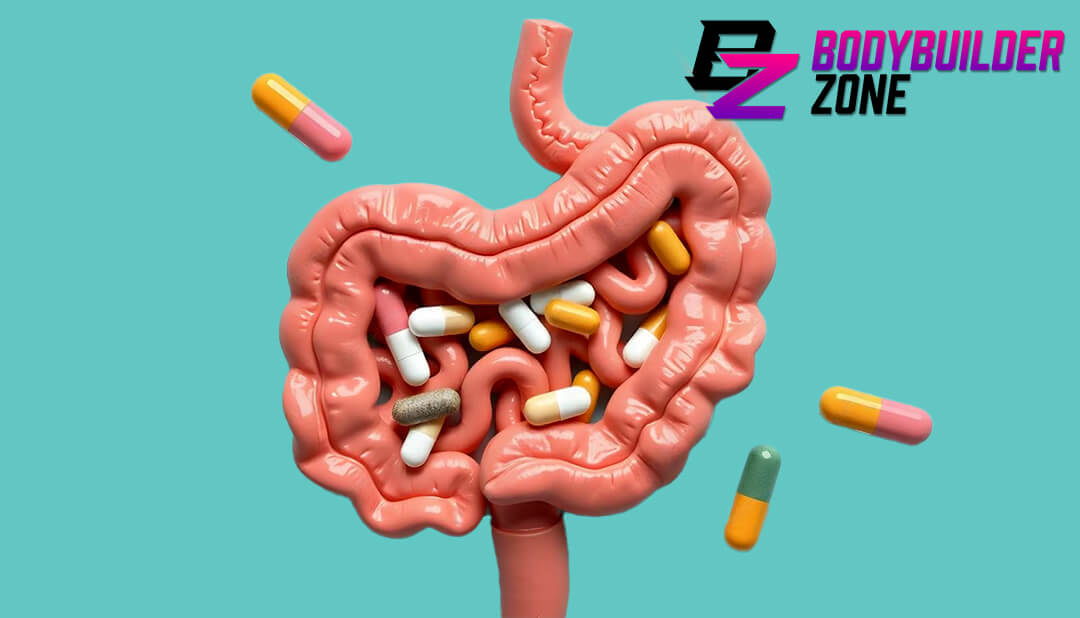
Its foundation is the promotion of gut health through the cultivation of an environment that allows probiotics to increase athletic performance. This allows the athlete to practice and compete without being hampered by digestive problems.
Enhancing Nutrient Absorption
Probiotics are crucial for food absorption, particularly for athletes whose performance depends totally on superior fuel. Probiotics have the following effects on improved nutrient absorption:
- Improved digestion. Probiotics can improve digestion by facilitating a more thorough absorption of lipids, proteins, and carbs. Athletes therefore fully profit from their diets.
- Increased nutrient bioavailability. Probiotics improve the intestinal environment, which increases the absorption of certain nutrients, including vitamins and minerals.
- Support for lactose digestion. Probiotics, particularly the lactobacillus strains, can aid in the digestion of lactose and reduce the likelihood of bloating and discomfort for athletes who consume dairy products.
Athletes can further assist performance, recovery, and general health by improving nutrient absorption with the addition of the right probiotics to their meals.
Choosing a Probiotic Supplement
An athlete should be informed of the precise bacterial strains involved, dose, and optimal storage for the full efficacy of the medicine. Indeed, the correct kind of probiotics may significantly impact gut health and function, but not all supplements are created equal. To fully benefit from taking probiotics, one must know how to choose a high-quality product that meets their needs.
Strain Selection
Several bacterial strains may be found in probiotic supplements, and each has unique health advantages. Athletes may consider the following factors when selecting a strain to use:
- Lactobacillus and Bifidobacterium
The two most prevalent strains of probiotics found in food and supplements, which are also thought to be excellent for improving immune system function and digestion.
- Saccharomyces boulardii
This yeast is crucial for athletes to train with since it is very helpful in treating and preventing gastrointestinal disorders like diarrhea.
- Lactobacillus plantarum
This probiotic’s anti-inflammatory qualities help muscles heal and recuperate more quickly, which is crucial for athletes recovering from demanding workouts.
There is a chance for better digestion, enhanced performance, and enhanced gut health with strains chosen according to specific health requirements and sports objectives.
Dosage and Storage
Probiotic supplementation’s efficacy is greatly impacted by dosage and storage conditions. Below is a table that shows the suggested doses and ideal storage conditions.
| Factor | Guideline |
| Recommended dosage | 10–20 billion CFU (colony-forming units) daily for general gut health. Higher doses may be required for specific conditions. |
| Timing | Take probiotics 30 minutes before a meal or with a meal for the best absorption. |
| Storage requirements | Most probiotics should be stored in a cool, dry place; however, some strains may require refrigeration to maintain potency. |
| Expiration awareness | Check expiration dates and ensure the product maintains efficacy up until the listed date. |
| Shelf-stable vs. refrigerated | Shelf-stable probiotics are more convenient, but refrigeration often ensures higher potency. |
Athletes may maximize the benefits of their probiotic supplements by adhering to the recommended dose and storage guidelines. Probiotic potency and efficacy are maintained through proper use and management.
Integrating Probiotics into Your Diet
Including probiotics in your daily routine, whether in the form of pills or other products, offers several advantages for immune system performance, digestion, and general health. Supplements can help you instantly, but a lot of athletes turn to foods high in probiotics for a more organic approach to gut health.
Food Sources of Probiotics
Including foods high in probiotics in one’s diet is a safe and effective method of enhancing gut health. The list of common foods that include a sufficient quantity of probiotics is as follows:
- Yogurt
One of the easiest ways to get probiotics is probably through yogurt. It has live cultures of beneficial bacteria, such as Bifidobacterium and Lactobacillus.

- Kefir
Packed with strong strains of probiotic bacteria, kefir is a fermented milk beverage. It supports healthy immunity and digestion.
- Sauerkraut
The fermented cabbage known as sauerkraut is a probiotic powerhouse. Digestion and gut flora could be improved.
- Kimchi
Korean staple kimchi is full of probiotics and fermented veggies that aid with digestion and may even reduce inflammation.
- Miso and tempeh
This stuff is fermented with soy and adds excellent bacteria to the table, along with high-quality plant-based protein.
By including these items in your diet, your gut health will flourish. Athletes can benefit from improved digestion and nutrient absorption as well as improved gut health brought on by a balanced flora.
Combining with Other Supplements
Probiotics are supplemented with additional nutrients to compound the advantages and improve overall efficacy by increasing their probative and result-oriented qualities. The following table illustrates how probiotics enhance other dietary supplements:
| Supplements | Benefit when combined with probiotics |
| Prebiotics | Prebiotics, like inulin or fiber-rich foods, feed the beneficial bacteria from probiotics, improving their effectiveness. |
| Protein powders | Combining probiotics with protein supplements can enhance protein absorption and digestion, leading to better muscle repair. |
| Multivitamins | Probiotics improve nutrient absorption, helping to maximize the effects of vitamins and minerals from a multivitamin. |
| Omega-3 fatty acids | Omega-3s have anti-inflammatory properties that complement probiotics, promoting overall gut health and reducing inflammation. |
| Digestive enzymes | Pairing probiotics with digestive enzymes can improve digestion and nutrient breakdown, optimizing nutrient utilization. |
Through the integration of probiotics with other critical supplements, athletes may foster interactions that will improve nutrient absorption, support gut health, and aid in recovery and performance. This will guarantee that the whole range of advantages the body demands is provided.
















Leave a comment