


- Overview of Technology in Fitness
- Historical Perspective
- Wearable Technology and Fitness Tracking
- Popular Devices
- Benefits of Tracking Progress
- Online Fitness Platforms and Streaming Workouts
- Advantages of Virtual Training
- Choosing the Right Platform
- The Role of Social Media in Fitness Communities
- Building Online Support Networks
- Influencer Impact
- Conclusion: Embracing Technological Advances
Overview of Technology in Fitness
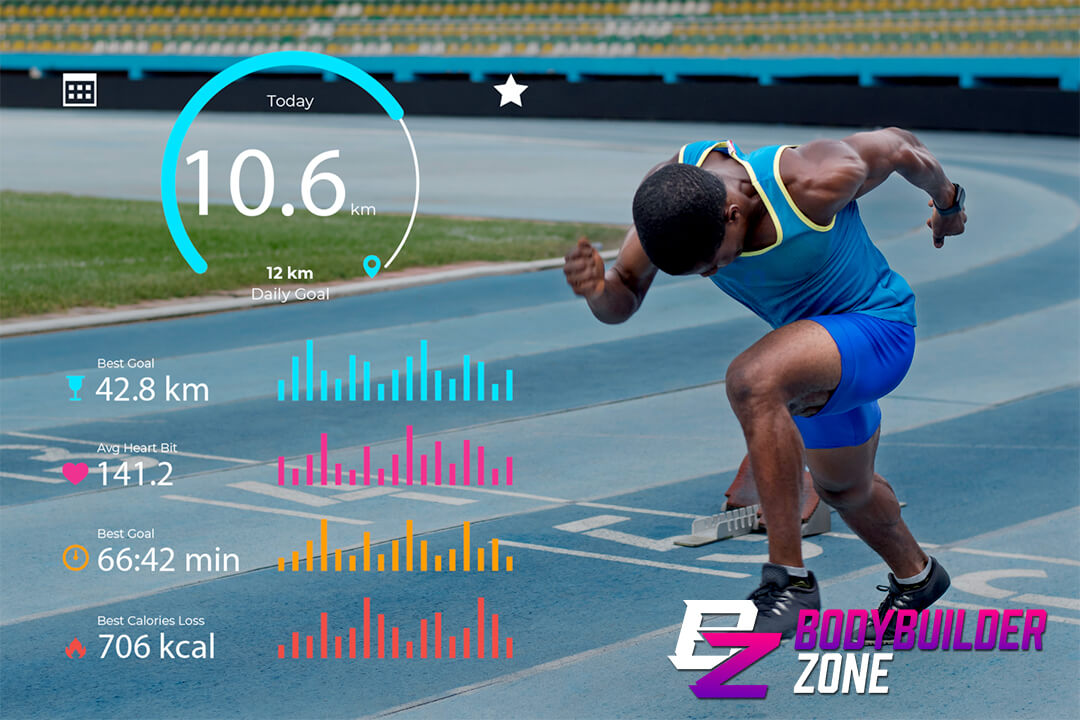
Fitness is now more data-driven, individualized, and accessible than ever thanks to technology. Innovation has accelerated how individuals approach exercise and health, from the first fitness devices to wearables and applications today. Gaining knowledge of this past helps better understand how technology has changed to satisfy the ever changing needs of exercise enthusiasts.
Historical Perspective
The bare minimum of fitness technology was represented by basic devices like heart rate monitors and pedometers. The need for more sophisticated technologies began to increase as people’s interest in health began to expand. Tremendous expansion has been seen over time:
- 1970s and 1980s
Introduction of the first basic electronic gadgets, such as step counters. They later evolved into systems that could determine how many calories a person was burning while using certain exercise equipment. These usually happened at gyms and other exercise facilities where people could mostly keep an eye on their actions.
- 1990s
Exercise equipment, such as elliptical trainers and treadmills, and fitness films started to enter households. As more people began to enjoy working out from home, which required no equipment, this completely changed the way people exercised.
- 2000s
More individualized monitoring was the focus of early fitness trackers, digital pedometers, and heart rate straps. Wearable technology started to gain traction in this age and provide users with a more comprehensive view of their health information.
- From the 2010s until the present
Exercises, steps, and calories became simple for nearly everyone with the use of smartphones, apps, and cutting-edge wearables like smartwatches. AI and machine learning-enabled modern exercise technology provide motivation, real-time feedback, and customized training.
Fitness technology has changed how people exercise and lead better lifestyles all across the world, from basic monitoring tools to the rich digital experiences of today.
Wearable Technology and Fitness Tracking
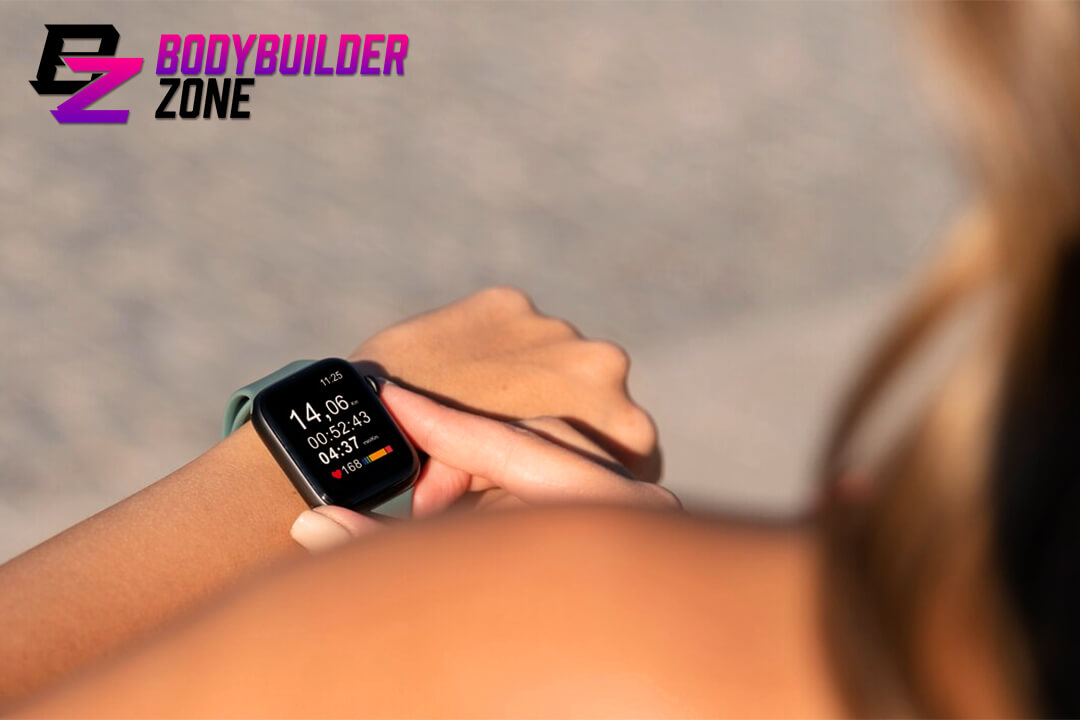
Wearable technology has improved the relatively arduous task of tracking and monitoring one’s health and development, making it both a bridge and a tool for modern exercise. Beginners to top athletes utilize this type of fitness tracking well since these gadgets have made the task so individualized and convenient.
Popular Devices
Wearable fitness trackers differ in terms of operation, design, and features. The capabilities of various brands vary. Here is a comparison of a few of the well-known gadgets that are in use today:
| Device | Key features | Best for |
| Apple Watch | Heart rate monitor, GPS, ECG, sleep tracking. | Comprehensive health insights. |
| Fitbit Charge | Steps, heart rate, sleep stages, calorie tracking. | Everyday fitness and wellness. |
| Garmin Forerunner | GPS, advanced running metrics, and VO2 max tracking. | Runners and outdoor enthusiasts. |
| WHOOP Strap | Sleep, recovery, and strain analysis. | Recovery-focused, high-intensity athletes. |
| Oura Ring | Sleep tracking, readiness score, HRV. | Holistic health and wellness. |
These devices cover a wide range of fitness levels and goals, so users may select the one that best fits their requirements, be it strength training, jogging, or general well-being.
Benefits of Tracking Progress
Fitness trackers provide several benefits for staying on track and improving the objectives that have been established. The main advantages consist of:
- Accountability and motivation
By offering users specific objectives to meet and reasons to celebrate little victories, daily metrics like step counts and caloric expenditures help to maintain user motivation.
- Increased health awareness
A lot of wearables monitor important parameters, such as heart rate and sleep quality, to help users understand how their everyday decisions impact their general health.
- Setting and reaching goals
Fitness trackers let users create attainable and quantifiable goals, which makes it simple to monitor progress over time and identify areas for improvement.
Users can see their progress holistically using wearable technology and tailored monitoring tools, which makes it simpler to commit to and accomplish long-term health objectives.
Online Fitness Platforms and Streaming Workouts
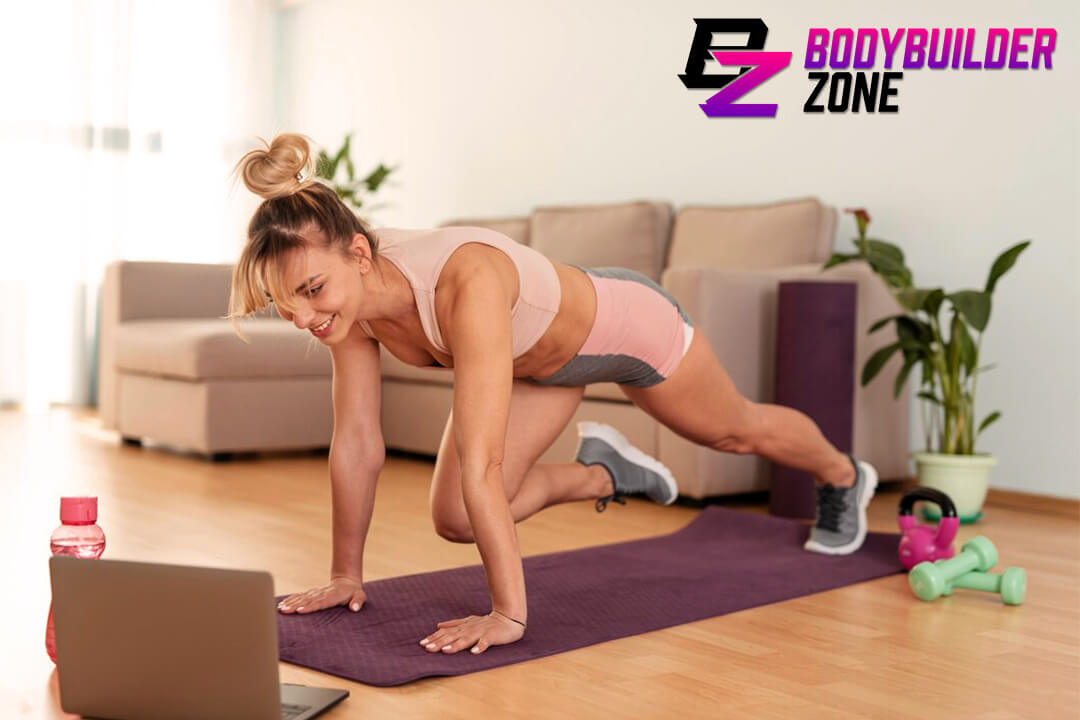
More training options are now available than ever before thanks to online platforms and exercise broadcasting. People may exercise in the convenience of their homes or while on the road thanks to the alternatives’ flexibility and diversity. Users may easily select programs that meet their schedules and goals because online fitness classes are available at all skill levels.
Advantages of Virtual Training
Both new and seasoned athletes can benefit from virtual training in several ways. Examining some of the most significant benefits of virtual training in further detail:
| Advantages | Description |
| Convenience | Access workouts anytime, anywhere, without the need to commute to a gym. |
| Variety | Choose from a wide range of classes, from yoga and pilates to HIIT and strength training. |
| Affordability | Often more affordable than gym memberships, with many platforms offering monthly subscriptions or trials. |
| Personalization | Platforms provide tailored programs based on fitness levels, goals, and available equipment. |
| Community engagement | Virtual groups and live classes allow interaction with trainers and other members, building motivation. |
These platforms are all-encompassing, offering flexibility and options that could suit various lifestyles, assisting users in developing a more regular exercise regimen.
Choosing the Right Platform
If you want an online fitness platform that best meets your demands, you should think about the following:
- Specify your goals
Since most platforms focus on one area or another, are you attempting to reduce body fat, increase your muscle mass, improve your flexibility, or just overall engage in wellness?
- Check for trial periods
The majority of these platforms provide free trials so you may experience the material before making a purchase.
- Evaluate class variety and schedule
To keep your exercises from becoming boring, look for a platform that offers a wide range of sessions and periods.
- Consider trainer expertise
Take advantage of the facilities that guarantee teachers are qualified to offer secure and efficient instruction at all training levels.
A well-rounded exercise program may be readily included in one’s life to improve the road toward health with ease and motivation if the right platform is provided.
The Role of Social Media in Fitness Communities
Social media has developed into a powerful instrument in the fitness industry, opening doors for connections, experience sharing, and mutual motivation. People may engage with a variety of material in communities on Facebook, YouTube, and Instagram, ranging from diet plans and fitness advice to success stories and progress reports.

Building Online Support Networks
Establishing and participating in these support networks is one of the most potent advantages of utilizing social media for health. These kinds of online forums may be a great place to share expertise and find inspiration. To make the most of them, follow these steps:
| Benefits | Description |
| Access to global networks | Connect with people from all over the world who share similar fitness goals and challenges. |
| Shared knowledge | Learn from others’ experiences, tips, and strategies for overcoming obstacles in your fitness journey. |
| Accountability | Share your goals and progress with others to stay accountable and motivated. |
| Inspiration | Follow success stories and transformations to inspire your fitness journey. |
| Support and encouragement | Receive positive feedback, advice, and encouragement during tough times. |
It is simple to establish a sense of belonging in these online groups, which helps people maintain higher levels of motivation, particularly for those who aim to achieve long-term fitness objectives.
Influencer Impact
Influencers in the fitness sector play a crucial role as tastemakers, determining the course of fitness trends, fitness product development, and audience inspiration. They have sizable fan bases that assist people in altering their entire living patterns for the following reasons:
- Product suggestions
The majority of people work with businesses to suggest fitness-related products; they evaluate these items for their audiences.
- Motivation for participation
Influencers share their fitness journeys, which subsequently motivate others to strive for greater success.
- Access to expert knowledge
Influencers frequently share content from fitness professionals, giving people access to expert knowledge.
It will help you remain motivated, pick up new skills, and just make your workout experience better if you know who to follow and interact with and what influencers share.
Conclusion: Embracing Technological Advances
Fitness has been completely transformed by technology on a completely other level. With the growth of social media networks, fitness-focused online platforms, and wearable technology, consumers have more options than ever to monitor their progress and stay motivated. Technology will make individualized training more accessible and efficient, which will make it simpler to handle fitness commitments.
Through the use of online forums, virtual classes, and fitness monitoring, one may embrace technology changes. Also, you should discover the best training, accountability, and connections with others on parallel paths. You will be better equipped to reach your fitness objectives and lead healthier lives as technology advances.















Leave a comment