



Importance of Meal Timing
When it comes to nutrition, whether you’re trying to grow muscle, lose weight, or just boost your energy levels, the time of your meals can be just as crucial as what you consume. Meals that are scheduled correctly assist control of blood sugar levels, which increases energy levels throughout the day and improves performance during exercise.
The body can obtain the proper nutrients at the correct moments if it is fed consistently and symmetrically during exercise. This can therefore encourage the prioritizing of endurance improvement, fatigue reduction, and muscle preservation.
- Performance enhancer
Energy for prolonged muscular activity can be obtained from a pre-exercise meal high in carbs and sufficient in protein. Eating at the right times gives your body strength and endurance, which enables you to function at your peak.
- Improves muscle recovery
By restoring muscle glycogen and stimulating muscle protein synthesis, a well-balanced post-workout meal with carbs and protein can improve muscle recovery. It eases muscle pain and gets your body ready for the next session.
- Controls energy levels
Eating at regular intervals helps avoid sharp fluctuations in blood sugar levels, which can lead to irritation or energy collapses. In exchange, you sustain a constant level of energy that will enhance your physical and mental performance throughout the day.
- Better weight management
Eating meals on schedule helps prevent overeating and regulate appetite. Eating more often lowers cravings and, as a result, the desire to snack on unhealthy foods, which aids in better weight management.
- Optimizes nutrient absorption
It would guarantee that you got the most out of the food you were consuming to get your desired body shape, enhanced performance, or greater health.
Strategic meal timing may significantly improve the results of your training, recuperation, and general health. You do better at meeting your fitness objectives because you learn to be more mindful of when you eat to support your body’s demands for particular activities.
Pre-Workout Nutrition Strategies
One of the most important factors for improving performance and recuperation may be providing the body with the proper nutrition before working on exercise. Pre-workout nourishment will enhance muscle preservation and provide you with the energy you need to go through your exercise.
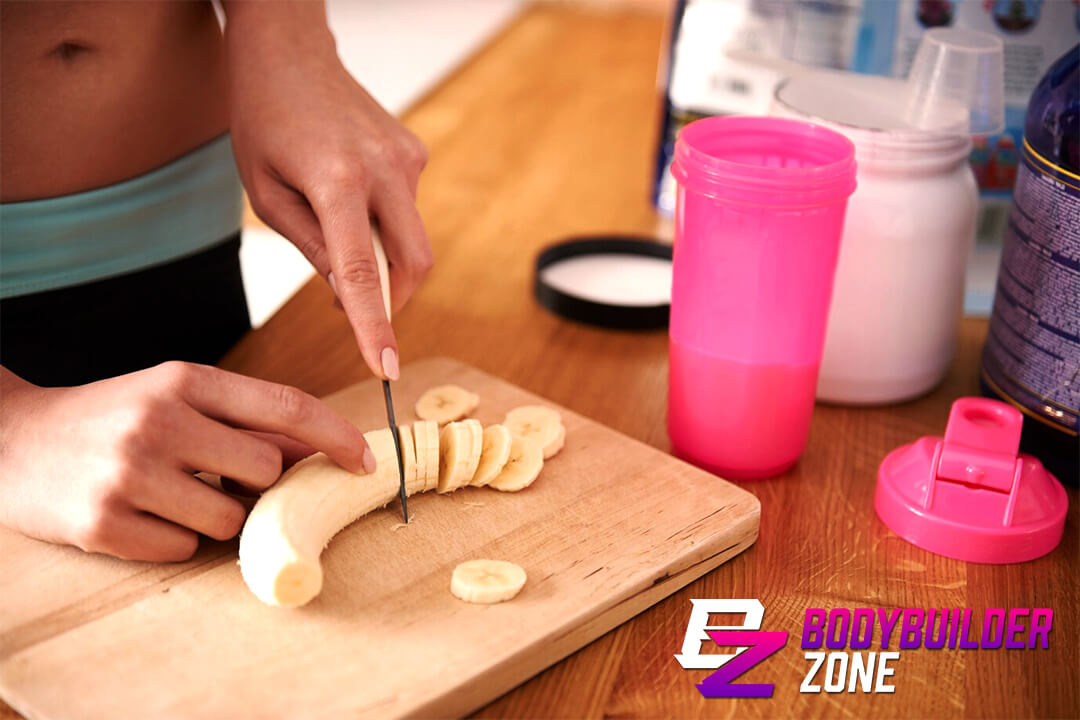
Understanding when and what to eat will have a big impact on how well an exercise goes and how fit you are overall. Let’s look at some important pre-workout dietary factors:
- Timing
A healthy lunch should be consumed one to three hours before the workout. It will allow adequate time for nutritional uptake and digestion. You could have a lighter snack 30–60 minutes before if you are very pressed for time.
- Macronutrient balance
Since protein and carbs are the most important nutrients for boosting your workout and safeguarding your muscles afterwards, a combination of the two will work best for you. Carbohydrates instantly provide you with energy, while protein protects you while you work hard.
- Hydration
Adequate hydration is necessary for optimal performance. Be sure to drink plenty of water before working out, and for longer or more intense exercises, think about using an electrolyte drink or water.
Here is a table with some broad suggestions for various scheduling windows to help you arrange your pre-exercise meals and snacks:
| Timing | Food options | Benefits |
| 1–3 hours before | Whole grain toast with nut butter and banana. | Provides complex carbs and healthy fats for sustained energy. |
| Oatmeal topped with fruit and yoghurt. | Rich in fibre and protein, promoting fullness and energy. | |
| Quinoa salad with veggies and chicken. | Offers a balanced mix of protein and carbs, supporting muscle energy. | |
| 30–60 minutes before | Greek yoghurt with honey and berries. | Quick-digesting carbs and protein, are perfect for an energy boost. |
| Rice cakes with almond butter. | Easily digestible, providing immediate energy without feeling heavy. | |
| Smoothie with spinach, banana, and protein powder. | Nutrient-dense, hydrating, and quick to prepare. |
A well-planned pre-workout diet may have a significant impact on the healing process and performance at work. Eating at the right time, staying hydrated, and maintaining optimal nutrition will all improve workouts and help you get greater results. By experimenting with different pre-workout meals, you may discover what works best for your body and improve your training experience.
Post-Workout Nutrition for Recovery
Nutrition is a crucial part of any fitness regimen after exercise. It is extremely important for supporting the body’s muscle repair, recuperation, and performance improvement. Following a rigorous workout, the body needs to refill lost fluids, convert muscle injury to muscle repair, and replenish fat stores to properly recover and get ready for future training. Fitness progress may be made or broken by knowing exactly what to eat and when:
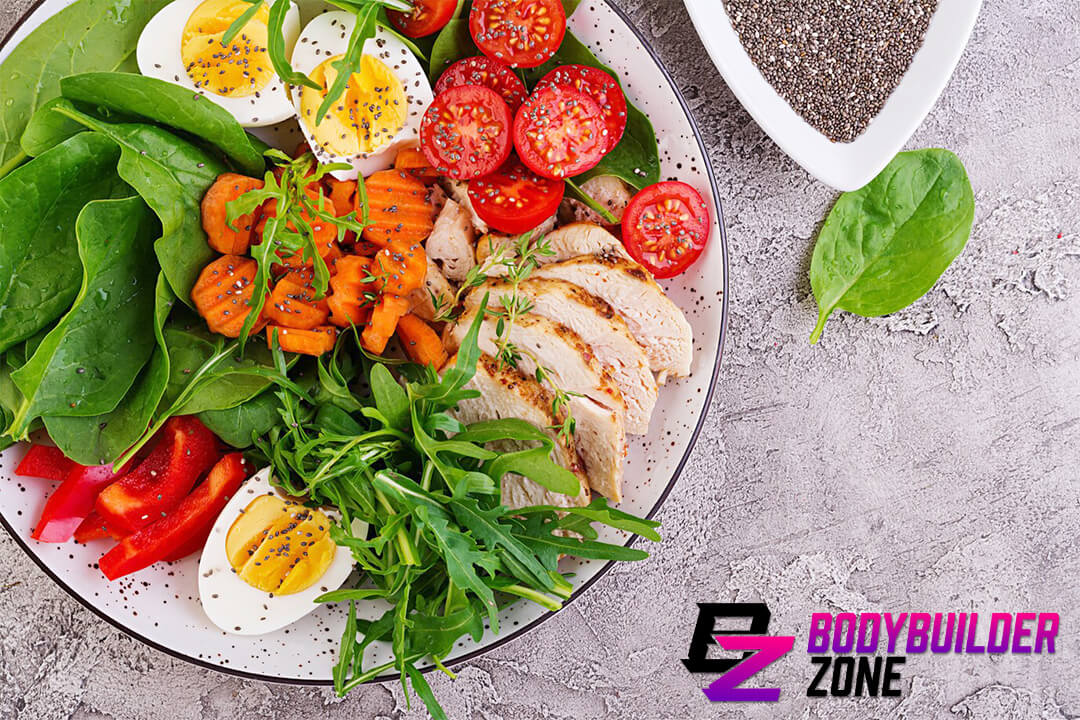
- Timing
You should have this meal or snack no later than 30 to 60 minutes after working out. This helps your body absorb the nutrients during this window very effectively and gets the healing process off to a good start.
- Macronutrient composition
Following exercise, a mix of carbs and protein is essential. While carbs restore the depleted energy stored as glycogen, protein aids in muscle growth and repair.
- Hydration
In case you’ve been dripping and are in desperate need of water after a strenuous workout, staying hydrated is essential. Water is usually sufficient, but after strenuous exercises, adding electrolytes can assist the body regain equilibrium.
The following table offers some meal and snack suggestions that support healthy recovery after exercise as a general rule for post-workout nutrition:
| Timing | Food options | Benefits |
| 1–3 hours after | Protein shake with banana. | A quick source of protein and carbs for immediate recovery. |
| Chocolate milk. | Provides an ideal blend of carbs and protein for muscle repair. | |
| 30–60 minutes after | Grilled chicken with sweet potatoes. | Offers lean protein and complex carbohydrates for sustained energy. |
| Quinoa bowl with black beans and veggies. | A balanced mix of protein, carbs, and fibre for complete recovery. | |
| Greek yoghurt with mixed berries. | High in protein and antioxidants, supporting muscle repair and reducing inflammation. |
Essentially, without a healthy diet after exercise, recuperation is not complete. Setting priorities for what you eat and when will greatly improve your body’s capacity to restore and heal after exercise. You will be well-prepared for the next workout if you consume a healthy mix of carbs and protein and stay hydrated.
Conclusion and Timing Tips
By coordinating healthy eating with exercise, you may enhance overall health and maximize performance and recuperation. Understanding what to eat before and after working out might be crucial to success. Timing your nutrients correctly improves the efficiency of your workouts, reduces weariness, and speeds up recovery. Crucial timing tips for successful nutrition are the following:

- Organize meals around workouts
Plan your snacks and meals to coincide with when you work and exercise. Eat a healthy, well-balanced meal one to three hours before doing exercise to give your body the nutrition it needs. For the best recovery, eat a post-exercise meal or snack within 30 to 60 minutes of finishing your workout.
- Balance macronutrient
You can do it by consuming a mix of healthy fats, protein, and carbs. Proteins are excellent for muscle rehabilitation, carbohydrates provide you with energy while you exercise, and healthy fats are another excellent addition to your diet.
- Stay hydrated
Drink plenty of water before, during, and after each workout to stay hydrated throughout the day. If your workout is likely to be long or severe, you can add electrolytes.
- Pay attention to your body
Observe the effects of various diets and time on recuperation and performance. Since everyone’s dietary demands might vary somewhat, it’s critical to adjust your routine to your body’s signals for optimal outcomes.
You will be able to supplement your workout regimen with a more prolonged effort if you keep simple scheduling suggestions in mind and prioritize a balanced diet. The secret to success is paying attention to nutrition before and after exercise. Regardless of the goal it could be weight reduction, muscle gain, or enhanced athletic performance.













Leave a comment