



A healthy back is an important aspect of the growth process of the body. It is necessary to strengthen it and perform exercises regularly. They should be aimed at working out large back muscle groups. This will help increase strength, straight posture and a beautiful figure. Also, back exercises prevent the appearance of a person’s slouching and hunching. After all, a beautiful posture and a straight back decorate your appearance. We will consider the best back exercises and the correct ways to perform them to avoid mistakes in training.
- Importance of Back Exercises in a Workout Routine
- Benefits for Posture and Stability
- Impact on Overall Strength
- Key Back Exercises
- Deadlifts
- Pull-Ups and Chin-Ups
- Rows (Barbell and Dumbbell)
- Tips for Proper Technique and Safety
- Common Mistakes to Avoid
- Recommended Warm-Up and Cool-Down
- Incorporating Back Exercises into Your Routine
- Balancing with Other Muscle Groups
- Sample Workout Plan
Importance of Back Exercises in a Workout Routine
Back training is an essential part of any comprehensive exercise regimen. Even though the arms and chest get more attention, the back is just as important for total strength and athletic performance as it is for maintaining posture and improving stability.
Benefits for Posture and Stability
Some of the most important positive aspects of back exercises are good posture and stability. Let’s take a closer look at the specific benefits of back exercises:
- Fighting sedentary lifestyles
A lot of individuals spend a lot of time sitting down these days, which frequently results in forward-hunched shoulders and rounded shoulders. Exercise for the back can help offset these adverse effects by strengthening the muscles in the upper and lower back.
- Muscle balance
Concentrating only on the chest may result in misaligned muscles, which can impair posture. Back exercises help to maintain the strength of the muscles that pull, including the rhomboids and traps, which helps to properly align the shoulders and spine.
- Core integration
The back muscles, especially the lats and lower back, are essential for maintaining the core and spine. Robust posterior muscles mitigate the likelihood of injuries, especially lumbar strain, by preserving appropriate alignment during diverse motions.
- Support for daily movements
A strong back stabilizes your body during normal movements, such as lifting, bending, and reaching. It lessens the likelihood of damage and avoids undue strain on the spine, especially while lifting large things or engaging in vigorous activity.
Impact on Overall Strength
In addition to improved posture, back exercises improve the overall health and strength of the athlete. Here’s how this happens if you do a back workout regularly:
- Support in key lifts
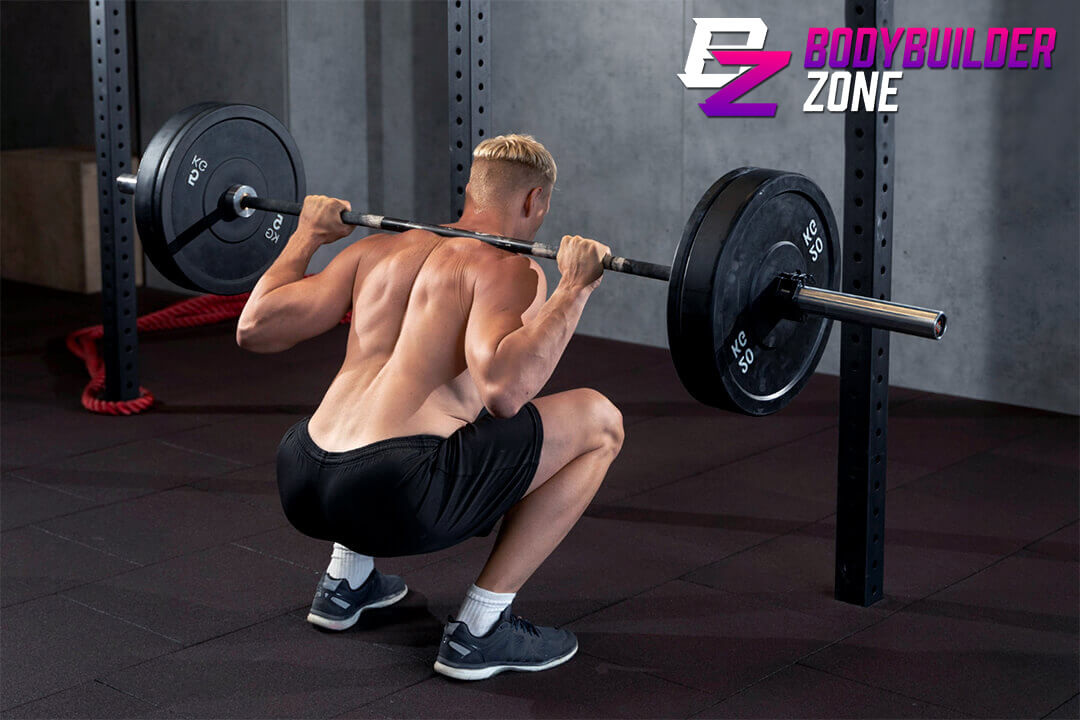
Proper execution of many key strength exercises, such as overhead presses, squats, and deadlifts, depends on a strong and stable back. By stabilizing the body, back muscles enable you to lift greater weights more skillfully and securely.
- Pulling power
Exercises for the back, such as pull-ups, rows, and lat pulldowns, enhance pulling power, which is essential for a well-rounded strength profile. Powerful backs improve grip, pulling mechanics, and general upper body strength, which benefits functional activities and other sports performance.
- Whole-body connection
The posterior chain, which also consists of the calves, hamstrings, and glutes, encompasses the back. The explosive power and athletic motions like jumping, running, and spinning are produced by this chain. A robust back facilitates the effective passage of force throughout the body, enhancing athletic performance.
- Injury prevention
Back exercises can lower the chance of injury from a variety of physical activities, such as weightlifting and sports like tennis and swimming, by strengthening the muscles that support the spine and shoulders.
Exercises for the back not only improve strength and stability but also guarantee improved posture, guard against injury, and build a strong, well-balanced body. Ignoring back exercise can result in imbalances, poor function, and a higher risk of injury.
Key Back Exercises
Exercises that focus on strength and stability while targeting the whole posterior chain are essential components of a well-designed back workout program. The key exercises listed here are crucial for building a robust, useful back.

Deadlifts
The lower back, glutes, and hamstrings are the main muscles used during a deadlift, which is a complex exercise. Deadlifts also work the core, traps, and upper back. These are the principal advantages in terms of benefits:
- Exercises like deadlifts work the entire body and develop strength from head to toe in addition to the back.
- They are crucial for enhancing posture, fortifying the posterior chain, and lowering the risk of lower back pain.
- By making you brace your core during the exercise, you improve spinal stability and lower your risk of injury from other lifts or daily tasks.
Remember to maintain your back in a neutral position the entire time to prevent straining your spine. As you raise the barbell, push through your heels and contract your glutes. To properly activate the upper back, press your shoulder blades together at the top of the lift.
Pull-Ups and Chin-Ups
Pull-ups and chin-ups are bodyweight workouts that primarily target the latissimus dorsi, biceps, and upper back muscles. For stability, these exercises also work the core, shoulders, and traps. Let’s examine each of the primary advantages in greater detail:
- The development of broad, strong lats, which give the back its “V-taper” look, is a great use of both varieties.
- Some of the finest exercises for increasing upper-body pulling strength, grip strength, and performance in other lifts are pull-ups and chin-ups.
- They are essential for general functional fitness because they enhance body control and mobility and replicate real-world pulling actions.
To prevent swinging and to keep your stance steady throughout the exercise, keep your core tight. Additionally, pulling your chest toward the bar is preferable to depending just on momentum, so instead, concentrate on squeezing your lats. Keep your elbows close to your torso when performing chin-ups, and concentrate more on using your upper back than your biceps when performing pull-ups.
Rows (Barbell and Dumbbell)
Exercises that involve rows, such as barbells, dumbbells, and seated cable rows, focus on the muscles of the middle back, namely the rhomboids, traps, and lats. The foundation for adding thickness to the back is the row. The following are the main benefits of rowing exercises:
- Rows give your body depth and thickness and are crucial for building the center portion of your back.
- Better posture is encouraged by rowing exercises, which strengthen the muscles that retract the shoulder blades.
- Rows stimulate multiple parts of the back and avoid muscle imbalances, which makes them a great addition to other pulling exercises like pull-ups.
In terms of form advice, we can tell you that when performing barbell rows, you should maintain your chest up and your back flat to prevent curving your spine. To properly activate your lats when performing dumbbell rows, make sure you pull the weight toward your hip rather than your shoulder.
These exercises, which enhance strength, posture, and functional fitness, serve as the cornerstone of an all-encompassing back training regimen. To guarantee ongoing growth and development, incorporate variances and gradually increase resistance over time.
Tips for Proper Technique and Safety
When doing exercises, it is necessary to observe the correct technique. It is also important to remember about safety so as not to harm your health. It is very easy to pull your back, strain it and suffer for a long time from pain and various problems. The most basic tips for doing exercises correctly are the following:
- To stabilize your spine and relieve strain on your lower back, engage your core muscles.
- To prevent injury, do workouts using calm, deliberate motions, particularly while raising or lowering weights.
- Make sure your hold on the bar or weights is solid but comfortable. A mixed grip may be helpful for more difficult movements, like deadlifts.
- Perform every exercise over its entire range of motion to ensure optimal activation of all engaged muscle groups and to improve flexibility.
- To maintain stability and increase strength production, inhale during the lowering phase and exhale during the raising phase.

By following all the above tips, you will not hurt your back and will perform the exercises correctly. If you experience pain or external changes, immediately contact a vertebrologist or a family doctor.
Common Mistakes to Avoid
Unfortunately, many beginners and even professionals can make mistakes when doing back exercises. The most common and typical are:
- Bending and stretching the back excessively
Injury can result from allowing the lower back to round, particularly while performing deadlifts or barbell rows, which place undue strain on the lumbar spine. Refrain from overextending or bending your lower back, particularly while performing overhead pulling exercises like lat pulldowns.
- Using Momentum
Exercises that involve swinging weights or relying on momentum rather than muscular control are less effective and have a higher risk of injury.
- Excessive weightlifting
Selecting the weight above form might lead to injuries. Always begin light and add weight gradually. This will help you slowly get used to a certain weight and will not stretch your muscles.
Recommended Warm-Up and Cool-Down
The process of warming up before and cooling down after a workout is a very important step. It should never be skipped for several reasons, which we will discuss in more detail below:
- Warm-up
Roll your upper and lower backs for one to two minutes to release stiff muscles. Try a cat-cow stretch next to loosen up your spine by simply cycling between rounding and arching your back. Pulling movements require you to relieve tension in your shoulders, therefore, practice arm circles. After warming up with t-spine rotations, you should rotate your upper body side to side to warm up the thoracic spine. You may also practice modest lat pulldowns or resistance band rows to develop your upper back muscles and lats.
- Cool-down
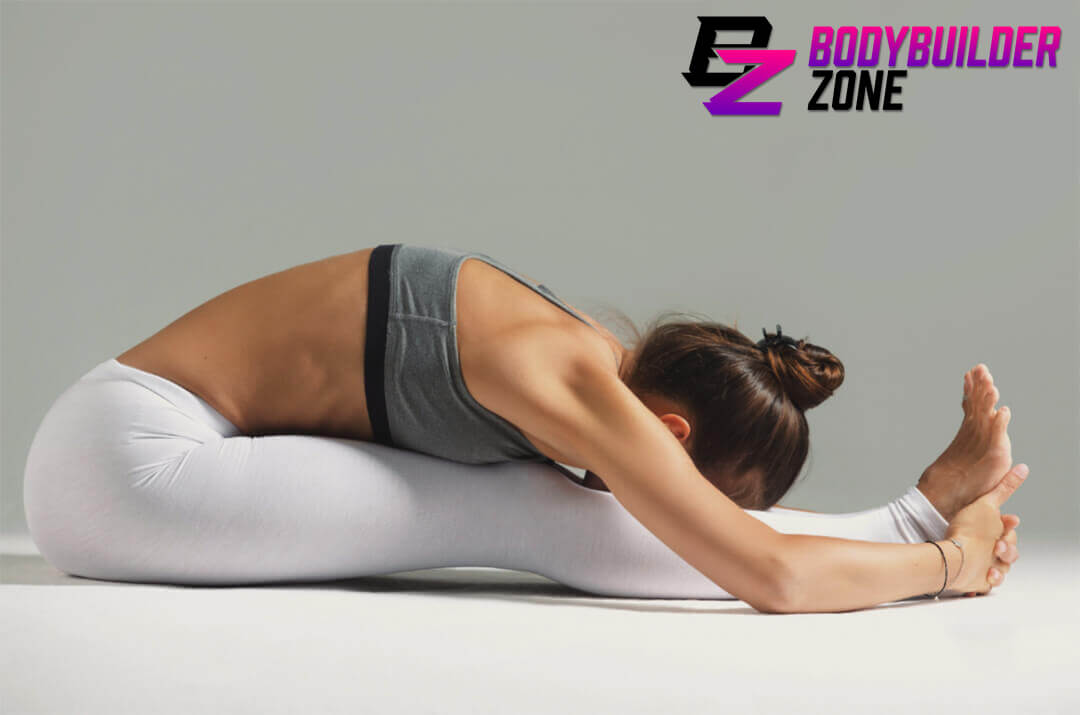
Starting the cool-down with static stretches is an excellent idea. Your lats and lower back may be stretched by reclining on your heels and stretching your arms forward. Next, kneel in front of a bench, place your arms on it, and lean back to stretch your legs and upper back. To further stretch your lower back, sit with your legs outstretched and reach for your toes. Lastly, you should inhale deeply a few times. Take deep, diaphragmatic breaths to promote healing and soothe the nervous system.
If you follow both of these rituals before and after your workout, you will always feel much better. Your muscles will be prepared for physical activity at the beginning. After the workout, the cooling process will remove excess fatigue and tension in the tissues.
Incorporating Back Exercises into Your Routine
Integrating back exercises into your workout routine is essential for a well-rounded fitness program. Here’s how to effectively incorporate these exercises while ensuring balance and effectiveness in your overall training plan.
Balancing with Other Muscle Groups
In addition to doing exercises only for the back muscles, you can also use other muscle groups. The best combinations in this case will be:
- Mix with the shoulders and chest
Training the back and chest on different days or during the same session might be advantageous because they are antagonistic muscle groups. This lowers the possibility of muscular imbalances and guarantees balanced growth.
- Pair with legs
Incorporate back workouts into your leg-focused days to ensure your upper body has enough recuperation time. A leg day can be followed by a back day, for instance, to make sure both muscle areas get the proper attention.
- Include essential work
When performing back workouts, the core is essential for maintaining the spine’s stability. Include core exercises to support your back workouts and improve general core strength, such as leg lifts or planks, on the same day or other days.
- Give yourself time to relax and heal
Make sure you take days off in between hardback workouts so your muscles can grow and heal. Excessive back exercise can cause damage and impede advancement.
Sample Workout Plan
Here is a workout plan for one workout that will work your back muscles well. This is an example of exercises with warming up and cooling down to minimize the risk of injury.
| Exercise | Sets | Reps | Notes |
| Warm-up: foam rolling, dynamic stretches, light resistance work | 1 | – | You can start each workout with 1 or 2 of these warm-up methods. |
| Deadlifts | 4 | 6–8 | Focus on form and control. |
| Pull-ups | 3 | 8–12 | Use assistance if needed. |
| Bent-over rows | 4 | 8–10 | Keep back flat. |
| Lat pulldowns | 3 | 10–12 | Full range of motion. |
| Single-arm dumbbell rows | 3 | 10–12 | Focus on each side. |
| Face pulls | 3 | 10–12 | Squeeze shoulder blades. |
| Back extensions | 3 | 15 | Use bodyweight or light weight. |
| Cool-down: static stretches, foam rolling, deep breathing | 1 | – | Choose the cooling method you like best and finish your workout with it. |
The lats, traps, rhomboids, and lower back muscles are among the key regions of the back that are targeted by this program. Adapt the weights and repetitions to your desired level of fitness and your objectives.













Leave a comment