



Any training program must include recovery, and using recovery vitamins will make it much more effective. The body begins the process of rebuilding and repairing itself right after intense activity to replenish energy reserves, correct structural damage, and prime muscles for more effort. Supplements for recuperation come into play here. They facilitate quicker muscle regeneration, lessen discomfort, and restore essential nutrients lost throughout your workout by boosting this natural period of recuperation.
Proteins, amino acids, and micronutrients are examples of recovery supplements that can help enhance and expedite the body’s various healing processes. When paired with proper diet, hydration, and rest, these can help athletes improve their performance, minimize recovery time between sessions, and maintain their training schedules. To fully benefit from healing vitamins, you must understand how to include them in your regimen.
- Importance of Recovery Supplements
- Accelerating Muscle Repair
- Reducing Exercise-Induced Fatigue
- Types of Recovery Supplements
- Protein Powders
- Amino Acids
- Choosing Effective Recovery Supplements
- Evaluating Ingredients
- Determining the Right Dosage
- Integrating Recovery Supplements into Your Routine
- Timing and Frequency
- Combining with Recovery Strategies
Importance of Recovery Supplements
Supplements for recovery are crucial for accelerating the body’s normal healing processes following exercise. They guarantee that the athlete is ready to go into the following session with less stiffness in their muscles and that glycogen levels are replenished.
Accelerating Muscle Repair
An essential component of both muscle growth and overall strength development is post-workout muscle regeneration. Among these supplements are:
- Protein powders. Offer the necessary amino acids needed to repair muscle tissue.
- Branched-chain amino acids (BCAAs). Facilitates muscle repair and regeneration.
- Collagen. Aids in muscle healing and the maintenance of healthy tendons and joints.
Taking supplements after training will assist the athlete in making sure his muscles receive the necessary nutrients in the best possible way for recovery and development.
Reducing Exercise-Induced Fatigue
Exercise-induced fatigue can make it difficult for an athlete to train consistently. Athletes can overcome this issue with the use of recovery supplements:
- Electrolyte replenishment. Lessens cramping in the muscles and hydrates the body.
- Antioxidants. Mitigate oxidative stress, a contributing factor to muscle exhaustion.
- Magnesium. Helps muscles relax and lessens discomfort after exercise.
By taking these supplements, the athletes would be able to recover faster from even the most strenuous session, feel less exhausted afterwards, and be more energized and less sore going into the next one.

Types of Recovery Supplements
Recovery vitamins come in a variety of forms and sizes, each with a unique function for post-workout recuperation. Some aid to build or repairing muscles, while others serve to restore lost nutrients and ease discomfort in the muscles. Which to select will depend on your own fitness objectives, training intensity, and unique demands. Gaining the most from each one can improve performance and recuperation.
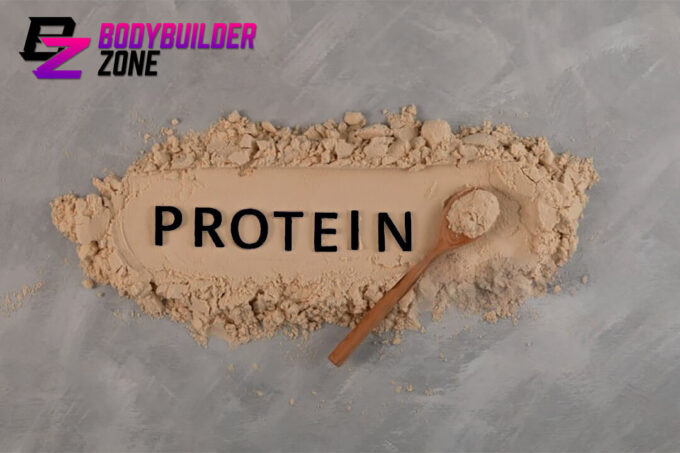
Protein Powders
This is because, given that they provide the necessary building blocks for both muscle development and repair, recovery supplements are among the most popular proteins. In the aftermath of any strenuous exercise, the body needs protein to initiate hypertrophy and heal microtears in muscle fibres. These are the main types of protein powders for athletes:
- Whey protein
Since whey digests quickly, it is the greatest protein to ingest after an exercise to promote muscle repair activity.
- Casein protein
Generally taken before bed to enhance muscle recovery after an exercise and to support recovery during sleep, casein protein takes longer to digest.
- Plant-based proteins
Pea and rice protein are excellent choices for individuals with dietary constraints since they provide the entire amino acid profile required for recuperation.
Taking protein powders right after working out can help maximize muscle synthesis and repair by giving the body what it needs within the optimal recovery window.
Amino Acids
Since they are the building blocks of proteins, amino acids are crucial for the repair of muscles. Some amino acids, such as branch-chain amino acids (BCAAs), aid in easing muscular discomfort and accelerating the healing process. Let’s examine in more detail all types of amino acids:
- Leucine, Isoleucine, and Valine or BCAAs
These are three amino acids that support improved protein synthesis, decreased muscle soreness, and improved recovery.
- Glutamine
After a strenuous exercise session, your immune system is frequently compromised. Glutamine strengthens your muscles and aids in their recovery.
- Essential amino acids or EAAs
All the amino acids the body needs to heal but is unable to manufacture on its own; as a result, has to be obtained from food or supplements.

Even during this brief period, taking an amino acid supplement will significantly slow down the breakdown of muscle tissue and hasten the healing process. This will guarantee that your muscles receive the nourishment they require to mend themselves.
Choosing Effective Recovery Supplements
The key to achieving your ultimate fitness objectives is precise planning and using recovery supplements to optimize your nutrition after a workout. With so many products on the market, knowing which chemicals to search for and how to calculate dose is the first step toward mastery. By matching high-quality supplements to your specific requirements and level of exercise, you may enhance muscle regeneration, minimize discomfort, and recuperate from workouts much faster.
Evaluating Ingredients
Selecting recovery supplements requires careful consideration of the components listed on the label. Any successful supplement’s foundation is its component profile, which lets you know that you’re getting all the nutrients your body needs for muscle growth and repair.
- Protein content. Plant-based proteins, whey, or casein are all excellent choices. All necessary amino acids are present in complete proteins.
- Amino acids. The product should have all of the essential amino acids, with a focus on BCAAs (leucine, isoleucine, and valine), which are crucial for muscle repair, and glutamine, which supports the immune system and aids in muscle regeneration.
- Carbs. A combination of quickly digested carbs can aid in the replenishment of energy stores and the rebuilding of glycogen levels following an endurance or high-intensity activity.
- Anti-inflammatory components. To help lessen inflammation and discomfort in the muscles, several recovery supplements contain components like sour cherry extract, omega-3 fatty acids, or turmeric.
- Electrolytes. Particularly after cardio-based activities, these supplements can help replenish lost electrolytes, such as magnesium, potassium, and salt. They will also prevent cramping and aid in the body’s healing process.
Make sure you’re getting the most out of your recovery supplements by paying close attention to component quality and avoiding superfluous additives like artificial sweeteners or fillers.
Determining the Right Dosage
To get the most out of recovery supplements without overdoing them on the body, it will be crucial to figure out the ideal dose. Various supplements have different doses depending on the person’s body weight, level of exercise, and overall objectives.
| Supplement | Recommended dosage | Timing |
| Whey protein | 20–30 grams per serving. | Post-workout, within 30 minutes. |
| Casein protein | 20–40 grams, often taken before bed. | Pre-sleep, for overnight recovery. |
| BCAAs | 5–10 grams per serving. | During or post-workout. |
| Glutamine | 5–10 grams per serving. | Post-workout or with meals. |
| Carbohydrates | 30–60 grams, depending on workout intensity. | Immediately post-workout. |
| Electrolytes | Varies based on sweat loss (consult label). | During and after intense exercise. |
Since these doses are only suggestions, you are free to adjust them to meet your specific needs and meet your training objectives. For better outcomes, you may also work with a nutritionist or a fitness specialist to optimize your intake.
Integrating Recovery Supplements into Your Routine
Supplements for recovery undoubtedly aid in enhancing muscle regeneration, lowering tiredness, and expediting recovery in general. The smart timing and dosage of recovery supplements can give your body exactly what it needs to recuperate and be ready for the next workout. As a result, these supplements must be used as needed and in conjunction with other rest, hydration, and dietary regimens for recovery.

Timing and Frequency
In terms of recovery supplements, timing and frequency are crucial. Optimizing recovery and muscle protein synthesis can be achieved by taking the appropriate supplements at the appropriate times. The recommended time for typical recovery supplements is shown in the table below:
| Supplement | Optimal timing | Frequency |
| Whey protein | Post-workout (within 30 minutes). | 1–2 times per day, depending on protein needs. |
| Casein protein | Before bed for overnight recovery. | 1 time per day (typically in the evening). |
| BCAAs | Pre-, during, or post-workout. | 1–2 times per day. |
| Glutamine | Post-workout or with meals. | 1–3 times per day. |
| Carbohydrates | Immediately post-workout for glycogen replenishment. | After high-intensity or endurance sessions. |
| Electrolytes | During or after exercise. | As needed, depending on sweat loss. |
You can make sure that your muscles get the nutrition they require for effective recovery by modifying your intake frequency following the intensity and length of your workouts.
Combining with Recovery Strategies
Supplements for recovery function best when paired with comprehensive recovery techniques that take into account all facets of muscle healing and general well-being. The following crucial techniques, which have been incorporated into your supplements, can aid in maximizing your recuperation:
- Sufficient sleep
For optimal health and muscle repair, 7–9 hours of good sleep each night are essential. A slow-release supply of amino acids is provided by casein protein, which should be consumed before bed to facilitate nightly muscle regeneration.
- Mobility work and stretching
Moreover, yoga and stretching promote muscular relaxation, increase flexibility, and lessen the risk of injury. Supplementing with amino acids also improves muscle healing.
- Hydration
Water is essential to the function and recuperation of muscles. To keep your body properly hydrated during recovery, electrolyte supplements assist your body in regaining its fluids after significant sweat.
- Appropriate nutrition
The cornerstone of your recuperation diet plan should be whole meals that are high in protein, good fats, and carbs.
- Active recovery
Walking, swimming, and cycling are examples of low-intensity exercises that improve blood flow to the muscles and hasten the healing process. When combined with glutamine or BCAA supplements, active recovery reduces tiredness and soreness in the muscles.
Combining these post-exercise recovery techniques with supplements will enhance your performance and better position you for future training.















Leave a comment