


- Understanding Stomach Fat and Its Types
- Subcutaneous Fat vs. Visceral Fat: What’s the Difference?
- Why Excess Belly Fat Can Be Harmful to Your Health
- Nutrition Strategies to Lose Stomach Fat
- The Role of a Calorie Deficit: Eating Less Without Starving
- Best Foods to Eat for Fat Loss:
- Foods to Avoid: Sugary Drinks, Processed Foods, and Refined Carbs
- Importance of Portion Control and Meal Timing
- Effective Exercises to Burn Stomach Fat
- Cardio Workouts:
- Strength Training:
- Core-Focused Exercises:
- Combining Cardio and Strength for Maximum Results
- Lifestyle Changes to Support Fat Loss
- The Role of Sleep: Why 7–8 Hours Are Crucial
- Reducing Stress: How High Cortisol Leads to Belly Fat Gain
- Staying Hydrated: Water as a Tool for Better Metabolism
- Common Myths About Losing Stomach Fat
- “You Can Target Fat Loss in One Spot”: Why Spot Reduction Doesn’t Work
- Crunches Alone Won’t Give You a Flat Stomach
- A Sample Plan to Help You Lose Belly Fat
- Day 1–3: Start with Light Cardio and Balanced Meals
- Day 4–7: Incorporate Strength Workouts and Focus on Protein
- Weekly Progress Tracking and Adjustments
- How Long Does It Take to Lose Stomach Fat?
- Setting Realistic Expectations for Healthy Weight Loss
- Signs of Progress Beyond the Scale
Understanding Stomach Fat and Its Types
Are you struggling with belly fat? Taking on the problem of stomach fat effectively begins with understanding the different forms of fat. In terms of your health, belly fat is more important than your appearance. This article will discuss the two primary forms of stomach fat and the importance of controlling them.
Subcutaneous Fat vs. Visceral Fat: What’s the Difference?
You may pursue your fitness objectives with a more positive outlook if you are aware of the two types of belly fat:
- Subcutaneous fat
Just under your skin is this squishy, pinchable fat. It is less detrimental to health but more obvious. Subcutaneous fat stores energy and acts as an insulator.
- Visceral fat
This fat is extremely harmful because it envelops your inside organs. Visceral fat, as opposed to subcutaneous fat, can increase the risks. Diabetes, hypertension and other heart diseases may develop as a result.
Your health and view over time will be protected with dietary changes and workouts aimed at reducing visceral fat.
Why Excess Belly Fat Can Be Harmful to Your Health
A flabby midsection not only has an effect on how your clothes fit but may also have an overall effect on health. Here’s why reducing belly fat is vital:
- Higher levels of visceral fat are linked to higher risks of heart disease, type 2 diabetes, and stroke.
- A layer of body fat around the abdomen can disrupt hormones affecting stress, metabolism, and so on.
- Inflammation brought on by too much body fat could cause health conditions later on.
Maintaining your fitness, eating well, and being health-conscious will help you lower these risks and allow your body to function at its peak.
Nutrition Strategies to Lose Stomach Fat
Exercise is an important component, but your diet may make or break your success. Let’s take a look at establishing a calorie deficit and what dishes will help in weight loss.
The Role of a Calorie Deficit: Eating Less Without Starving
A caloric deficit occurs when calorie consumption falls short of what is being burned by the body. It engages the body into using stored fat as a source of energy balance. This is how to achieve one successfully:
- Focus on nutrient-dense foods
Aim for fewer calories as opposed to what you are eating. Think about lean proteins and vegetables.
- Control of portion size
Consume those high-calorie items in lesser amounts while still getting your fill mostly from fats and carbohydrates.
- Steer clear of crash diets
Avoid starvation because severe calorie deficiencies lead you to lose muscle mass and slow down your metabolism.
Maintaining a little deficit over time can guarantee long-term success without making you feel deprived. You may avoid the yo-yo impact of fad diets and maintain your energy levels with a more balanced approach.
Best Foods to Eat for Fat Loss:
Making the correct meal choices is essential to fat loss. Some of the finest meals for fat reduction that don’t make you feel exhausted are listed below:
- High-Protein Foods: Chicken, Fish, Eggs, and Legumes
The cornerstone of fat-loss diets is protein, which maintains muscle mass, speeds up metabolism, and prolongs feelings of fullness.
- Chicken is an excellent source of high-quality protein.
- Fat-burning omega-3 fatty acids along with protein are present in fish like salmon and tuna.
- Eggs are a brilliant addition to every meal due to their high protein and good fat content.
- Chickpeas, lentils, and beans are easy to incorporate into a plant-based diet and are excellent providers of fiber and protein.
By including these items in your meals, you may maintain your muscle mass and reduce fat while being full.
- Fiber-Rich Options: Leafy Greens, Oats, and Berries
Foods high in fiber are essential for fat reduction. It keeps you full, makes you feel less bloated, and improves digestion.
- Green leafy vegetables like lettuce, kale, and spinach are among the healthiest, lowest-calorie vegetables.
- Oats are high in fiber, making a filling breakfast option that helps stabilize blood sugar levels.
- Blueberries, raspberries, and strawberries, which are low in sugar and high in antioxidants and fiber content.
If you can keep level with these foods, you can eat less and maintain energy throughout the day.
- Healthy Fats: Avocados, Nuts, and Olive Oil
Healthy fats are vital for fat loss because they affect satiety and promote good health.
- Avocados, loaded with monounsaturated fats, reduce cravings and promote a healthy heart.
- For instance, some snacks, such as pistachios, walnuts, and almonds, are high in energy and contain a variety of nutrients.
- A feature in fat-loss plans, olive oil is high in healthy fats, enhancing metabolic health while also adding flavor.
Such healthy fats can maintain your weight reduction goals and balance your meals.
Foods to Avoid: Sugary Drinks, Processed Foods, and Refined Carbs
Even if you eat healthily most of the time, some meals can help you lose weight. The following are things to avoid:
| Food category | Examples | Why to avoid it? |
| Sugary drinks | Soda, energy drinks and fruit juices. | High in empty calories and sugar, causing blood sugar spikes and weight gain. |
| Processed foods | Chips, frozen meals and fast food. | Loaded with unhealthy fats, added sugars, and preservatives. |
| Refined carbs | White bread and pastries, sugary cereals. | Low in nutrients and fiber, leading to rapid hunger and fat storage. |
To stay on track with your fat-loss objectives, just avoid these items and substitute them with complete, nutrient-dense ones.
Importance of Portion Control and Meal Timing
To avoid overeating, use small plates, measure your portions, and pay attention to your body’s cues when it’s full. Consume a well-balanced meal every 3 to 4 hours to boost all-day fat burning, control cravings, and keep energy levels steady.
Effective Exercises to Burn Stomach Fat
To get results, you need a mix of exercises that burn calories, build muscle, and improve your core. Here we will provide a rundown of the best exercises to boost fitness as well as help you burn belly fat.

Cardio Workouts:
Another excellent way of burning body fat, particularly belly fat, is cardiovascular exercise. Keeping the heart rate elevated induces a state of calorie deficit.
- Running, Cycling, and Swimming for Fat Burning
These aerobic activities are excellent for lowering belly fat:
- Running
An intense workout that quickly increases your cardiovascular fitness and burns calories. Run intervals that successfully combine jogging and sprinting.
- Riding a bicycle
A low-impact workout that tones your lower body and burns fat. You can ride a stationary bike in any weather.
- Swimming
A water workout that burns a lot of calories while being gentle on your joints. For variation, try water aerobics or swimming laps.
Incorporating these activities into one’s program adds excitement and effectiveness to training.
Strength Training:
Anyone willing to maintain weight reduction and attain a leaner shape must put in some resistance workout training. Resistance training increases metabolism, thereby burning more calories even in the state of rest, and builds more lean muscle.
- Full-Body Workouts to Boost Metabolism and Muscle Growth
Effective compound workouts include squats, deadlifts, and bench presses. In a week, one should have a minimum of 2 days of full-body resistance training, as long as one consistently aims for progressive overload.
Core-Focused Exercises:
Core training is particularly useful for providing stability while exercising, good posture, and supporting other workouts. Also, core exercises enormously improve strength training and cardio.
- Planks, Russian Twists, and Mountain Climbers for Toning
Use these fantastic exercises to help define and strengthen your core:
- Planks
Engage the entire core to boost endurance and stability.
- Russian twists
For improved definition and rotational strength, use Russian twists.
- Mountain climbers
These are a great way to burn fat since they use your core and cardio.
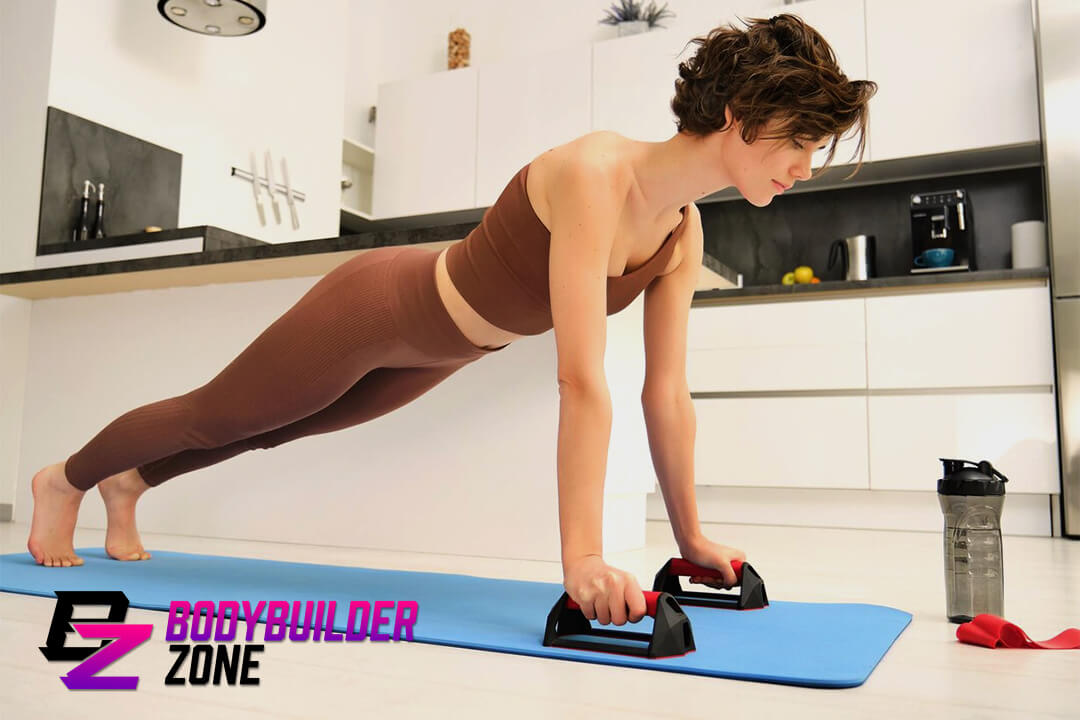
Prepare to watch your core improve by performing each exercise 3 times, adjusting the intensity to your current level of fitness.
Combining Cardio and Strength for Maximum Results
The best fat-burning and muscle-saving results will come from mixing strength and aerobic exercises.
| Day | Workout | Focus |
| Monday | 30 minutes running + full-body strength workout | Fat burn + muscle building |
| Tuesday | Strength training (lower body) + planks | Muscle growth + core strengthening |
| Wednesday | Rest or active recovery (light yoga or walking) | Recovery |
| Thursday | Swimming (laps) + mountain climbers | Cardio + core toning |
| Friday | HIIT cycling + Russian twists | Intensity and calorie burn |
| Saturday | Full-body strength workout | Muscle growth |
| Sunday | Long hikes or brisk walking | Active recovery + calorie burn |
This balanced approach prepares for steady progress in fat loss without compromising strength and energy.
Lifestyle Changes to Support Fat Loss
It covers everything, from managing stress and staying hydrated to getting adequate sleep – all of the little everyday routines that add up to a significant impact. These adjustments will improve general health and vitality in addition to weight loss.
The Role of Sleep: Why 7–8 Hours Are Crucial
Sleeping well is more crucial for fat reduction than you may imagine. Your goal to lose weight may be much more difficult if you don’t get enough sleep.
- Hormone balance controls hunger hormones like leptin, which suppresses hunger, and ghrelin, which stimulates appetite.
- Muscle recovery after working out is a significant factor in muscle regeneration.
- Improved focus helps in making better food choice and being mindful of activities.
- Less cravings because appetite regulation will not lead to binge eating.
Sleep is a fat-loss driver. You should aim for 7 to 8 hours of sleep at night to stay energized throughout the day.
Reducing Stress: How High Cortisol Leads to Belly Fat Gain
Prolonged stress increases cortisol levels and may promote the accumulation of body fat, especially in the abdominal region. Practice yoga, deep breathing, or meditation. Exercise can improve mood and reduce cortisol levels. Adequate sleep also helps lower cortisol levels.
Staying Hydrated: Water as a Tool for Better Metabolism
Dehydration is often neglected while fat loss. Here’s why you ought to stay hydrated:
- Increased calorie-burning rate throughout your day.
- Drinking water before meals helps slow down portion control.
- Flushes out toxins and excess salt.
- Keeps your mind sharp and your attention focused.
- Regular bowel movements are aided by a good gut.

Drink plenty of water to aid with fat reduction. To cut down on unnecessary calories, go to water instead of sugary drinks.
Common Myths About Losing Stomach Fat
There are many myths and misunderstandings around stomach fat loss. These can impede one’s growth and cause frustration if they are believed.
“You Can Target Fat Loss in One Spot”: Why Spot Reduction Doesn’t Work
Crunches will strengthen your core, but they won’t help you lose belly fat. A calorie deficit is the only factor that determines consistent fat loss. Strength training, aerobic exercise, and a healthy diet should be prioritized.
Crunches Alone Won’t Give You a Flat Stomach
Crunches are a cool way to strengthen your abs, but they won’t be enough to burn off the fat that covers them. Combine your core workouts with a comprehensive training program. It should include compound movements and activities that burn fat, like cycling and jogging.
A Sample Plan to Help You Lose Belly Fat
Smart eating, regular exercise, and some adjustments will help one lose abdominal fat. With this sample plan, you can get started and stay on track.
Day 1–3: Start with Light Cardio and Balanced Meals
Begin an aerobic exercise regimen: walk or bike 20-30 minutes daily. Balanced meals with whole foods along with lean proteins, complex carbs, and healthy fats to raise the metabolic rate.
Day 4–7: Incorporate Strength Workouts and Focus on Protein
Allow for strength-training exercises like push-ups, lunges, and squats. Weightlifting 2-3 times per week and muscle-building exercises will keep the body’s metabolism steady. Foods like fish, chicken, eggs, and lentils can be eaten in larger quantities to aid in fat-burning and muscle recovery.
Weekly Progress Tracking and Adjustments
At the close of each week, monitor your improvement by measuring changes in energy, your measurements, or how your clothes fit. To keep yourself honest, increase workout intensity or change portion sizes as needed.
Small changes plus consistency add up to huge long-term rewards. This sample diet is quite comprehensive on the subject of belly fat reduction.
How Long Does It Take to Lose Stomach Fat?
The process of losing abdominal fat takes time. It will take a lot of perseverance and dedication to the objectives to accomplish this. Each person’s time cycle for fat loss is unique. Being aware of what to anticipate can help you stay motivated.
Setting Realistic Expectations for Healthy Weight Loss
Setting attainable and reasonable goals is crucial while attempting to reduce stomach fat. It may seem like a good idea to lose weight quickly, but in reality, you can lose 1–2 pounds each week.
- Aim for gradual progress
A weekly weight loss of 1-2 pounds is seen as sustainable and healthy.
- Create a calorie deficit
Avoid drastic dieting by consuming fewer calories than you expend.
- Be patient
It takes time to lose fat, particularly in troublesome places like the belly.
- Focus on long-term habits
The most important thing is that a change, like consistent exercise or a healthy diet, be long-lasting and durable.
- Track progress over time
Instead of expecting results right away, track little gains in your power, vitality, and body composition.
Be patient with yourself by making small, reasonable goals. Healthy weight loss requires committing for the long haul, and results will last if you focus on making small, consistent changes.
Signs of Progress Beyond the Scale
Using the scales to keep track of weight loss is commonly accepted, but it is far from a full-glass view. Other indicators that demonstrate gains in your general fitness and health might be used to track your progress.
- You can work out for longer periods or lift larger weights.
- You feel more refreshed and have better sleep.
- Clothing may begin to fit less snugly, particularly in the stomach region.
- Regular exercise and a balanced diet improve mental wellness.
Aside from the scale, note any alterations. These will support you on your fat loss journey and are significant indicators of improved health.










Leave a comment