


Exercise regimens tailored for women take into account the unique hormonal and physiological variables that impact them. Usually, they have various objectives, such as endurance, strength development, or toning, which call for specialized methods. These programs focus on strengthening joint health and increasing cardiovascular endurance. Also, they focus on enhancing muscle definition while accounting for changes in hormone levels that may lead to different energy levels and different recuperation requirements. Personal training programs assist women in reaching their objectives more quickly by tailoring the exercise to each person’s unique fitness demands and natural cycles.
- Unique Considerations for Women’s Fitness
- Hormonal Influences on Training
- Specific Goals and Needs
- Sample Workout Programs for Women
- Full-Body Workouts
- Targeted Programs for Strength and Toning
- Tips for Women’s Fitness
- Balancing Cardio and Strength Training
- Importance of Flexibility and Mobility
- Tracking Progress and Making Adjustments
- Monitoring Results
- Modifying the Program for Better Results
Unique Considerations for Women’s Fitness
The majority of women’s fitness regimens are created with consideration for hormonal fluctuations, female physiology-related body composition, and strength. Special factors that make it possible to maximize training for improved outcomes and injury avoidance.
Hormonal Influences on Training
A woman’s vitality, strength, and ability to heal are greatly impacted by hormonal changes, particularly those related to the menstrual cycle. Women’s physical performance varies depending on certain parts of the cycle, which might be useful during training:
- Follicular phase
Estrogen levels rise in the initial part of the menstrual cycle. Better results and more energy during strength and endurance training are guaranteed by this.
- Ovulation
Strength peaks in the middle of the cycle, which is typically the ideal period for intense exercise or breaking personal records.
- Luteal phase
Because energy levels tend to be lower and the likelihood of weariness is higher during this part of your cycle, the majority of recoveries should concentrate on mobility or less intense exercise.
Women who are aware of these hormonal fluctuations can schedule their training to coincide with the menstrual cycle, allowing for relaxation periods during the lower energy stages and maximizing efficiency during the high energy phases.
Specific Goals and Needs
Every type of exercise program should take the demands and goals of the person into account. Programs should be modified according to their goals, whether it is endurance, strength, or even weight loss:
- Strengthening. To accomplish this, the program should primarily focus on compound exercises like push presses, deadlifts, and squats.
- Weight loss. Combining weight training with cardio—high-intensity interval training or steady-state running—will result in the best fat-burning during a weight loss program.
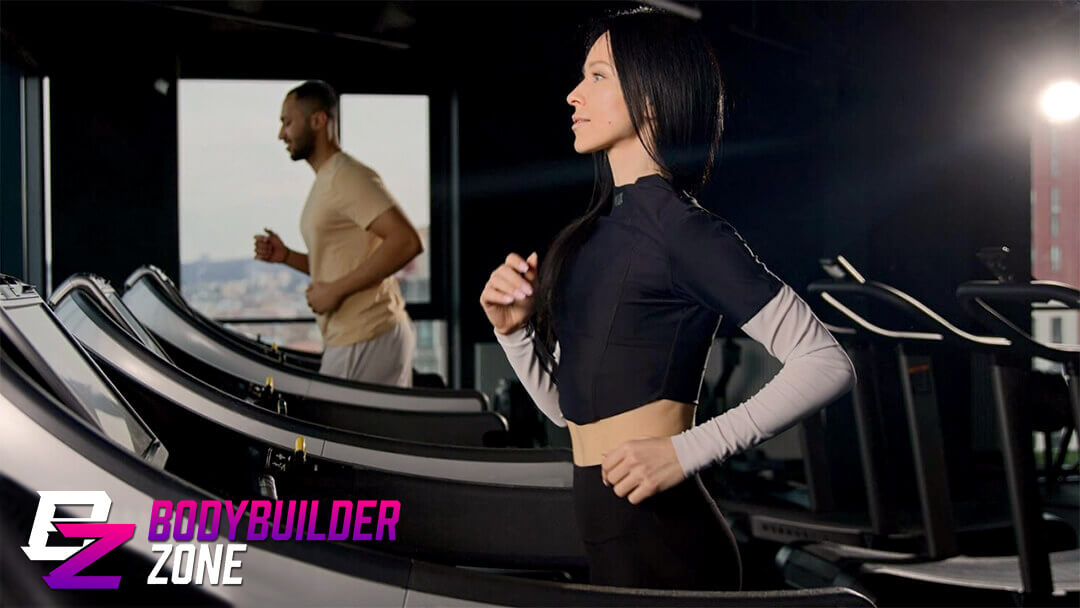
- Endurance. In addition to strength training, longer-duration aerobic exercises such as swimming or cycling should be used to build muscle endurance.
Women can obtain significant improvements by tailoring their workouts to their physical demands and talents while considering these specific goals.
Sample Workout Programs for Women
Women’s fitness regimens should aim to include everything from general body fitness to specific strength and toning. Plans may be customized to each person’s level of fitness to balance development across all of the major muscle groups while taking time efficiency and variety into account.
Full-Body Workouts
A full-body workout increases training efficiency by targeting many muscle groups in a single session. Exercises that train the entire body enhance cardiovascular health, general strength, coordination, and fat reduction.
| Exercise | Muscle group targeted | Sets | Reps |
| Squats | Legs and glutes | 3 | 10–12 |
| Push-ups | Chest, shoulders and triceps | 3 | 10–15 |
| Bent-over rows | Back and biceps | 3 | 10–12 |
| Dumbbell deadlifts | Legs, back and core | 5 | 8–10 |
| Planks | Core | 5 | 30–60 sec |
| Mountain climbers | Full body and cardio | 3 | 20–30 sec |
The suggested full-body exercise will stimulate the muscles of the upper, lower, and core while maintaining balance and include some aerobic activity.
Targeted Programs for Strength and Toning
We want to tell you about 3 optimal programs for different parts of the body. Each of them works for a certain muscle group and you should pay attention to these workout programs:
- Program for strengthening your lower body
The development of compound movements for strong, solid legs should be the main goal of women’s lower body strength training. Exercises like squats, lunges, and deadlifts are essential for developing strong thighs and buttocks. To enhance muscular activation, combine them with auxiliary exercises like glute bridges or calf raises. To allow muscles to grow and heal, you will also be exercising your strength twice a week while maintaining a steady progression.
- Program for toning the upper body
Every muscle group in the upper body, including the shoulders, chest, arms, and back, should be worked out. To develop muscular tone in these muscles, the workout might place a strong emphasis on push-ups, overhead presses, and dumbbell rows. Include some arm isolation workouts, including tricep dips and bicep curls. To maintain a slim body, this would be an excellent mix of strength and cardio.
- Program for core-focused toning
For women looking for a more targeted program to firm and develop their core, leg raises, Russian twists, and planks might be useful. Targeting the lower back, obliques, and abdominal muscles would be beneficial since they are linked to posture and core stability. Incorporate more dynamic exercises, such as hanging leg lifts or mountain climbers, to increase core strength and incorporate cardiovascular elements.
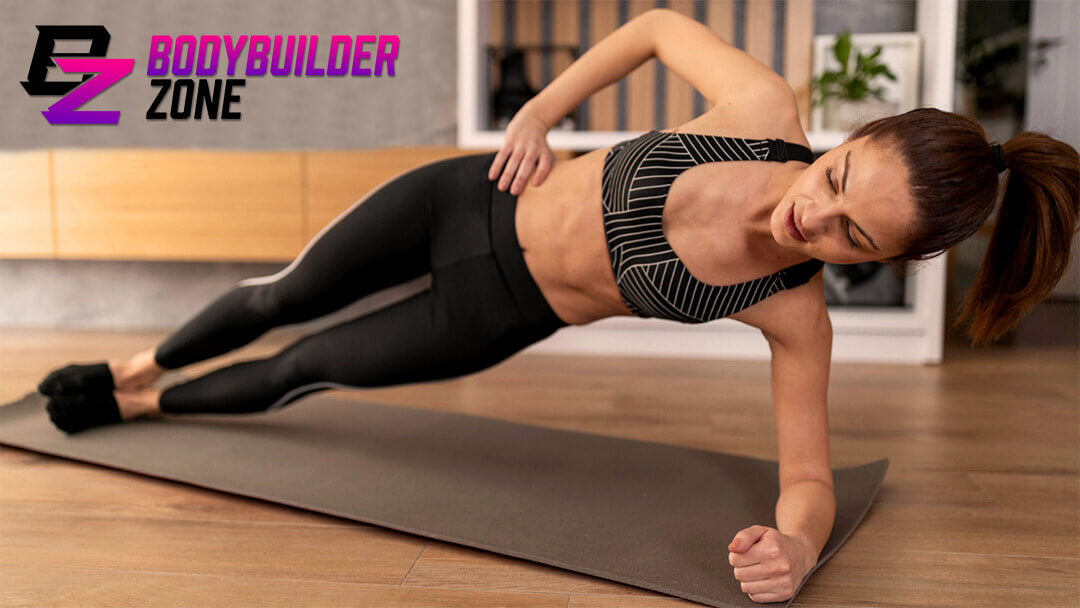
For the best results in strength and toning, the intensity and frequency of each of these particular routines can be adjusted to meet individual needs.
Tips for Women’s Fitness
The secret to women’s fitness is balance. Strength training, cardiovascular exercise, flexibility, and mobility exercises are all necessary to achieve complete fitness, avoid injuries, and maintain a long-term, healthy state of well-being.
Balancing Cardio and Strength Training
It is important to strike a balance between weight training and aerobic exercise to meet a variety of fitness objectives. Strength training aids in muscle growth, metabolic stimulation, and bone strength, while cardio helps increase cardiovascular fitness, burn calories, and improve endurance. Women might perform these exercises on days designated for cardio, like cycling or jogging, and on days designated for strength training, such as bodyweight exercises or weightlifting.
It is best practice to perform high-to-moderate cardio 2 or 3 days a week in addition to at least 2 or 3 days of weight training. This kind of balance ensures short-term fitness gains with long-term health advantages and promotes fat reduction without compromising or at least increasing lean muscle mass.
Importance of Flexibility and Mobility
Although less emphasis is placed on it, mobility and flexibility are crucial for an all-around routine. Improved joint range of motion, a decreased risk of injury, and improved physical performance are all benefits of flexibility. Women who practice yoga or do easy stretches may quickly recover from exercises and retain their flexibility without becoming tight.
In contrast to strength, mobility refers to the capacity to controllably move the muscles and joints within their active range of motion. To increase functional strength and improve movement quality, add mobility drills such as:
- Dynamic stretches
- Hip openers
- Shoulder mobility exercises
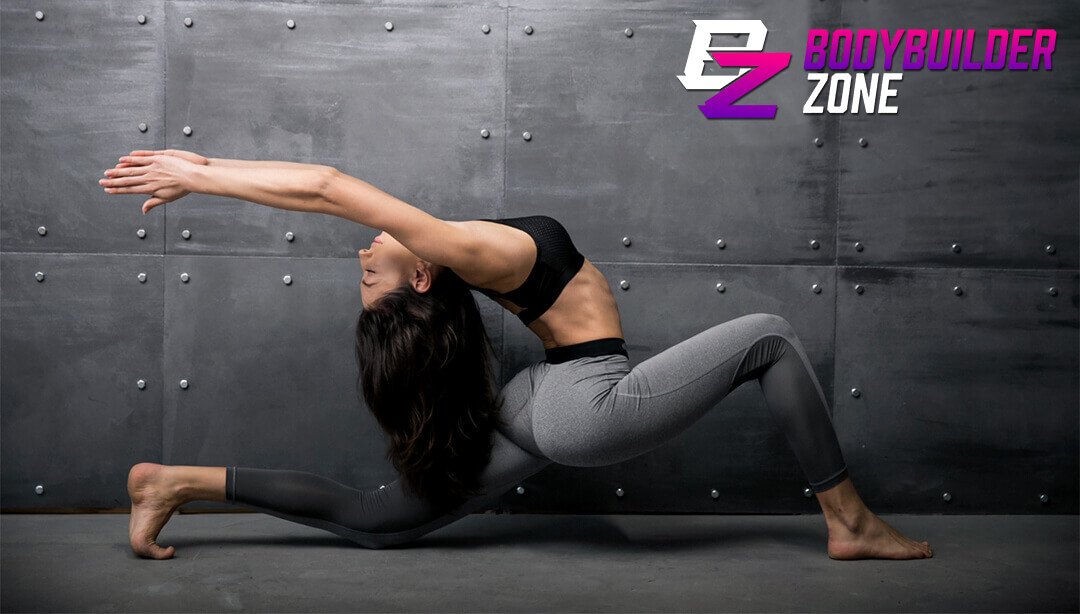
These kinds of motions are very helpful in keeping proper posture and avoiding the pain and discomfort associated with improper movement patterns, particularly for people who spend a lot of time sitting down. Including mobility and flexibility exercises in your routine can help you recover from your workouts and perform better overall. As women pursue their goals of ultimate fitness, this will ensure that they move effectively and can exercise with perfect form, reducing the likelihood of injury.
Tracking Progress and Making Adjustments
Long-term success greatly depends on monitoring your progress and adjusting your regimen as needed. Whatever your goals are, readings and adjustments might help you stay on track, avoid becoming stuck in a routine, or continue to build strength and endurance.
Monitoring Results
Consistent monitoring has the advantage of allowing for the measurement of progress and the possibility of additional development in areas that grow slowly. Among the principal techniques for tracking are:
| Metric | How to track | Benefits |
| Body measurements | Measure waist, hips, arms, and thighs weekly. | Tracks muscle gain and fat loss over time. |
| Strength progress | Record weights lifted and reps in each session. | Shows improvements in strength and endurance. |
| Cardio performance | Track time or distance covered during cardio. | Measures stamina and cardiovascular health. |
| Photos | Take progress photos every 4–6 weeks. | Provides a visual record of physical changes. |
Maintaining a regular tracking schedule can guarantee that you are making the desired improvement and staying on course with your fitness objectives.
Modifying the Program for Better Results
Making adjustments to your exercise regimen is essential to rekindling development when you see a slowdown in your progress or feel as though you’ve reached a plateau. To keep your body challenged, you may modify your program by changing the activities you perform, the frequency at which you work out, or the intensity at which you work out. The following are some practical methods for altering or modifying your program:
- Increase resistance or weights
Try applying more resistance during exercises or lifting larger weights when strength gains hit a plateau.
- Exercise variety varies
Adding new workouts or modifying existing ones – for instance, switching from dumbbell to barbell squats can also affect the various muscle fibre layers.
- Alter the frequency of exercise
If there is insufficient recuperation, cut down and allow for more rest. For example, one may start training once or twice a week and then raise it by one additional session.
As for additional alternatives, here are two options you might want to consider:
- Switch cardio routines
For instance, HIIT training one day and steady-state cardio the next, as opposed to repeating a comparable cardio routine and building endurance.
- Adjust nutrition
Eating should be done following one’s physical objectives. A small calorie deficit should be the main focus if one wants to reduce body fat. If one wants to grow muscle, calories and proteins should be ingested in greater amounts.
You’ll be able to push your body harder and know that you’re getting closer to the outcomes you want as a consequence of these.














Leave a comment